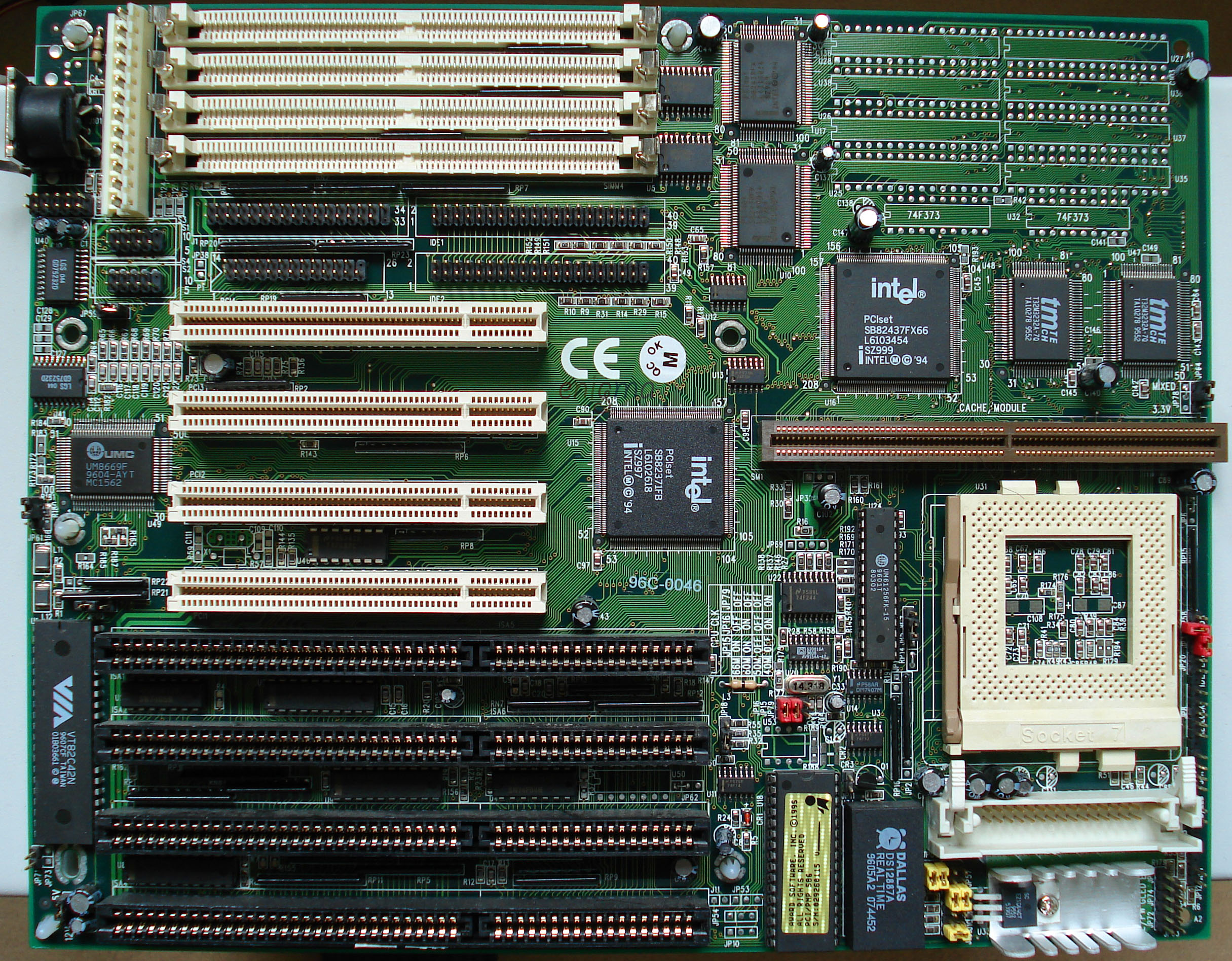
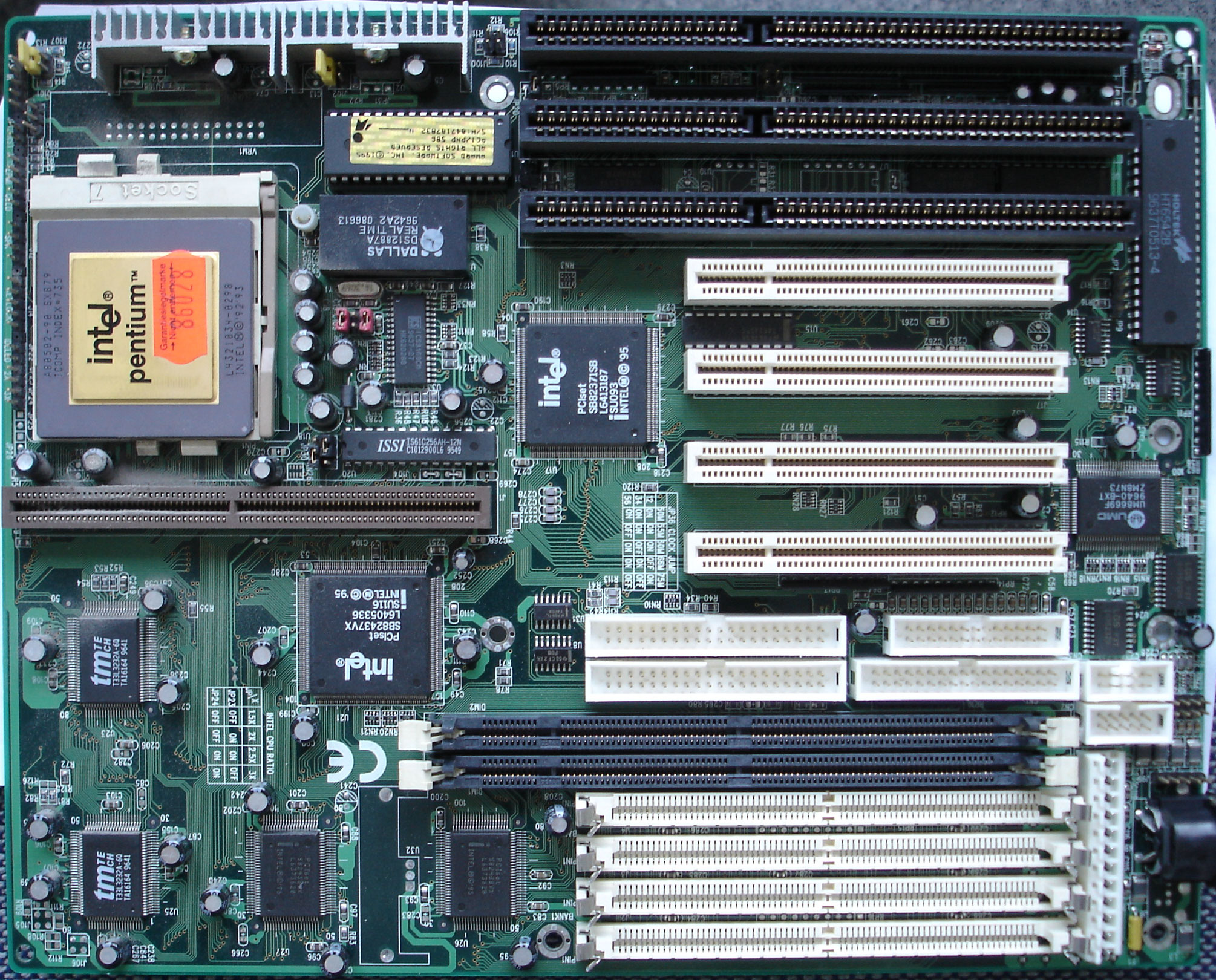
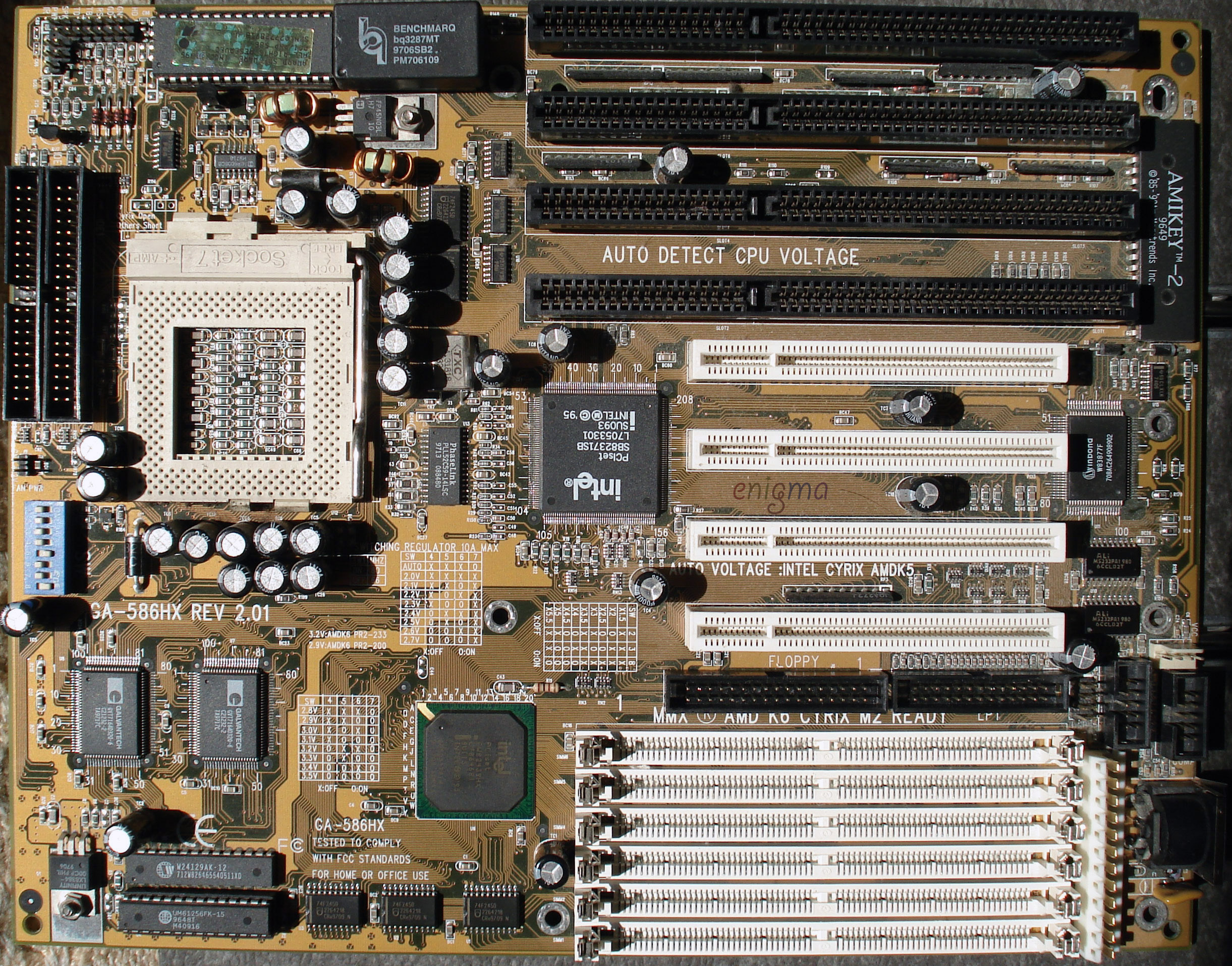
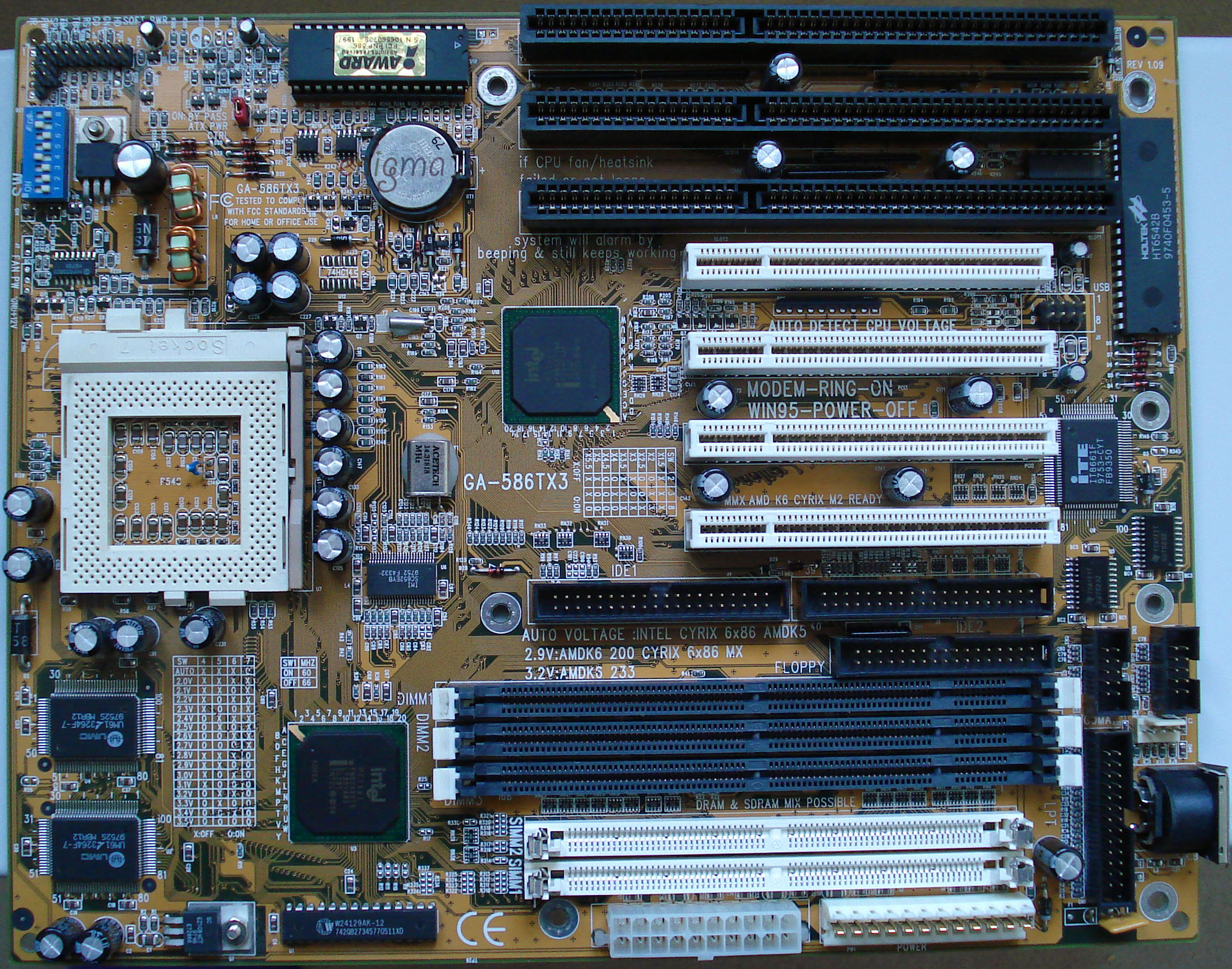
First post, by iulianv

- Rank
- Member
I've done some reading (here mostly, but on other sites too) on RAM caching capabilities of various socket7 chipsets, and so far the following things are a bit unclear to me:
1. 430HX seems to be the "champion" here - most mainboards (those with an 8-bit TAG chip) can only cache 64MB of RAM, but 256MB or 512MB can be cached if one uses a 10-bit TAG, an 11-bit TAG or two 8-bit TAG chips.
So far I could only "find proof" of the last choice - dual-socket (or single-socket with the same PCB) Tyan boards seem to be using two 8-bit TAG chips - I found some detailed photos here:
http://www.ebay.co.uk/itm/Tyan-Tomcat-III-S15 … 7-/260848811945
Can someone provide examples of boards using 10-bit or 11-bit TAG chips? Or at least an example of such TAG chip part-number...
2. I've read in various places that Windows uses the RAM "from the top down", so using more RAM than the cacheable size will almost always impact performance. Is this true for all Windows versions? I have WinNT4 installed on a 430VX board with 128MB of EDO RAM, and it feels pretty snappy in all applications except web browsing (but this can be due to today's usually "overloaded" web pages).
I'll dig that system up and perform some more testing (64MB of RAM instead of 128, and 10/100 PCI NIC instead of 10 ISA), but I'm asking the question anyway: assuming system/application requirements not exceeding the cacheable RAM size, is there any performance penalty in running Windows (NT4 in particular) with more RAM than the chipset can cache? If the requirements do exceed the cacheable RAM size, I assume using uncached RAM is still a lot better than swapping to the hard-drive...