VOGONS


Reply 40 of 50, by Gold Leader-B747

User metadata
Rank Newbie
Rank
Newbie

Not much news for now, but on November 24th I will have some interesting parts returning to my place, it's my original an first 2CPU system that will make an interesting comeback, so until then 😎
Here what once was and the system I am going to rebuild is part of that project.

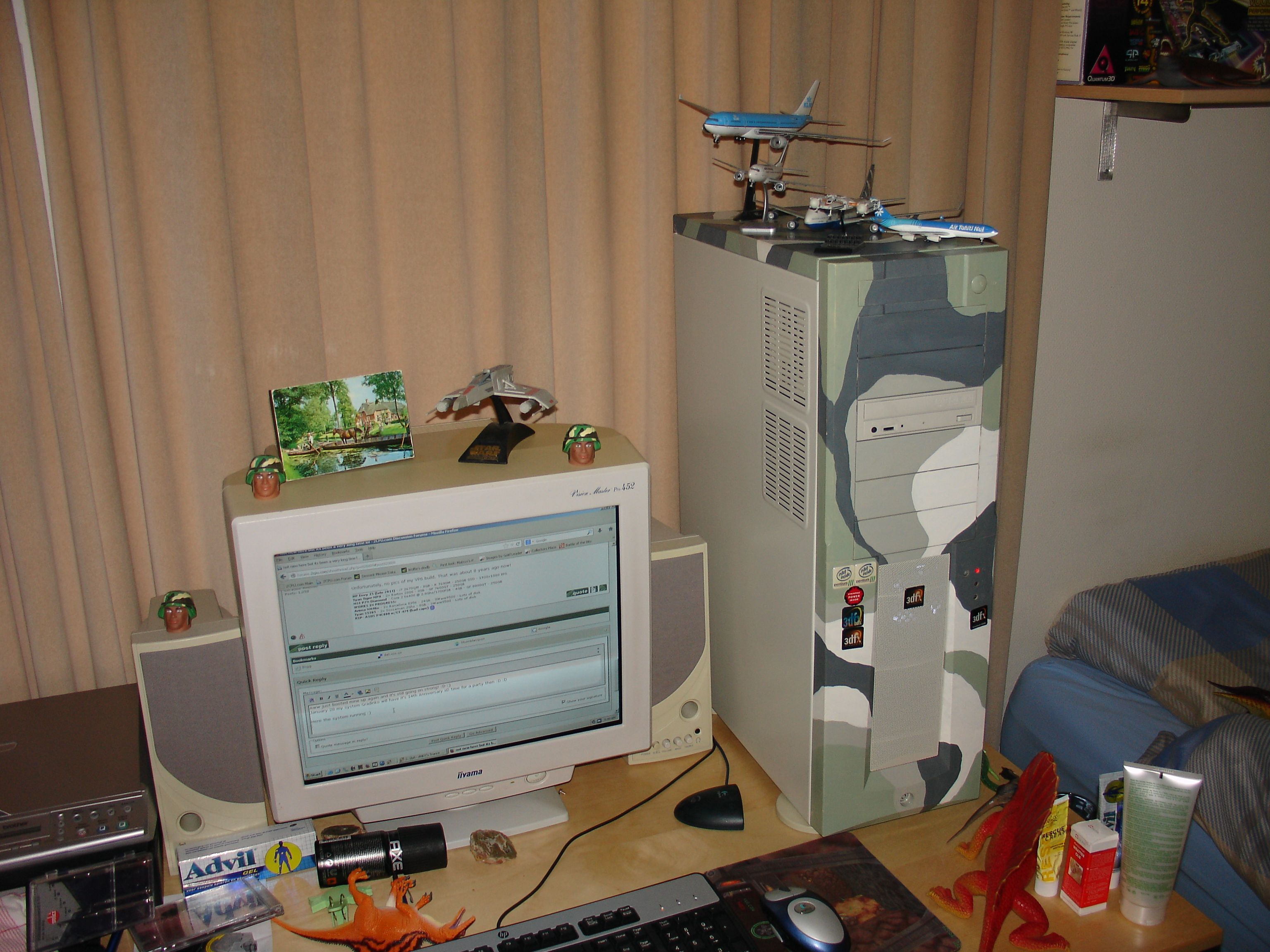
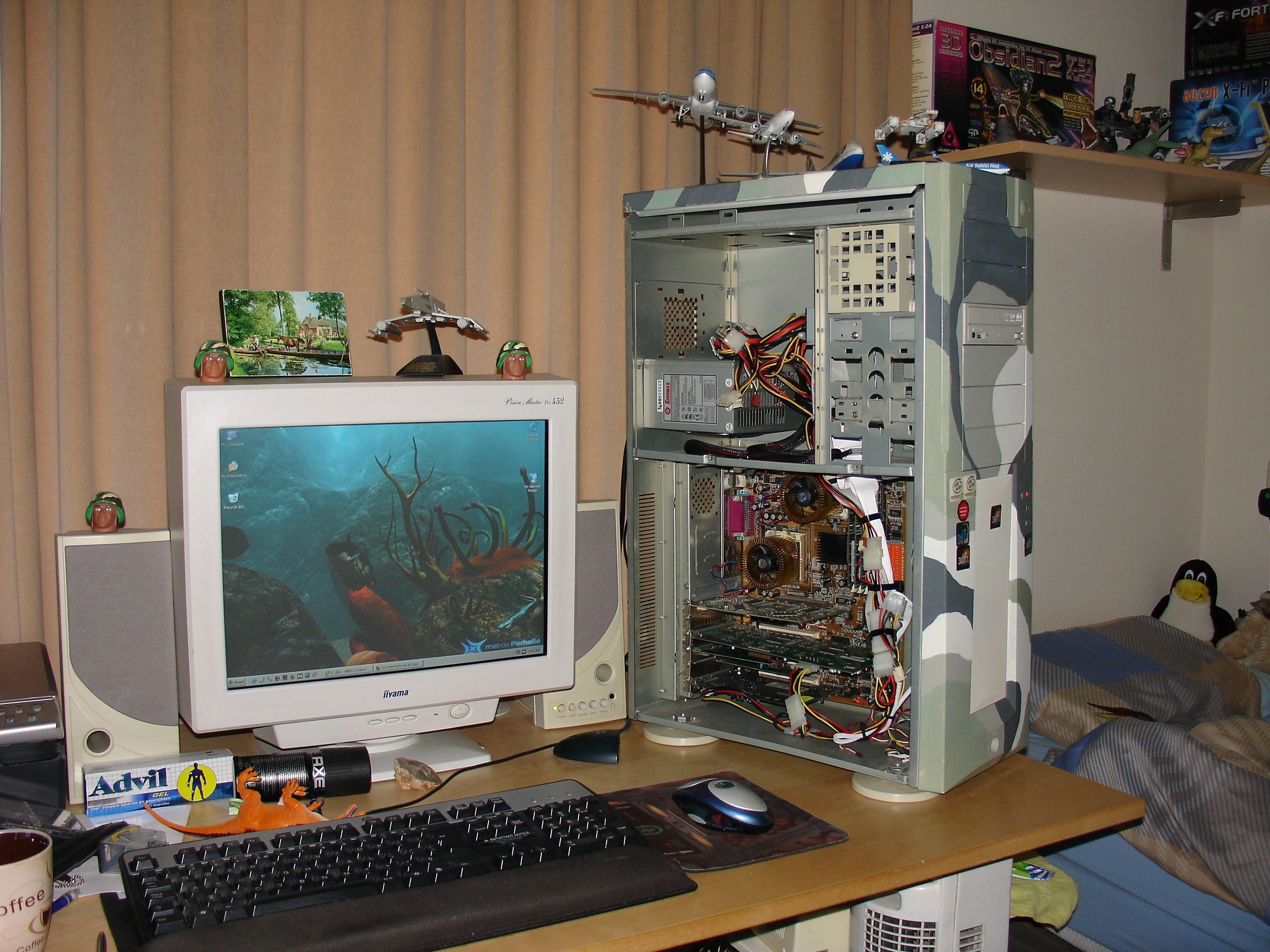
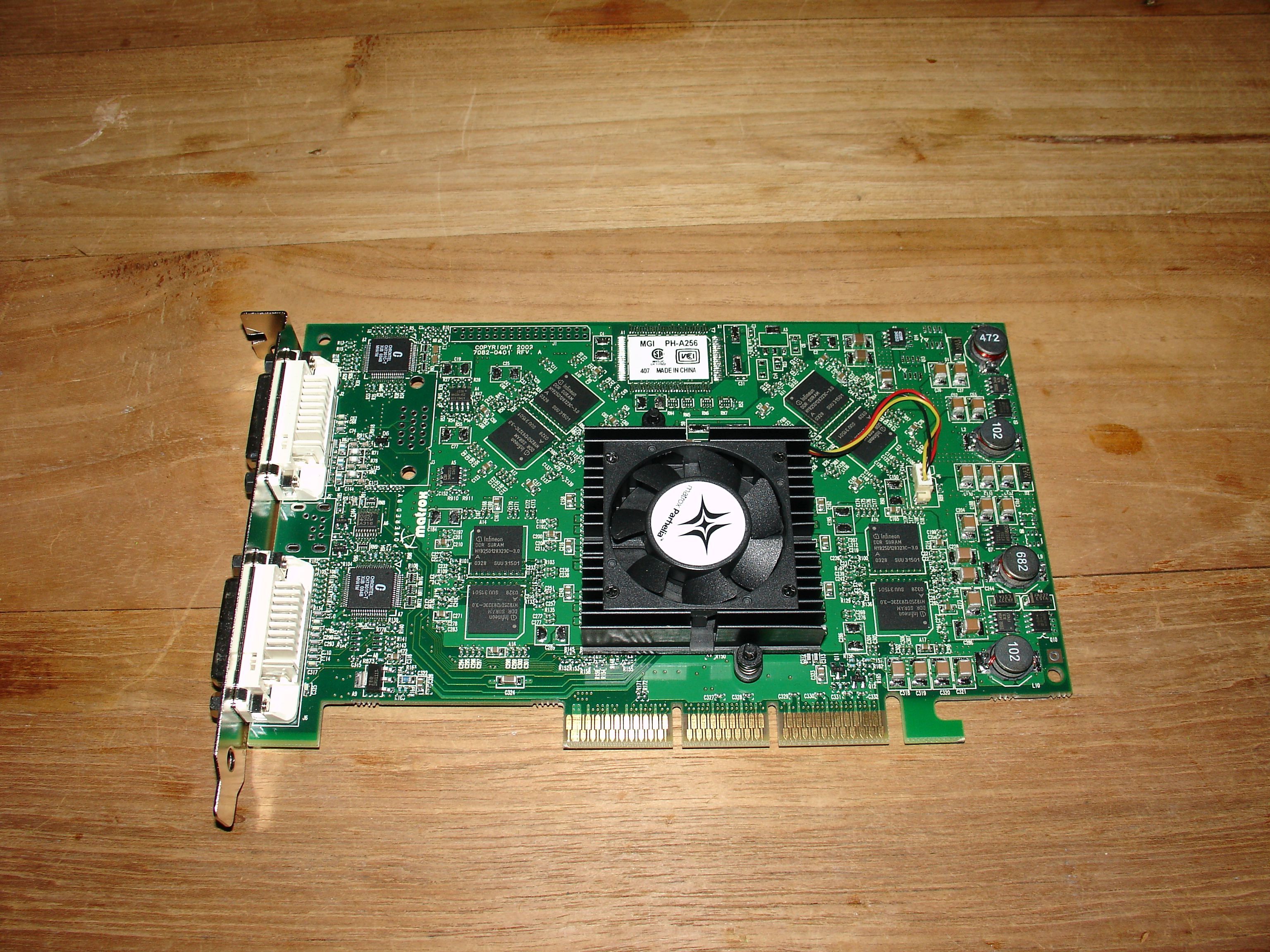
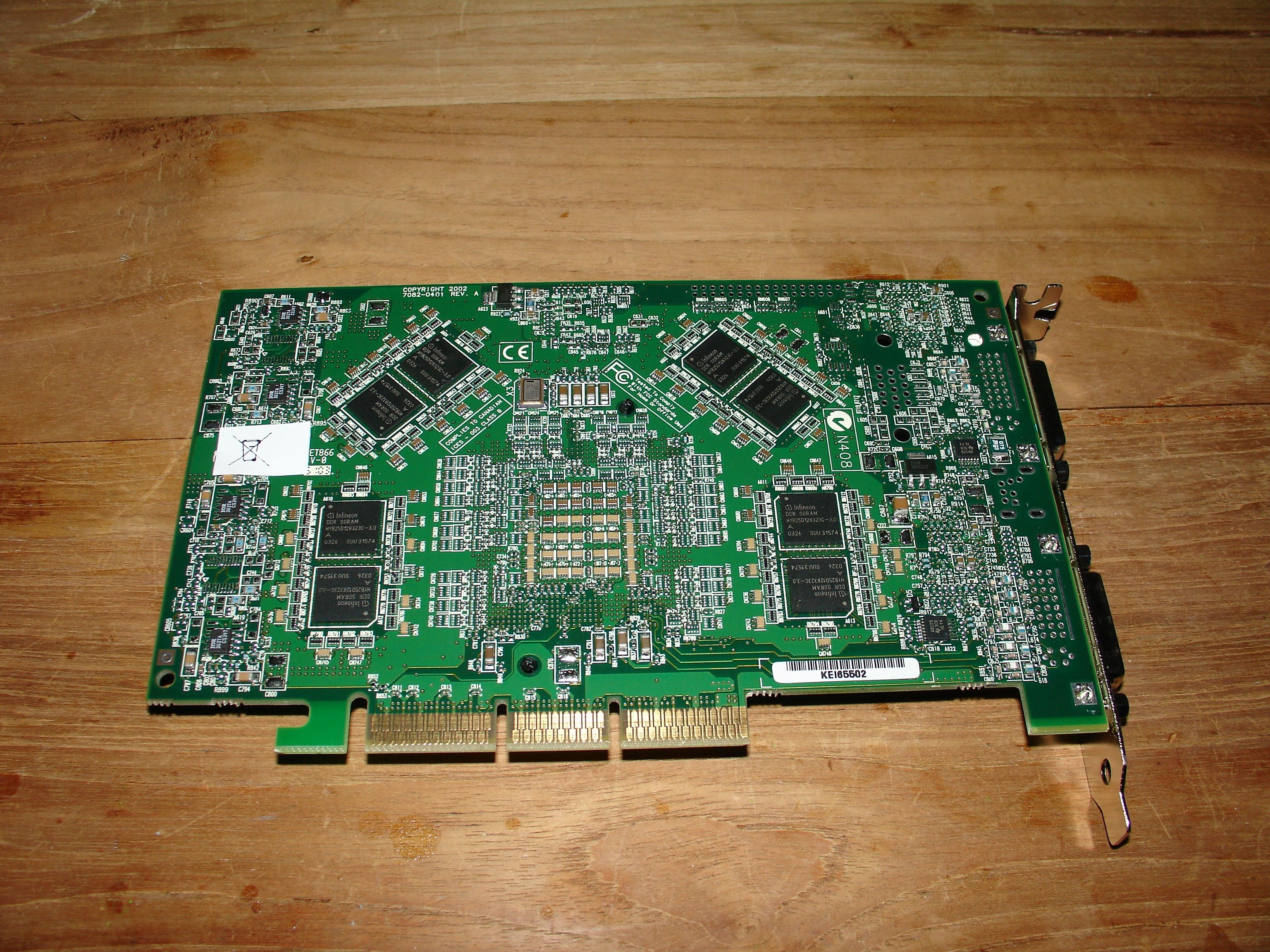
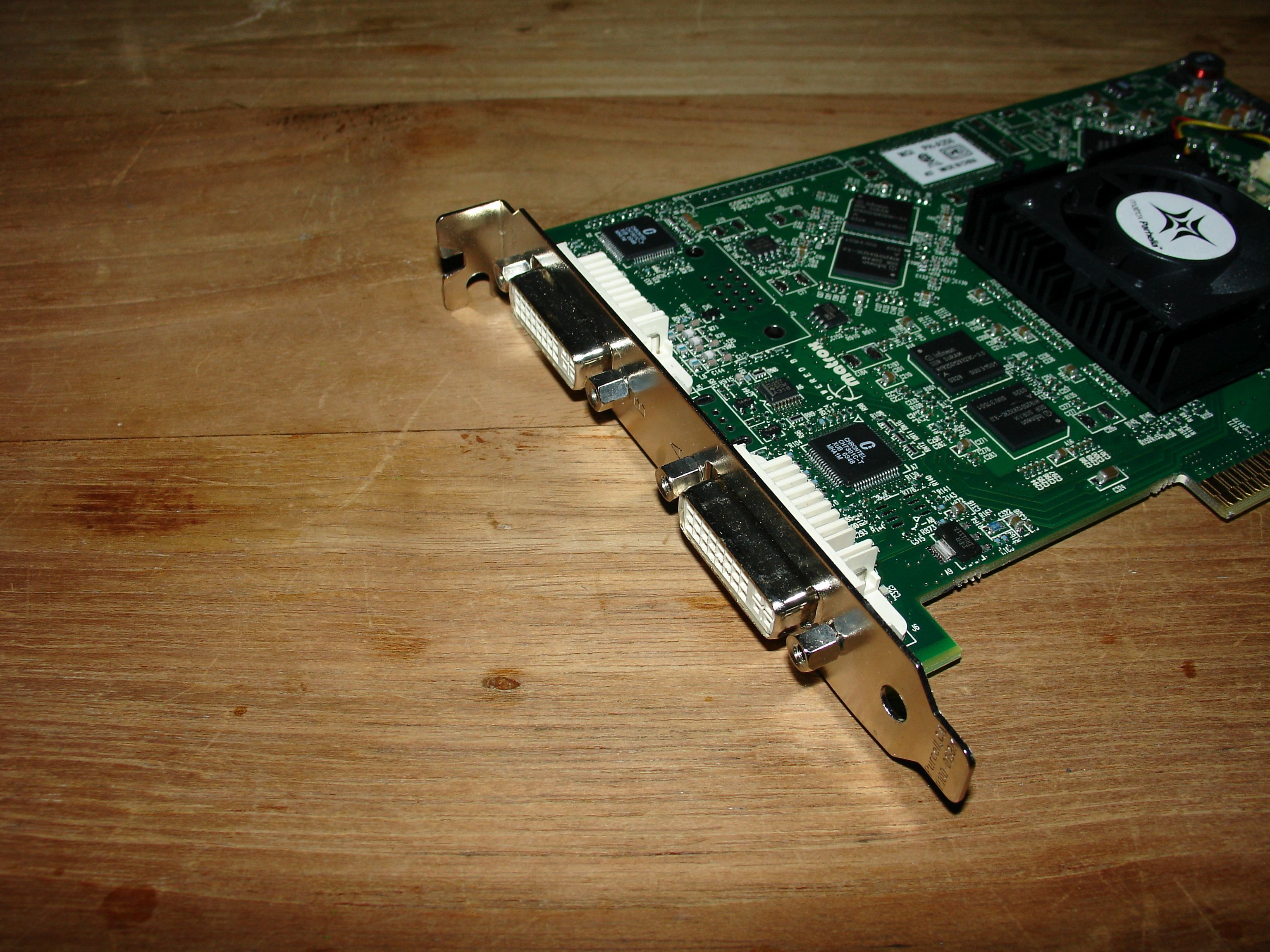
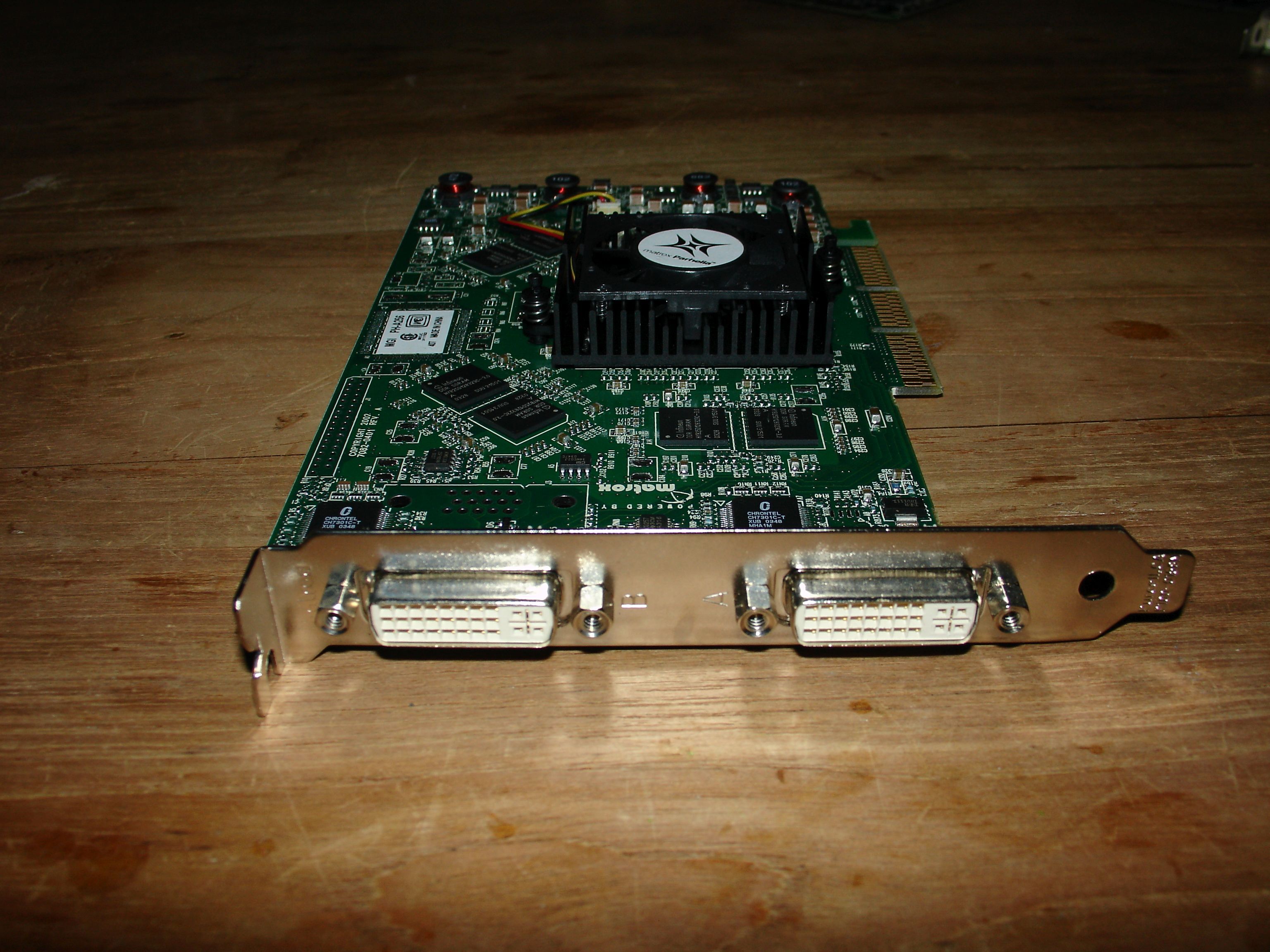
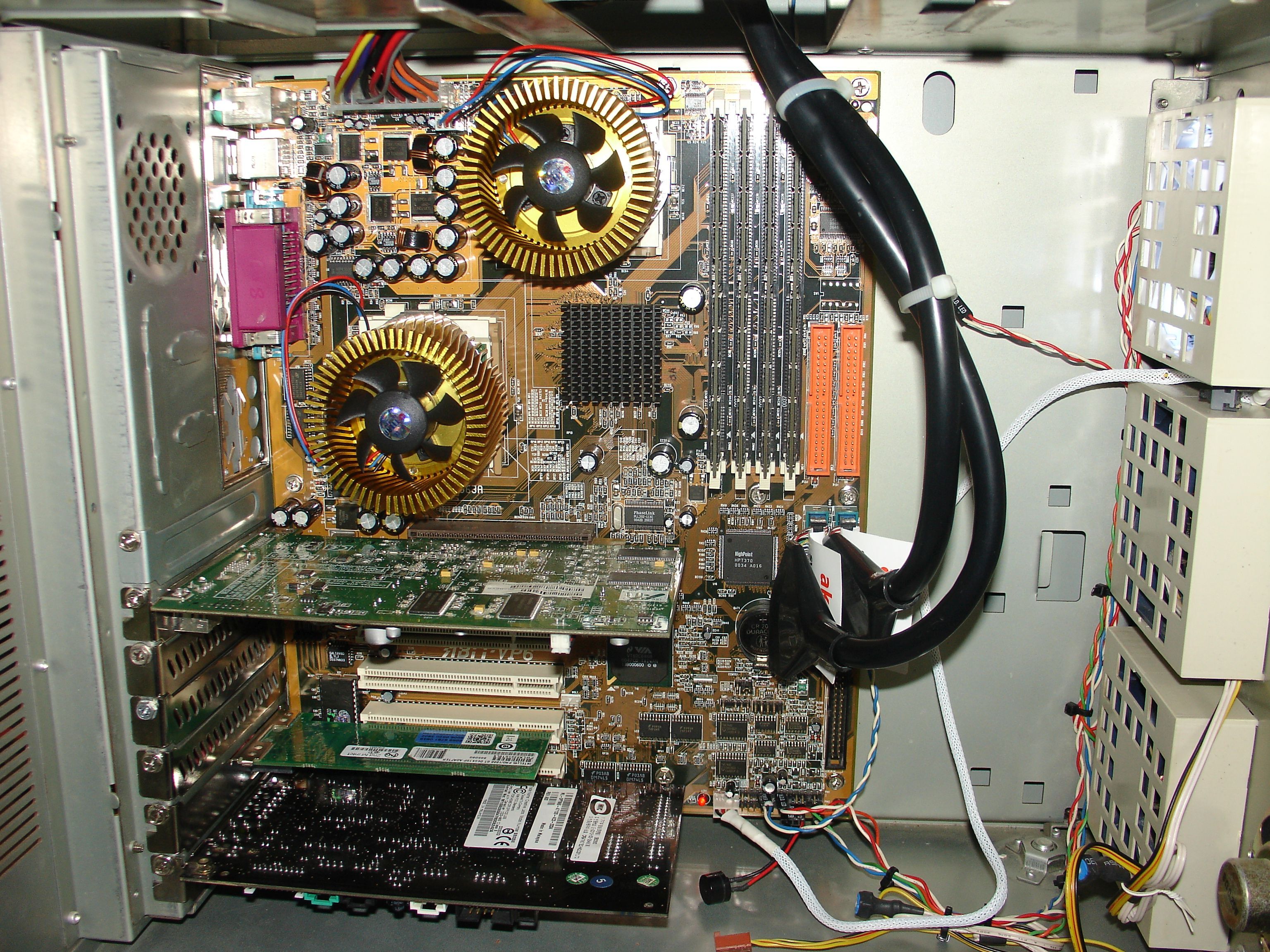
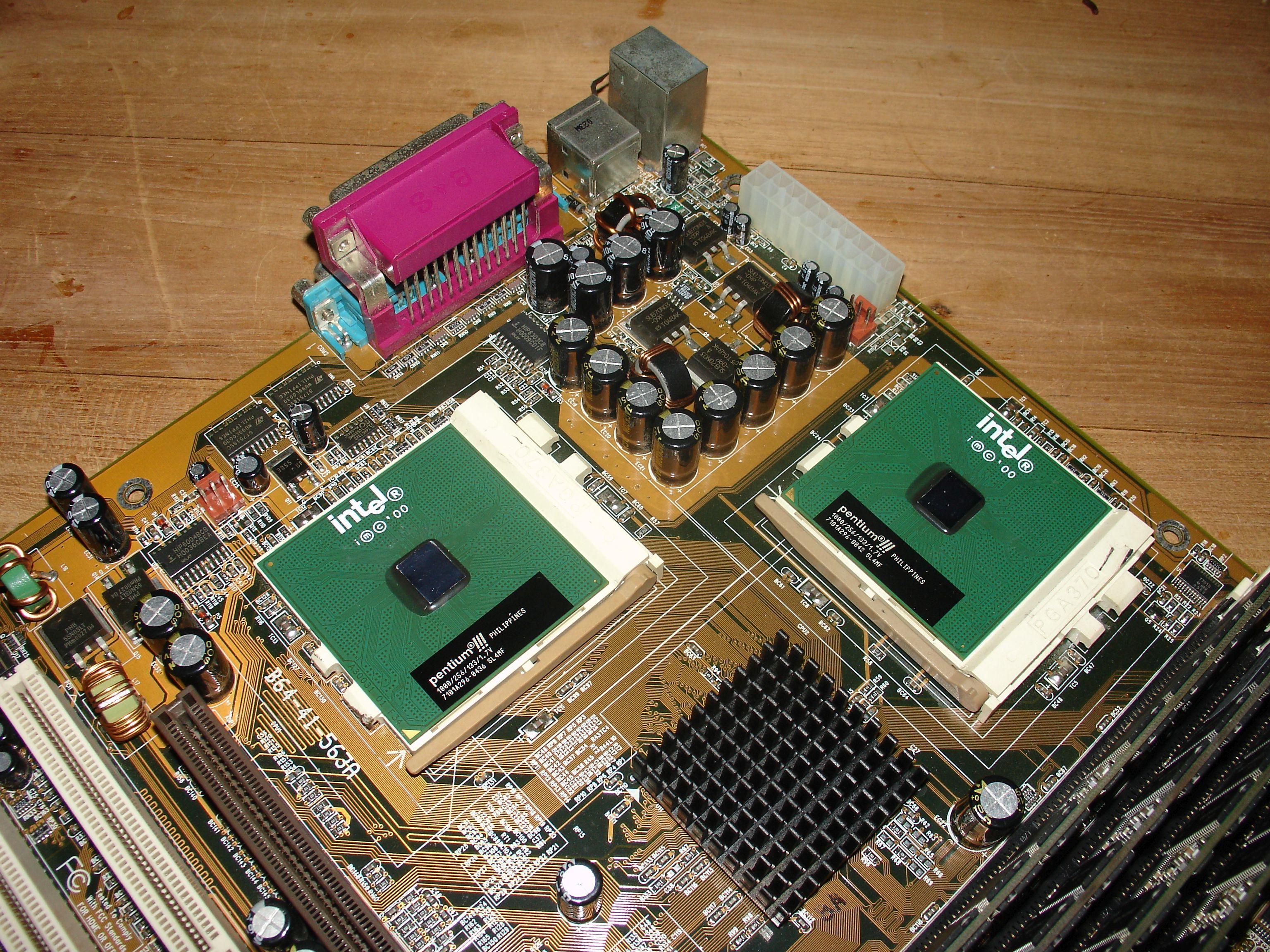
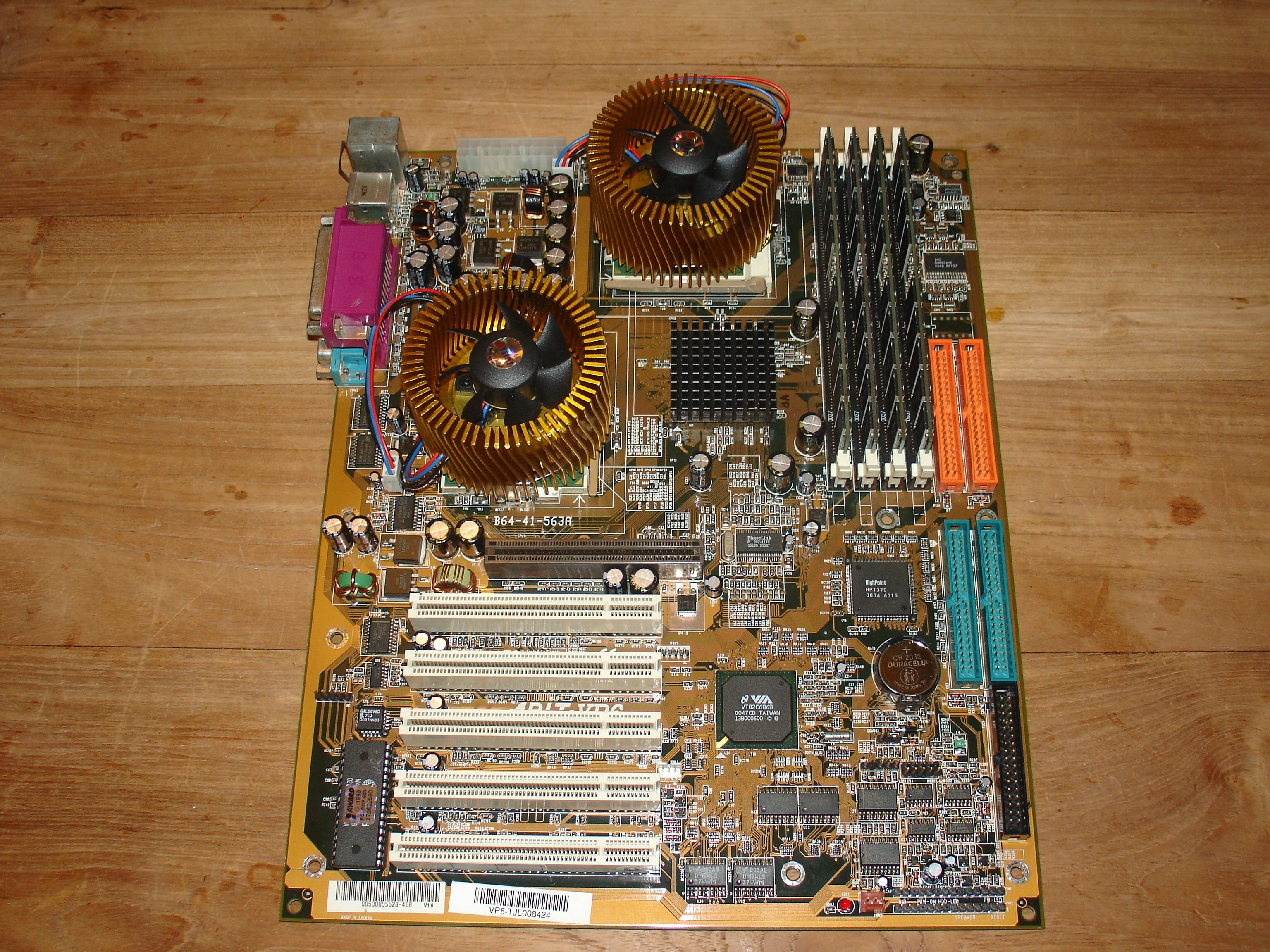
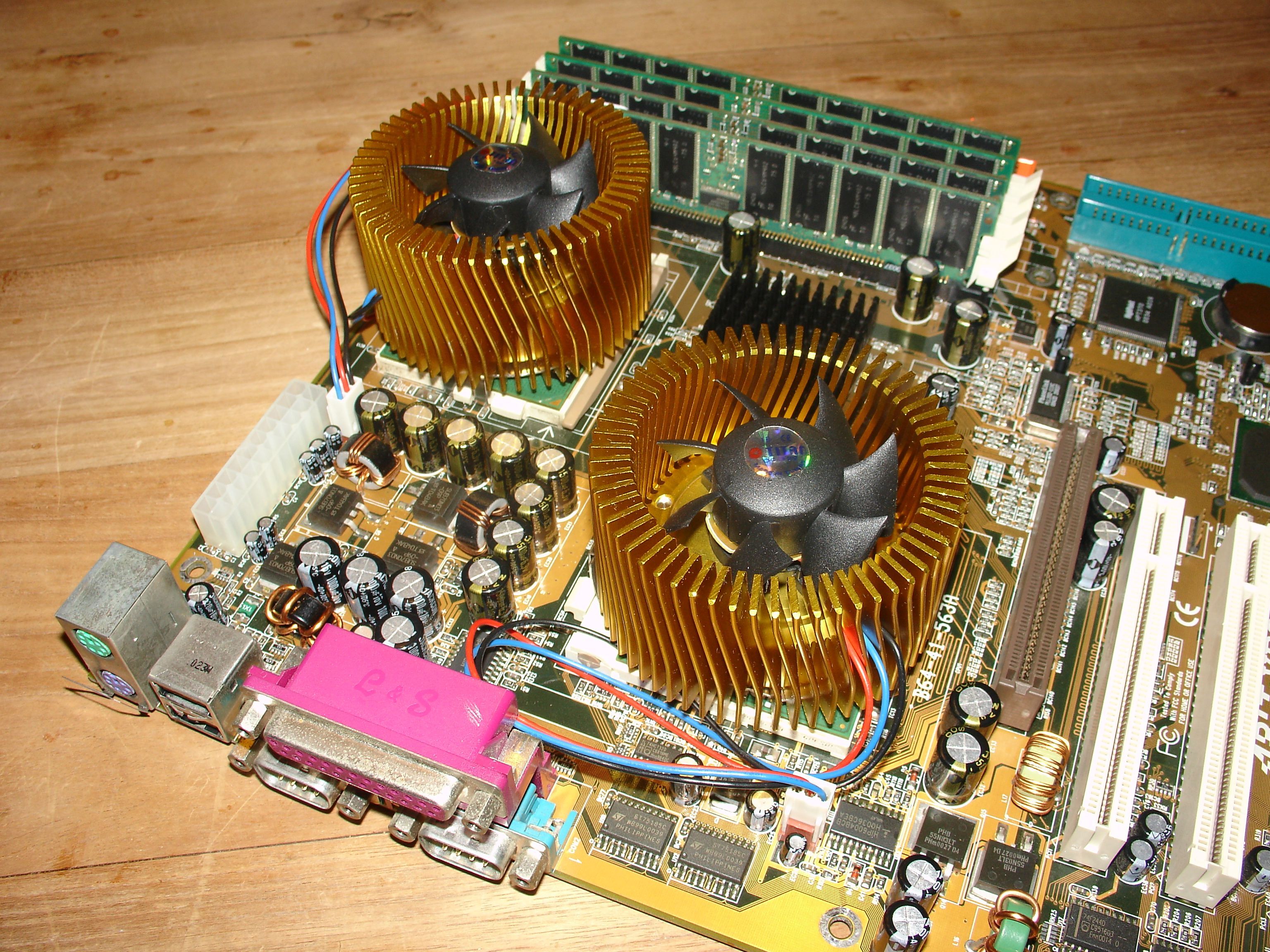
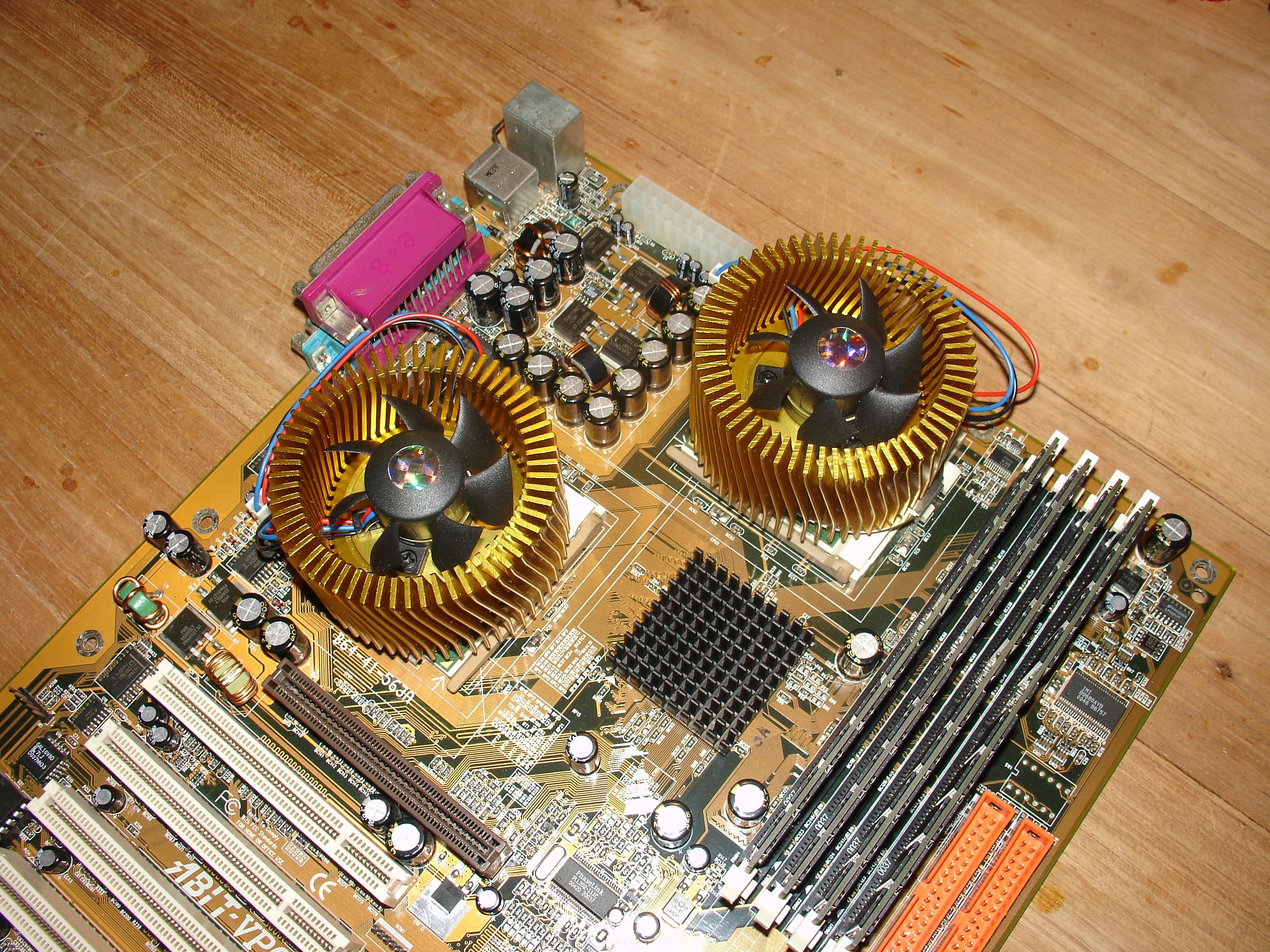
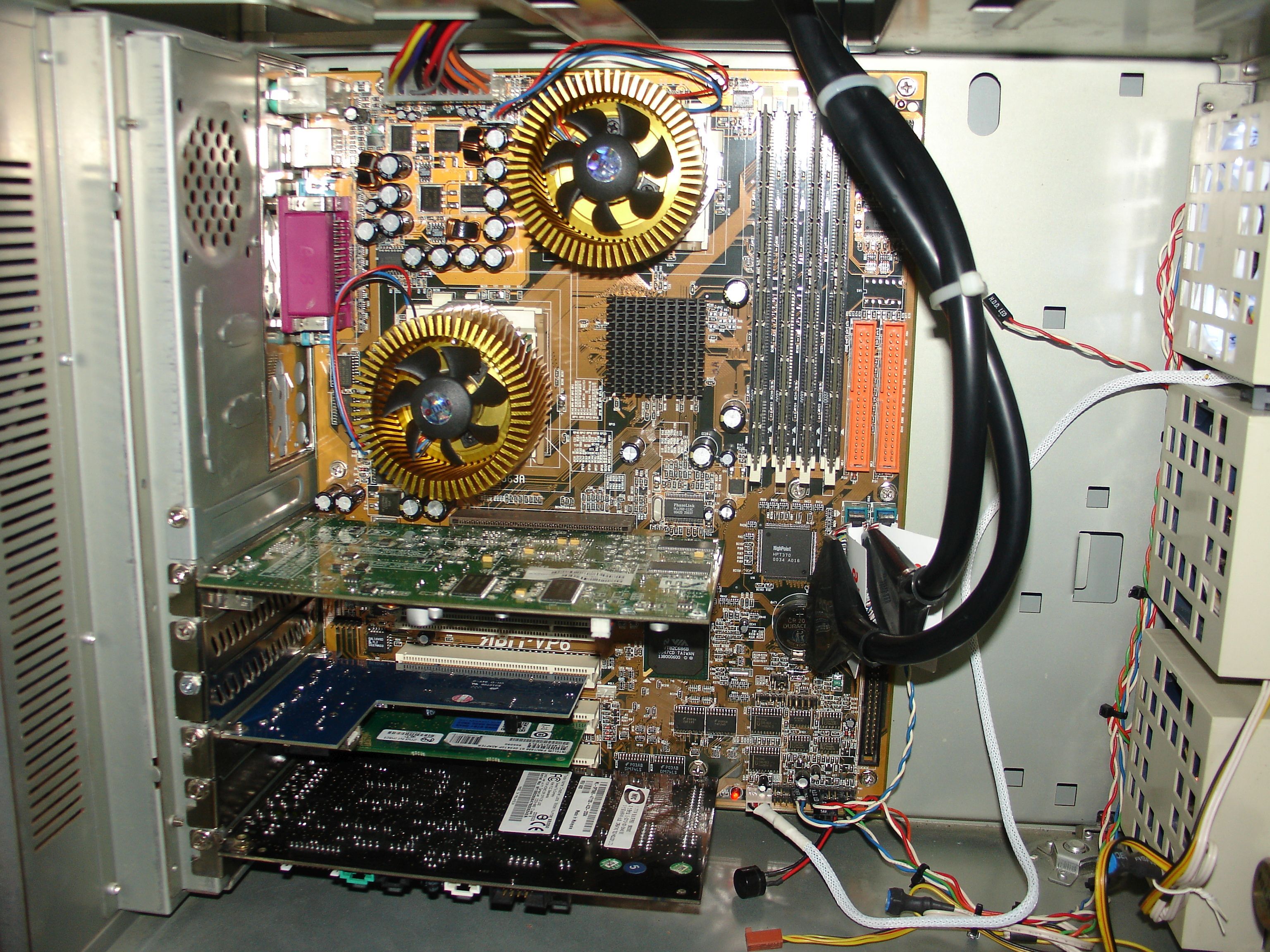
So my very first Dual system was with an ABiT VP6 was during Q1 of 2000 with a Pair of P3/EB 1000's and Golden Orbs, I later gave this system a Matrox Parhelia AGP 256MB 256Bit DDR in 2004, ran it till like 2018 or so, before I sold it to a friend in Adelaide, South Australia, he went as SWZSSR, I think he had an account here at some time.

On march 28 of 2000 this was the setup:

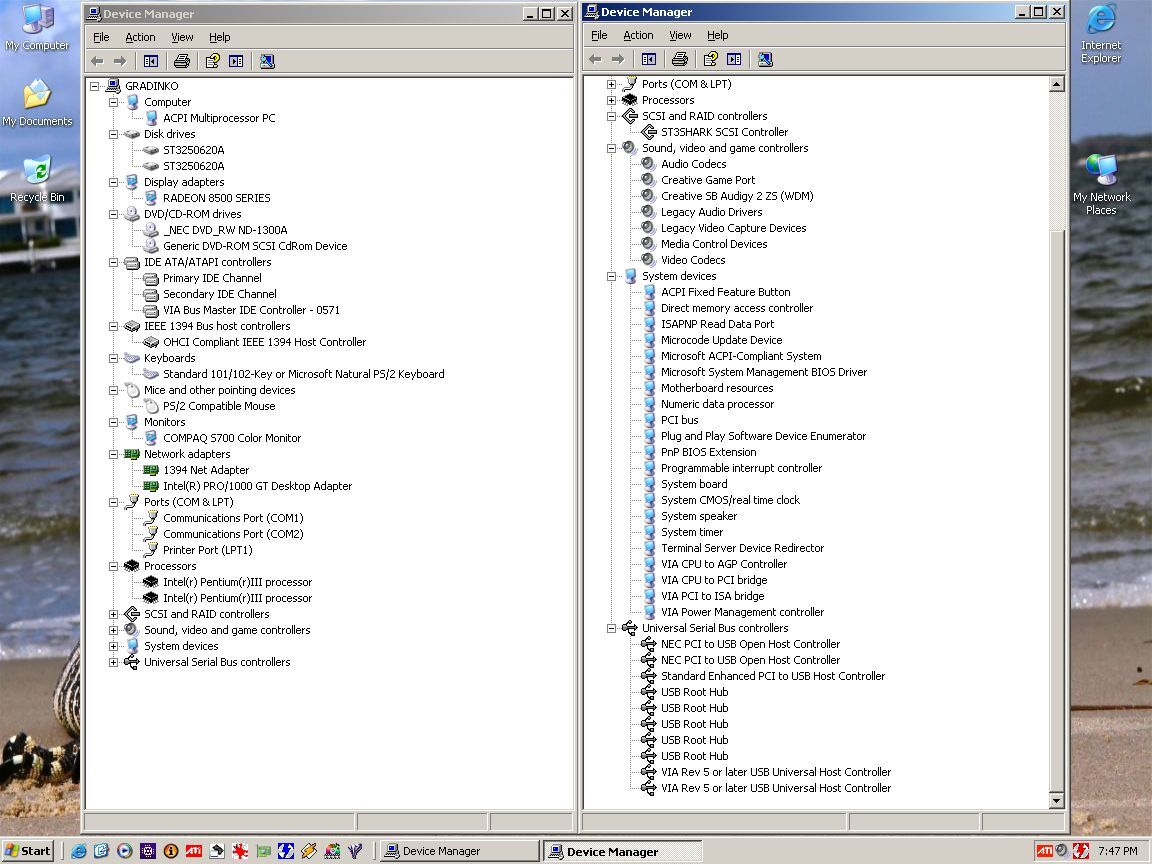
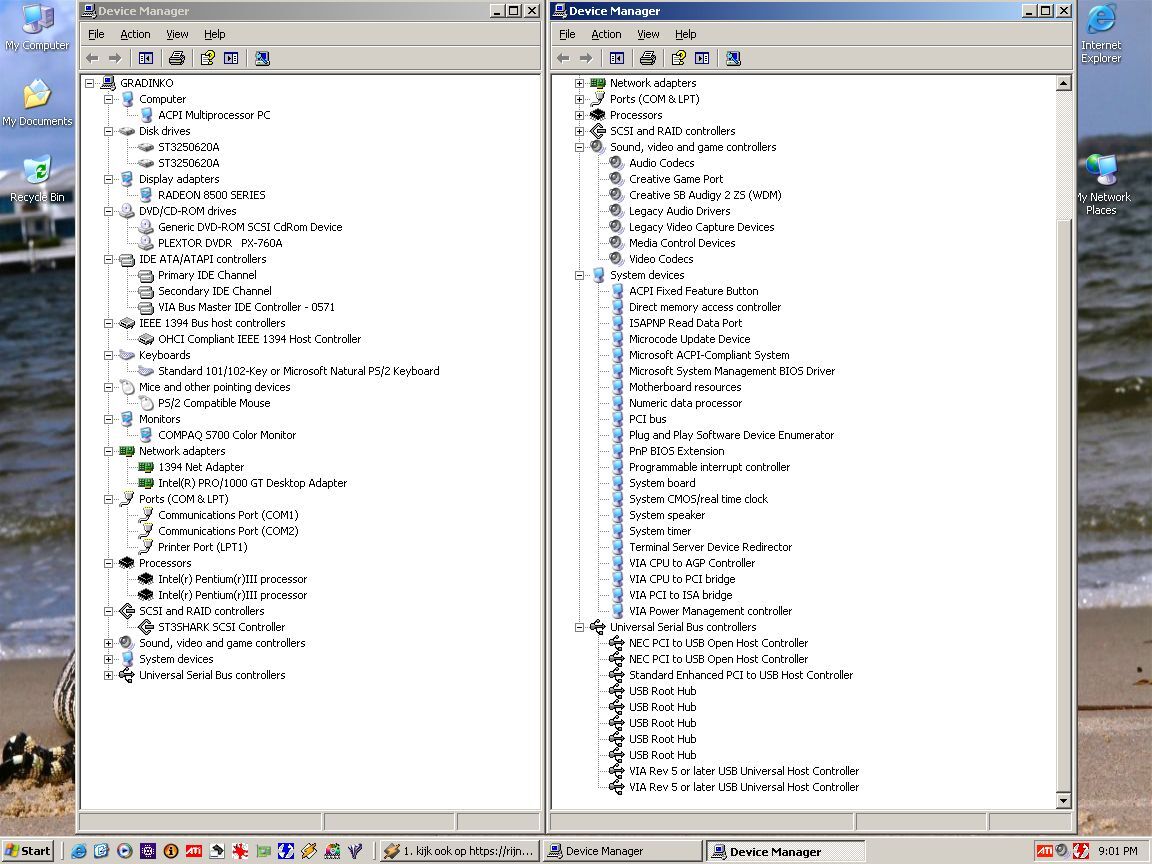
Gradinko SMP 2000

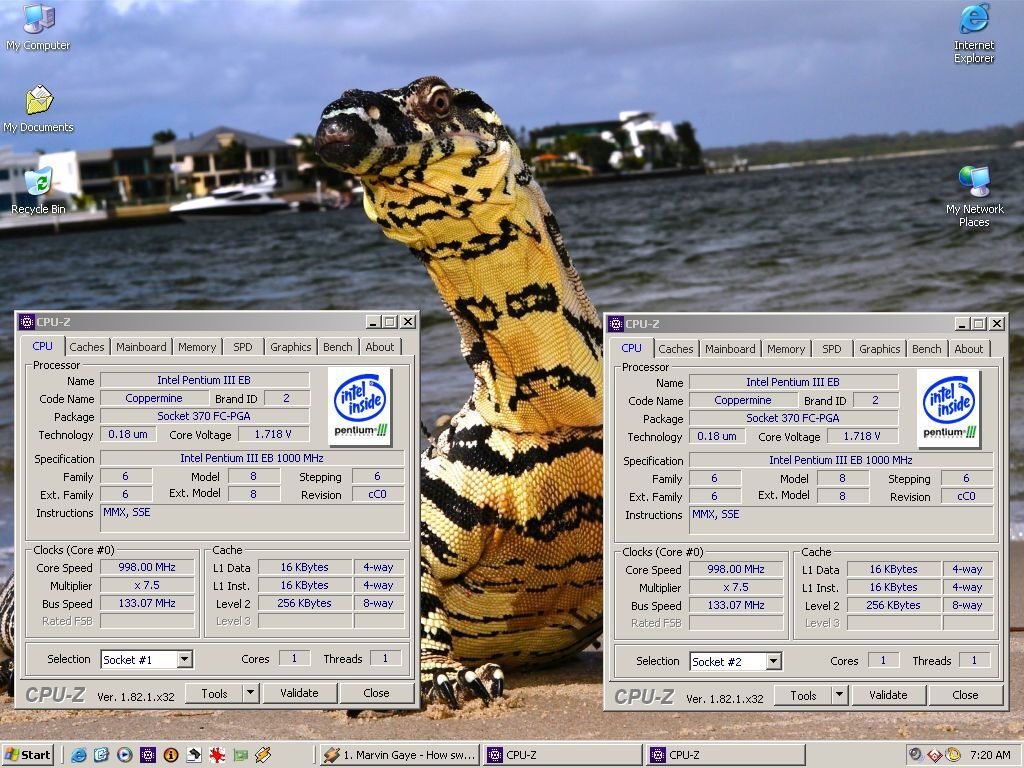
2x Intel Pentium!!!/EB 1Ghz Coppermine, 2x 256KB L2
ABiT VP6 Raid Ver 1.0
4x 256MB PC-133 ECC Reg CL2.5 TwinMoss
Diamond Multimedia Viper II Z200 AGP 32MB 128Bit SDRAM Rev.A 4999
Creative Sound Blaster LIVE! 256
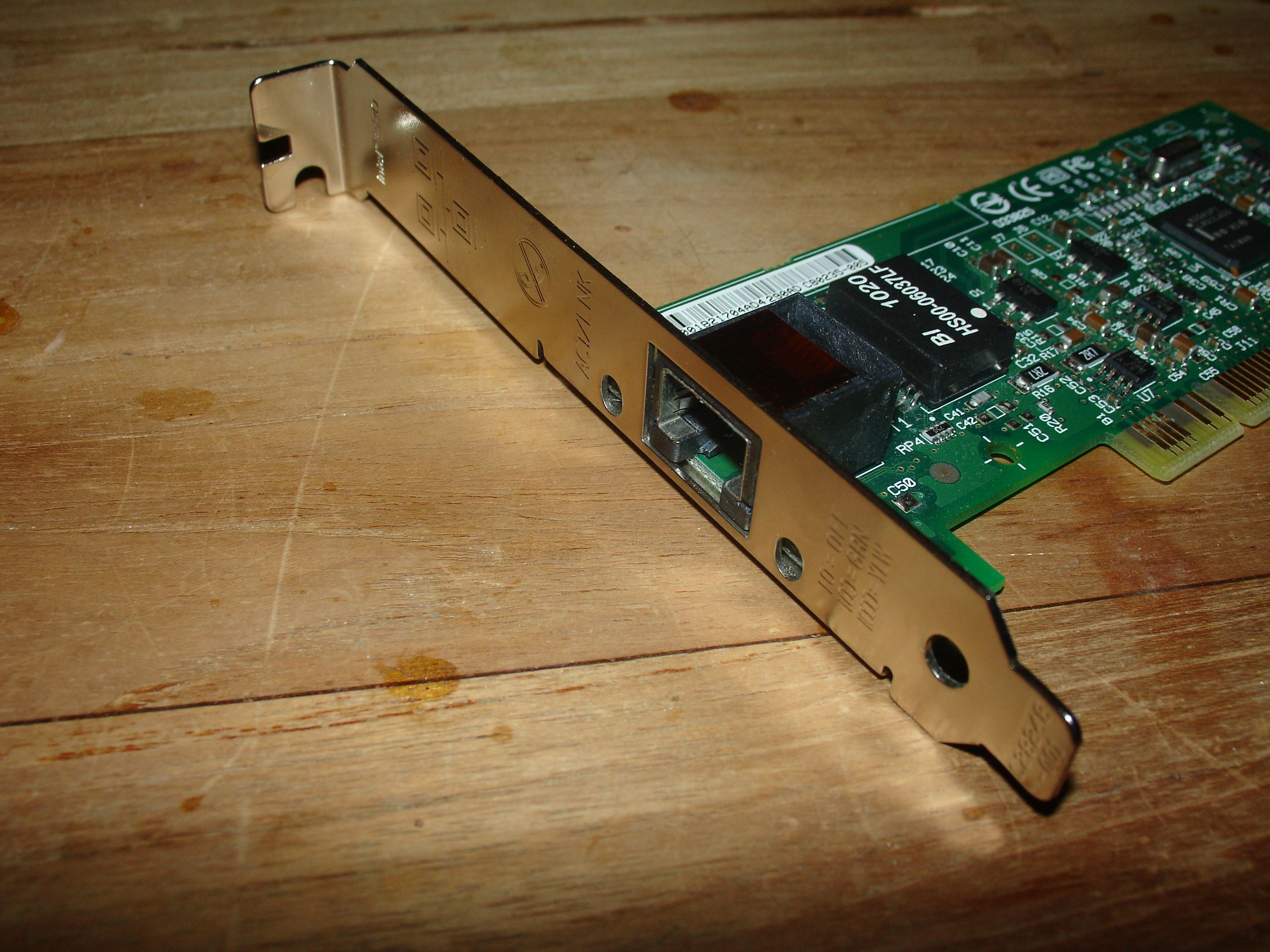
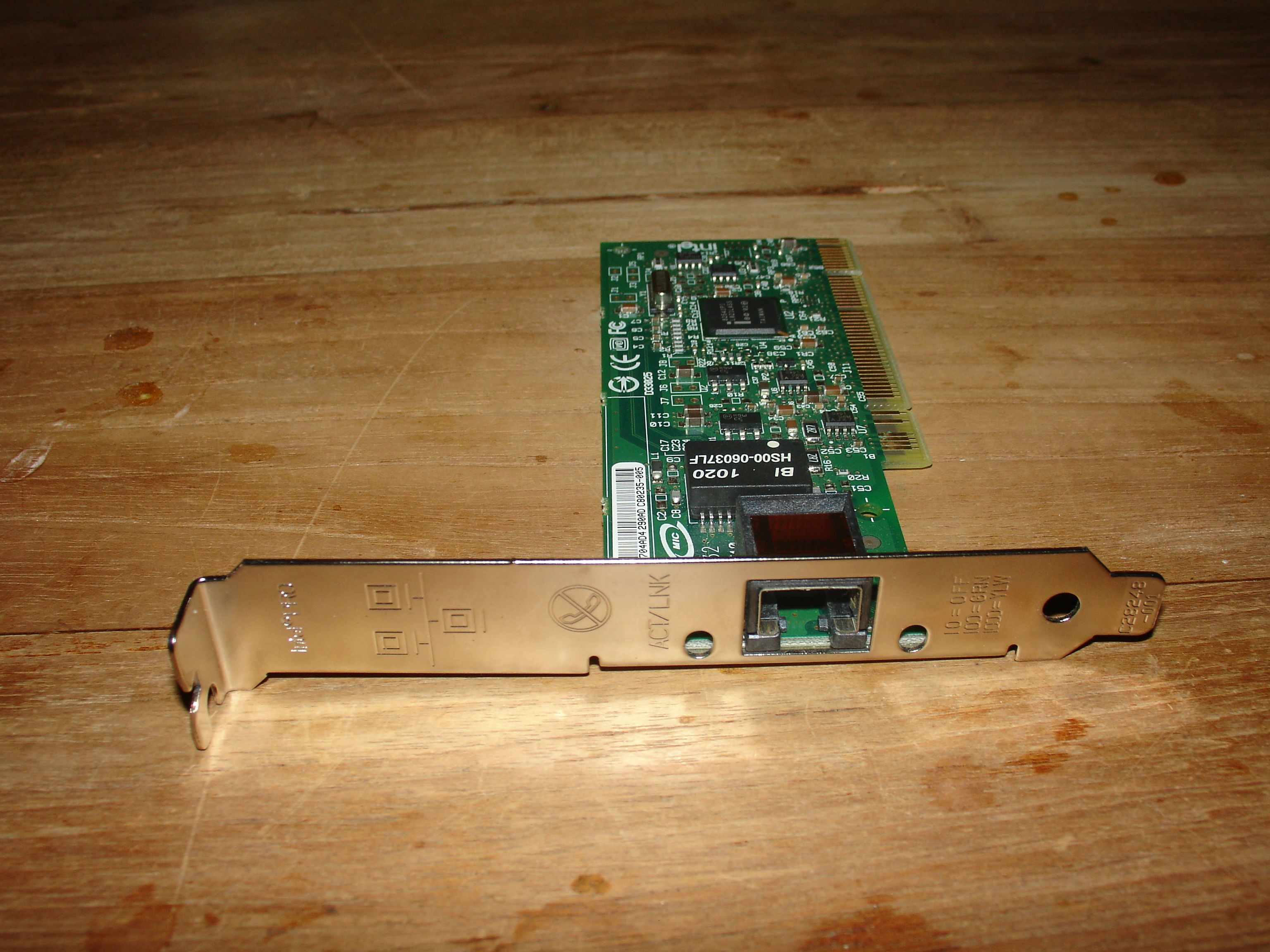
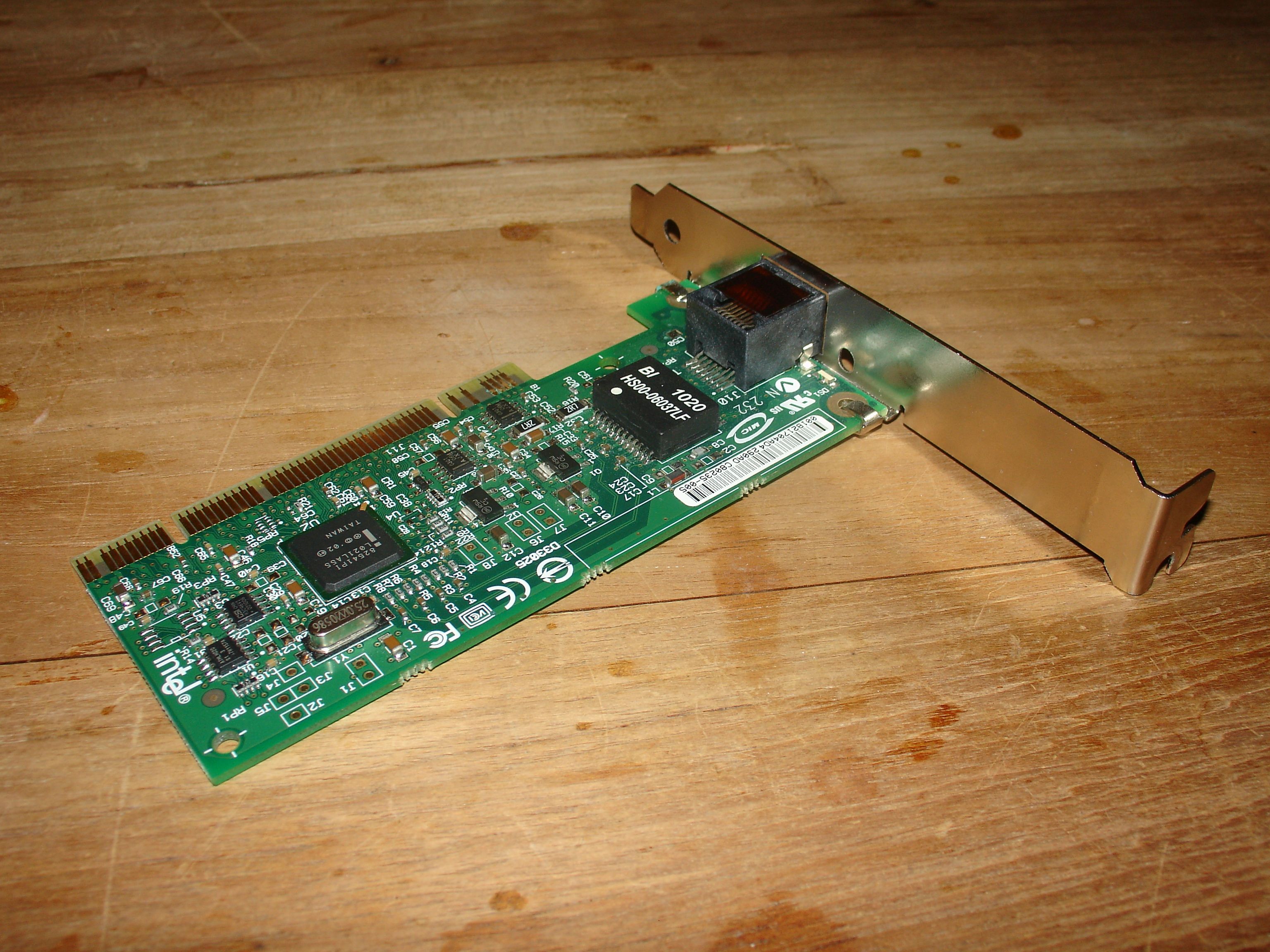
Intel Pro/100+ Server Adapter
1x Seagate Barracuda V 40 GB 7200 rpm Ultra ATA 133 HDD @ Ultra ATA 100
1x Seagate Barracuda V 80GB 7200.7 rpm Ultra ATA 133 HDD @ Ultra ATA 100
36x A-Open CD-Rom Drive
Plextor PlexWriter 12/10/32A
Addtronics 7896A Server Tower
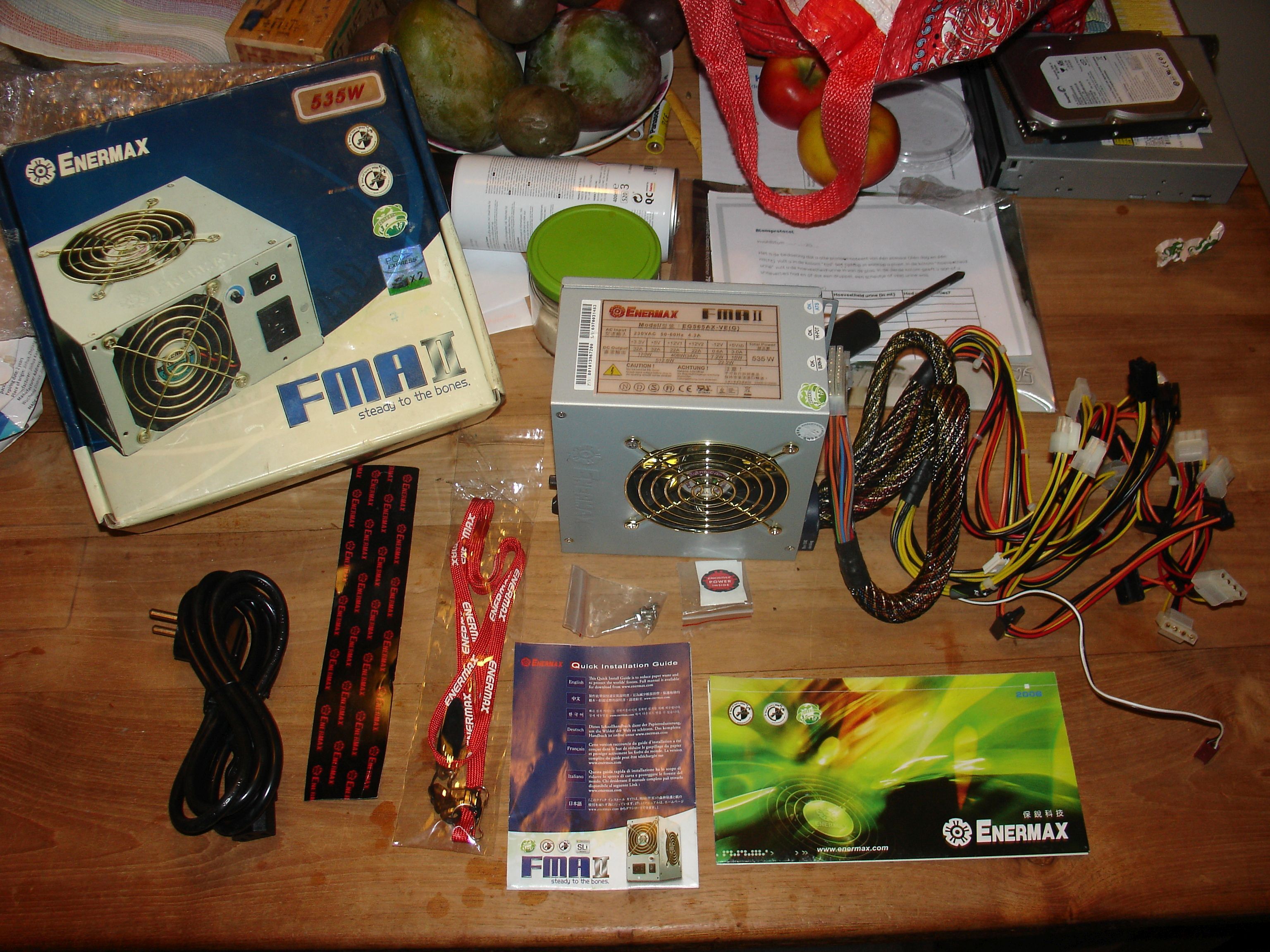
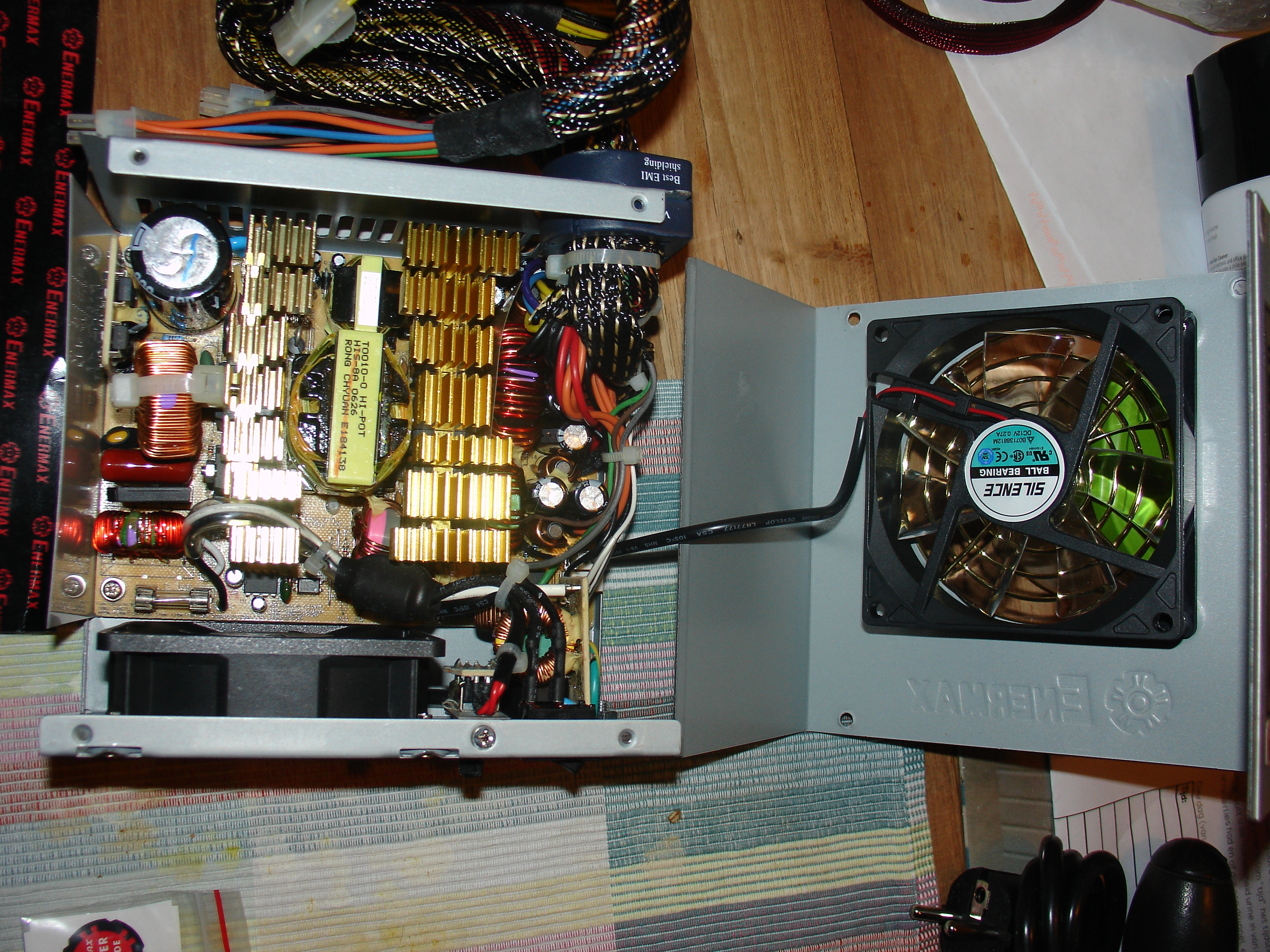
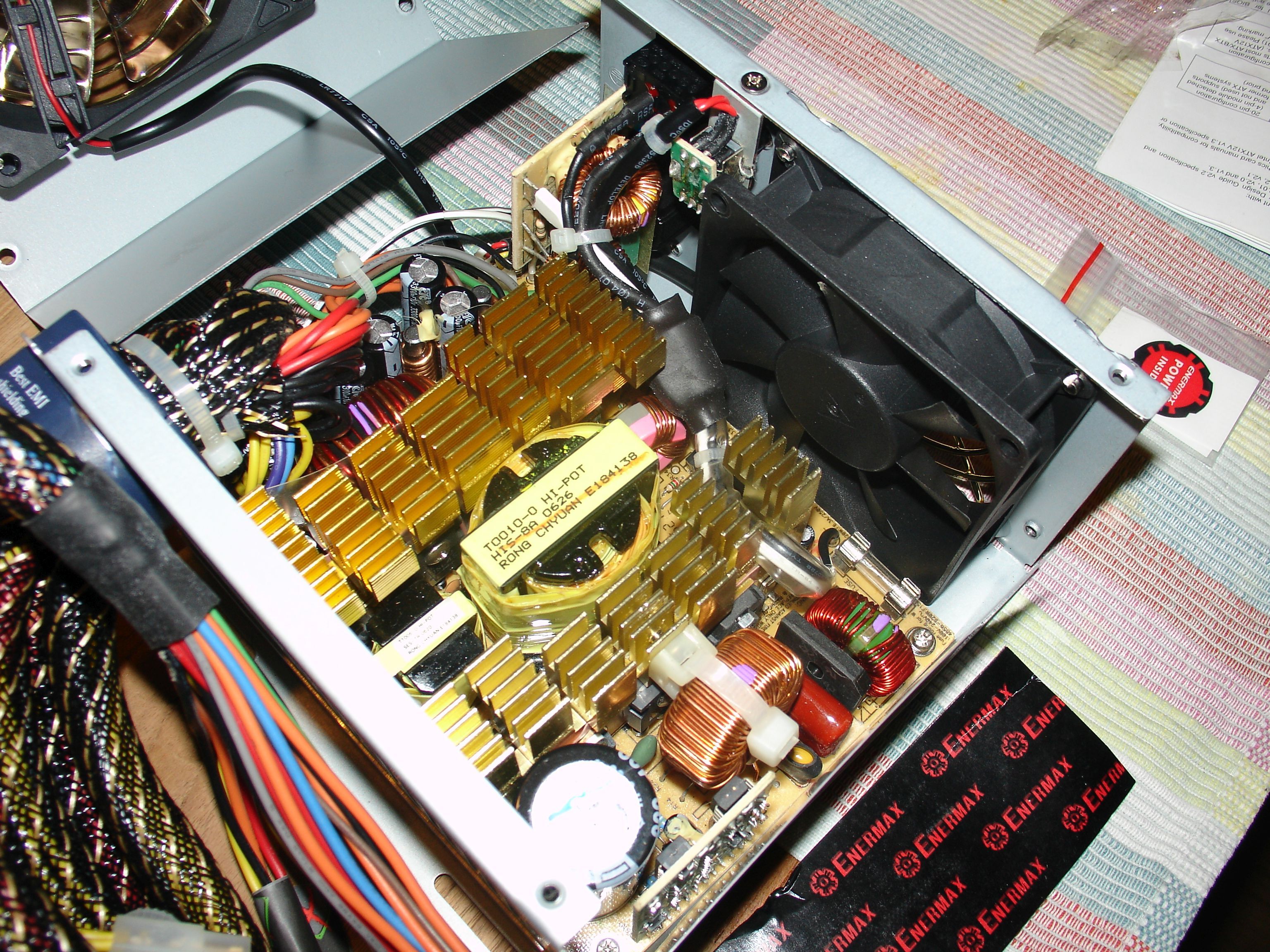
Enermax 550 Watt PSU
iiyama Vision Master Pro 452 19" Trinitron CRT @ 1600x1200x32 @ 100Hz

Windows 2000 Professional USA + Service Pack 1
S3 Savage 2000 Drivers for Win2K.

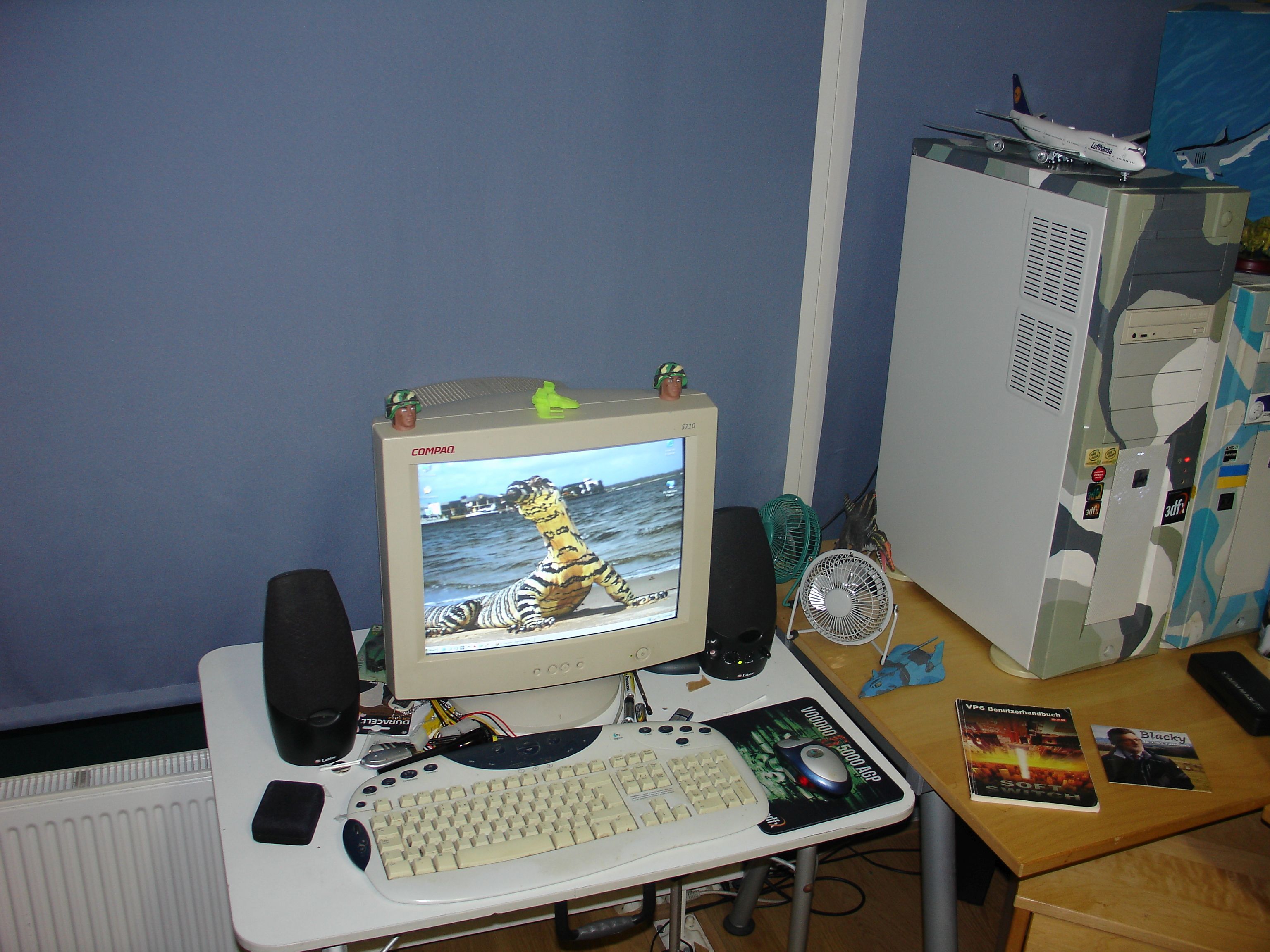
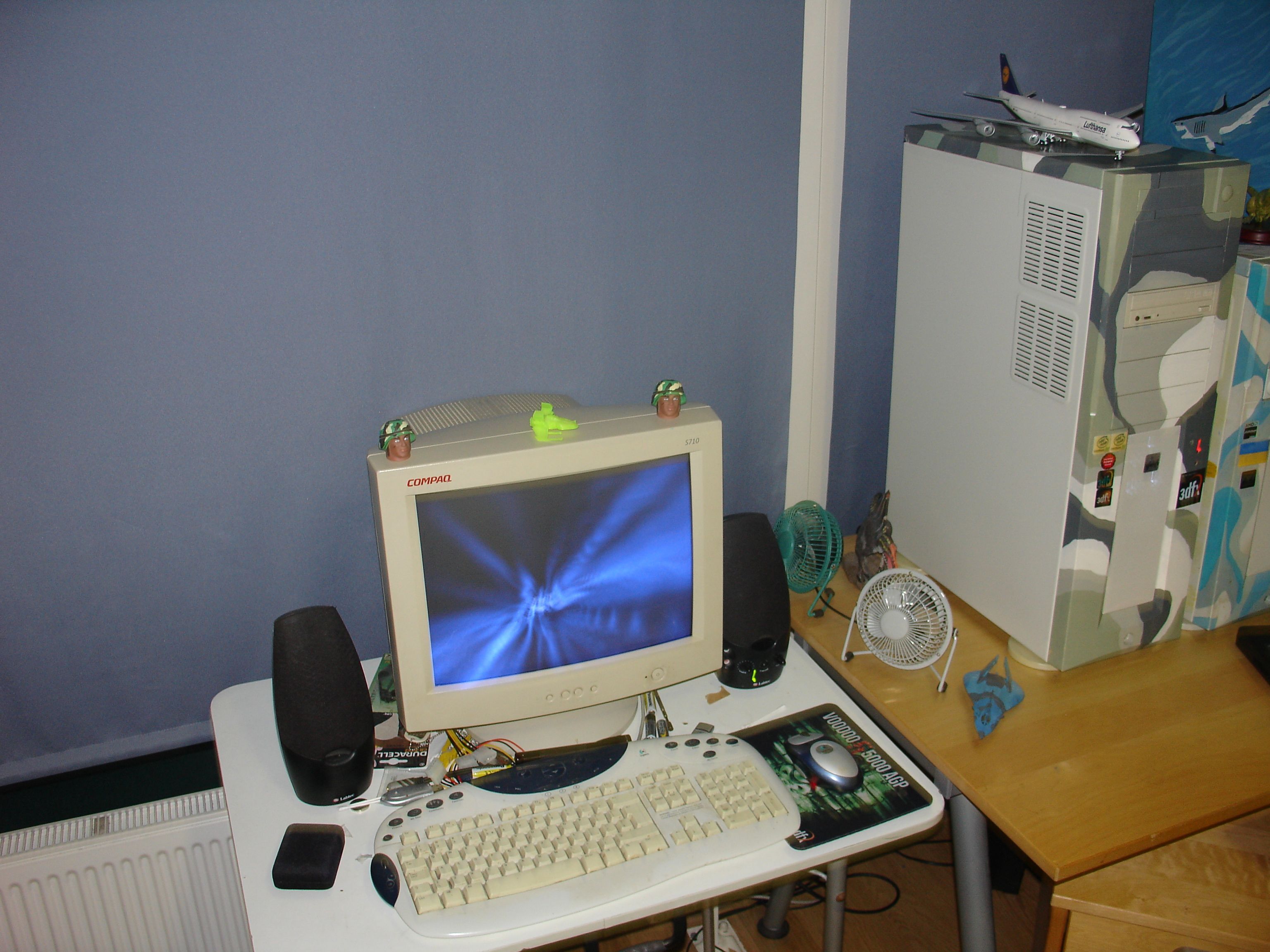
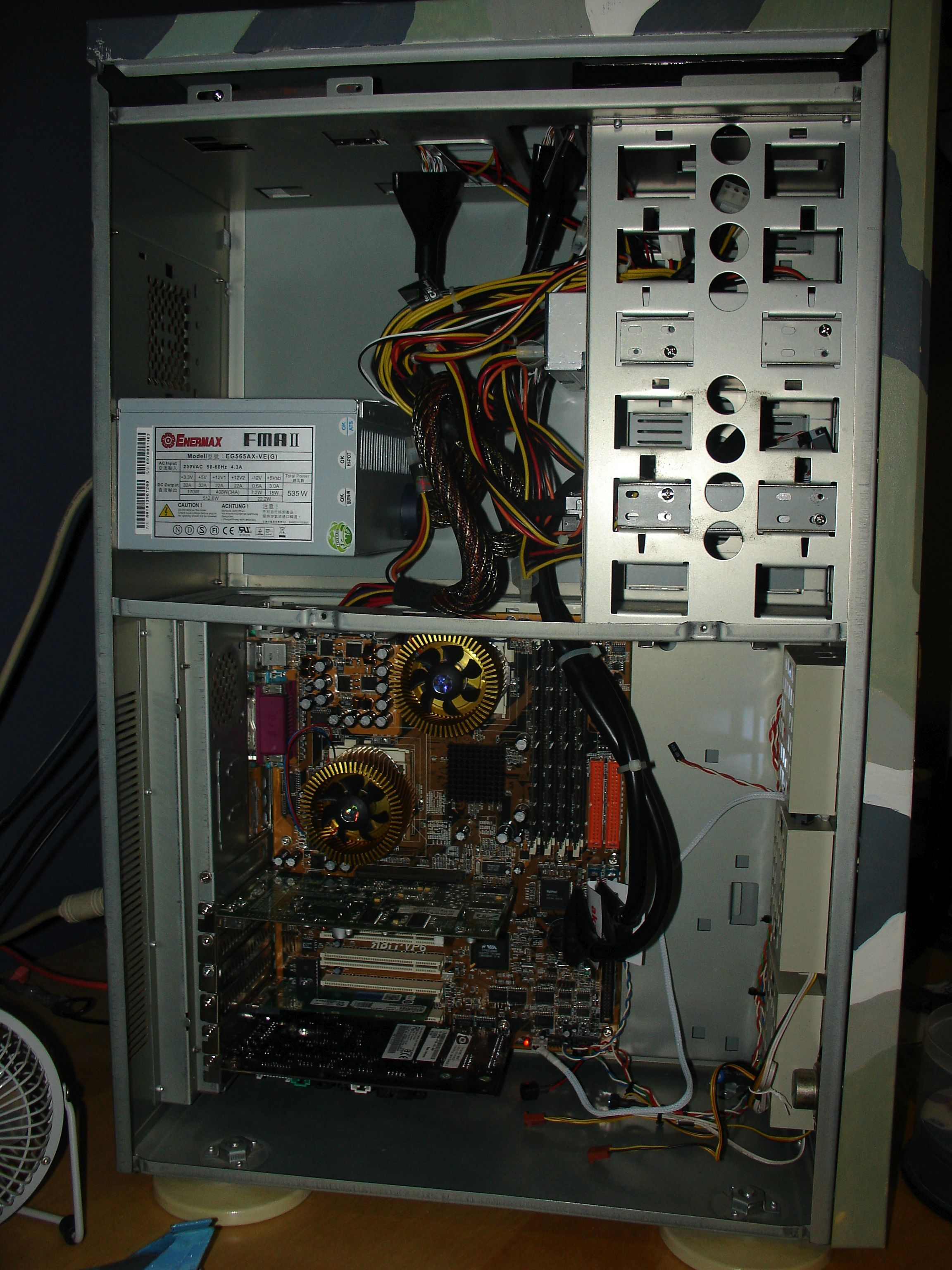
From 2003 to 2005 this system ran as file server 24/7 at a friend's company II sold it to him for 550 in May of 2003 and bought it back for 100 Eur incl the Addtronics 7896A and this layout in August of 2008:

Gradinko SMP 2000

2x Intel Pentium!!!/EB 1Ghz Coppermine, 2x 256KB L2
ABiT VP6 Raid Ver 1.0
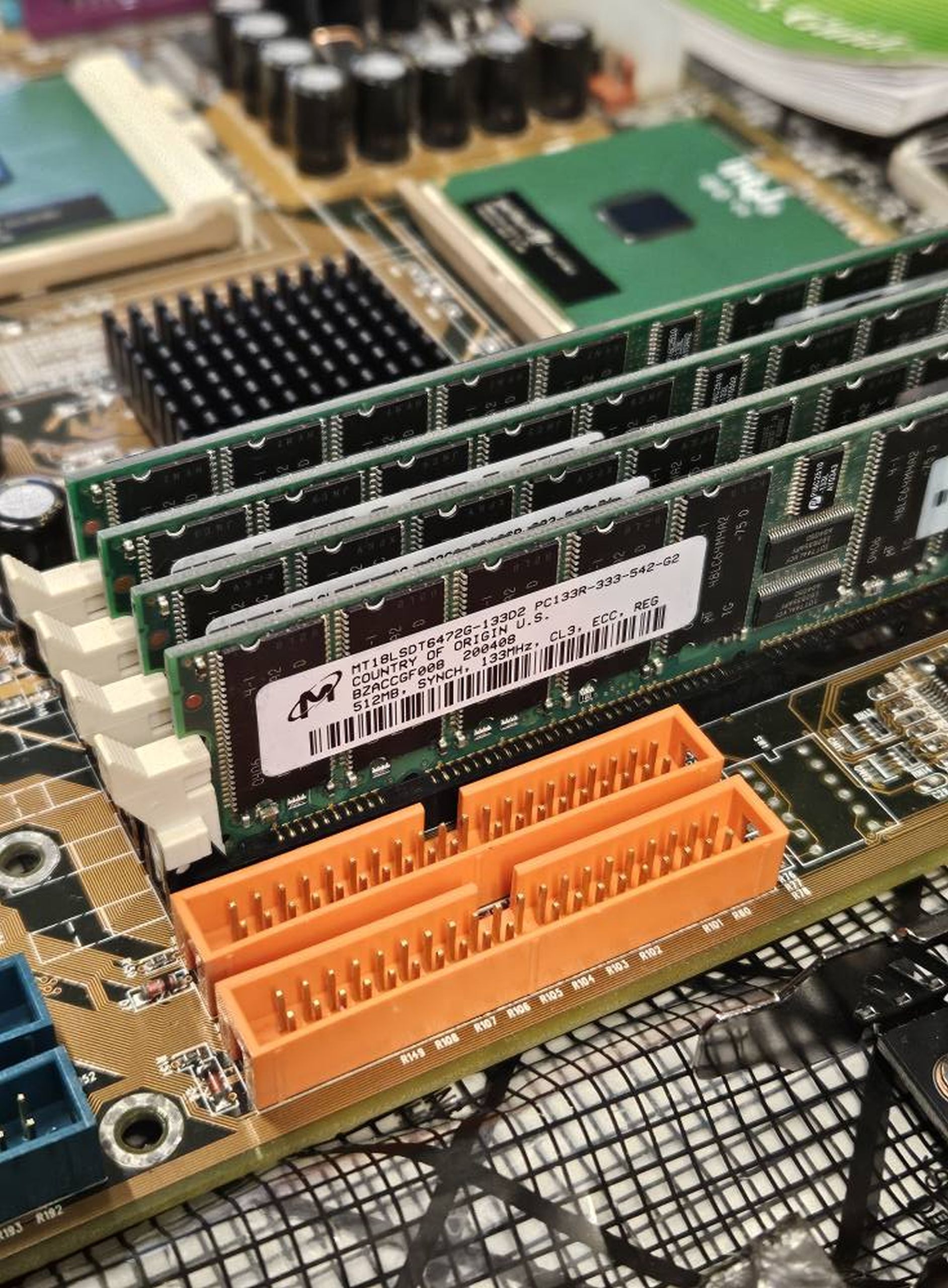
4x 512MB PC-133 ECC Reg CL2 HP/MIcron
Matrox Parhelia AGP 256MB 256Bit Rev.A 2504
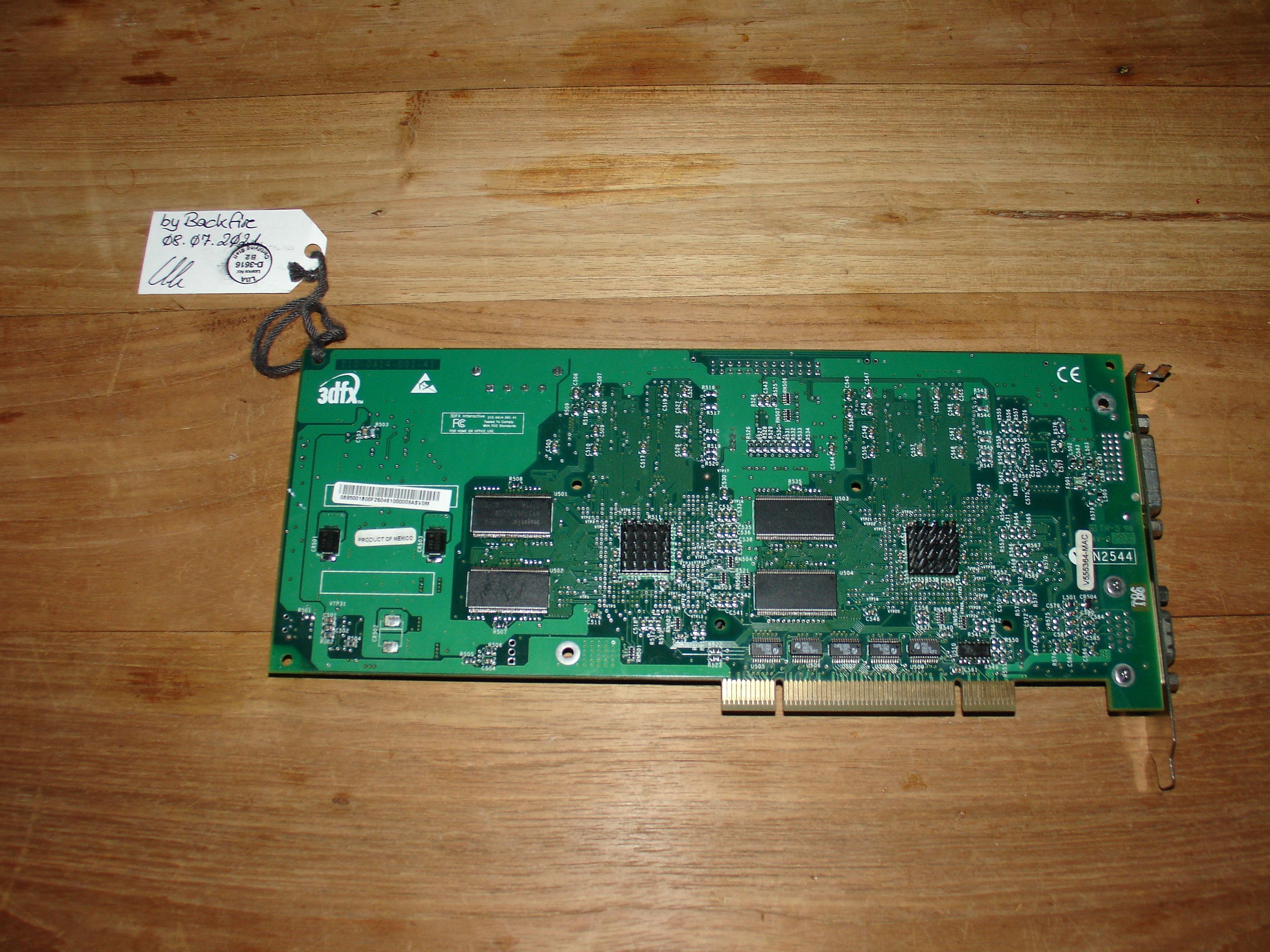
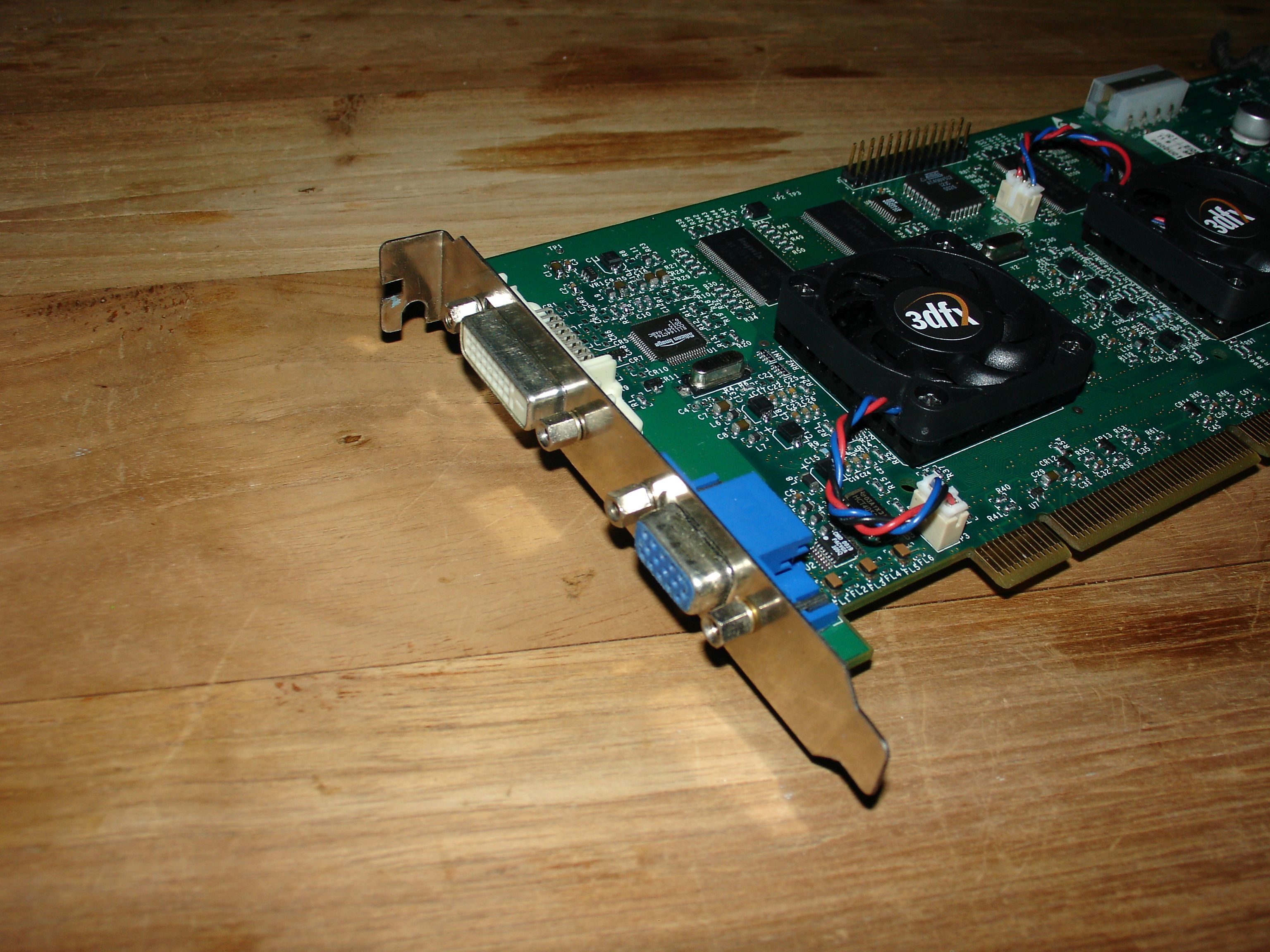
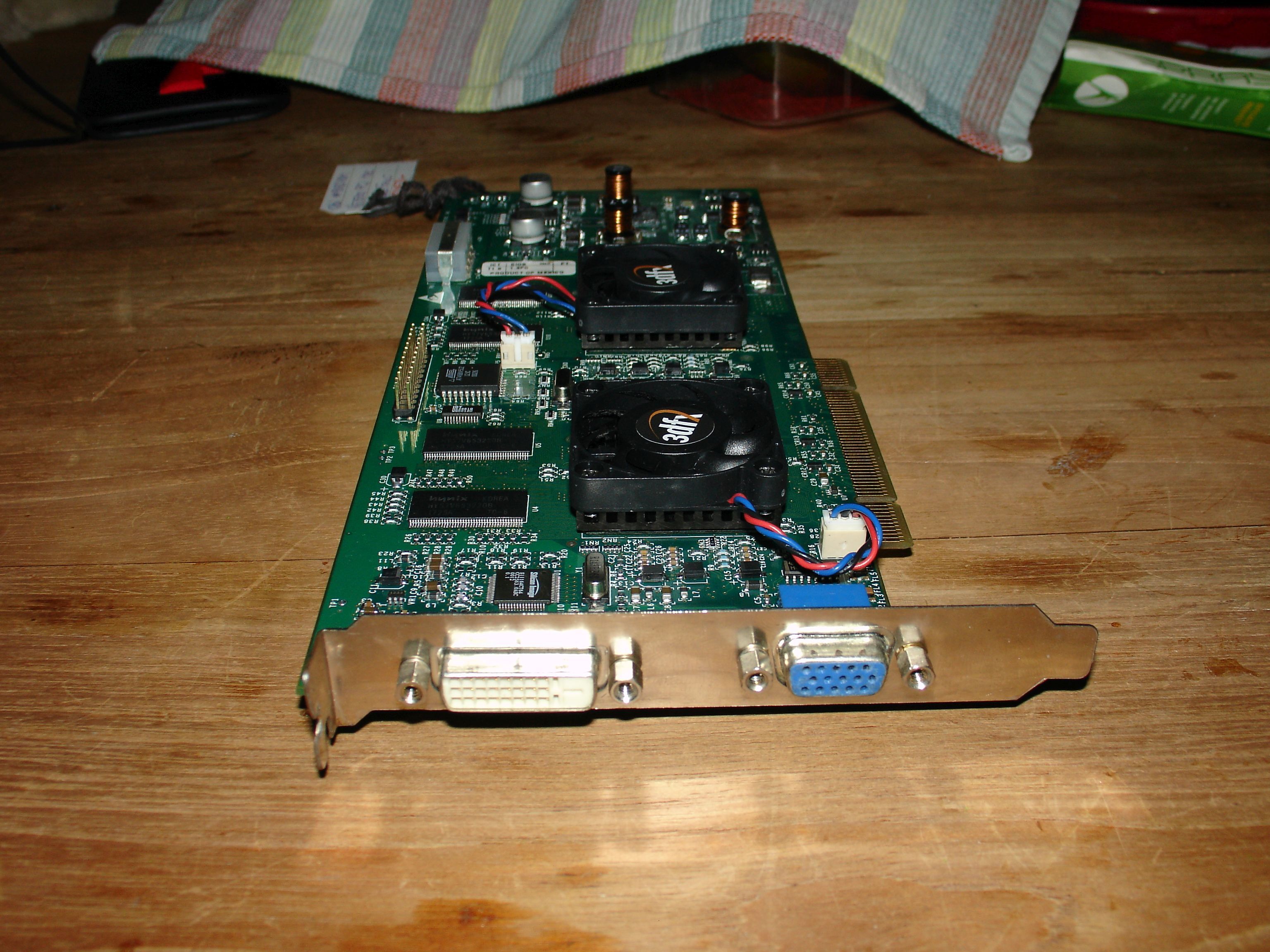
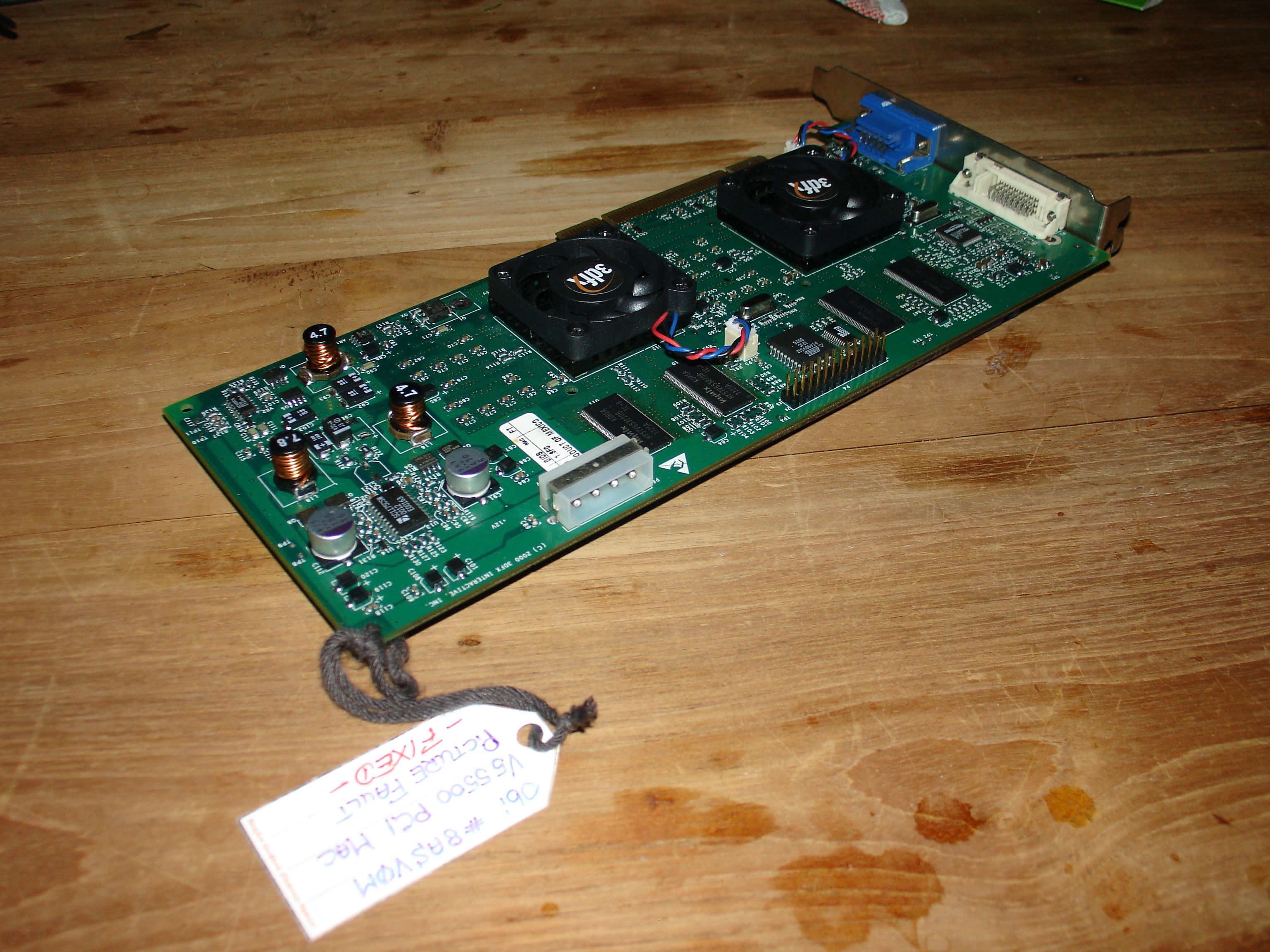
3dfx Voodoo5 5500 PCI 64MB Rev.A1 2900
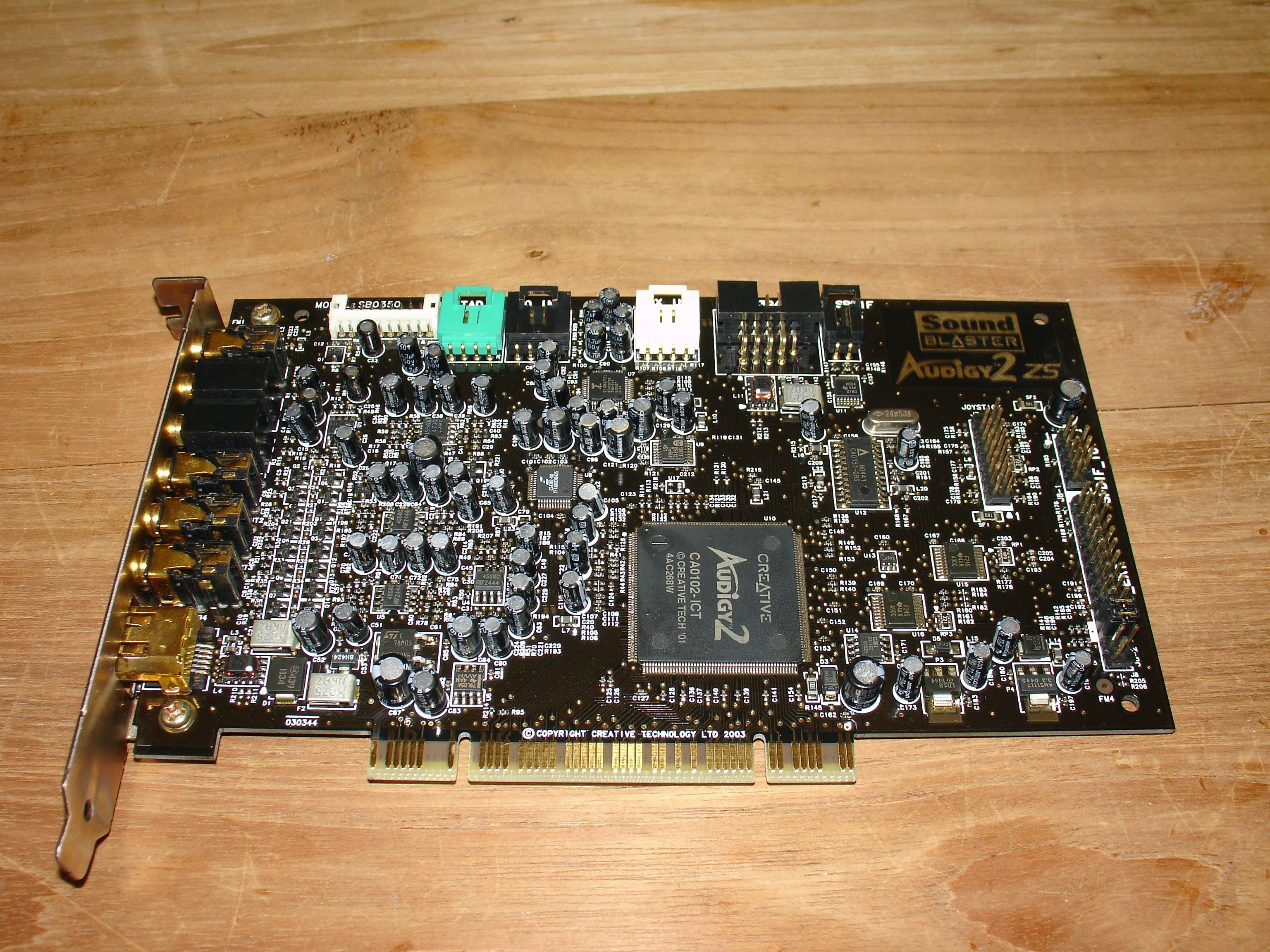
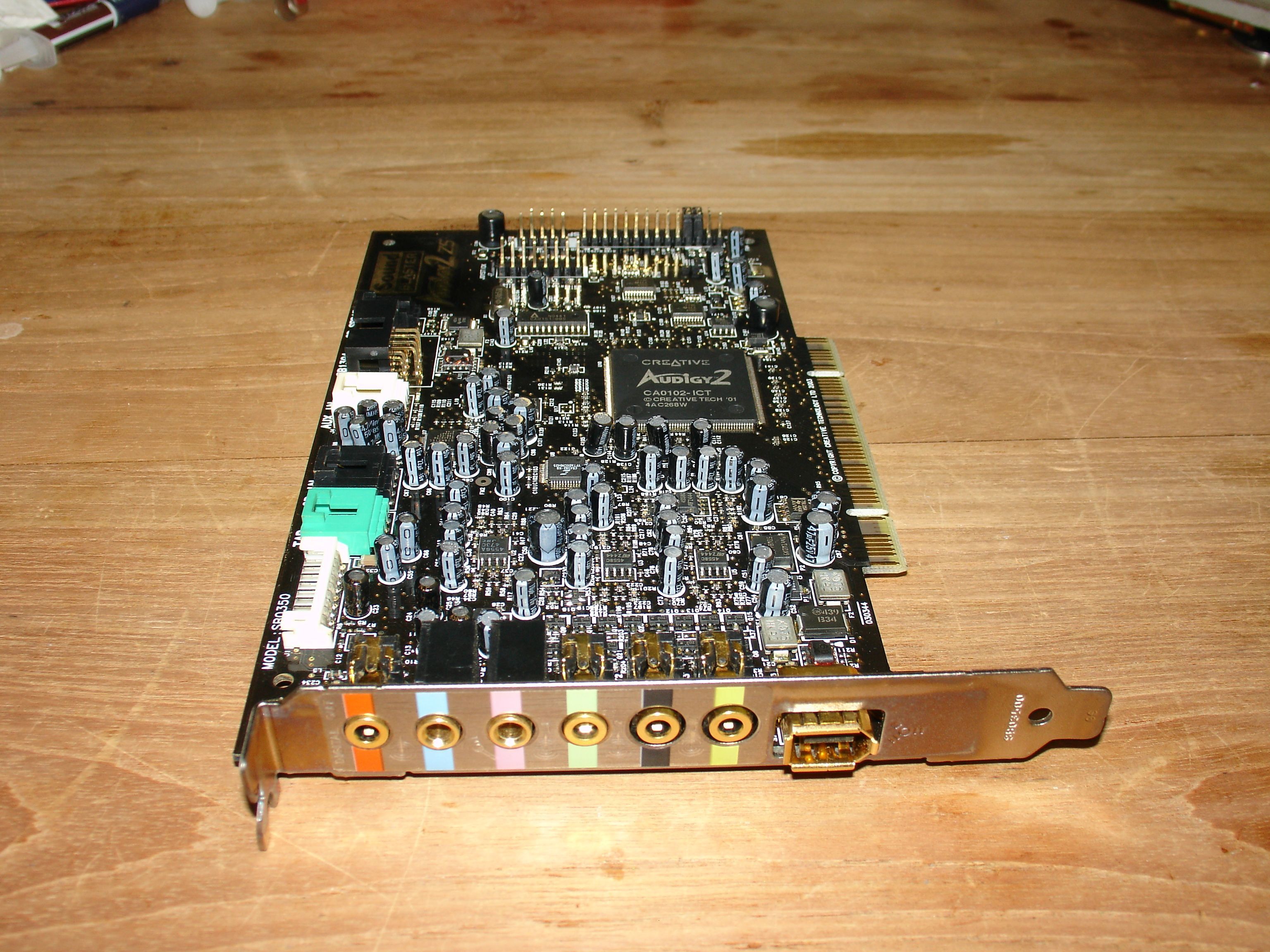
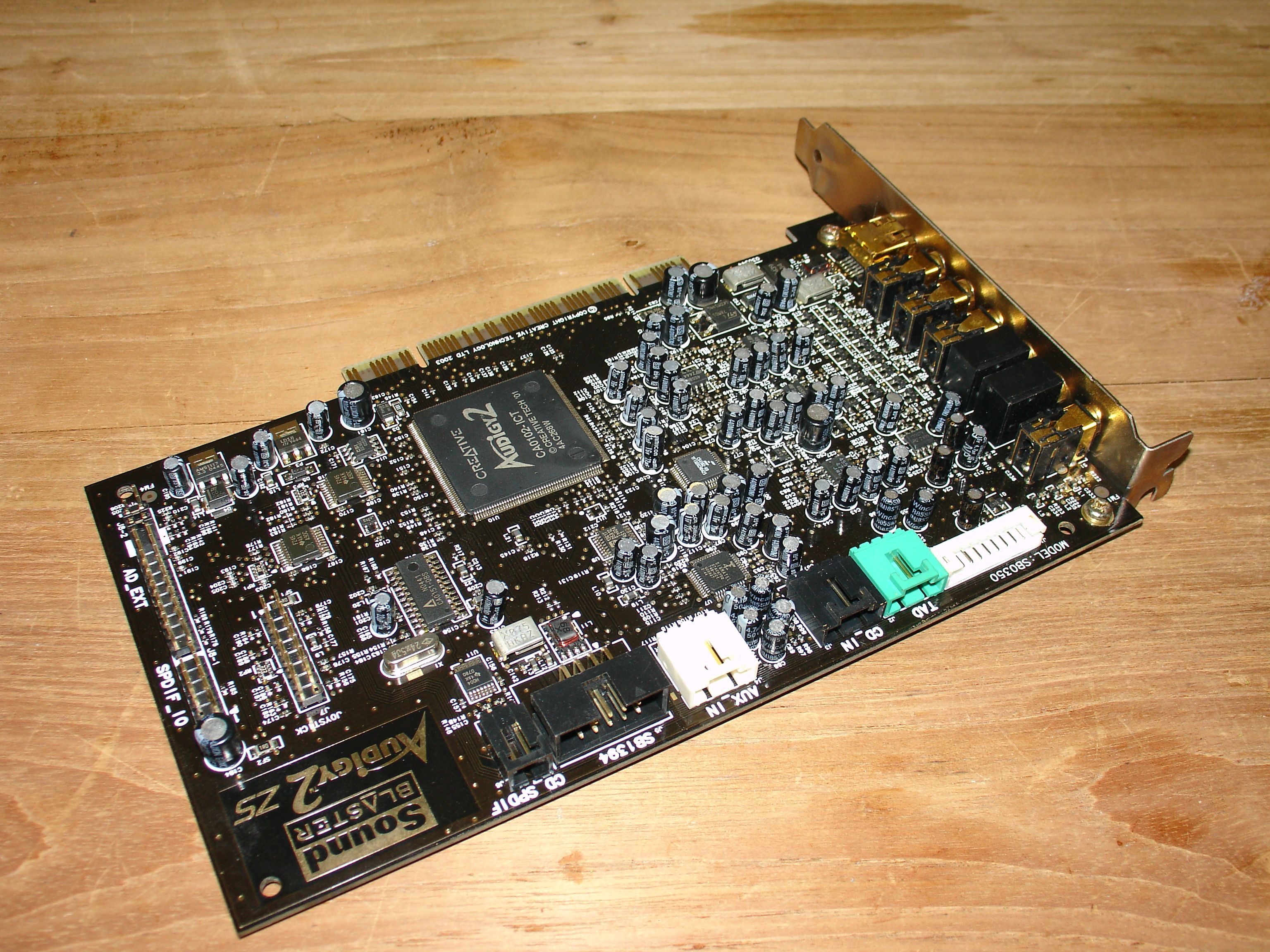
Creative Sound Blaster Audigy2 Platinum
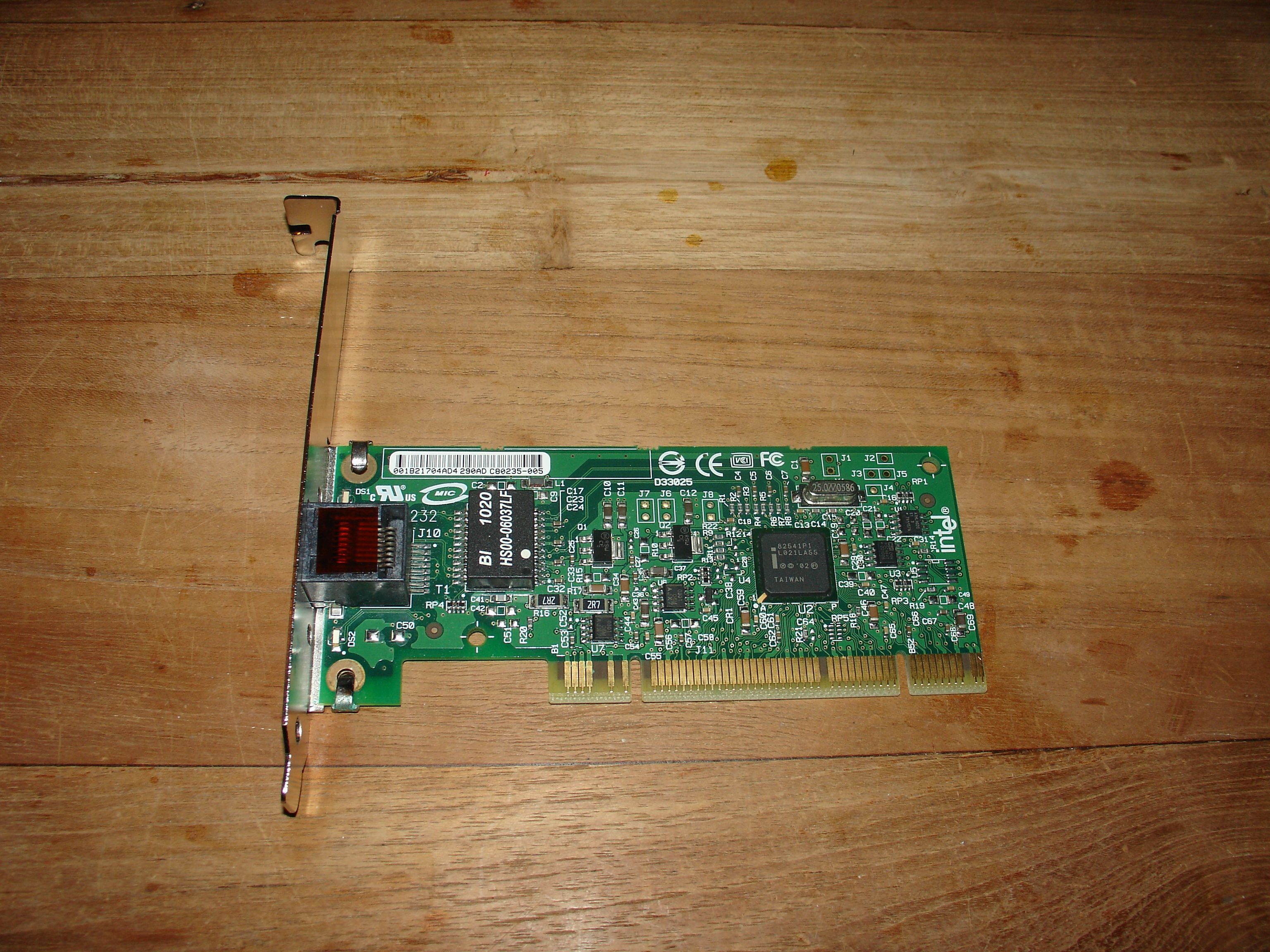
Intel Pro/100+ Server Adapter
1x Seagate Barracuda V 80 GB 7200 rpm Ultra ATA 133 HDD @ Ultra ATA 100
1x Seagate Barracuda V 120GB 7200.7 rpm Ultra ATA 133 HDD @ Ultra ATA 100
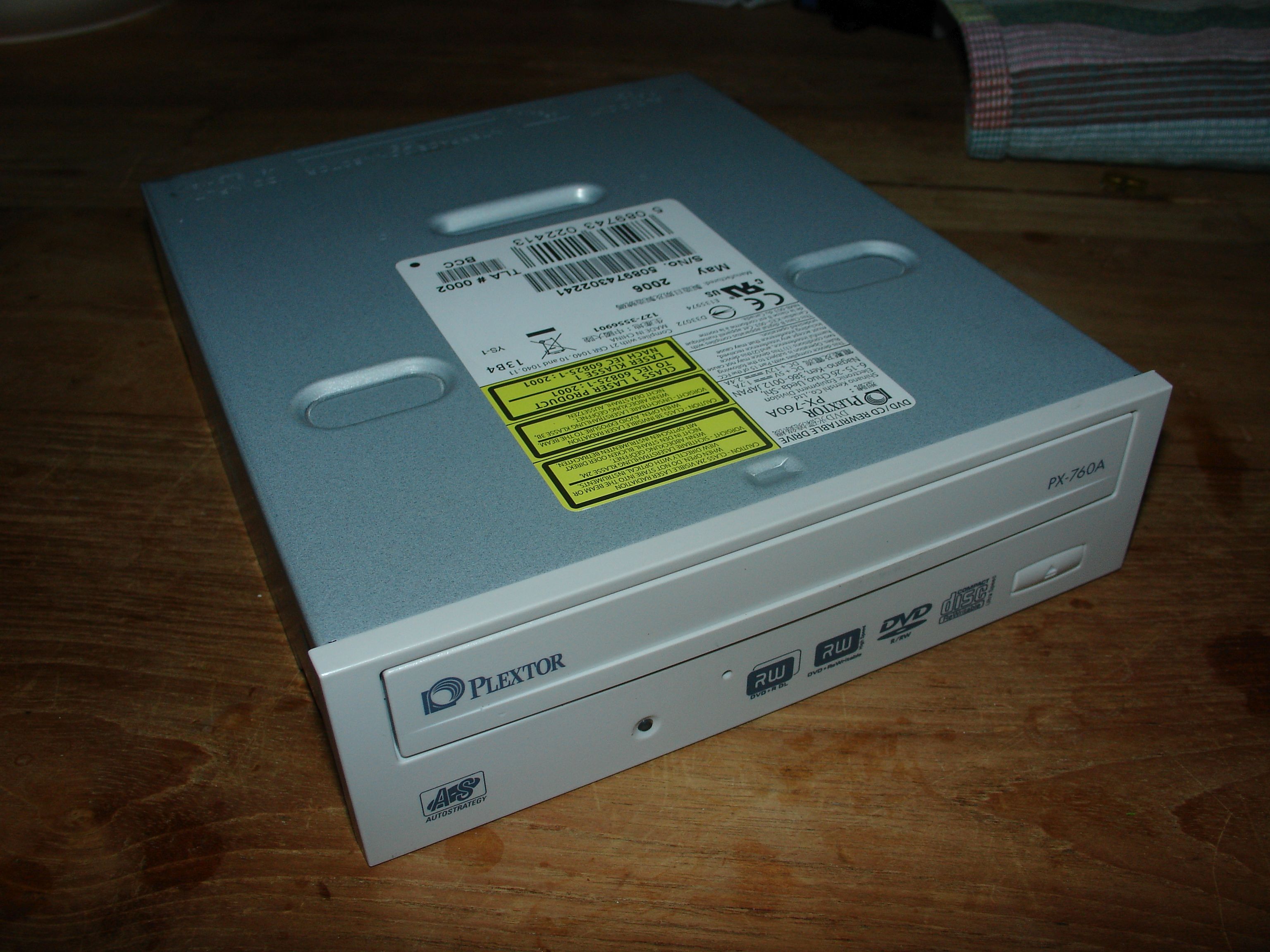
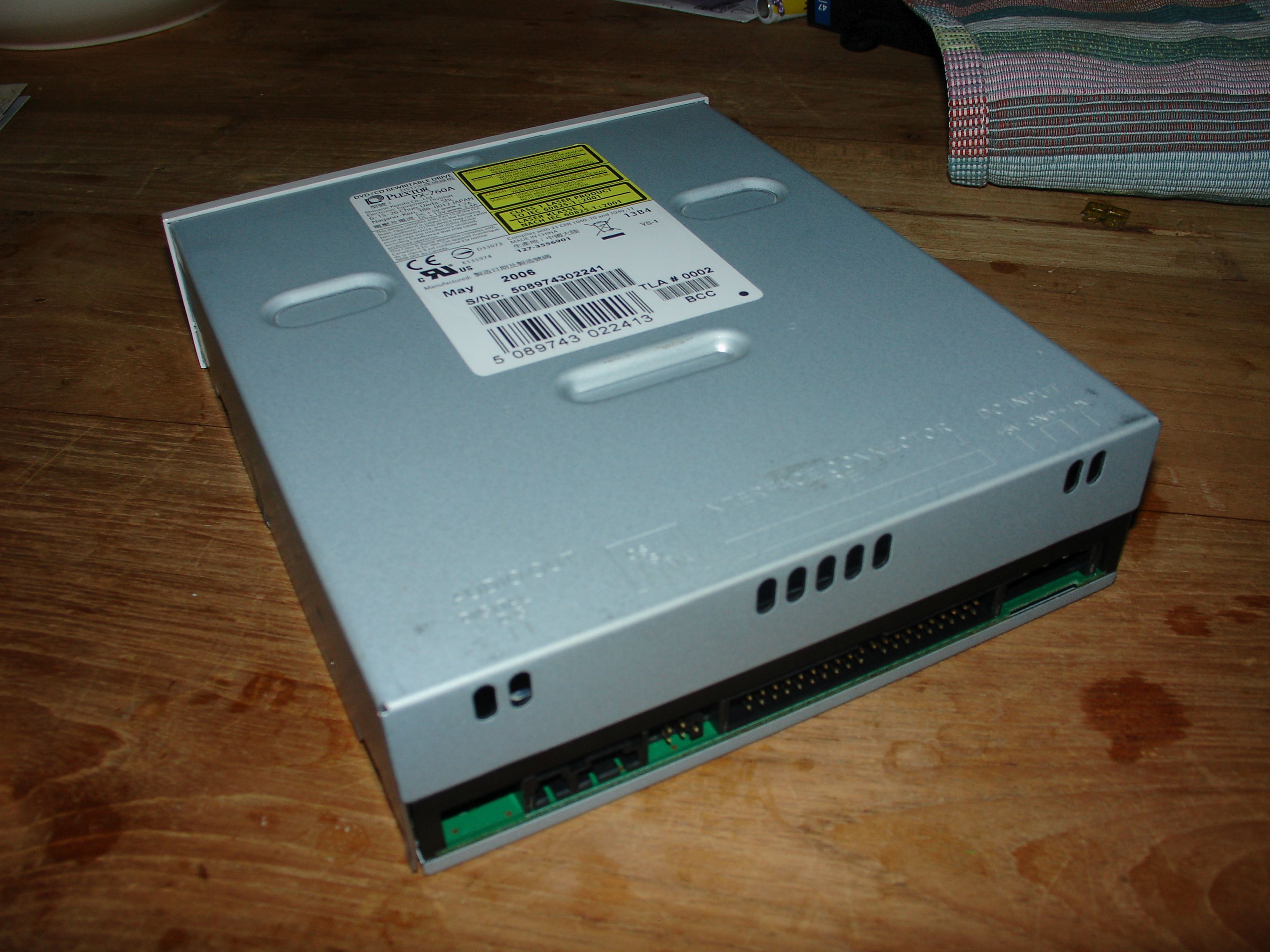
NEC 2500A 40x / 16x CD/DVD-RW Drive
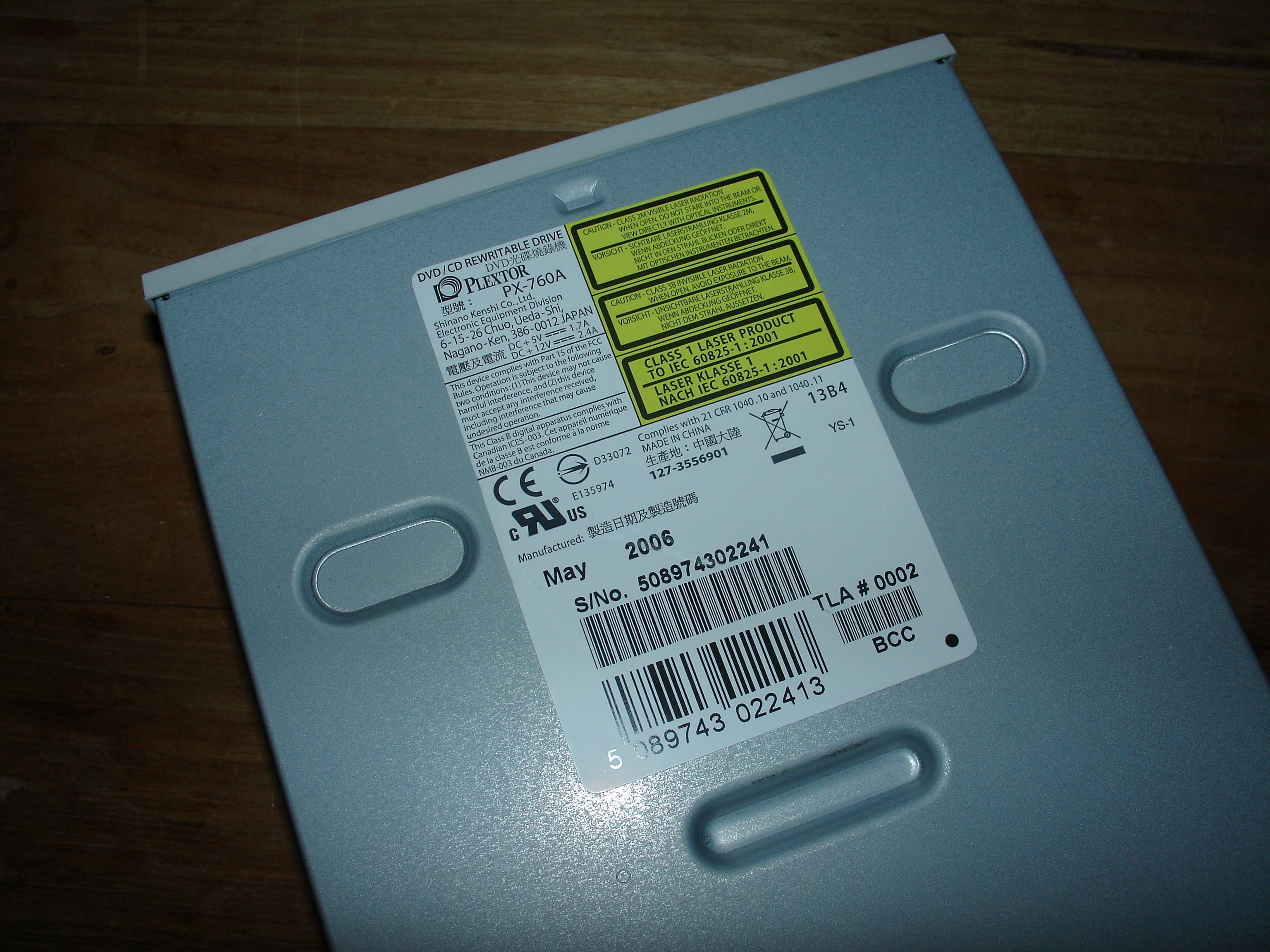
Plextor PlexWriter 48/24/48 CD-RW Drive
Addtronics 7896A Server Tower
Enermax 550 Watt PSU
iiyama Vision Master Pro 452 19" Trinitron CRT @ 1600x1200x32 @ 100Hz

Windows XP Professional + SP3
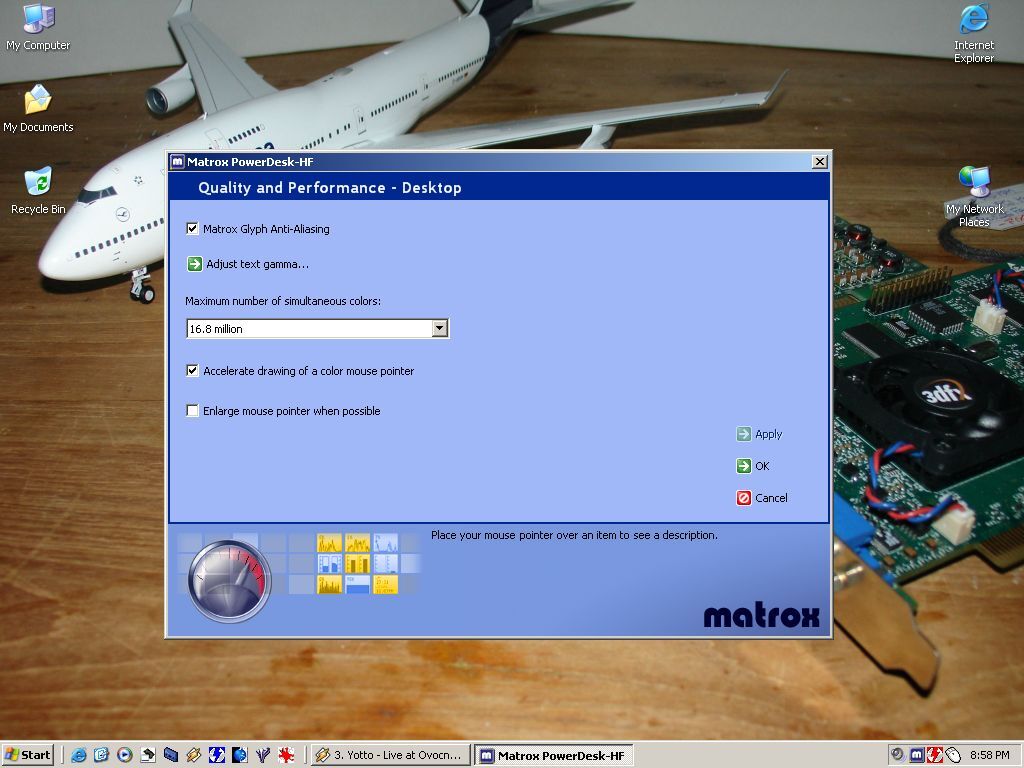
Matrox Power Desk 1.5.0.107 from September 2003 for the Parhelia
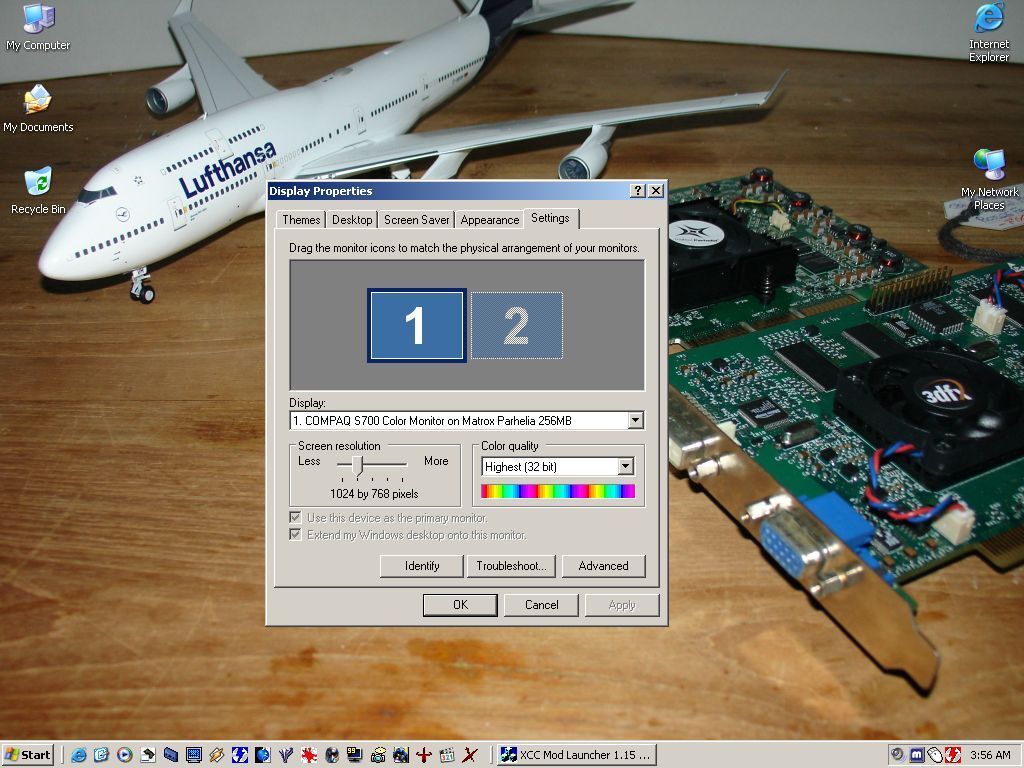
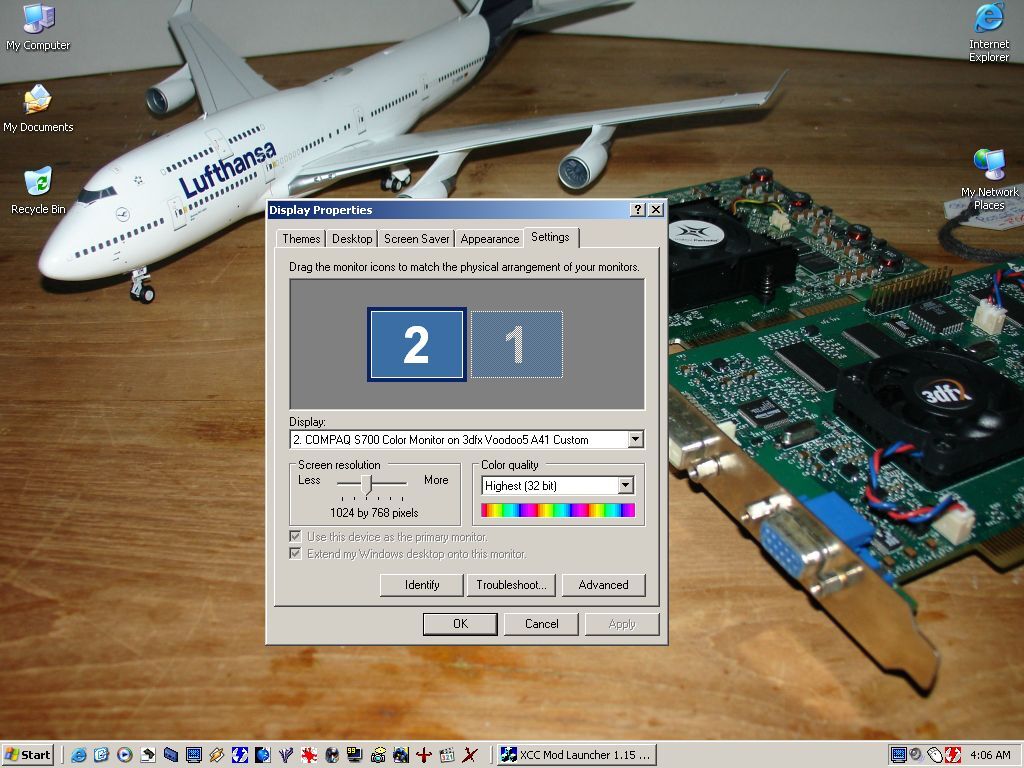
AmigaMerlin 3.1 R11 for the V5 PCI Mac and later SFFT Alpha 41 modified by ps47 & myself after 2010
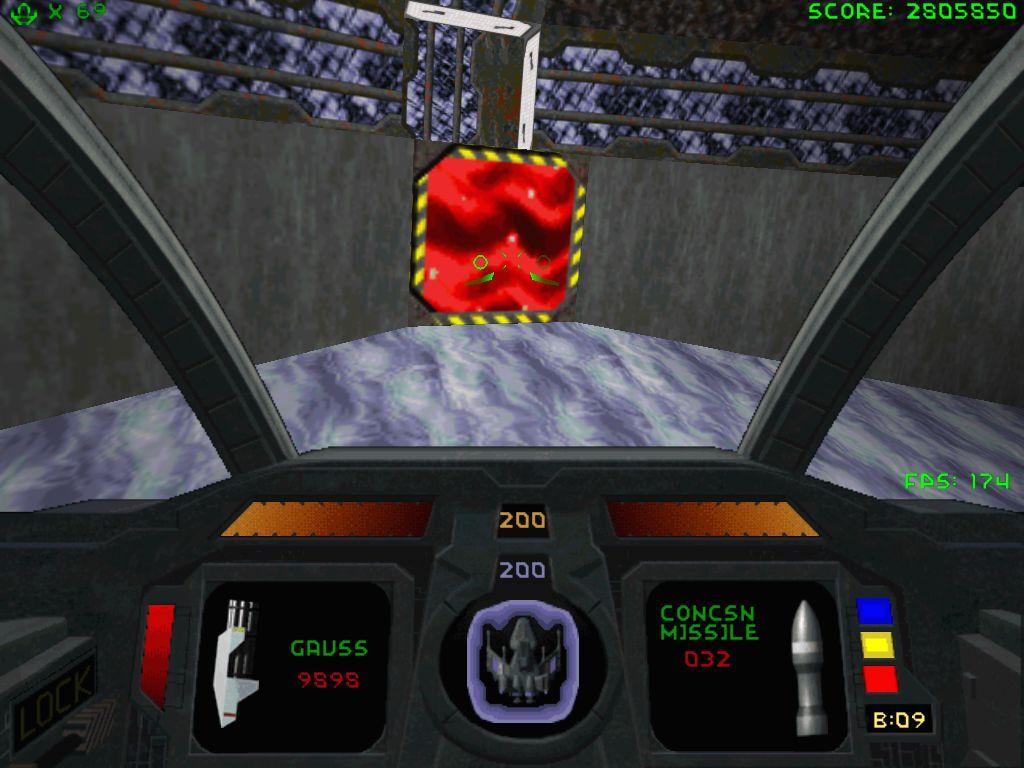
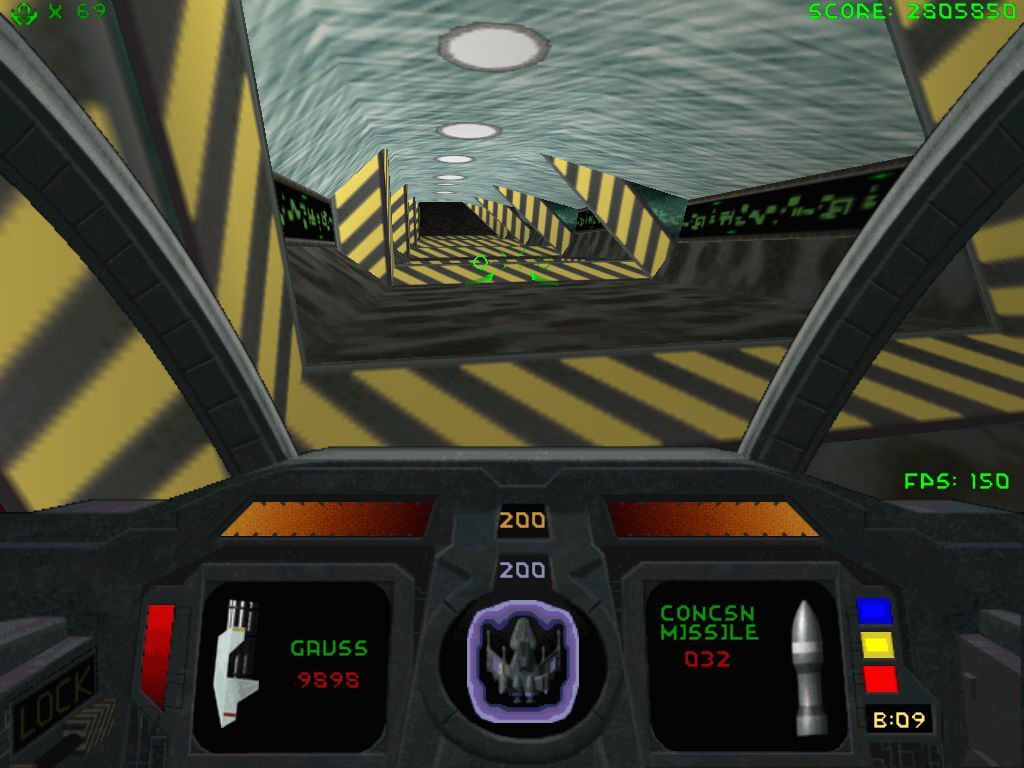
This driver added OpenGL ES 1.2 support so Descent 1 &2 with DXX Rebirth could be played.

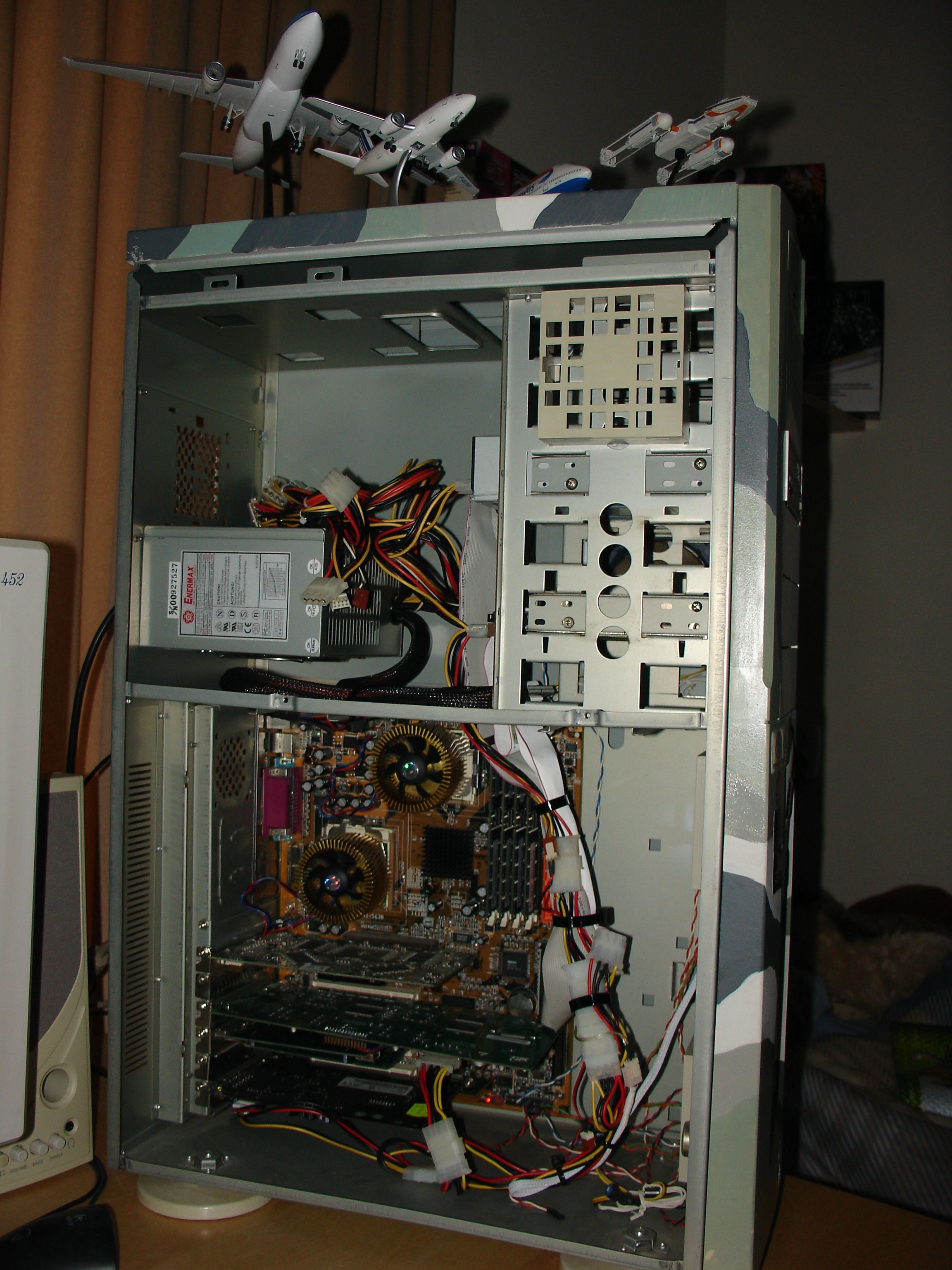
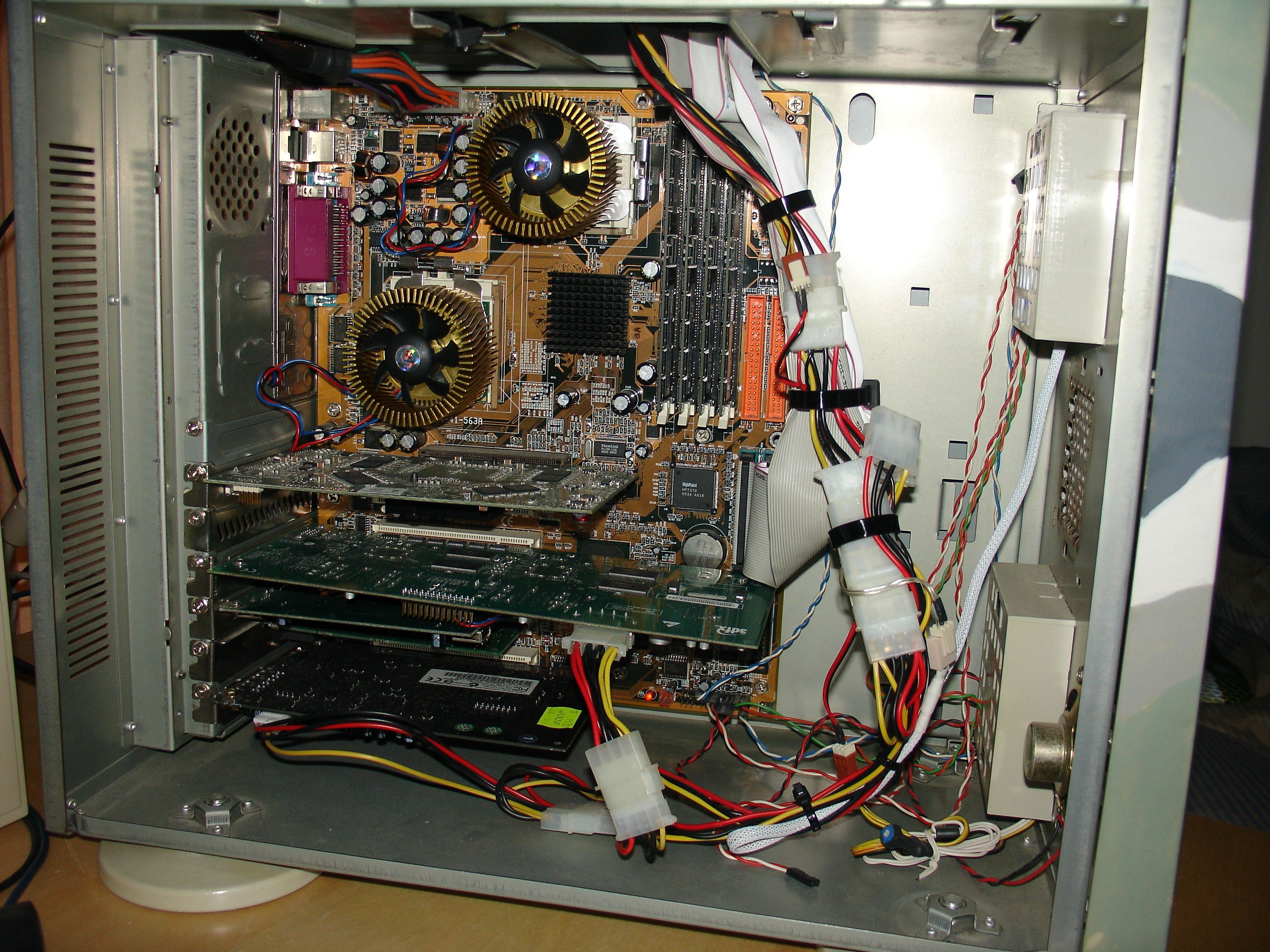
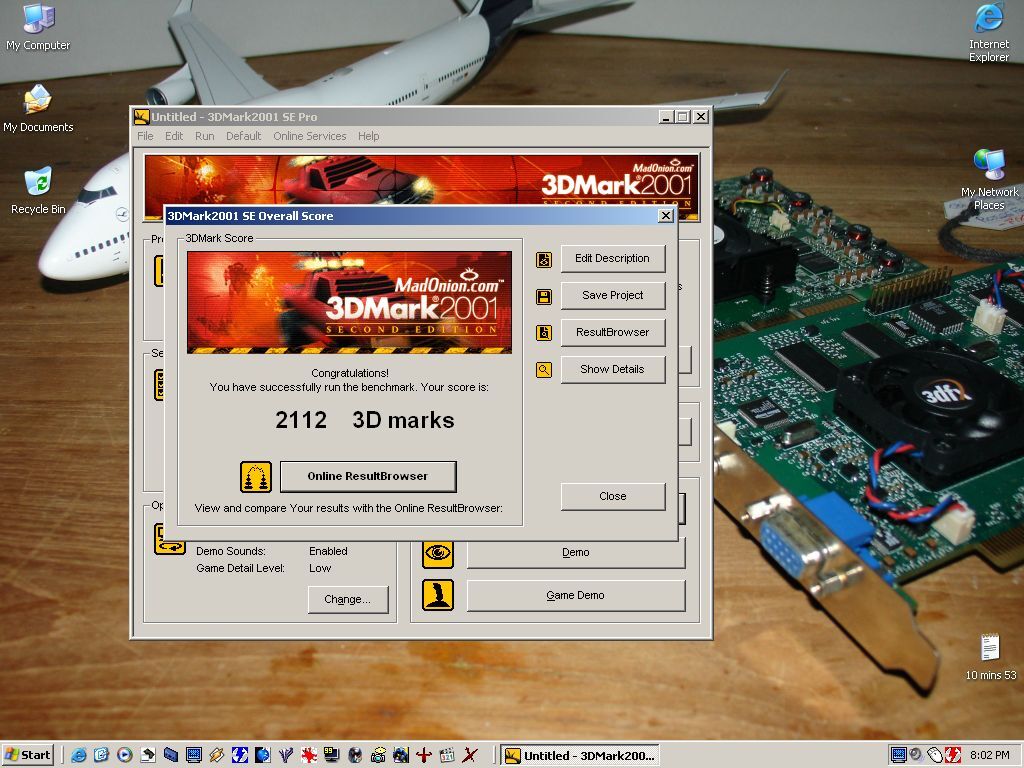
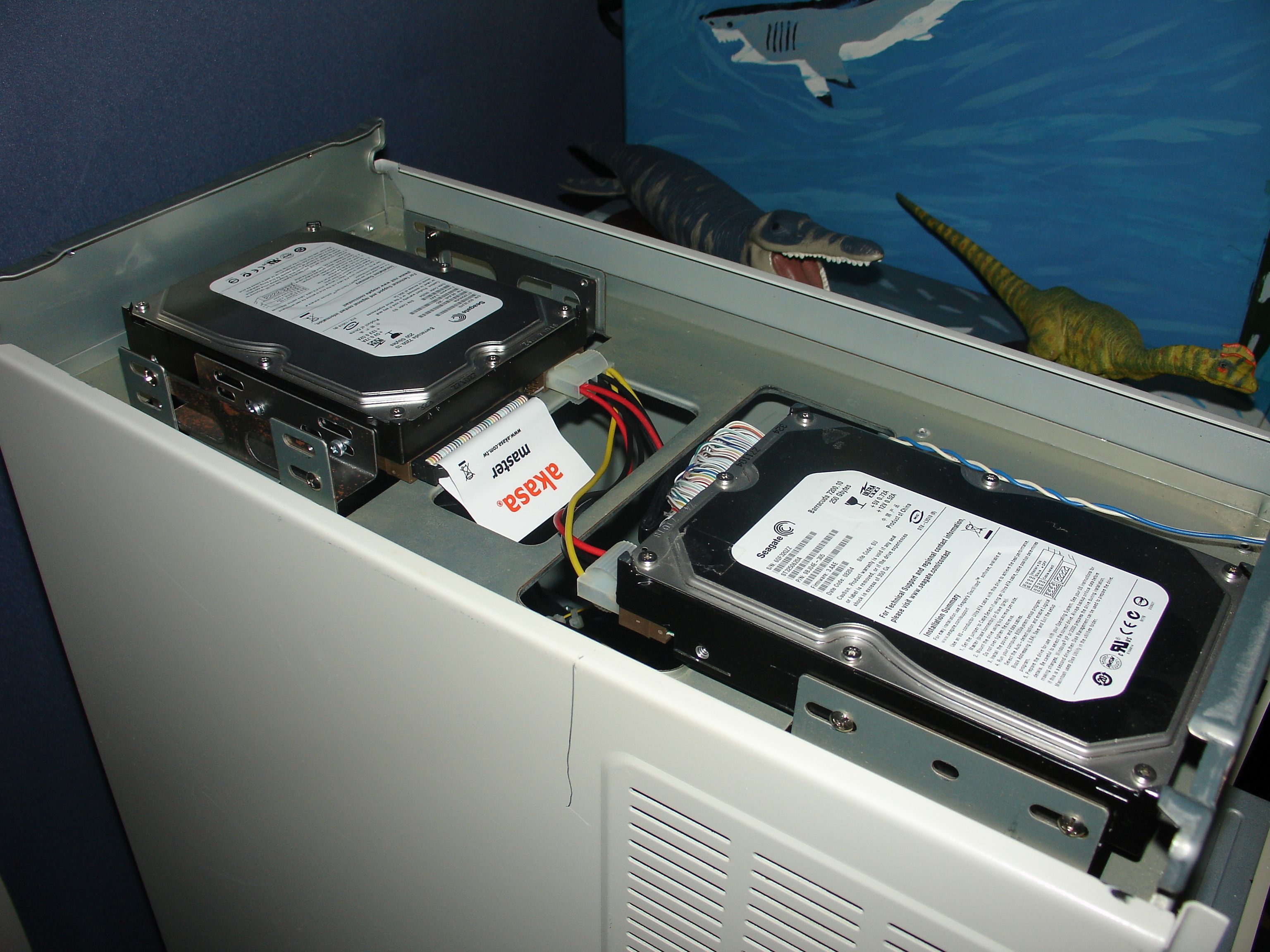
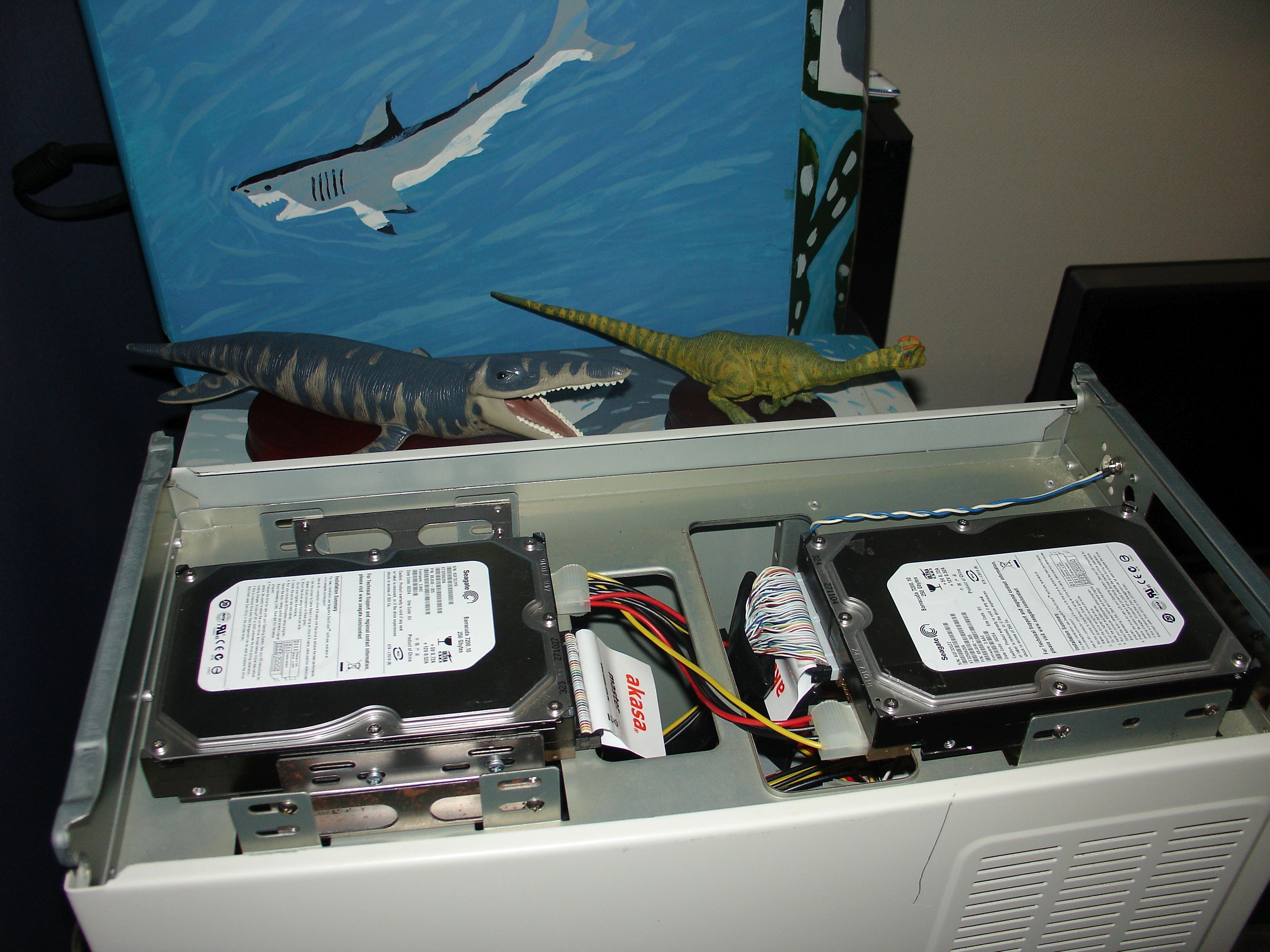
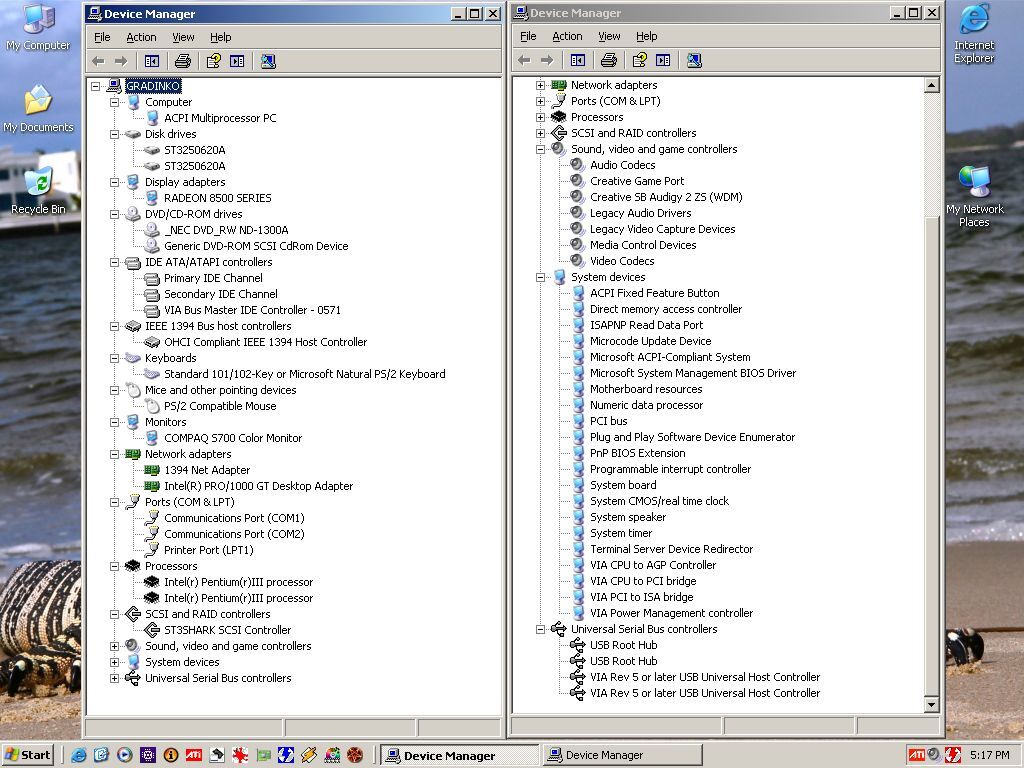
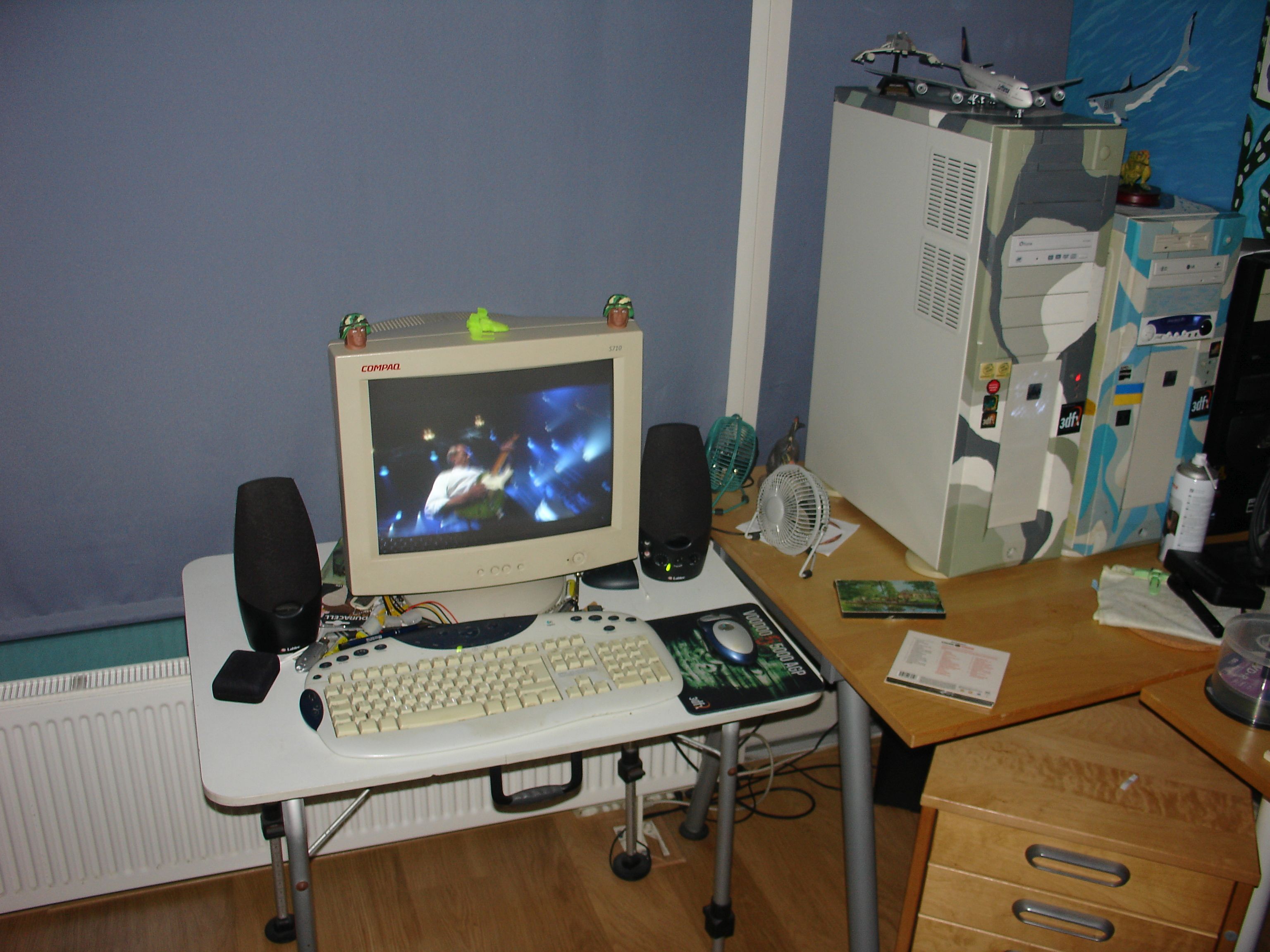
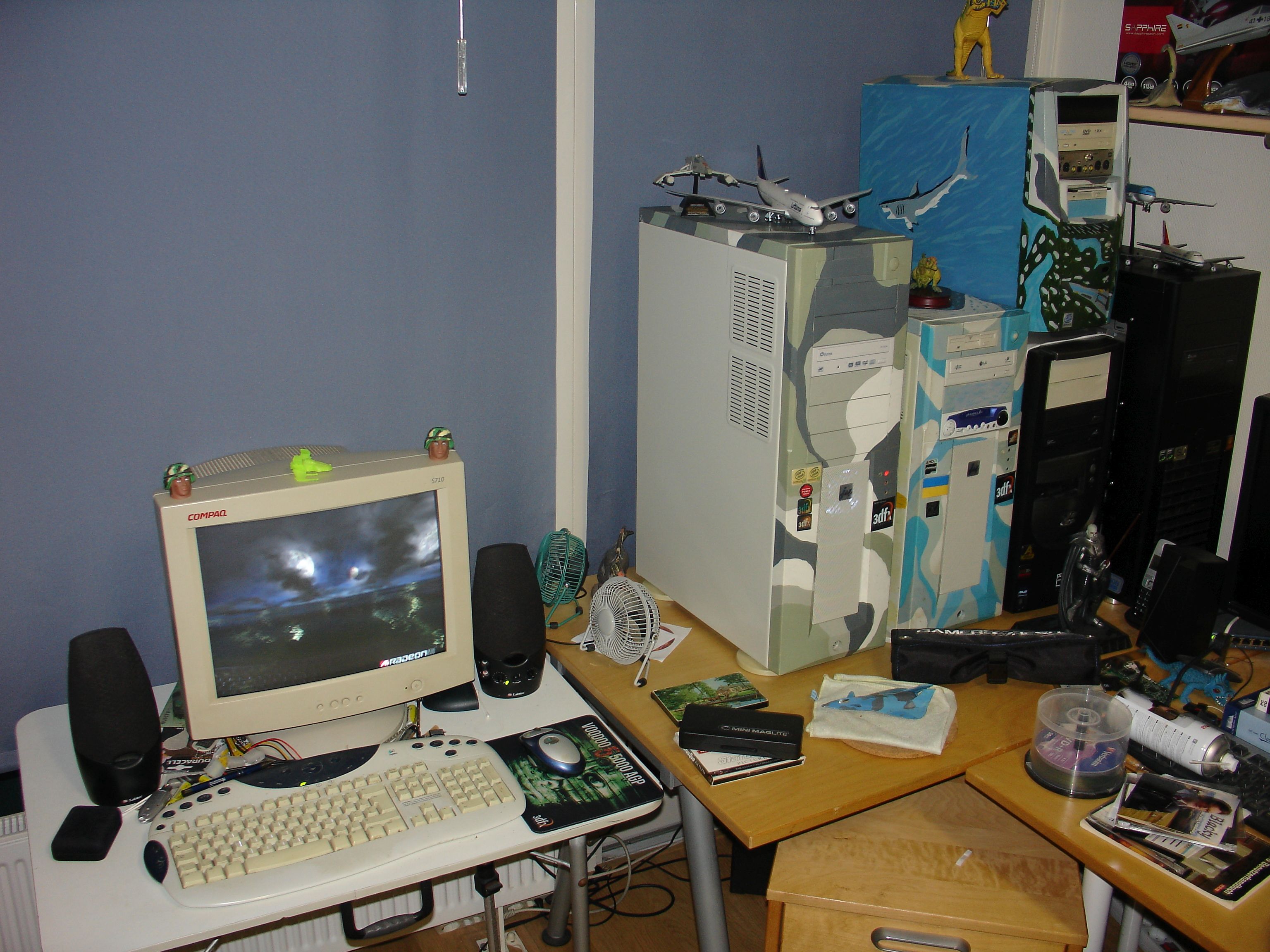
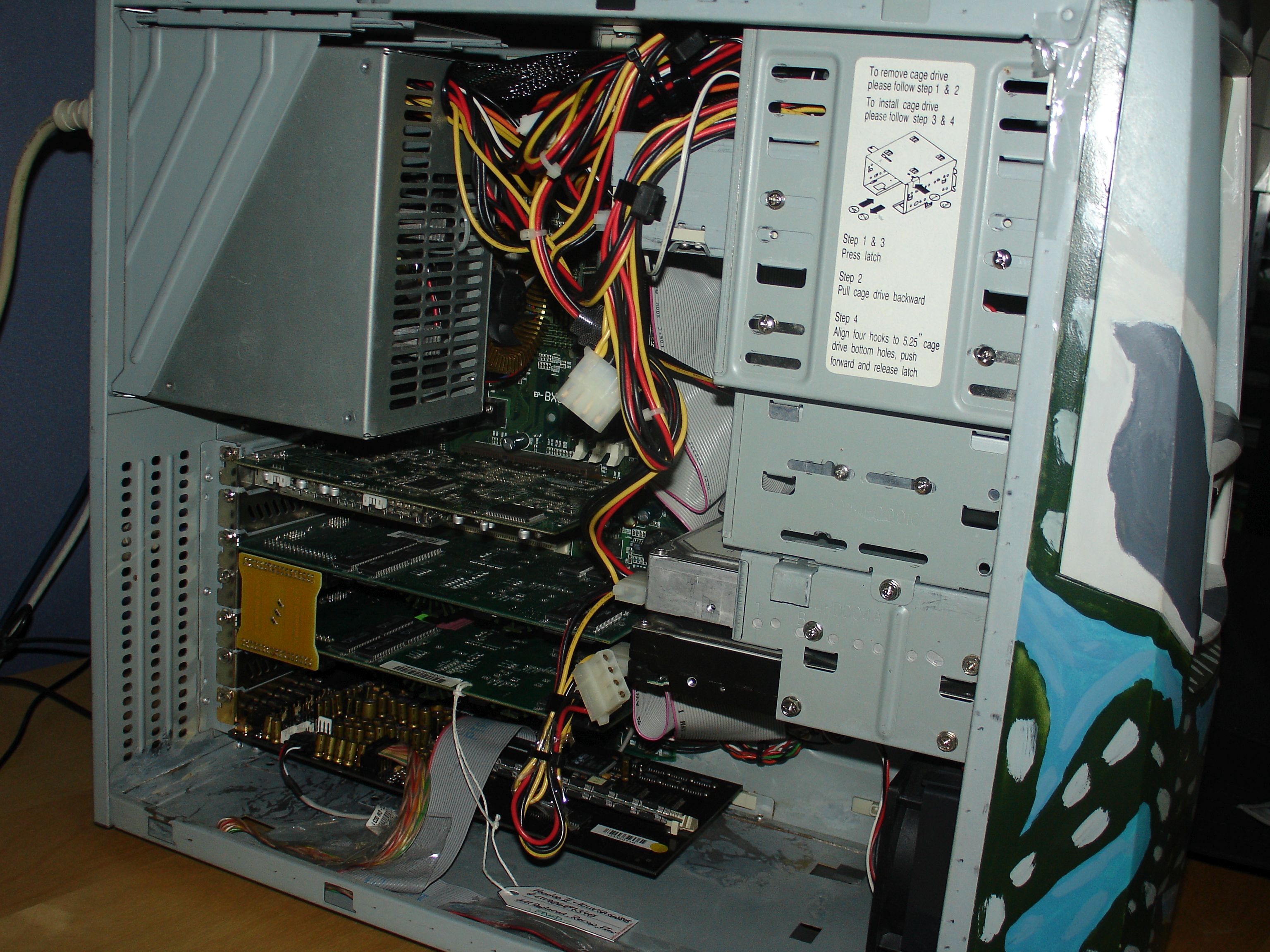
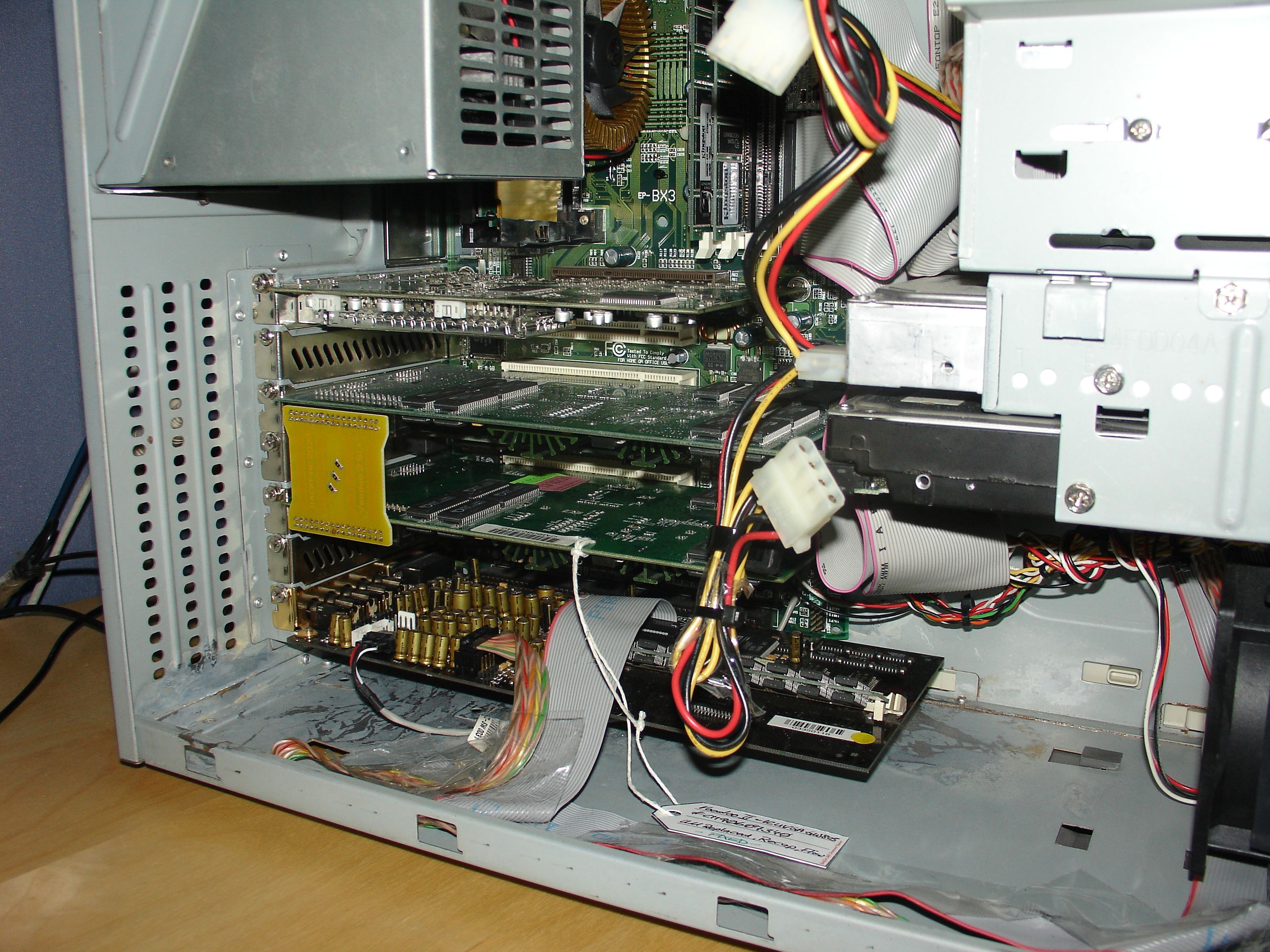
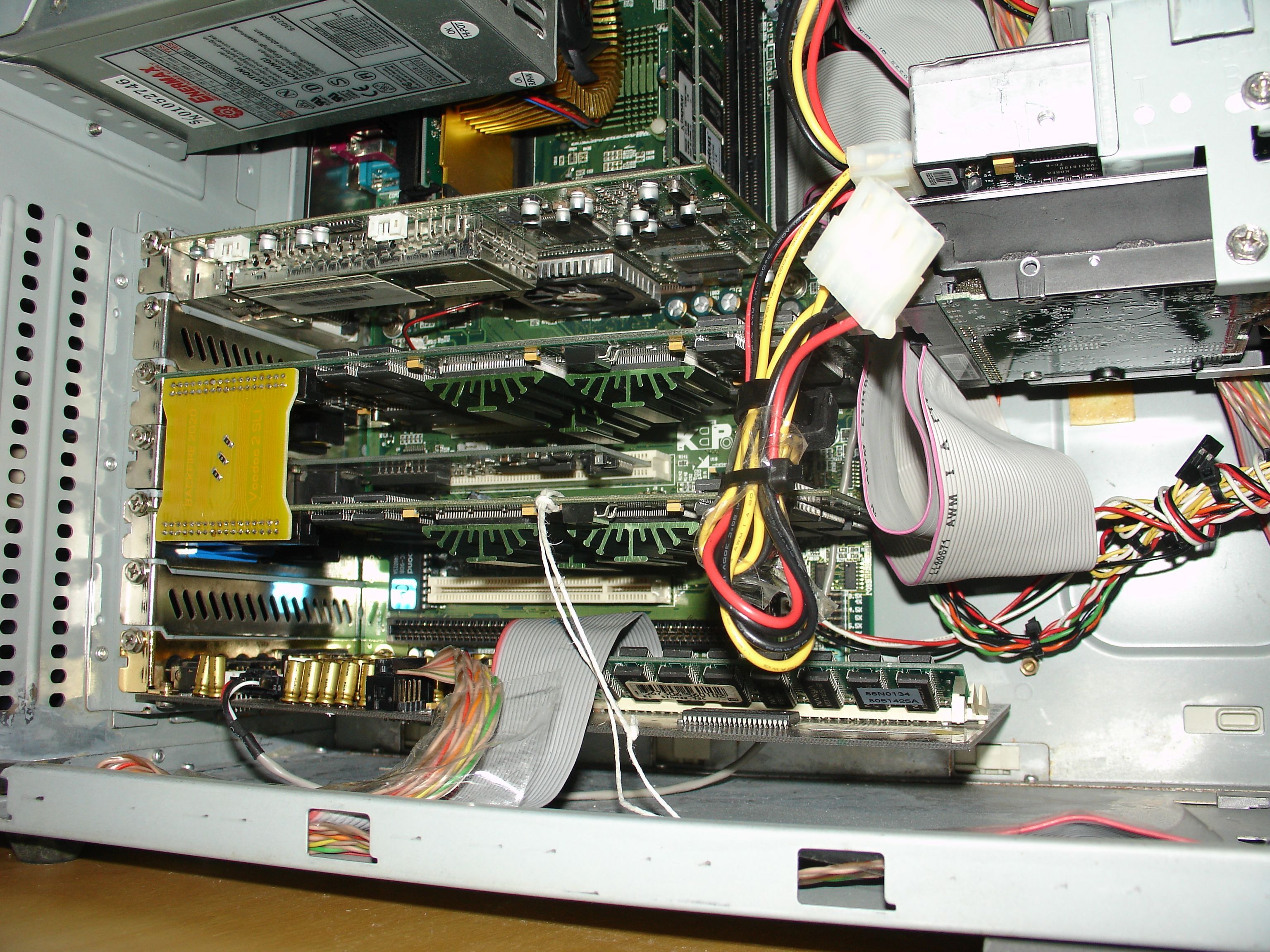
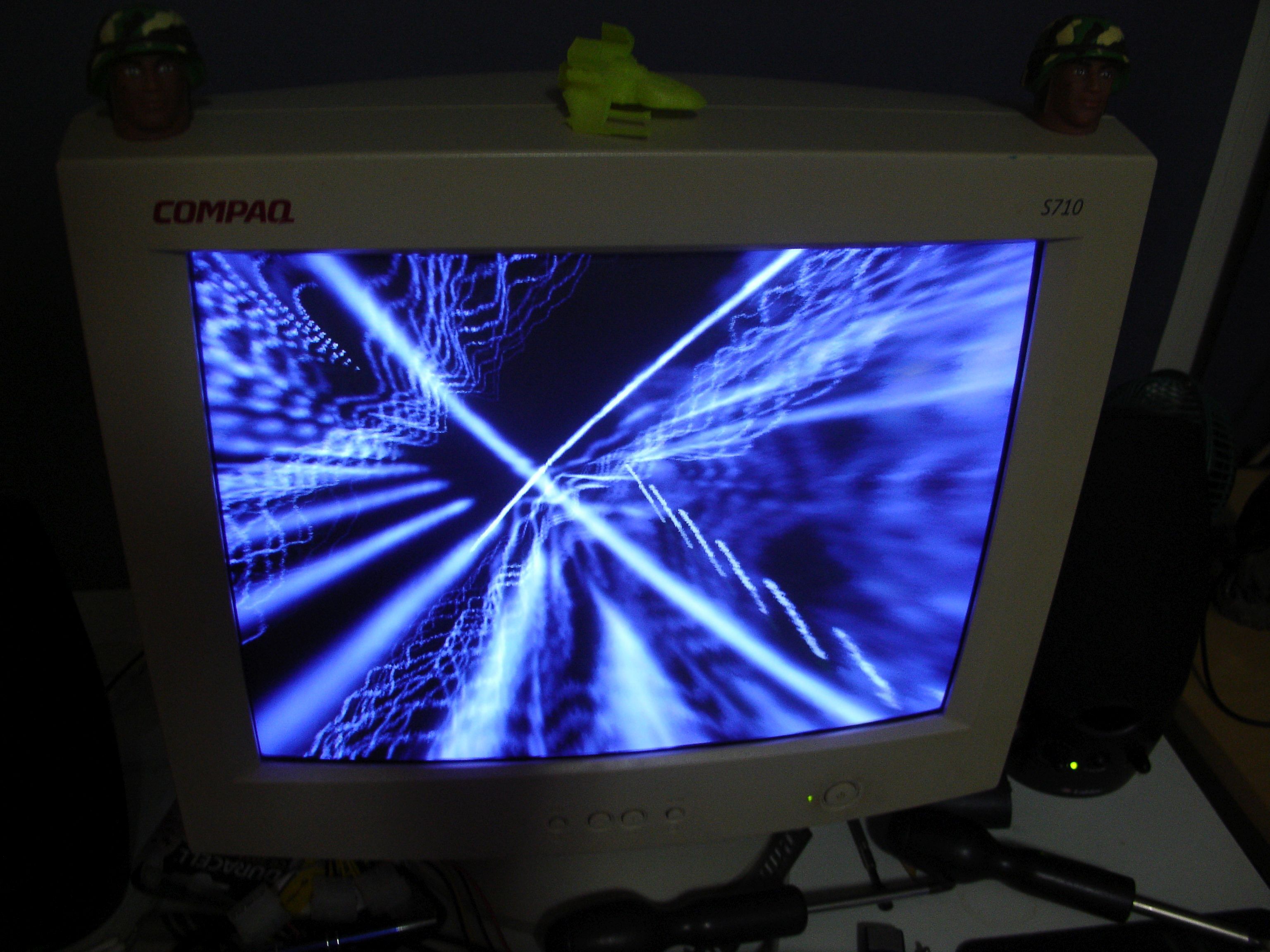
Here some pics of it with this setup:
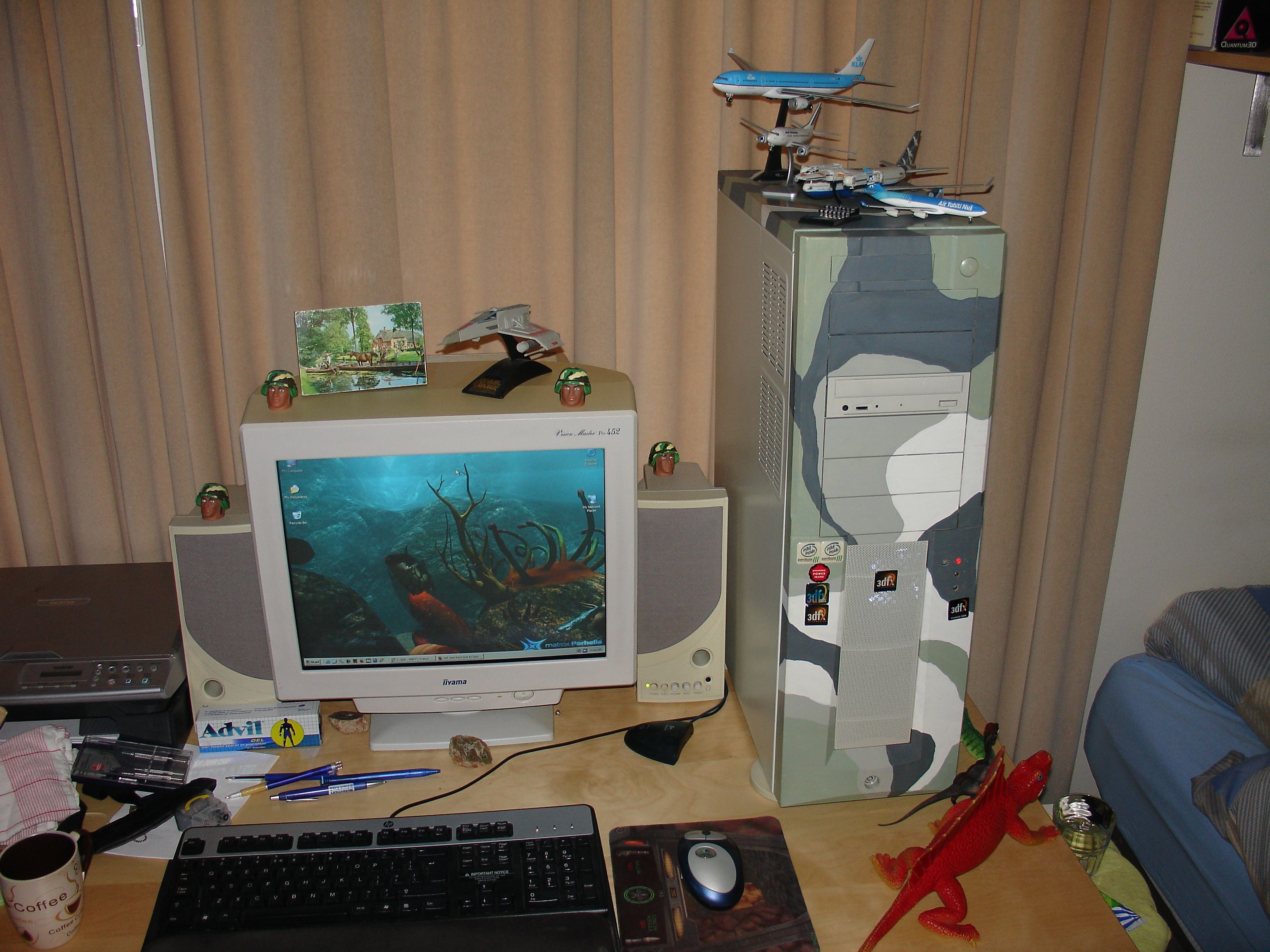
75clzvns.jpg xad6k4us.jpg
9wl9ks5e.jpg
ufzjntv2.jpg 9mglncu6.jpg

Now I may usea different case, since the Addtronics 7896A is used for a Dual OpteronMP 850 CG build, but I may have something for the Dual P3/EB 1000, an old FKI FK-505 ATX Tower, but I am still debating that with myself, well here and there.

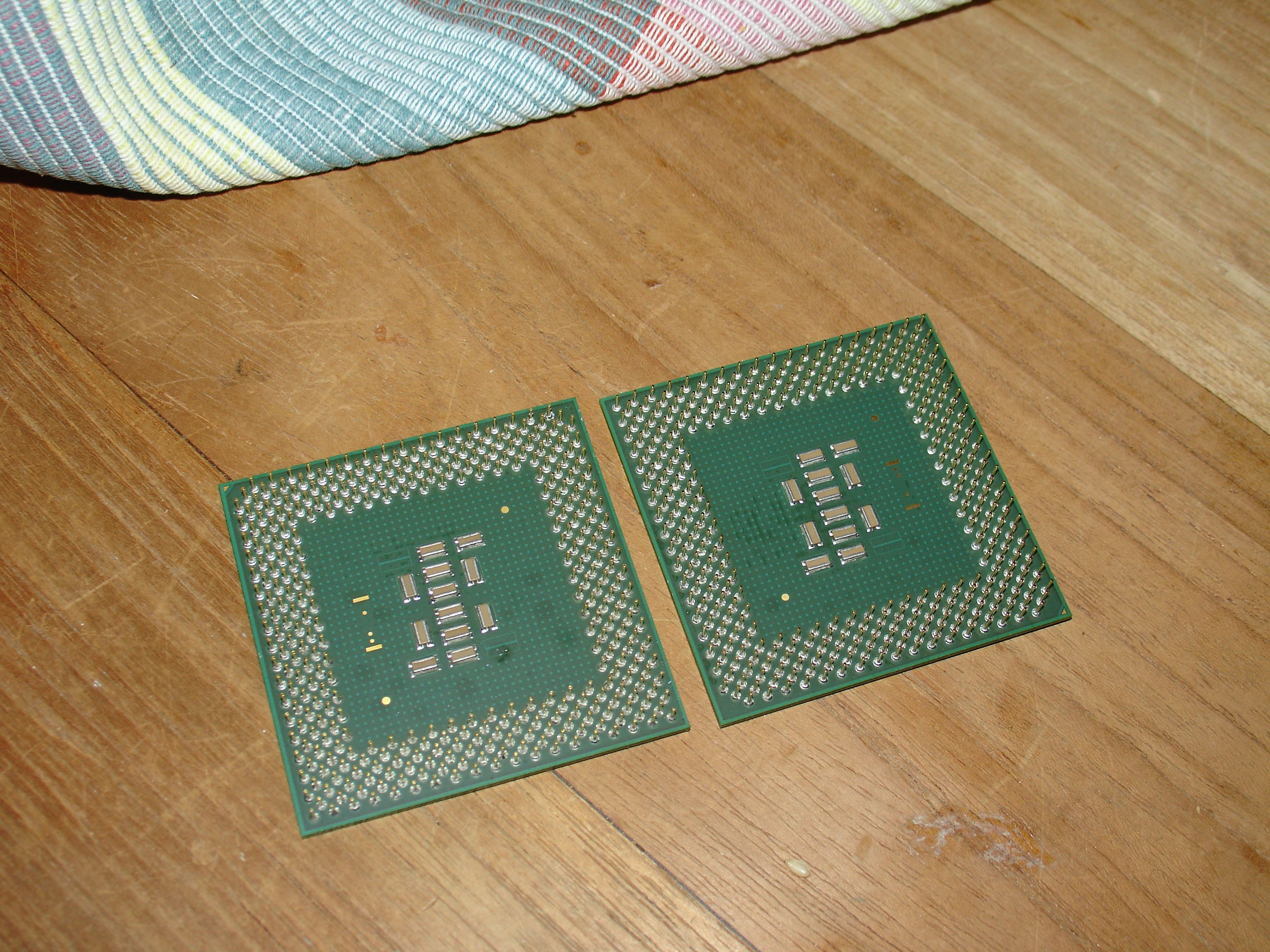
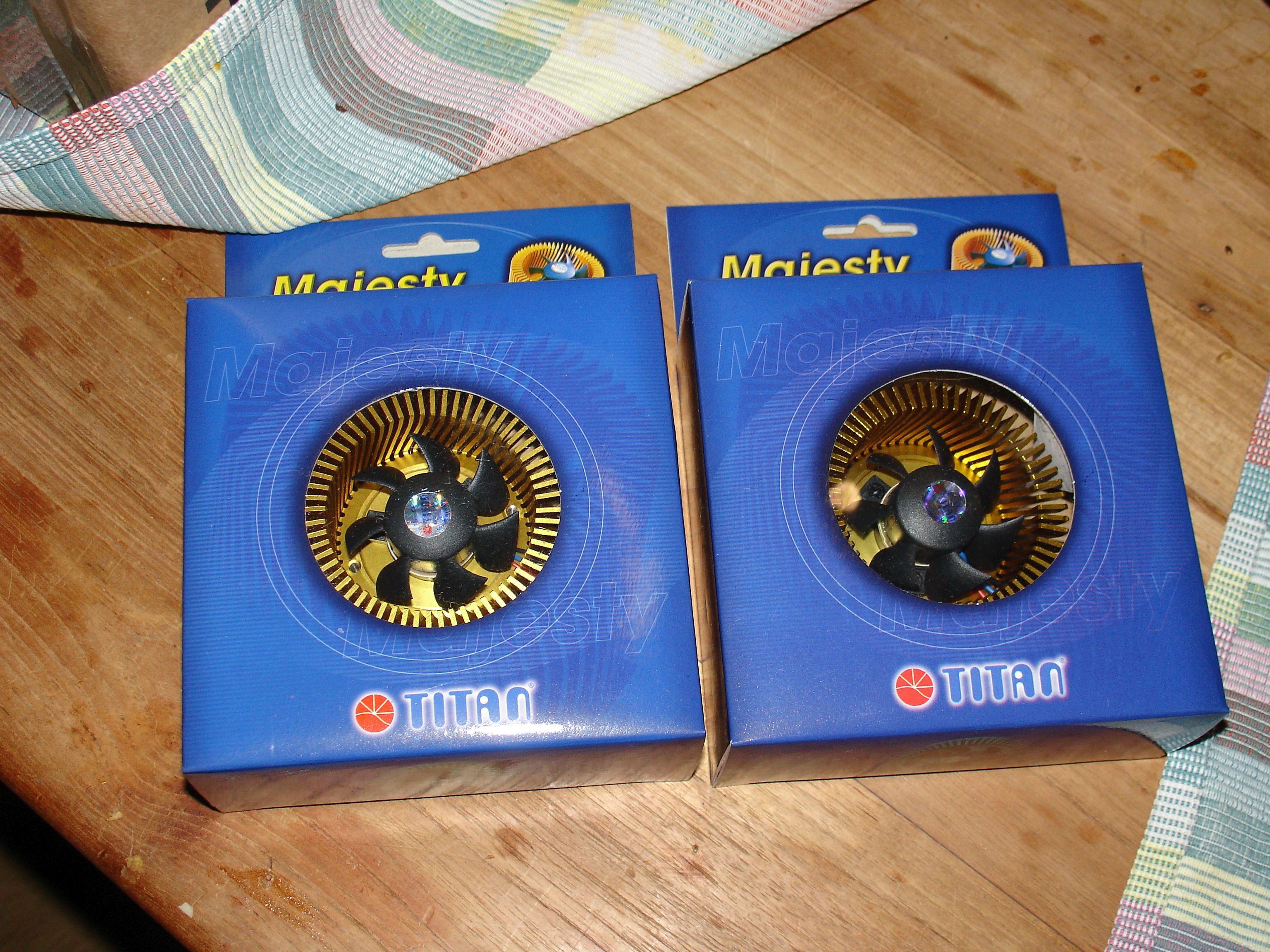
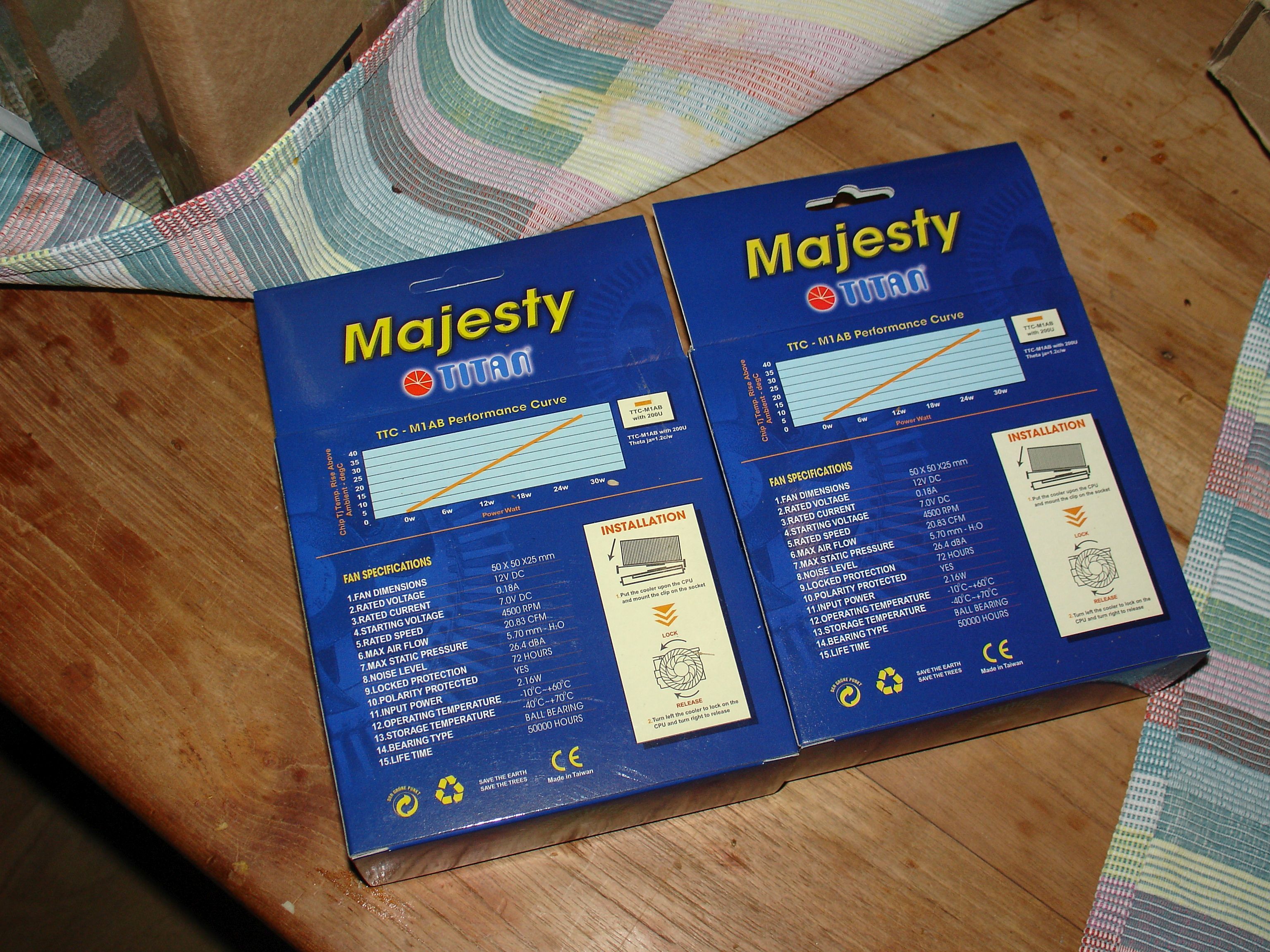
Then I thought to myself that it is never a bad thing to go too unprepared, thus grabbed two Intel Pentium 3/EB 1000 SL532R's from 2001 with a CPU Voltage of 1.75 v for 56 Eur from a guy in Germany and a pair new from old stock TITAN Majesty V< rebranded Thermaltake Golden Orbs for S370 from a guy in the Czech republic for 46 Eur, made sure I bought these for a rebuild of my first Duallie.
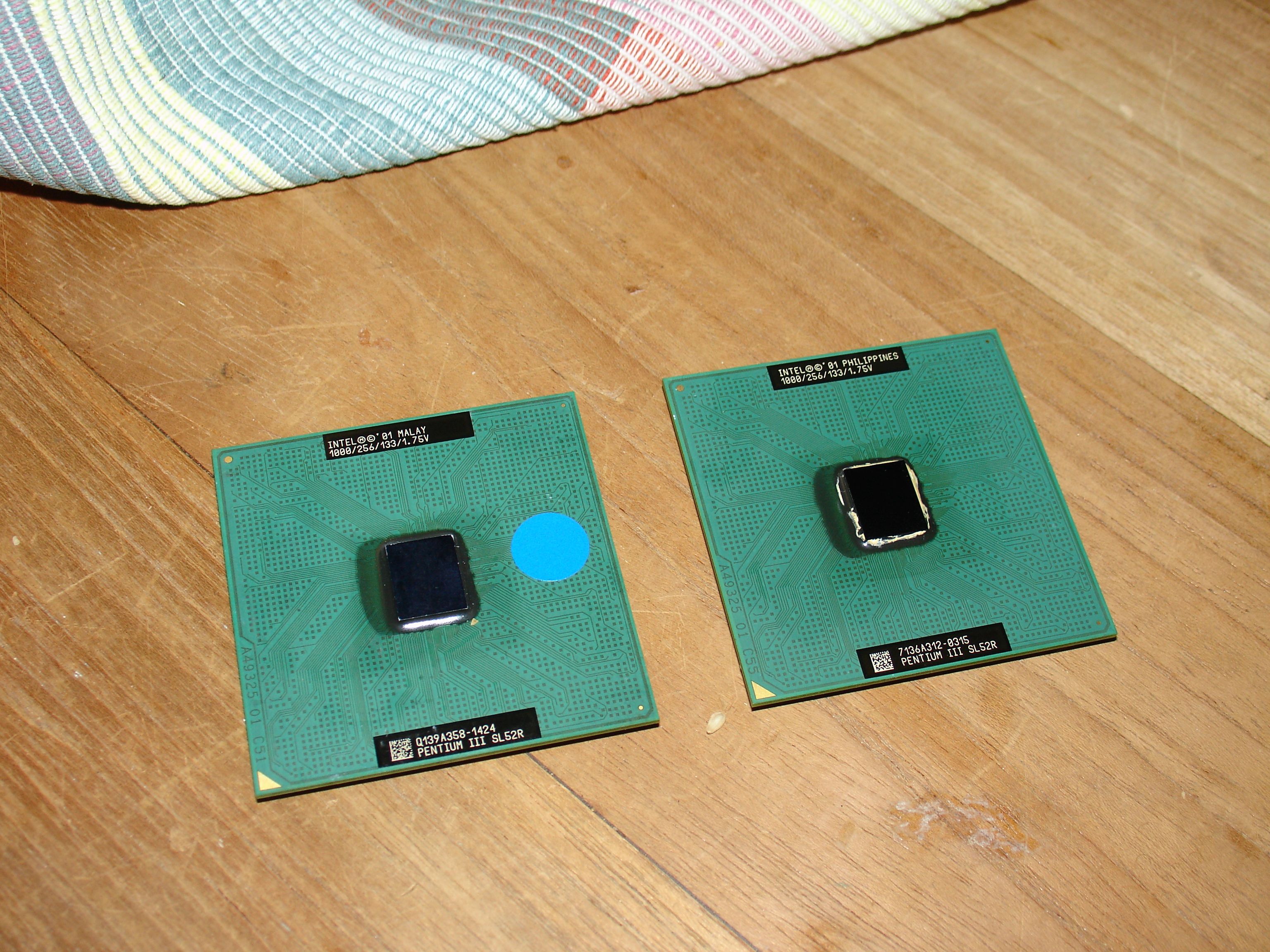
v9gzlmvi.jpg lrb9qubm.jpg
n4swkcwv.jpg x7iifa5f.jpg

No shortage on original Intel Pentium !!! aluminum decals either:
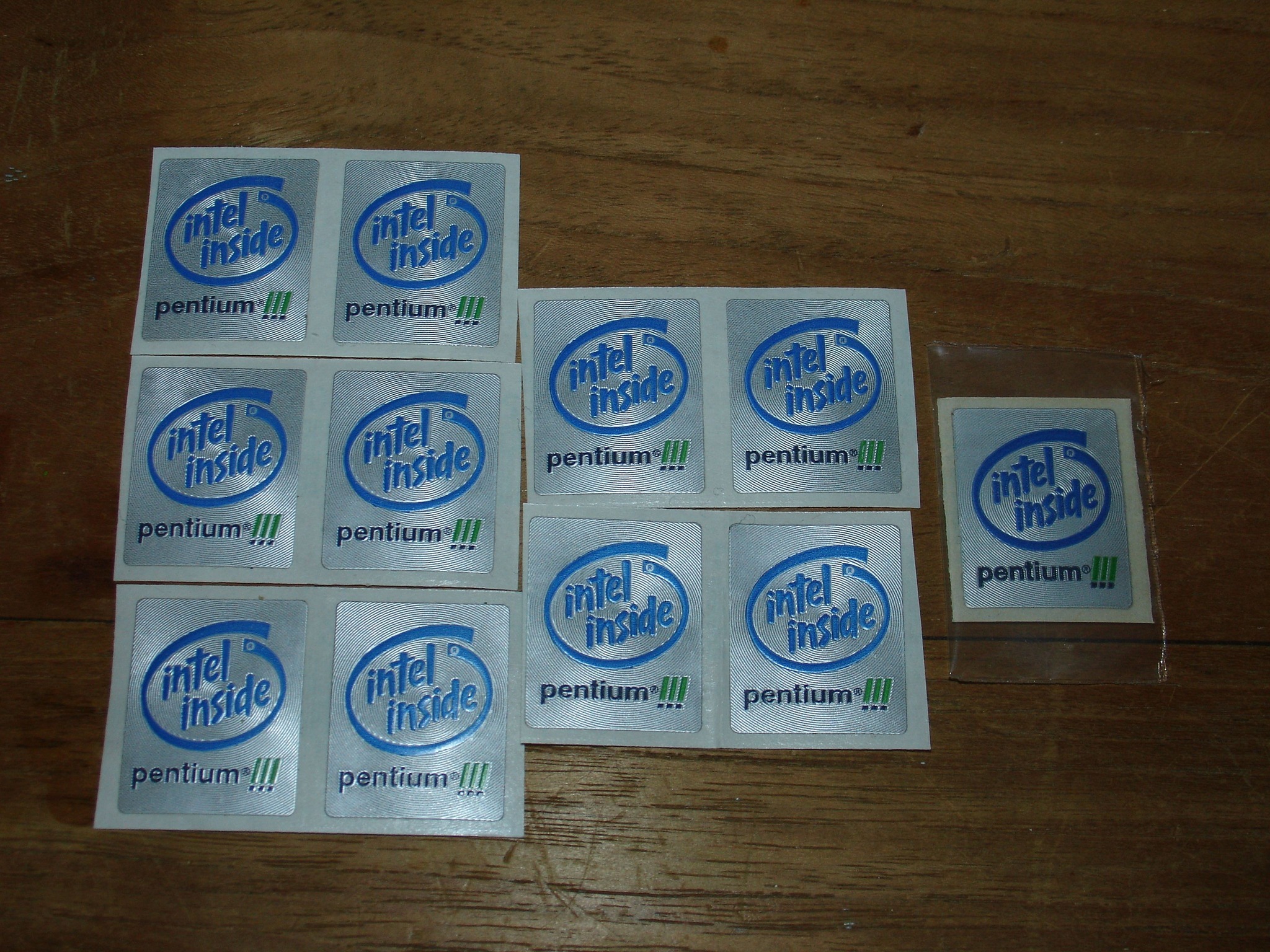
r4e2q3gt.jpg

All in all the Intel Pentium !!! was to me their best CPU libne of all time, they were not as powerful as AMD's mighty K7 AThlons, but they remained much cooler in opperation and witha simple FSB change you could OC them like crazy a P3/E 850 witha FSB change of 133 will make them run 1130Mhz for example, the Dual P3/EB I ran at 7.5 x 157Mhz fora nice Dual CPU setup of 2x 1170Mhz, this was ideal for RC5 x64 the system went from 5.6Mgea Keys per second toa nice 6.2 mega Keys per second, I grazed for Gather of Tweakers Dutch Power Cows and later for 2CPU.com where I was Hardware Moderator & Server parts advisor, I was a member at 2CPU.com from May 08, 2001 till September 05, 2020 till Hooz had to close the server because of funding issues, I Miss that place even to this very day, JayVenturi, Slash, SadTrpher, Peter Tong, HEMI, Hooz, Artyan and countless others, we allcarried the same passion for building PC's with 2CPU's or even more like 4 or 8 CPU setups we had our crazies alright.

The 2CPU members I still have contact with are Venturi, HEMI and Artyan, would be nice to hear from the others though, Hooz never gave us a warning the forum was going to close so most of us never got a chance to pass on contact details to one and other, a damn shame that was.
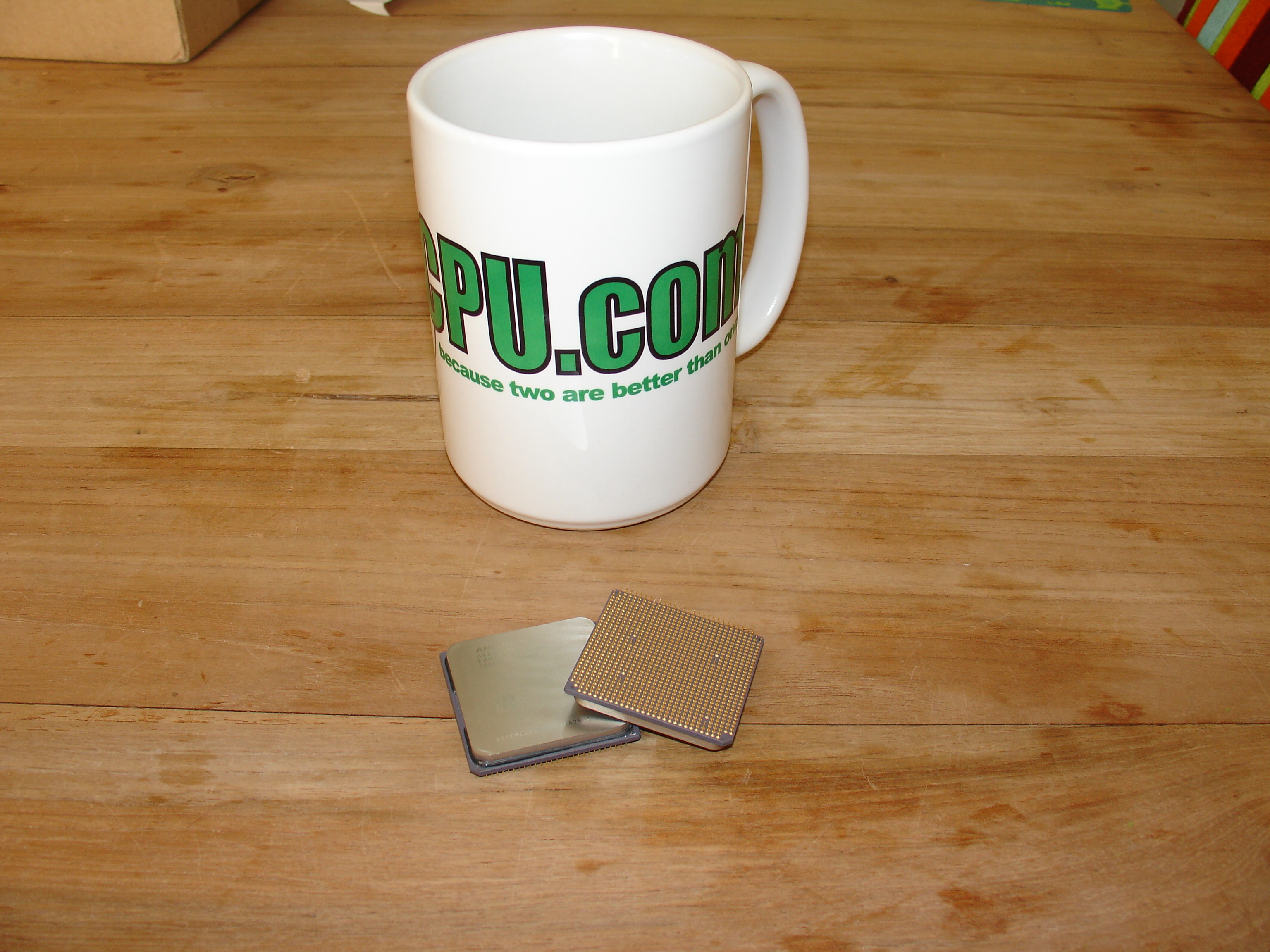
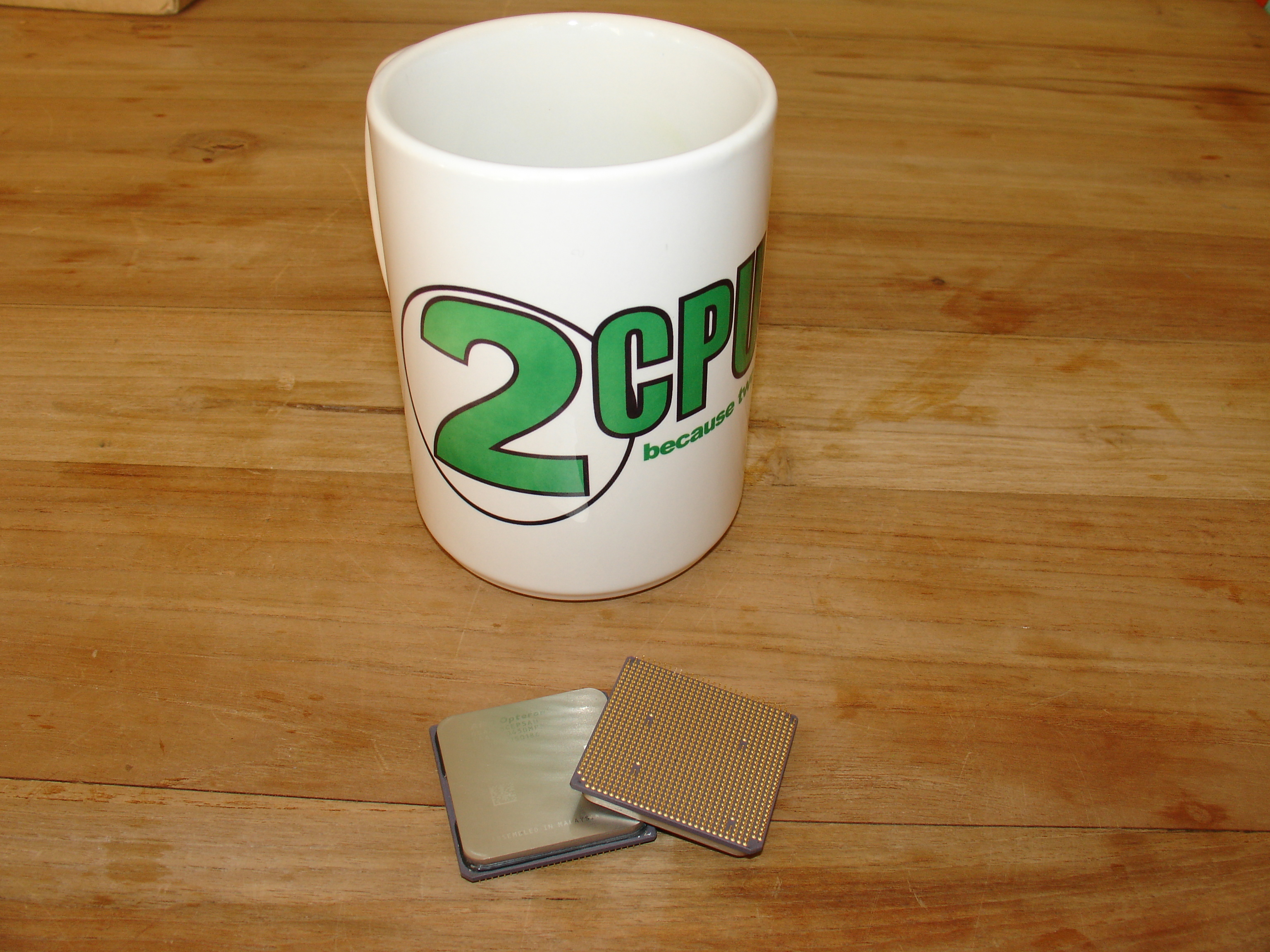
I still have my crew mug though, somethings gladly are where with me, he that mug from2CPU.com with a pair of AMD OpteronMP 850CG 2.4Ghz K8 Sledgehammer CPU's to resemble the 2CPU logo:
xznqwjf9.jpg fznsqnrp.jpg

Then there was that epic catch phrase lmao:
2CPU.com because two are better than one!

The logo used was the one from 2006 - 2014.
Here all 2CPU logo's
1999-2006:

ijny7vwh.jpg

2006- 2014:
99ab6qs2.jpg

2014 - 2020:
glj9uk2q.jpg

Somethings just never die.

K7 T-Bird 700 Slot A | K7 Pro | 768MB SDR| V3 3500 TV | Gold rc AWE64G
P3 C-Mine 850 Slot 1 | EP-BX3 | 512MB SDR | G400 MAX | 2xGainward V2-12MB in SLI | Gold rc EWS64-XL
AXP 2200+ | EP-8K7A+ | 2GB DDR | P512 AGP 256MB | V5 PCI Mac | Audigy2 ZS P-Pro

Reply 41 of 50, by Jackal1983

User metadata
Rank Member
Rank
Member
Gold Leader-B747 wrote on 2025-10-02, 15:00:
Part 02: […]
Show full quote

Part 02:

This part will be about the graphics cards used in this main retro build a Matrox Parhelia AGP 256MB DDR and a PC flashed Voodoo5 55000 PCI Macintosh 64MB SDR and a lot of photo's and screenshots will be displayed in this post, just literally revealing everything these cards are capable of doing and how they work as well in the best optimal ways and it's nice to share with you guys here that also may have these cards.
Graphics cards have always inspire me and my Autism goes all balls to the wall when it's especially about graphics cards, good lord of the Force!

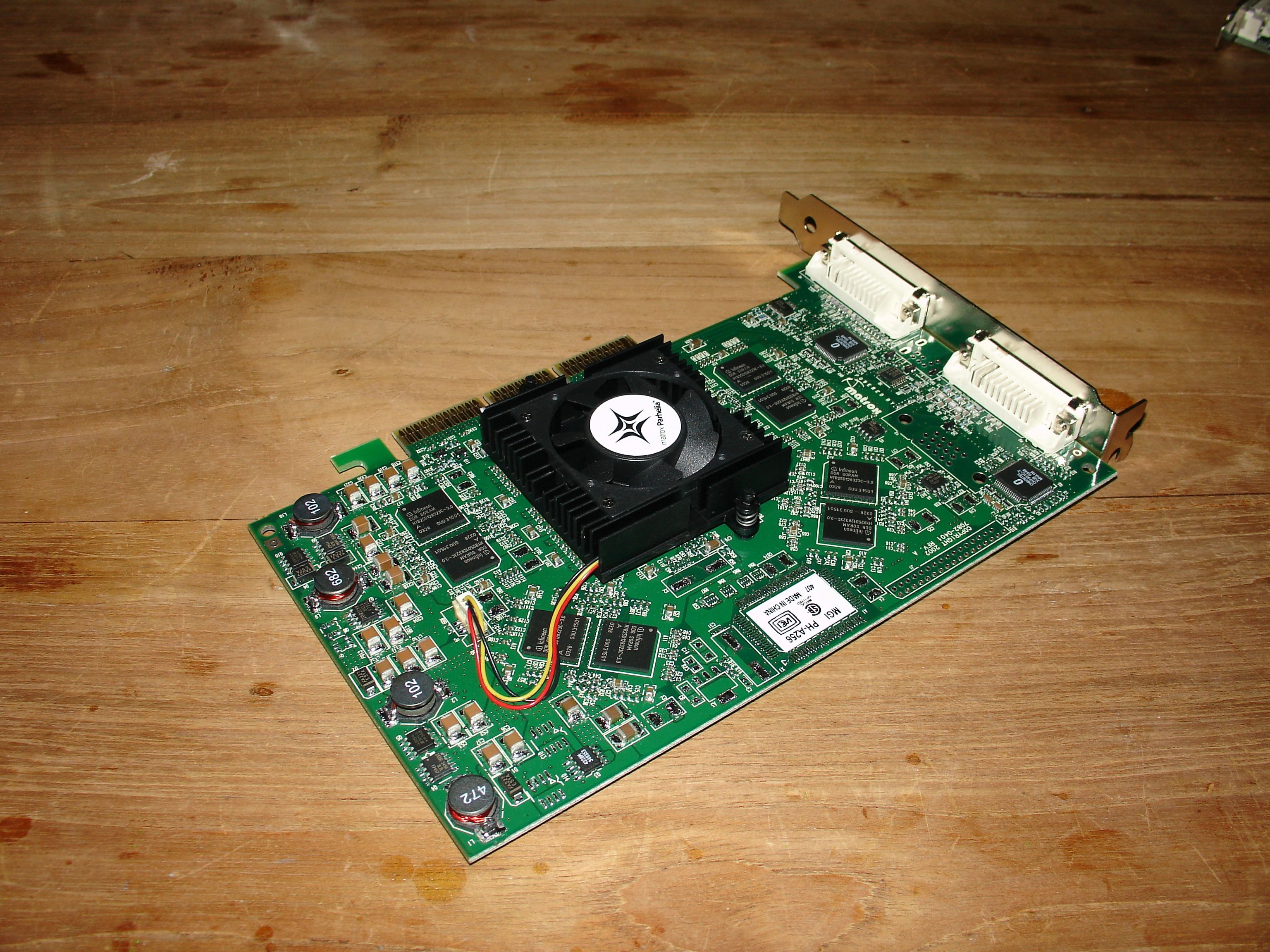
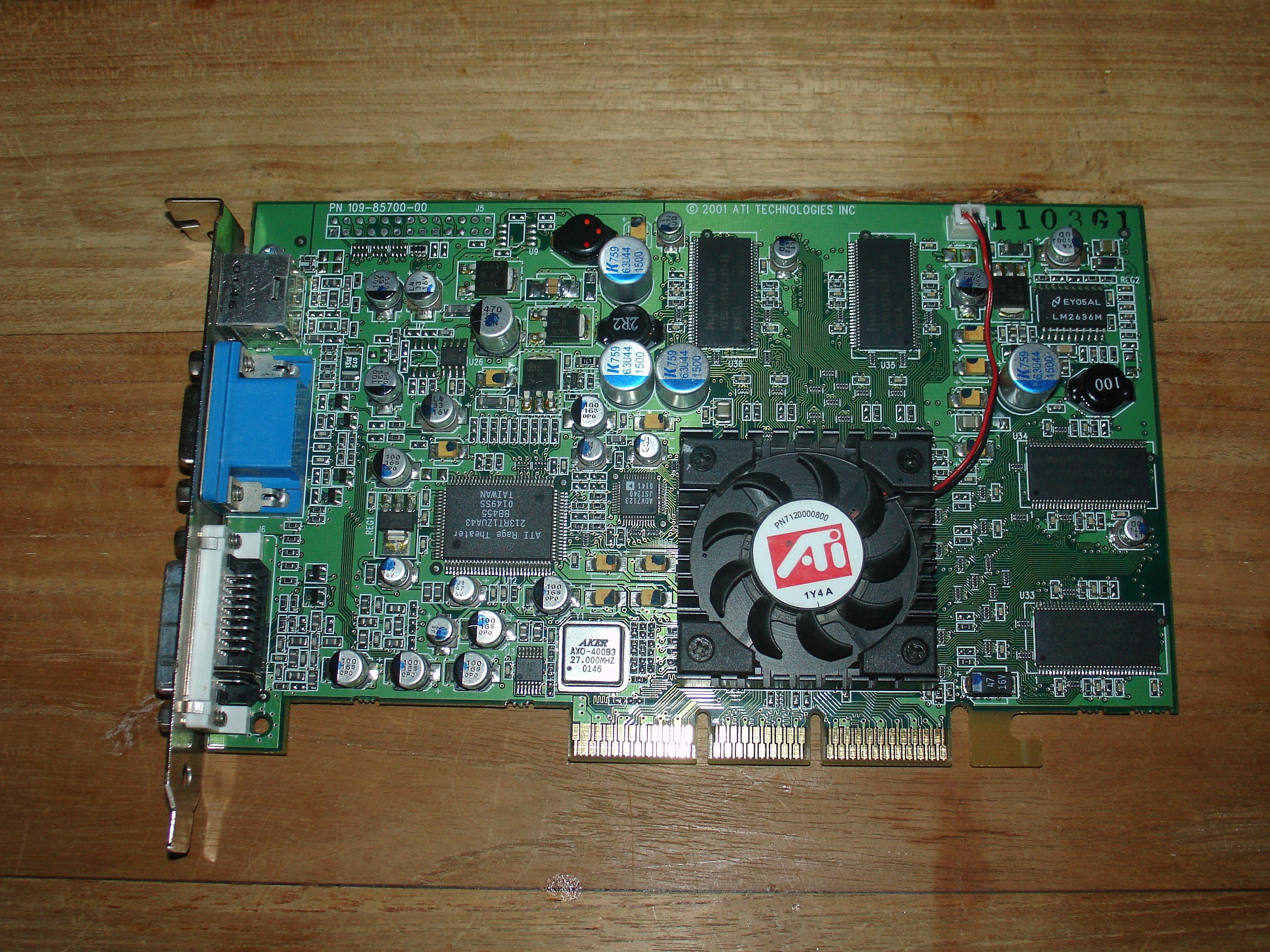
So here to begin with is the main graphics card of this build; the Matrox Parhelia AGP 256MB DDR; this is a Universal AGP 2.0 x4/x8 model of the Parhelia AGP 256MB DDR, this was a gift from a Matrox Employee from Matrox HQ for the EU market, he told me only 1500 of these were made and the much more common AGP 3.0 x8 model went by the millions from 2003 right on down to 2008.
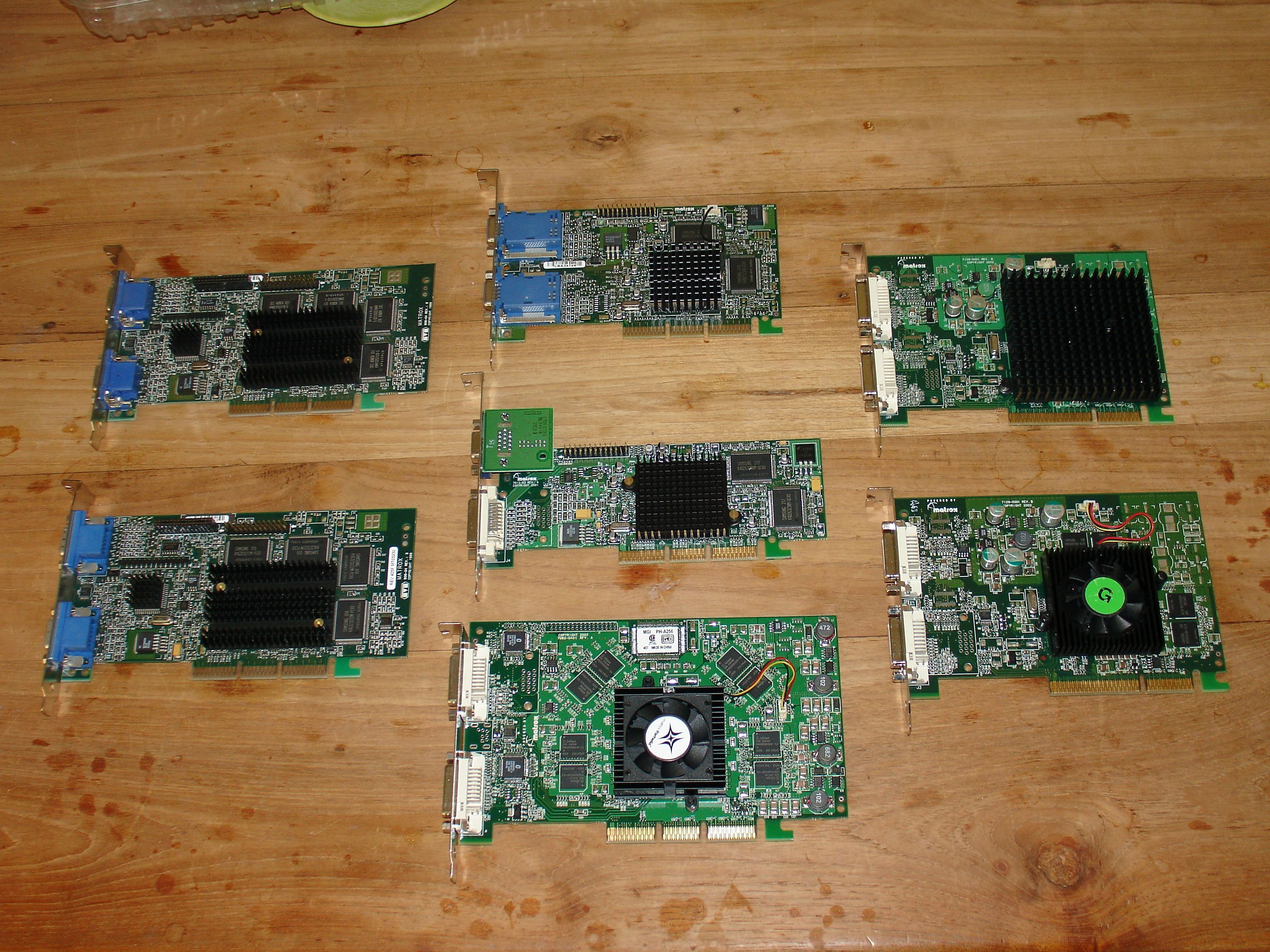
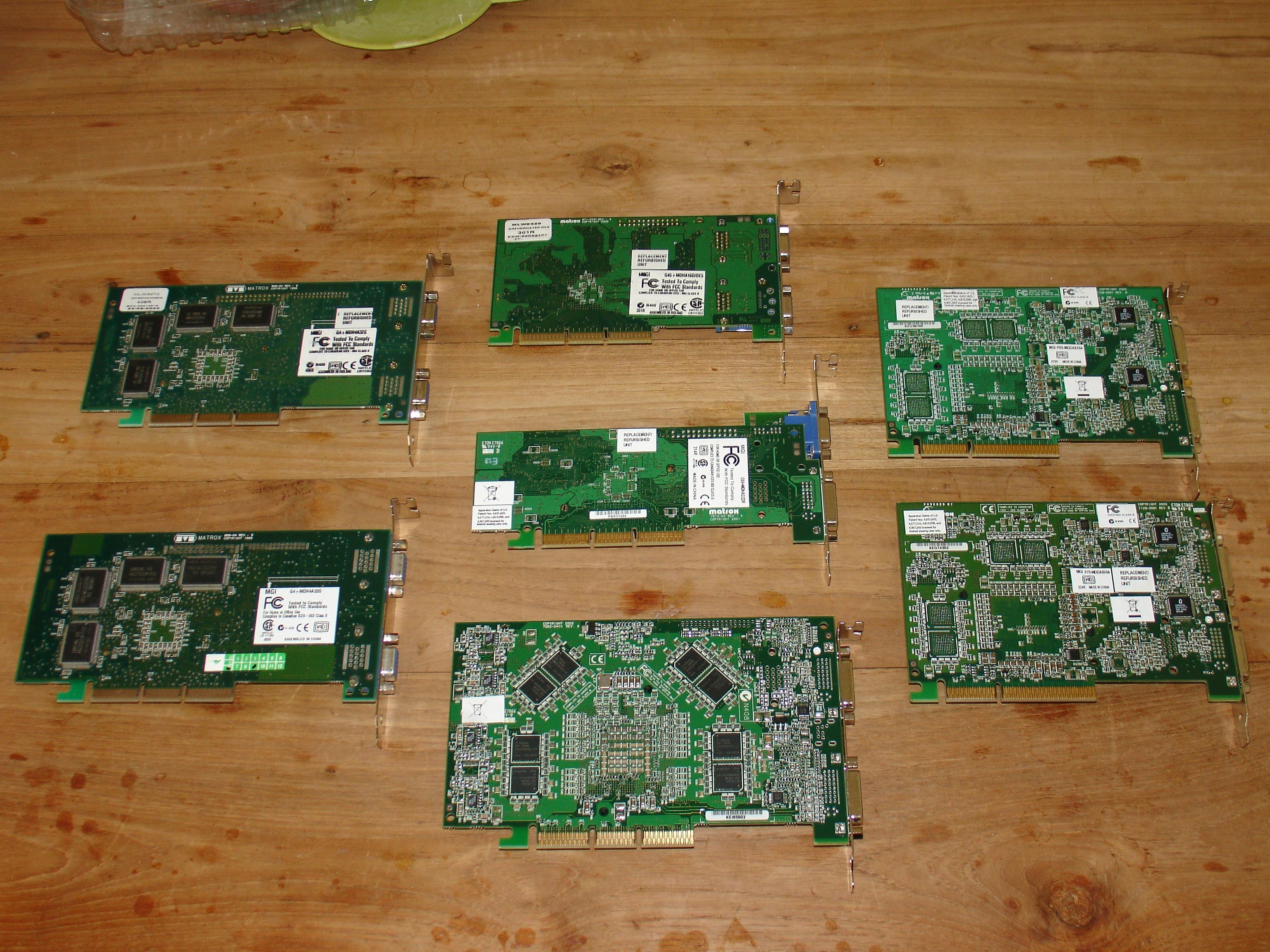
He had asked me to make an offer I was like well let's start at 45 Eur, he was like that is okay by me actually, I'll add an other 6 cards, and for 45 Eur incl first class shipping from Ireland to the Netherlands this is what I got from that kind guy!

Matrox Millennium G400 Dual Head AGP 32MB 128Bit SGR Rev.B 4399

Matrox Millennium G400 Dual Head AGP 32MB 128Bit SGR Rev.B 1800

Matrox Millennium G450 Dual Head AGP 16MB 64Bit DDR SGR Rev.A 4500

Matrox Millennium G550 Dual Head AGP 32MB 64Bit DDR SGR Rev.A 4102

Matrox Parhelia AGP 256MB 256Bit DDR Rev.A 5103

Matrox Parhelia LX P650 AGP 64MB 128Bit DDR Rev.B 4505

Matrox Parhelia LX P750 AGP 64MB 128Bit DDR Rev.B 0905

76gaepa8.jpg 9jwoe5yu.jpg

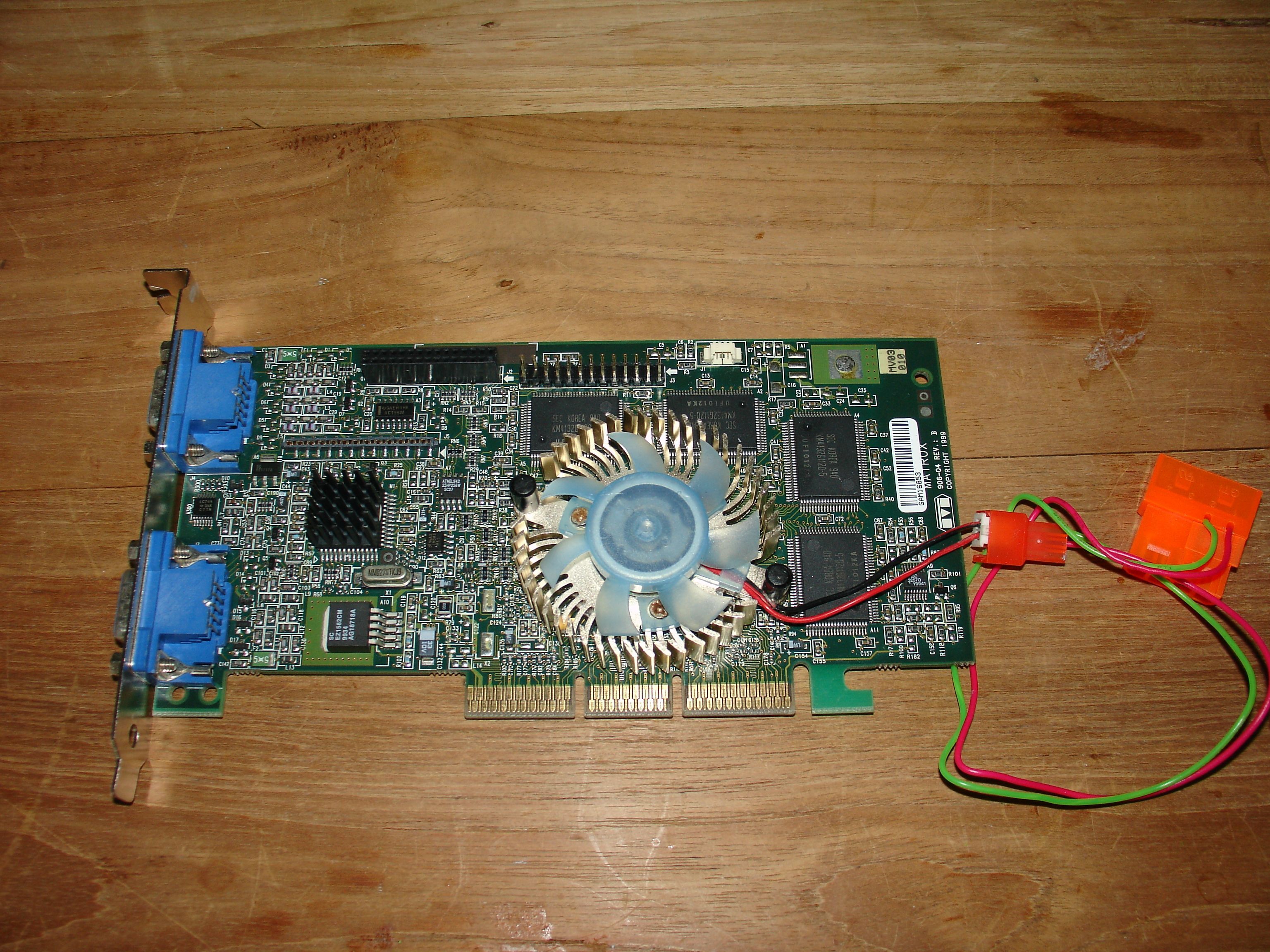
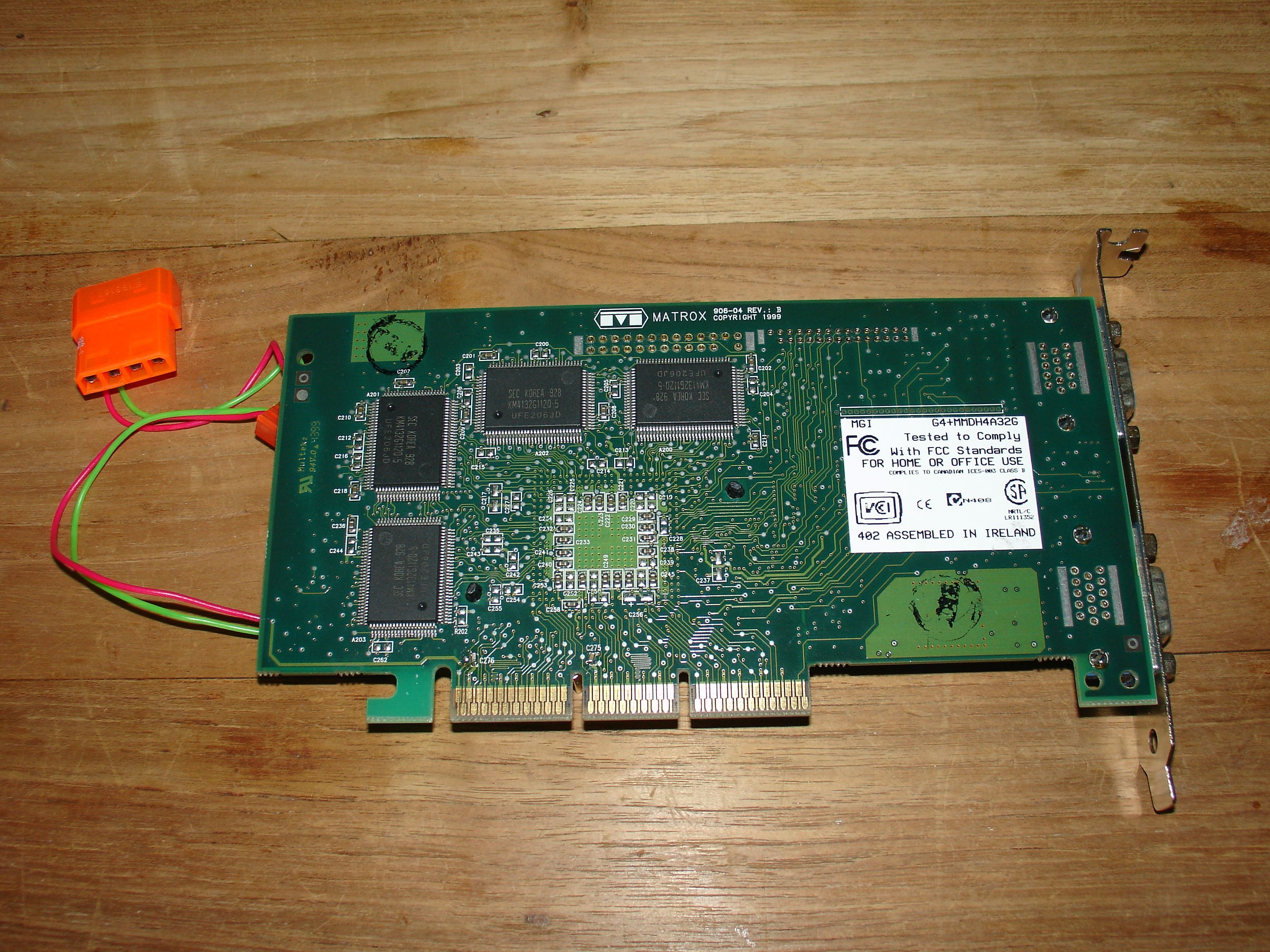
About 6 months later I also got this G400 MAX as a major respected gift from my friend SWZSSR from x-3dfx;
This card is in use in the P3.E 850 Slot 1 build:

Matrox Millennium G400 MAX Dual Head AGP 32MB 128Bit SGR Rev.B 4399 + Soltek Brass Orb

94emkefb.jpg e7gnevvq.jpg

Matrox Parhelia AGP Universal 256MB 256Bit DDR Rev.A 5103
987xgtfj.jpg bexu7h6d.jpg
ee8uug6z.jpg tjfdol7k.jpg
fjfmtb77.jpg

As drivers go for the Parhelia to get the best optimal performance from it but with the most laid out control panel this is what needs to be done to get this to work:
To get this working at it's most optimal performance and speed. I had to tinker with the drivers to get a best of both worlds kind of scenario.

So what I did first was install the September 2003 driver which is Matrox Power Desk 1.5.0.107:

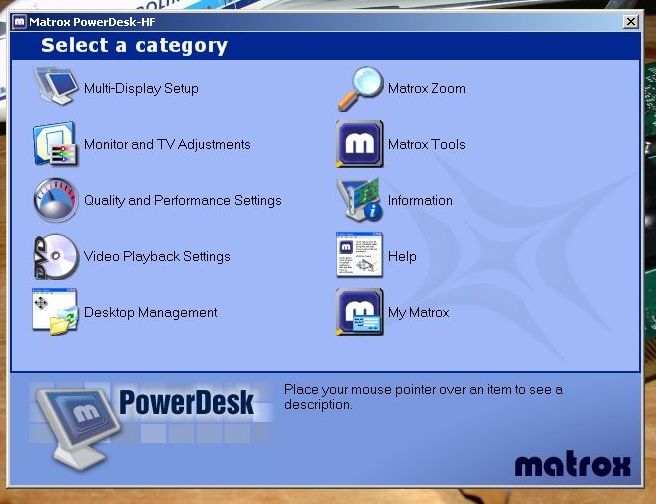
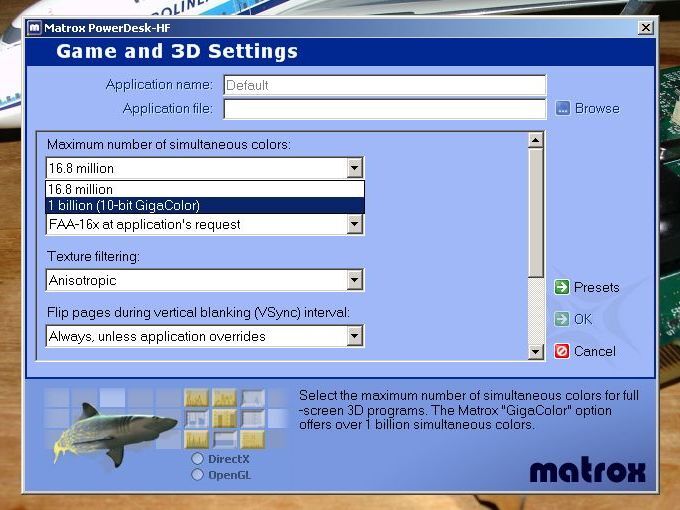
Here the September 2003 driver installed with it's awesome control panel, that to which will come in great handy later on.
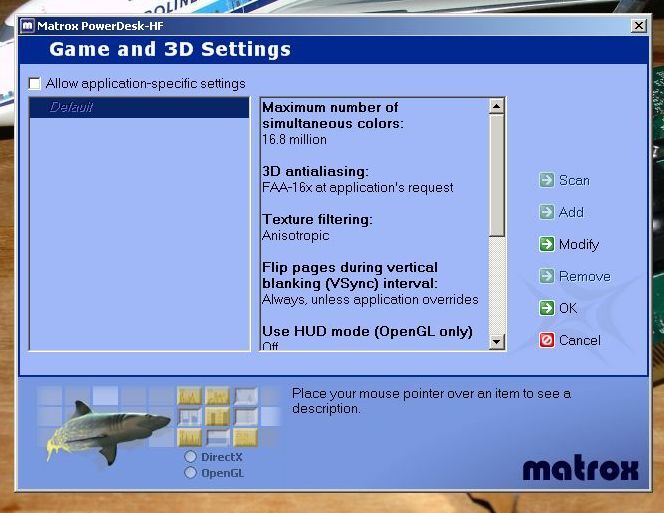
Also note it's classic gaming control panel, it doesn't have many options, it's something to do with:
ow392qsa.jpg g2ti8zmk.jpg
6vvwlk5v.jpg lop8zehr.jpg

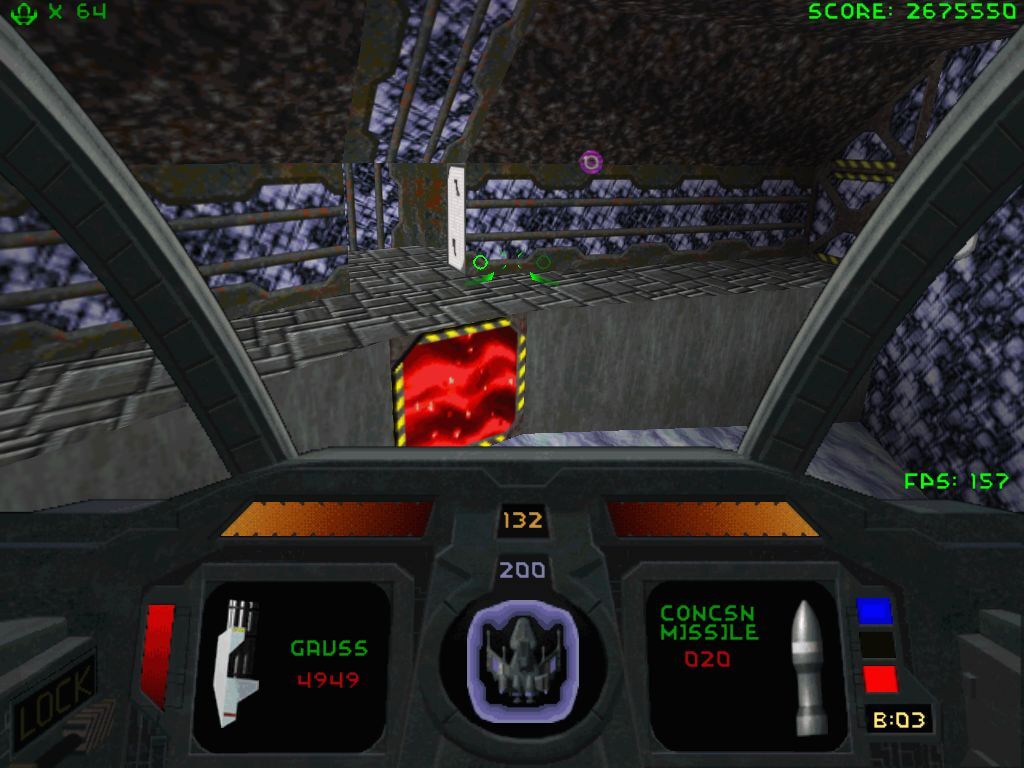
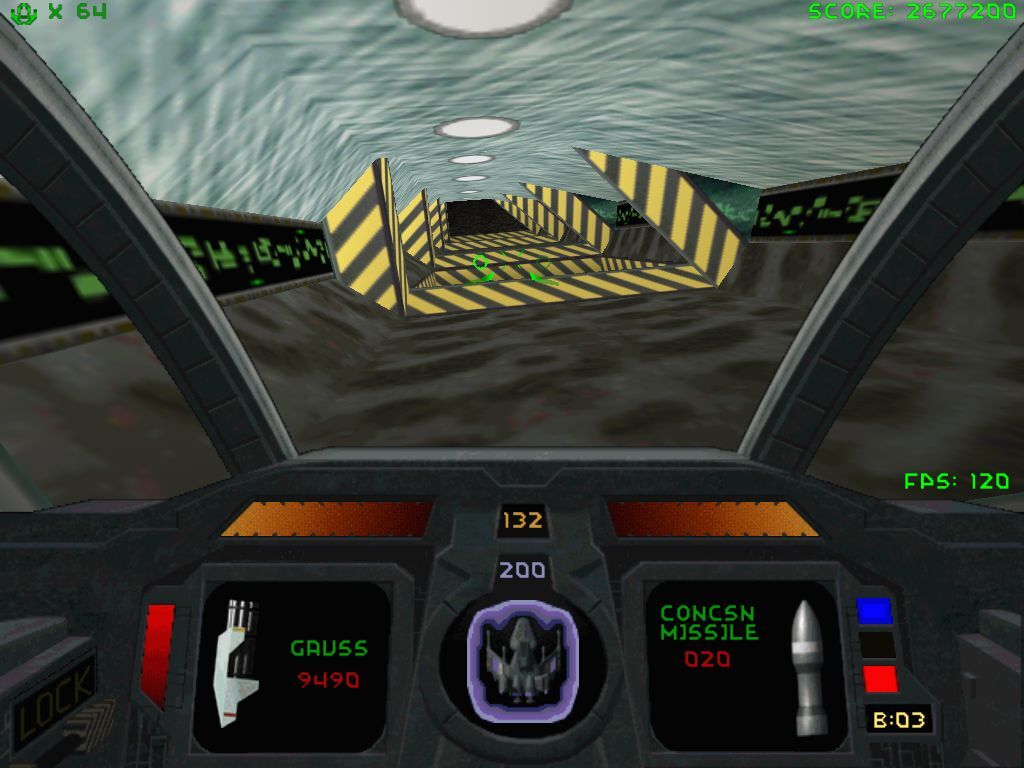
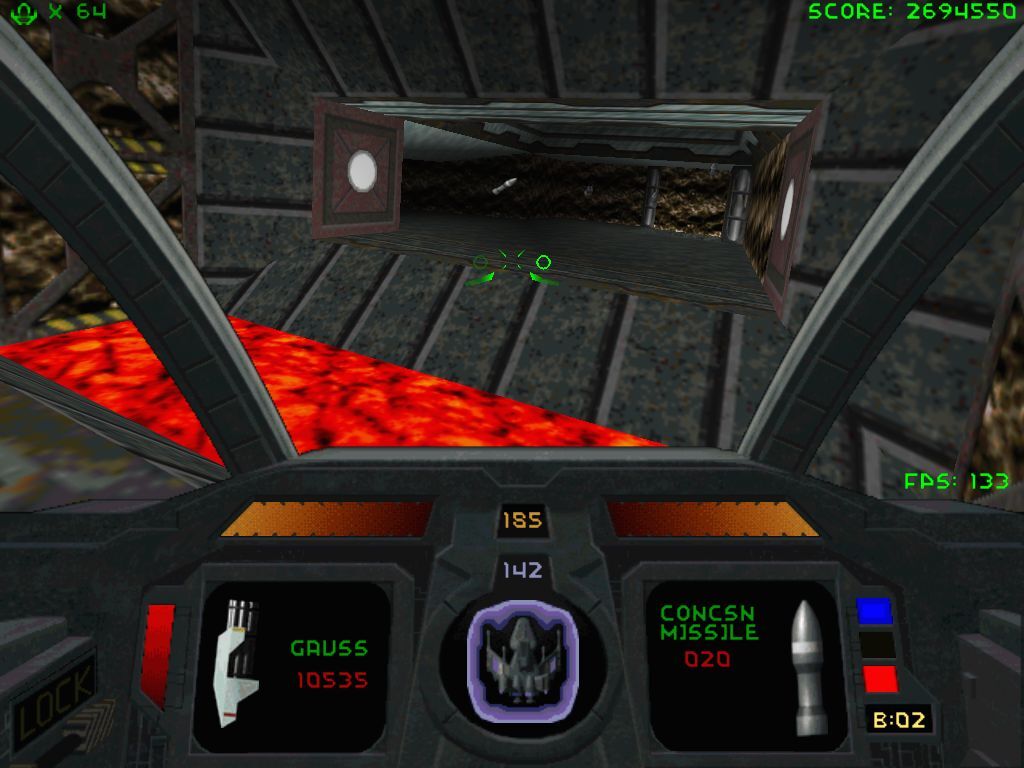
Here the performance of Descent 2 with D2X Rebirth 0.58.1 and D2X Retro 1.3a with the September 2003 driver kit:
cic76vl4.jpg skhavhuz.jpg
vwttaybv.jpg

Them frame rates aren't too bad right!, But of course I know there can be some improvements here and there, that which you'll see later on in this post 😎
So it was time to make things a lot better! 😁

Likewise then I downloaded the May 2007 driver which is Matrox Power Desk 1.13.0.158 and just installed the driver package, more not.
Then I went to the Device manager and updated the WDM drivers of the Parhelia AGP 256MB then did a reboot and this gave me the control panel from the September 2003 driverkit as well as the most up to date gaming performance WDM driver kit from May 2007!

This also gave me a lot more OpenGL options in the control panel as well, as with the later control panel all the gaming options were removed, so this little workaround did wonders and I also helped others with this ideal little solution of mine 😀

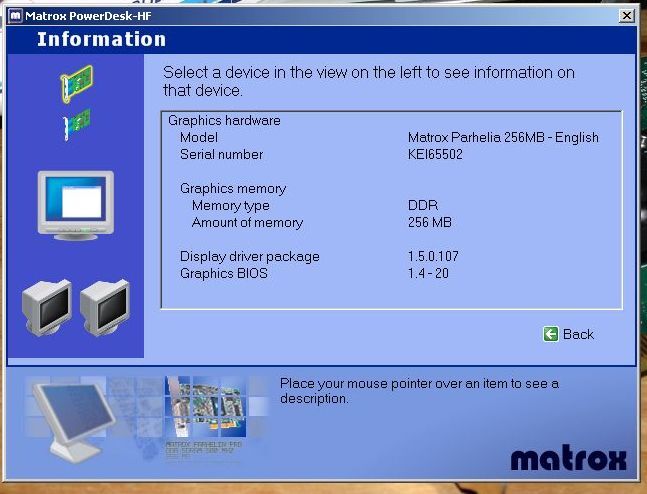
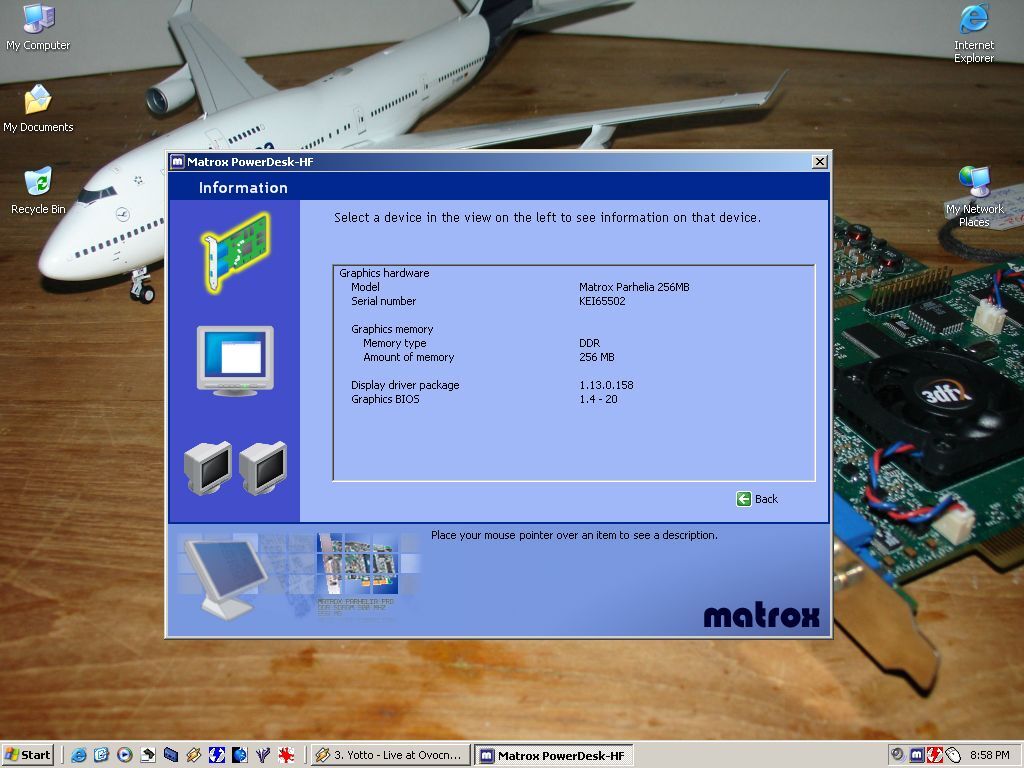
Here the info tab of the May 2007 driver
uoq398s3.jpg

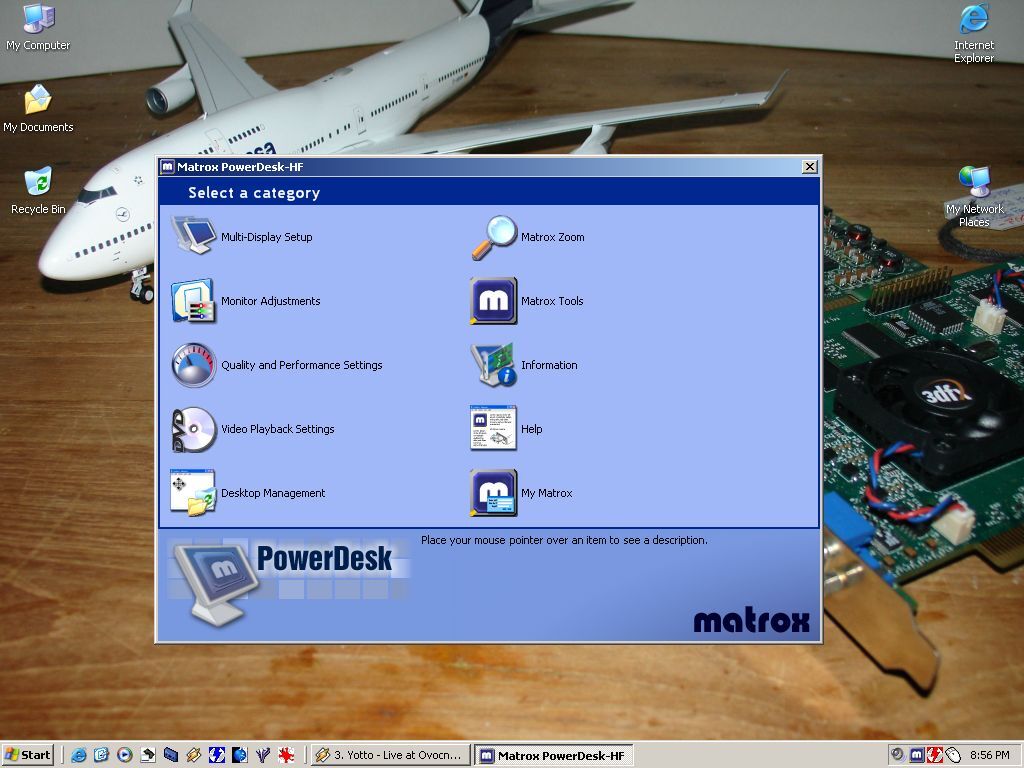
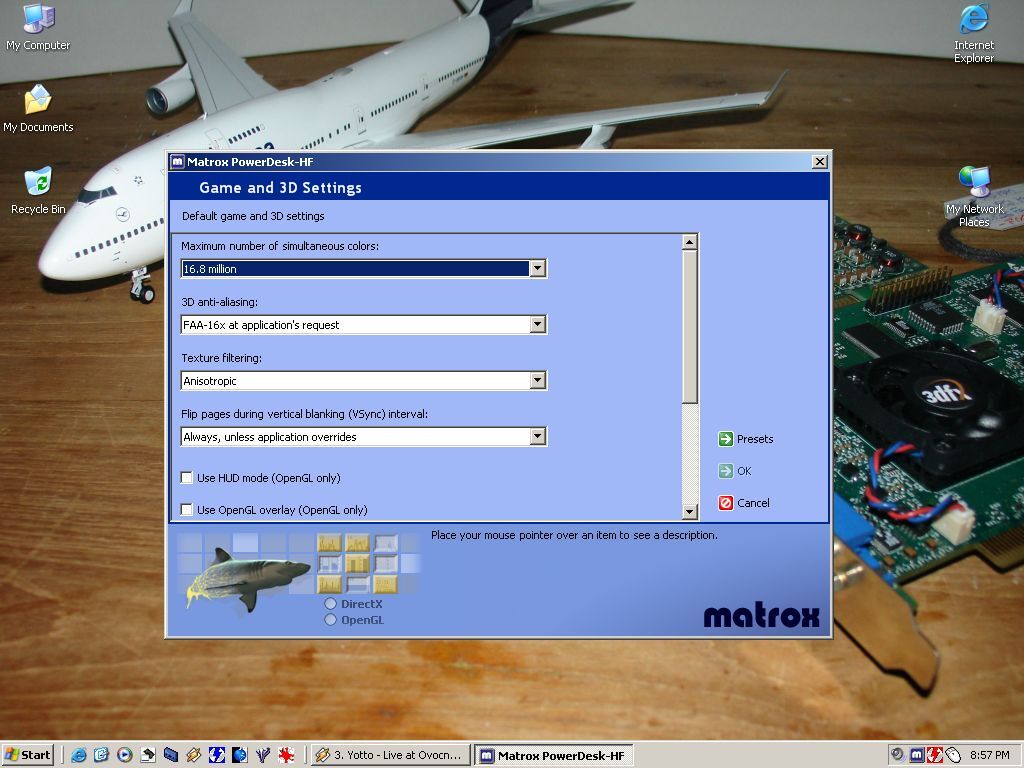
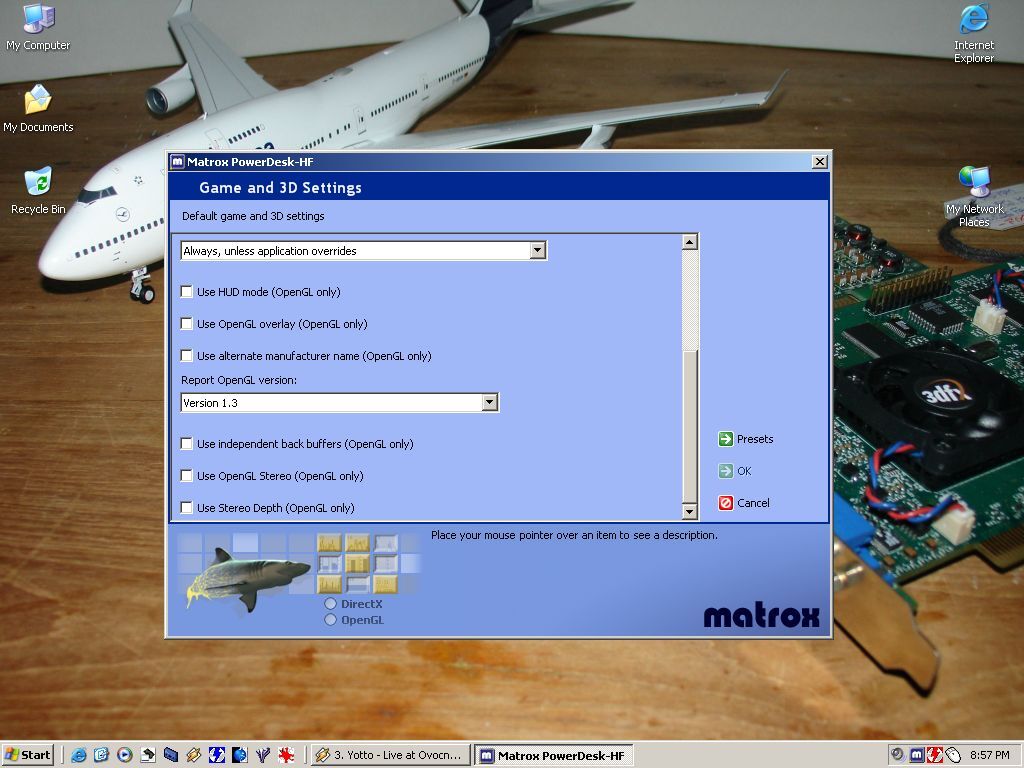
Here the May 2007 WDM driver with the September 2003 control panel combined, for the card it's self this is a best of both worlds solution:
ayft8j8f.jpg 8o2zioxq.jpg
6vmpwxt9.jpg pa88lw6h.jpg

Here the performance of Descent 2 with D2X Rebirth 0.58.1 and D2X Retro 1.3a with the May 2007 driver kit:
gclwrr75.jpg ff8eksjq.jpg
vos56chs.jpg

So nice gains here and there for both drivers I used the following settings:
Max in game settings with Super Sampled Rotated grid FSAA x4 + AF x2 from the Matrox Power Desk control panel.
If anyone ever needs help with this I have archived all drivers for all Parhelia cards, this is after all my favorite

Here two 3-way runs I did of 3D Mark 2001ASE Build 330 with the Parhelia AGP 256MB DDR with the May 2007 WDM & September 2003 Control panel and the V5 PCI Mac using the SFFT Alpha 41 driver modified by ps47 & myself:
vorejwcp.jpg omvlrc2u.jpg

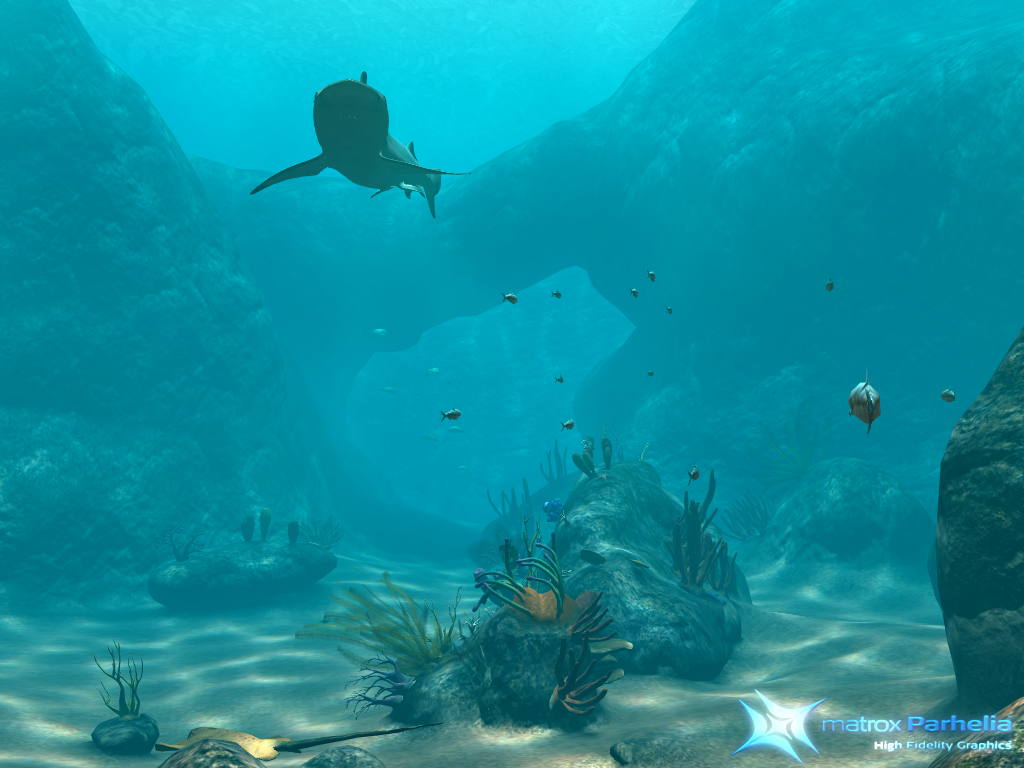
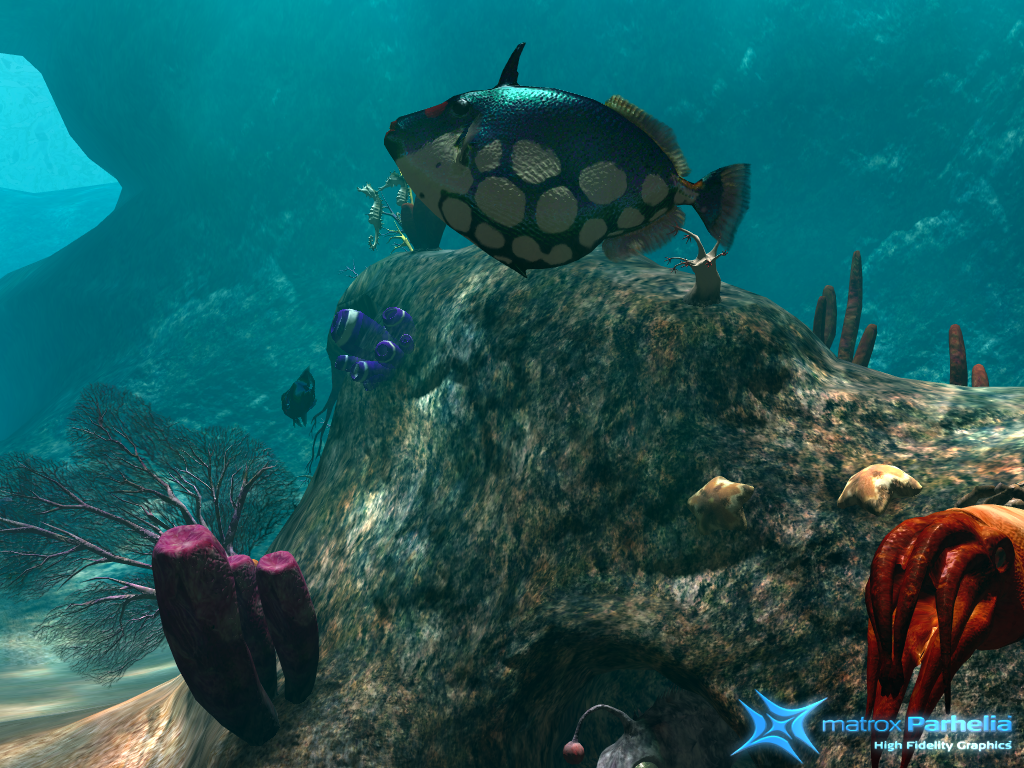
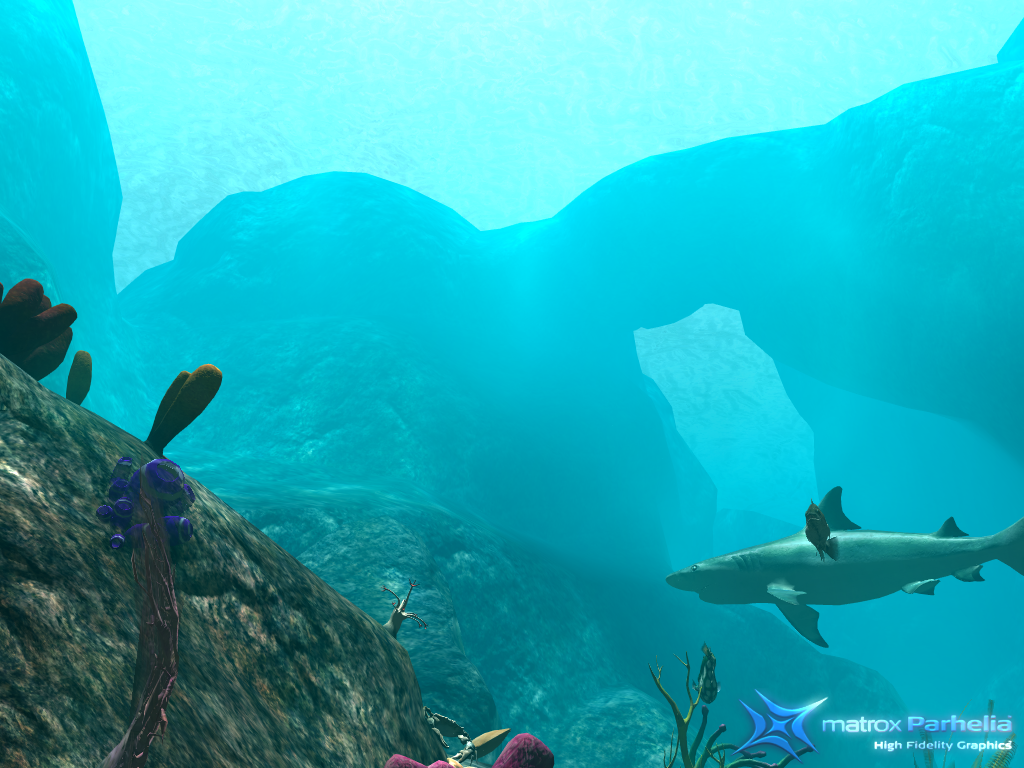
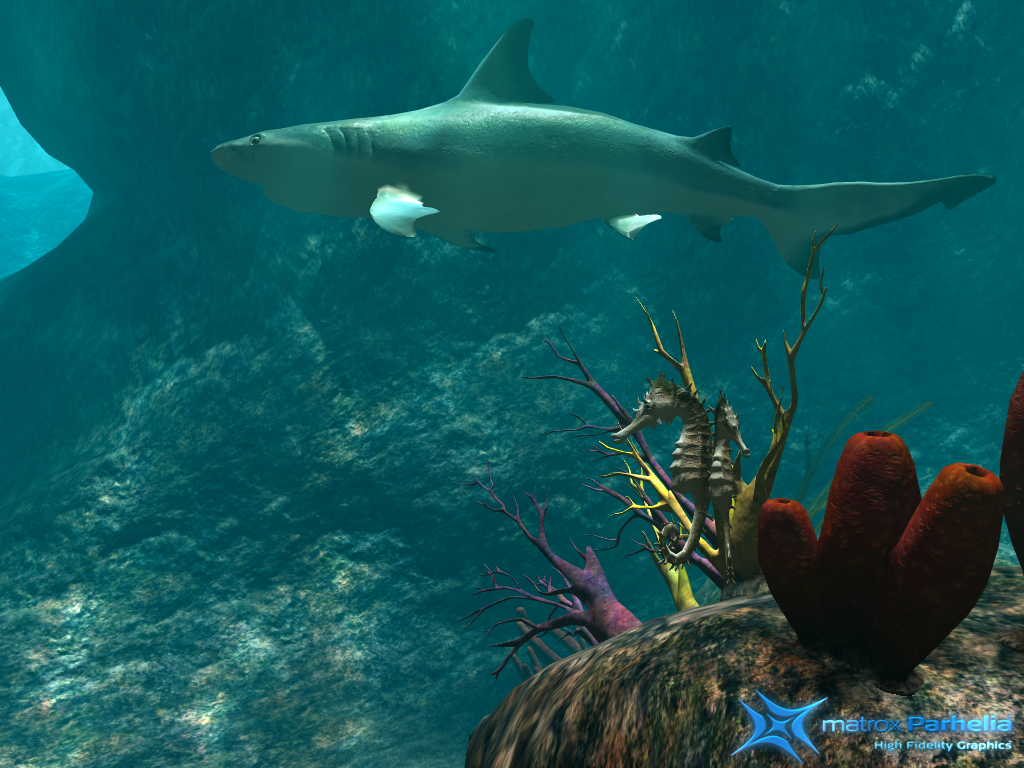
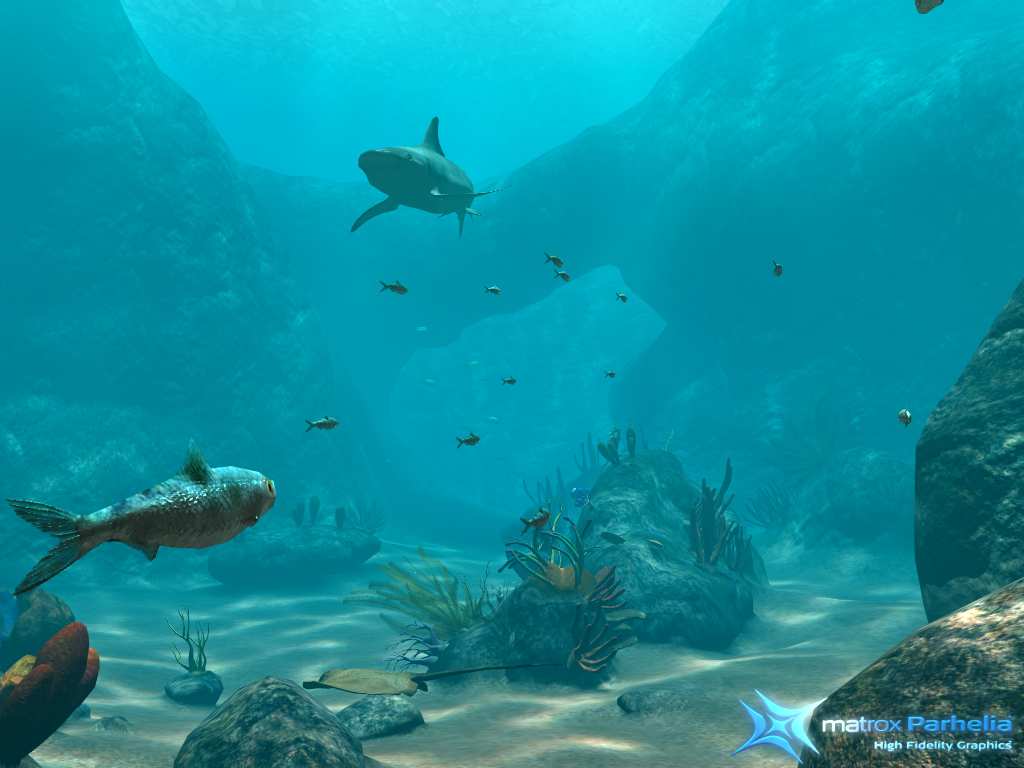
Here the Parhelia running the famous Matrox Parhelia Reef Demo version 1.1
5mvkwjma.jpg ungenmnm.jpg
uhzwxstf.jpg jzp4each.jpg
2c9oy3hx.jpg 5en53zqy.jpg

Here some other games I ran with the Parhelia:

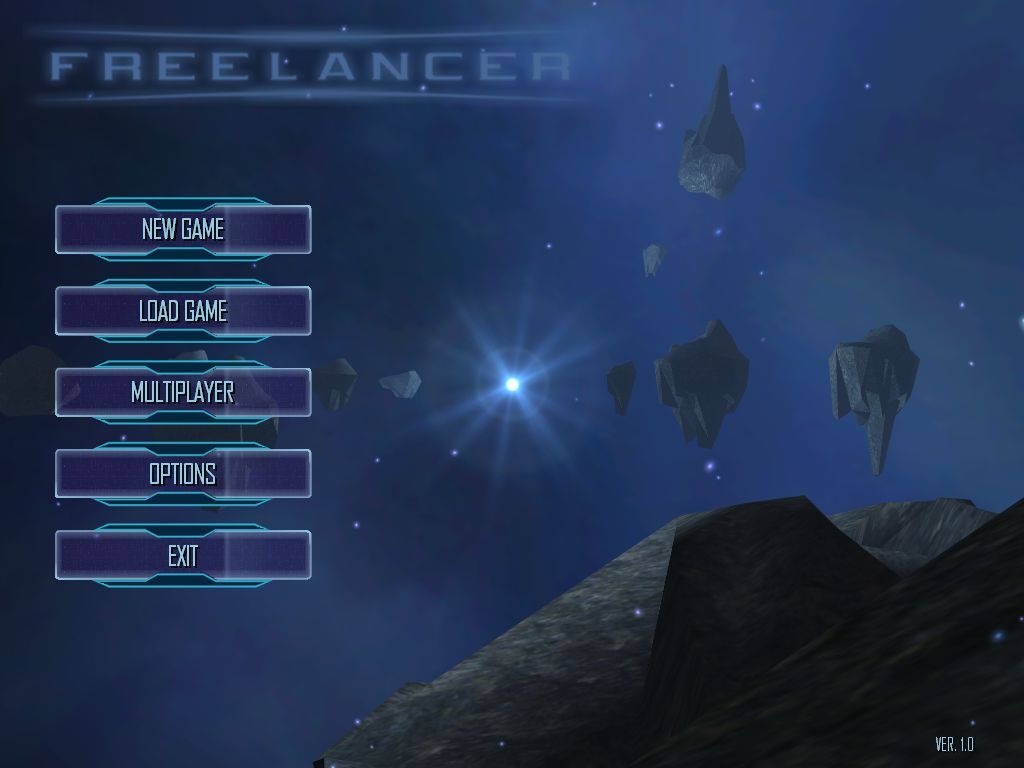
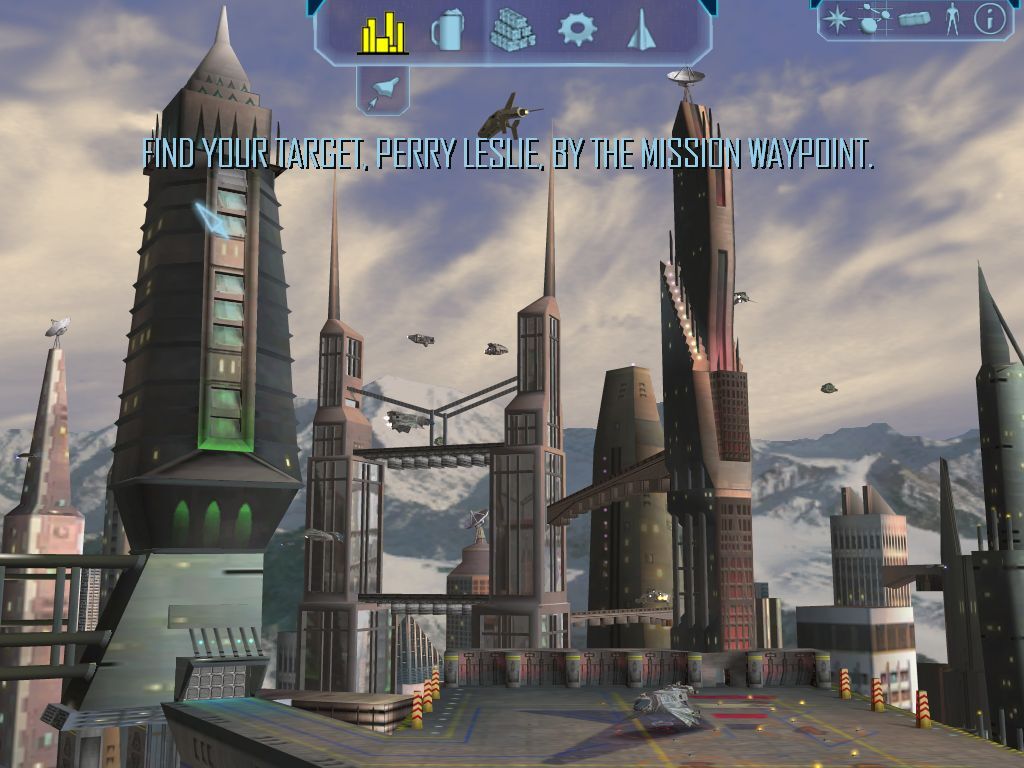
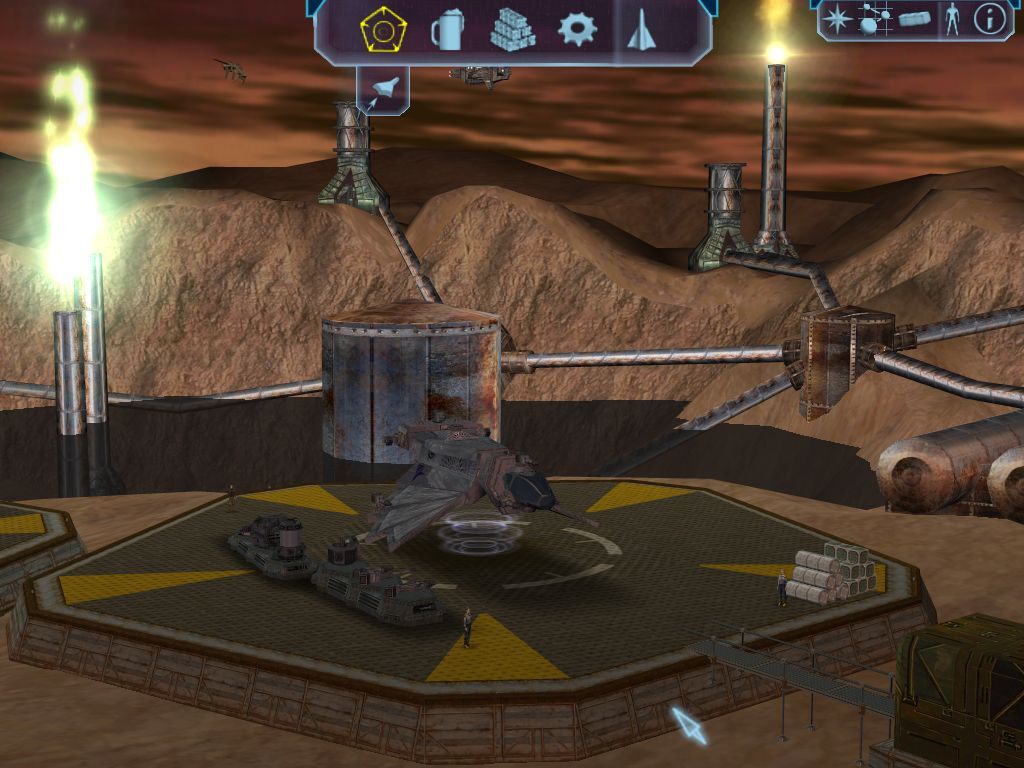
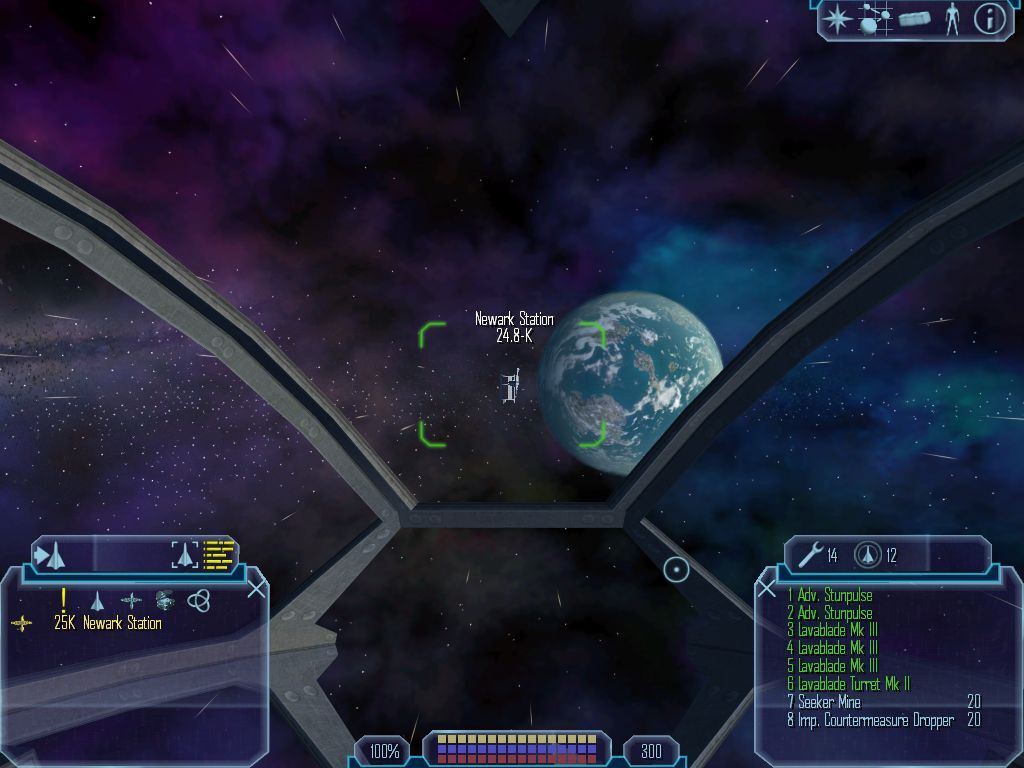
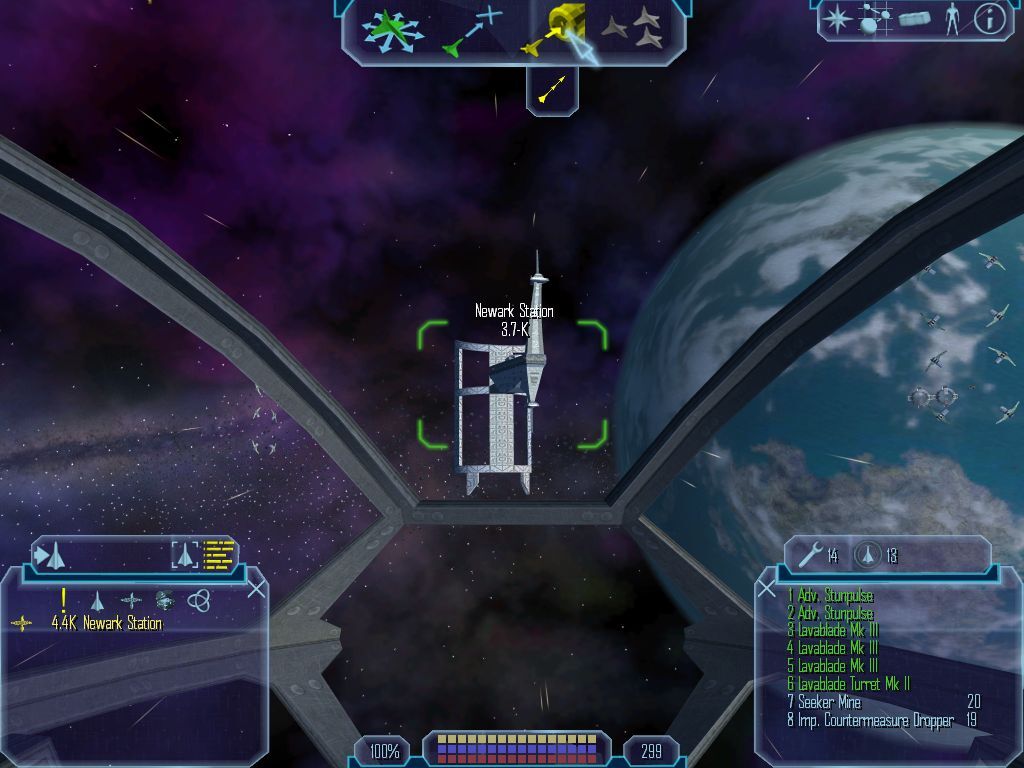
Freelancer by Digital Anvil & Microsoft which was released on March 04, 2003 in the US & April 11, 2003 in the EU
This game gets the max out of the Parhelia P512 GPU thanks to Pixel Shader 1.3 for the 3D objects & Vertex Shader 2.0 support for the Nebula's
My Parhelia ran this game @ 1024x768x32 max ingame settings with FAA x16 & AF x2 and it looks glorious!
8mlf4o97.jpg fmv6icgq.jpg
fxboyc7x.jpg quk7z96t.jpg
ofx22zls.jpg 5zcxbkbz.jpg

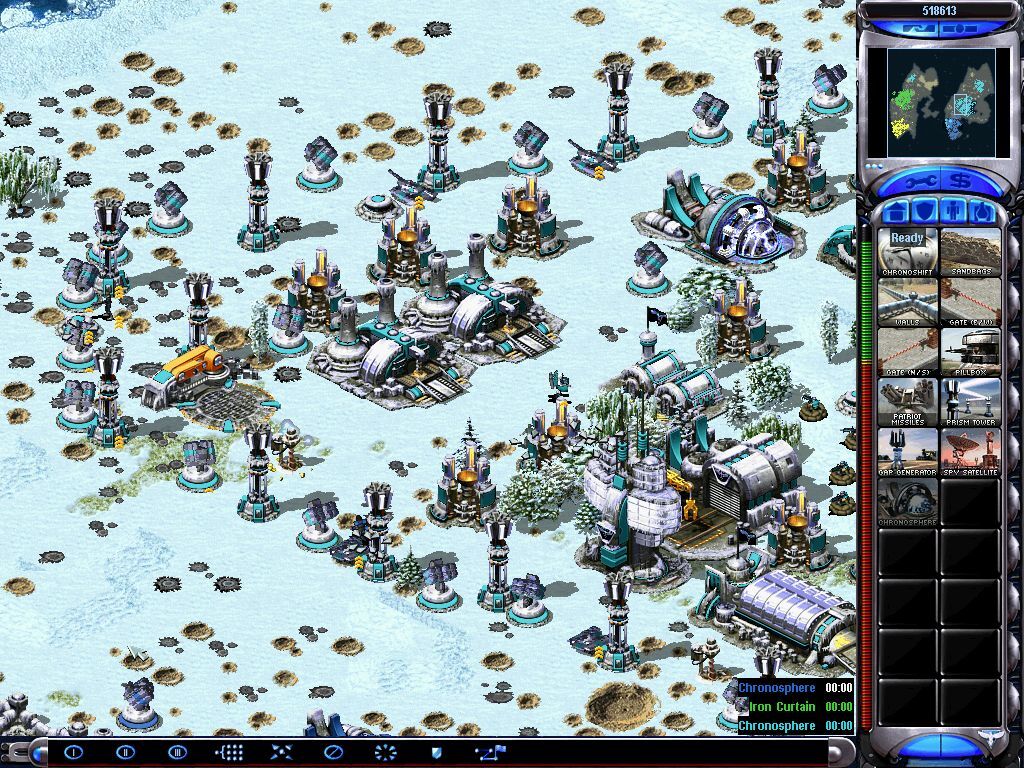
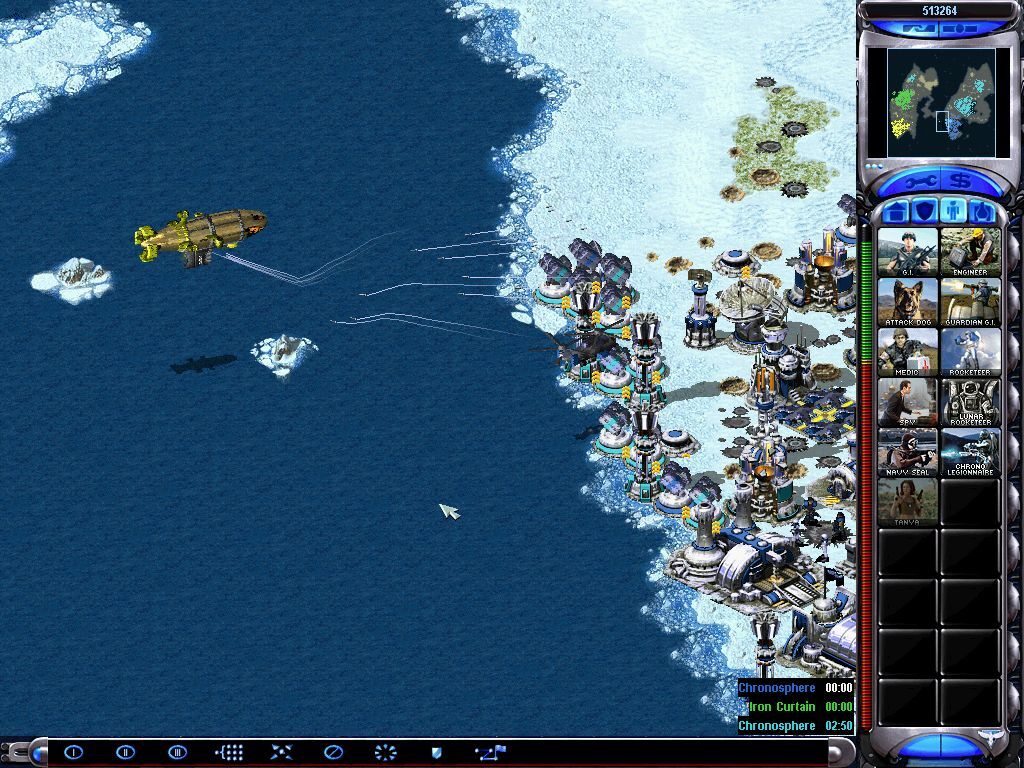
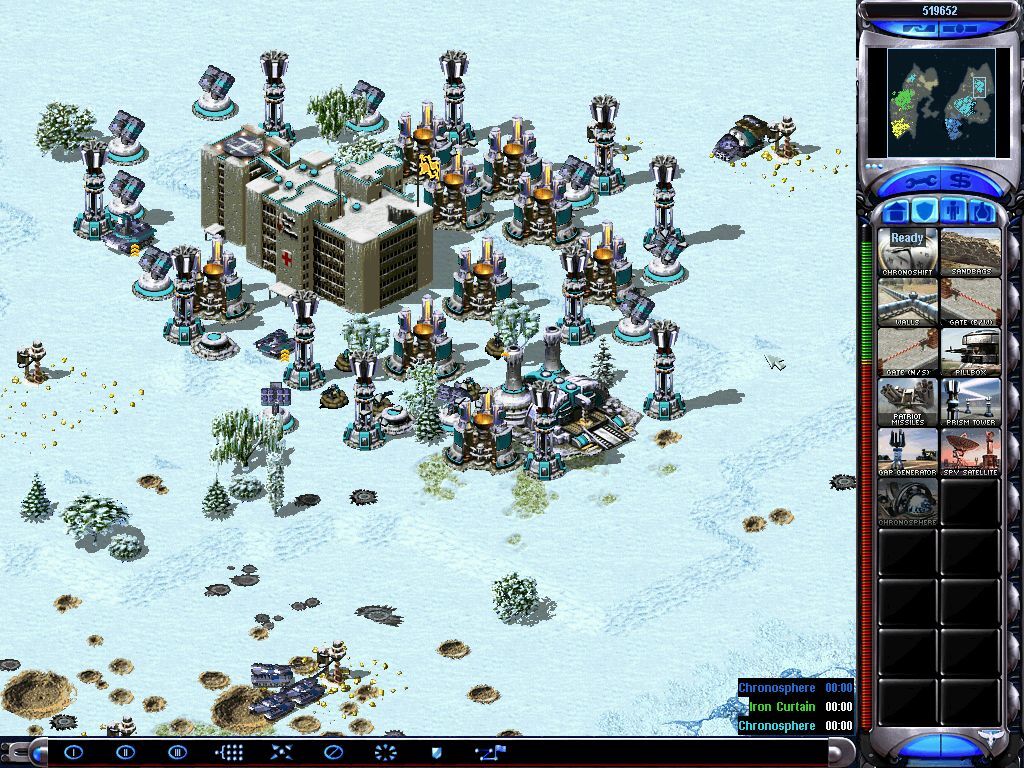
Command & Conquer Red Alert2 which was released on October 25, 2000 in the US and October 27, 2000 in the EU
With Command & Conquer Red Alet 2: Yuri's Revenge by Westwood Studios & EA Games which was released on October 09 2001 in the US & October 19, 2001 in the EU
With Purple Alert Mod 4.10.28 fmade by Marshall Carnis and released on May 02, 2006.
c5hs4tw3.jpg wgmop2t4.jpg
z4vqn2ll.jpg 4vz7ie7t.jpg

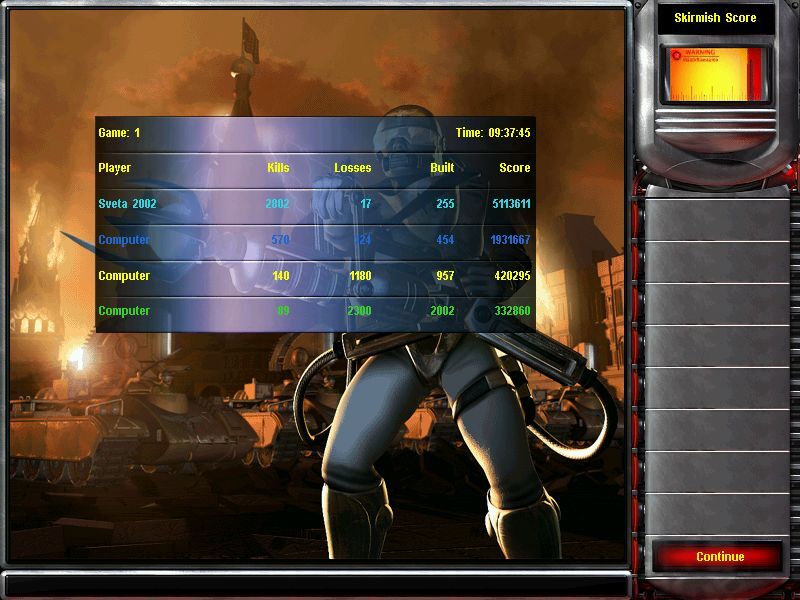
Last pic was the final score of this battle after a game run time of 9 hours 37 minutes and 45 seconds, no crash either.
RA2 is very CPU heavy which makes this the ideal game to use for stability test runs for long term workloads.
srjfiaf6.jpg v7gmivqc.jpg

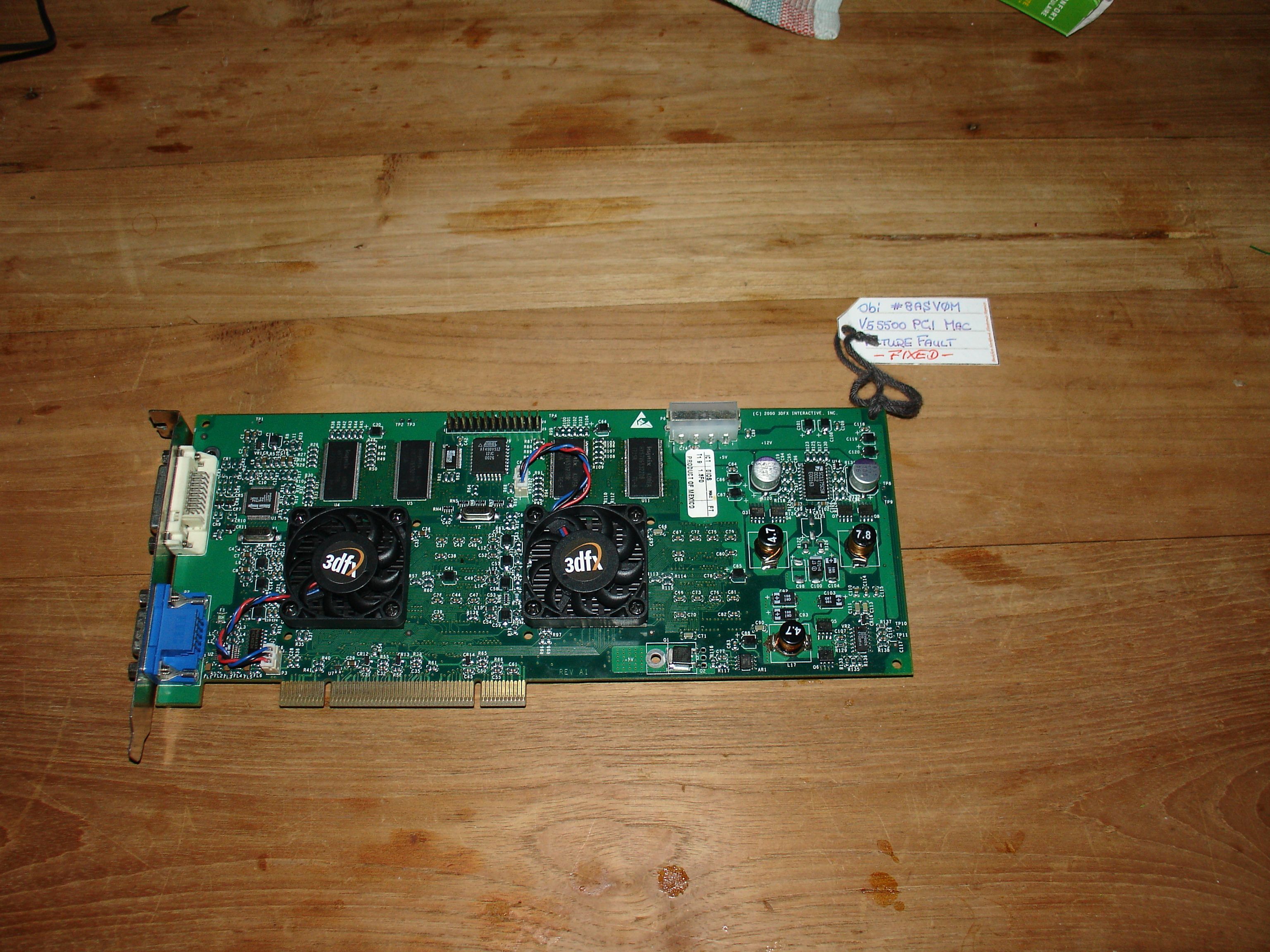
And that is just with the main graphics card, now on with the secondary graphics card the pc flashed Voodoo5 5500 PCI Macintosh 64MB SDR.
This card went through the following nice reworks that were done by two great people from x-3dfx & Voodoo Alert

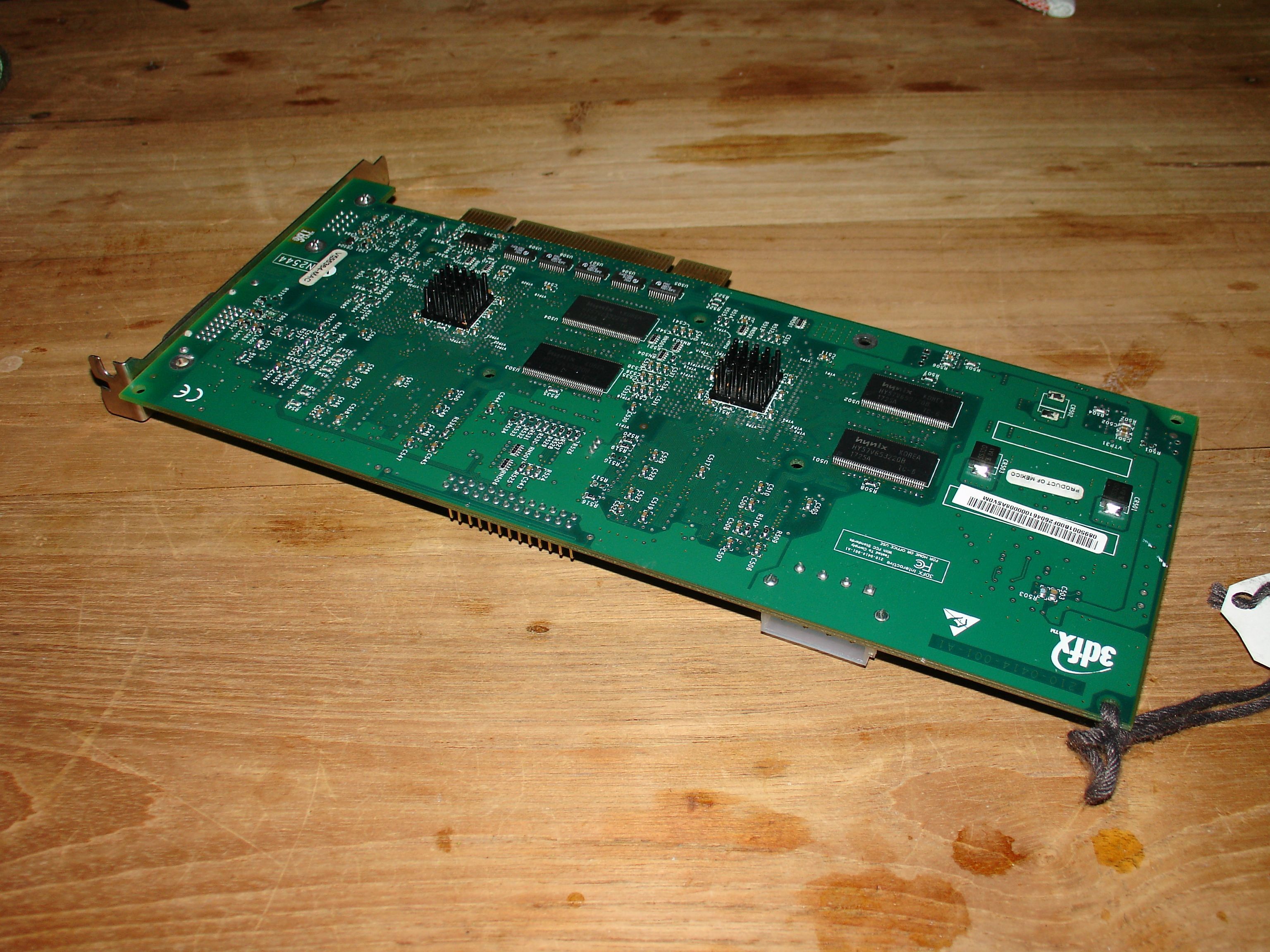
3dfx Voodoo5 5500 PCI Macintosh 64MB Rev.A1 2900 + PC Bios 1.18_DVI
------------------------------------------------
SWZSSR's friend's Recap & Modifications:
01. Full Polymer Recap
02. Burnt Copper Heatsinks for the VSA's rear side
------------------------------------------------
Backfire's Repairs & Reworks:
01. Renewed Ceramic SMD's on the rear
02. 6ns Hynix VRAM renewal for the main VSA-100 Graphics Chip
03. Renewed Heatsinks & Fans for the VSA's topside
04. Renewed Power Supply Controller Chips
05. Fixed the IC U510 Chip's pins
06. Replaced 4x TSOP-86
07. 6ns Hynix VRAM renewal for the slave VSA-100 Graphics Chip
------------------------------------------------
ojxrerfc.jpg geyeaoks.jpg
nlsdbcy8.jpg gzue5nbs.jpg
3v2mw3df.jpg 3f4dhpaz.jpg

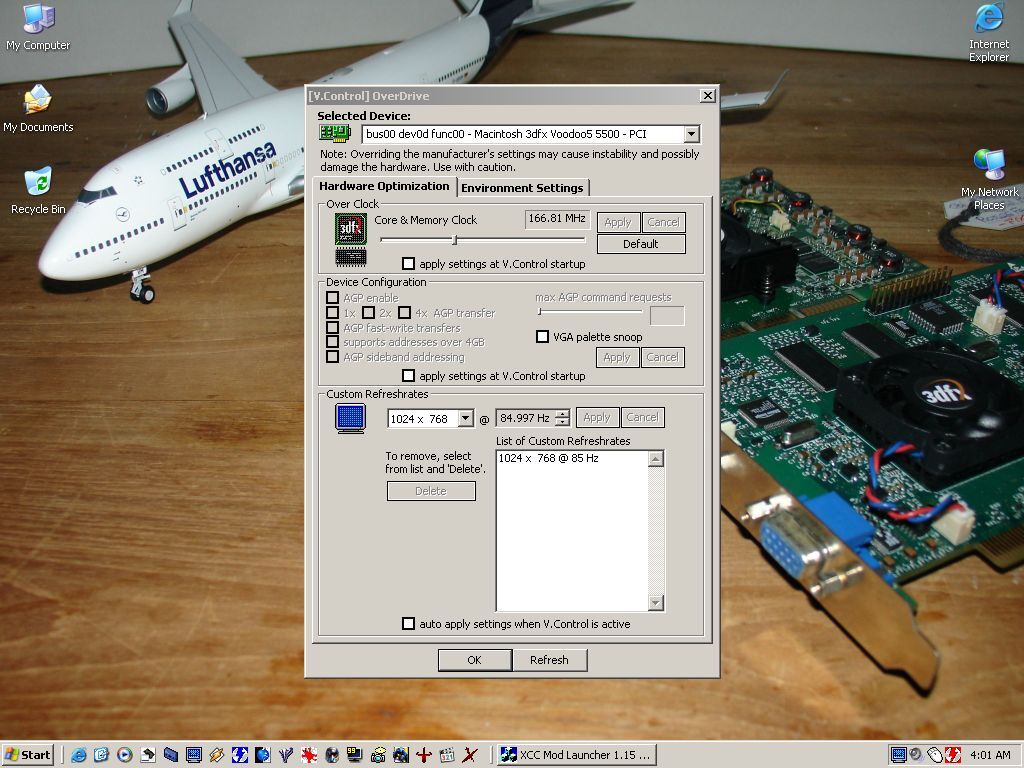
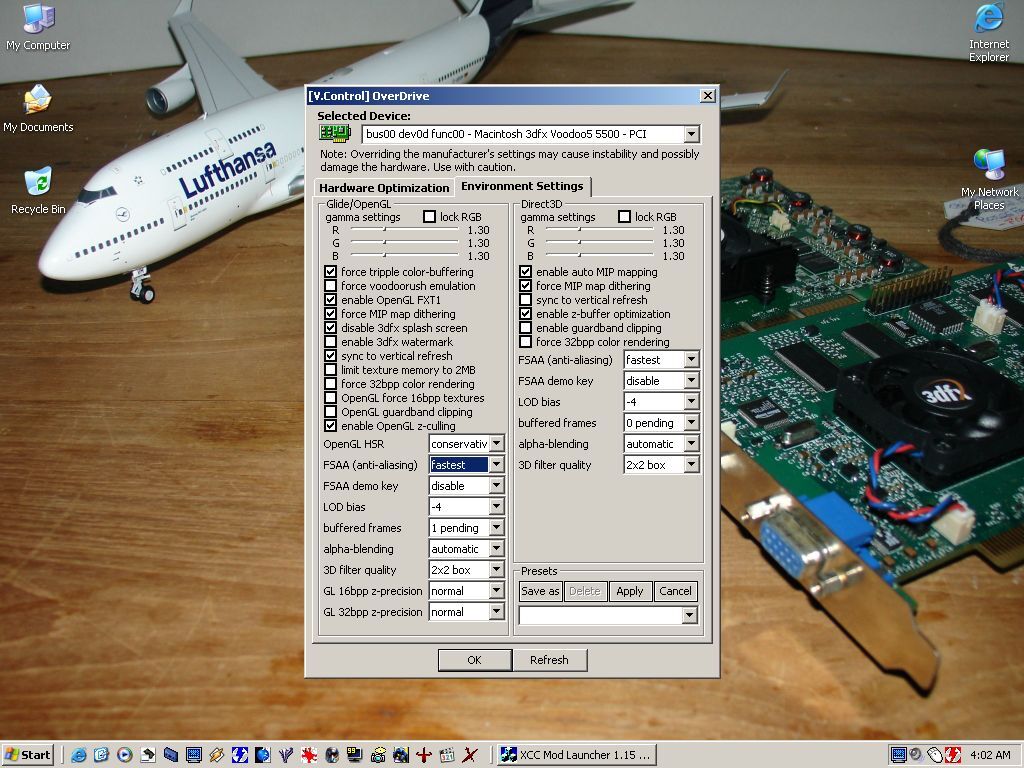
Here the control panel of the V5 PCI Mac that was made by my friend named "KoolSmokey". he from the 3dfx Zone Forums, Italy:
rzxjqk53.jpg 4oxrzxkz.jpg
86gb59bo.jpg q2xgz9nz.jpg

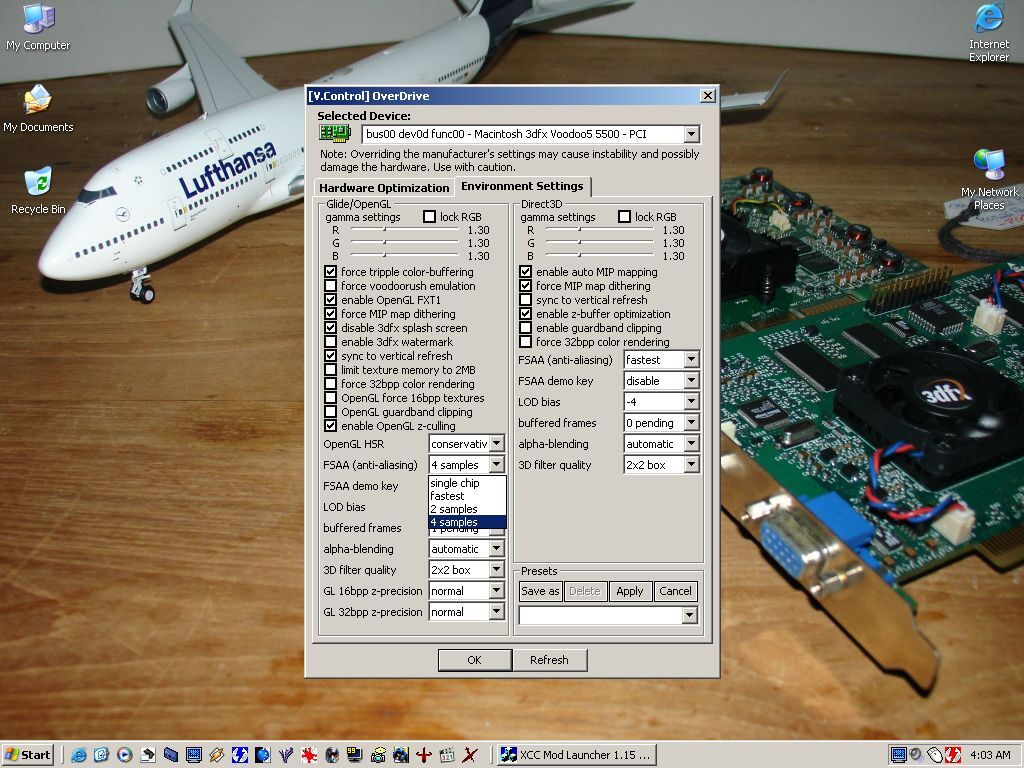
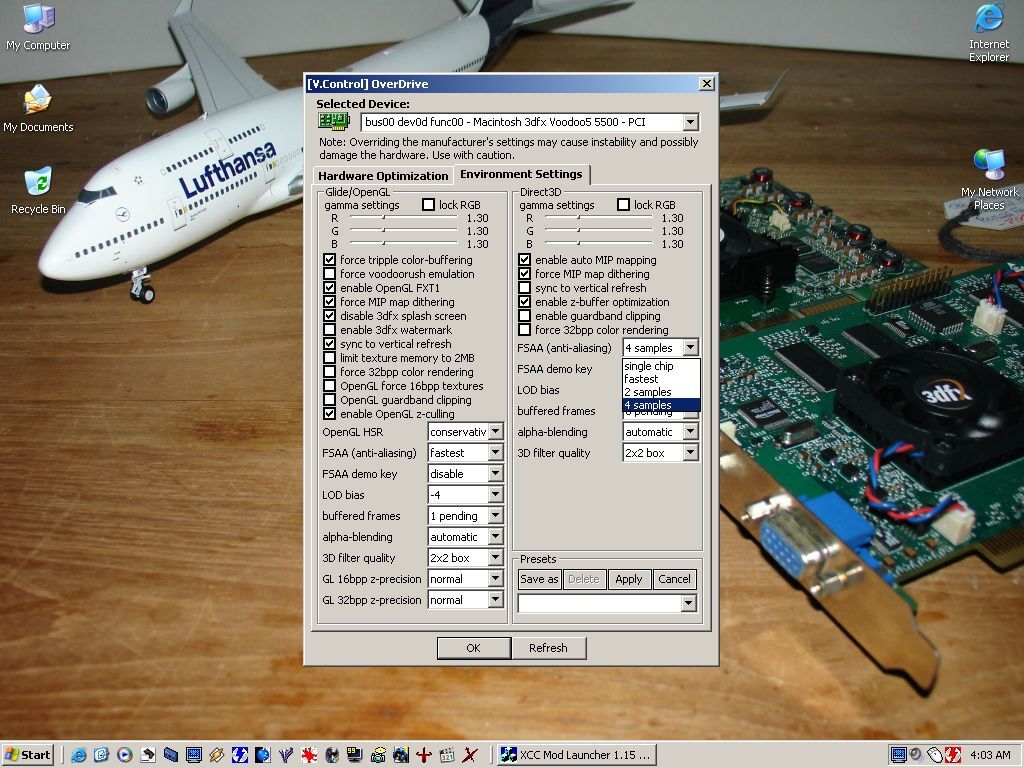
Here the max FSAA setting for both OpenGL/Glide & Direct3D is FSAA x4, hence being a Voodoo5 5500 series of graphics card and by having two 3dfx VSA-100-200 graphics chips:
lwbh66wz.jpg iypfo9ne.jpg

The Voodoo5 5000 & 5500 series both have two 3dfx VSA-100-200 chips, this makes the max FSAA setting as 4 samples
A Voodoo5 6000 has four chips, those do FSAA x8 as max setting, yet a Voodoo4 4500 only has one VSA-100-220, these only have a max setting of FSAA x2, sae rule goes for the 3dfx Daytona cards named Voodoo4-2 4000/4200 & 4800, all of these do FSAA x2 as max FSAA setting as well.
Alas I have worked with all VSA-100 based graphics cards single Dual & Quad SLI setups.
The people from EVGA seen me post my Voodoo5 6000 a few times, this system is kind of a memory to my Voodoo5 days, the PC flashed Voodoo5 5500 PCI Macintosh is the only Voodoo5 I currently have.

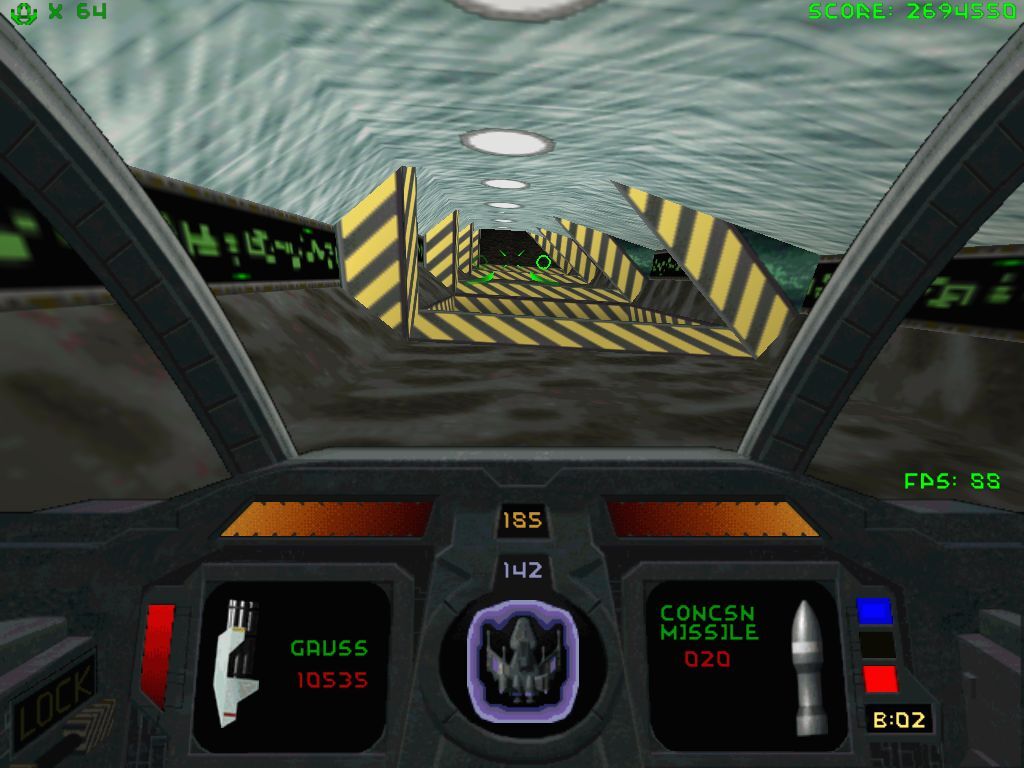
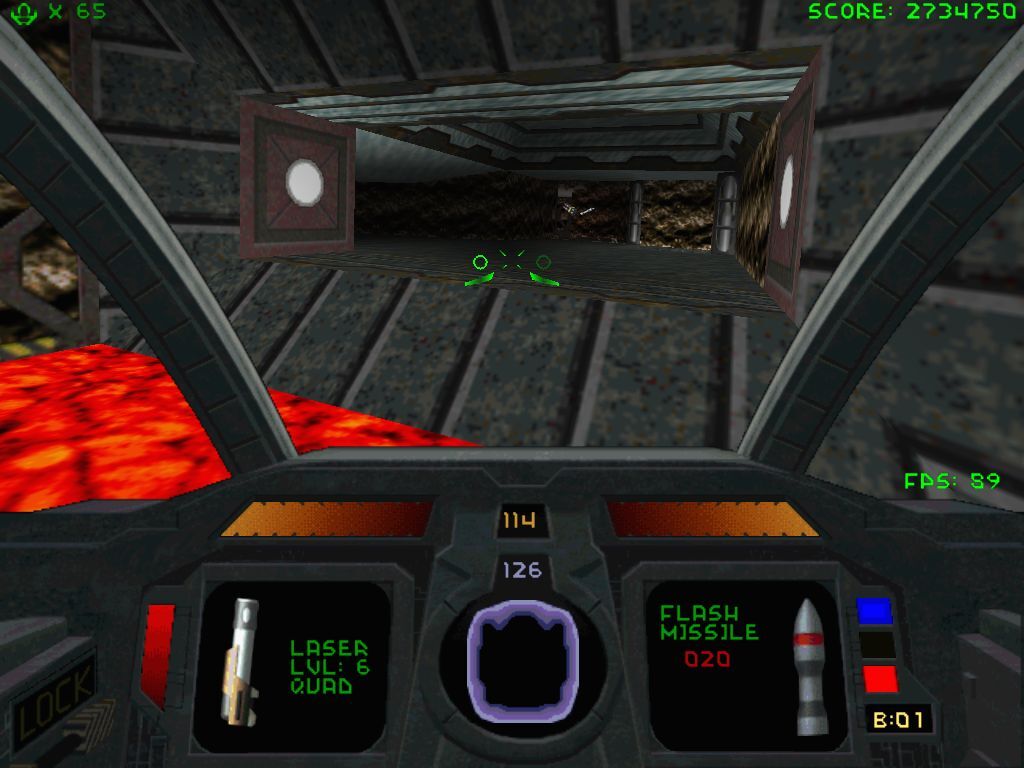
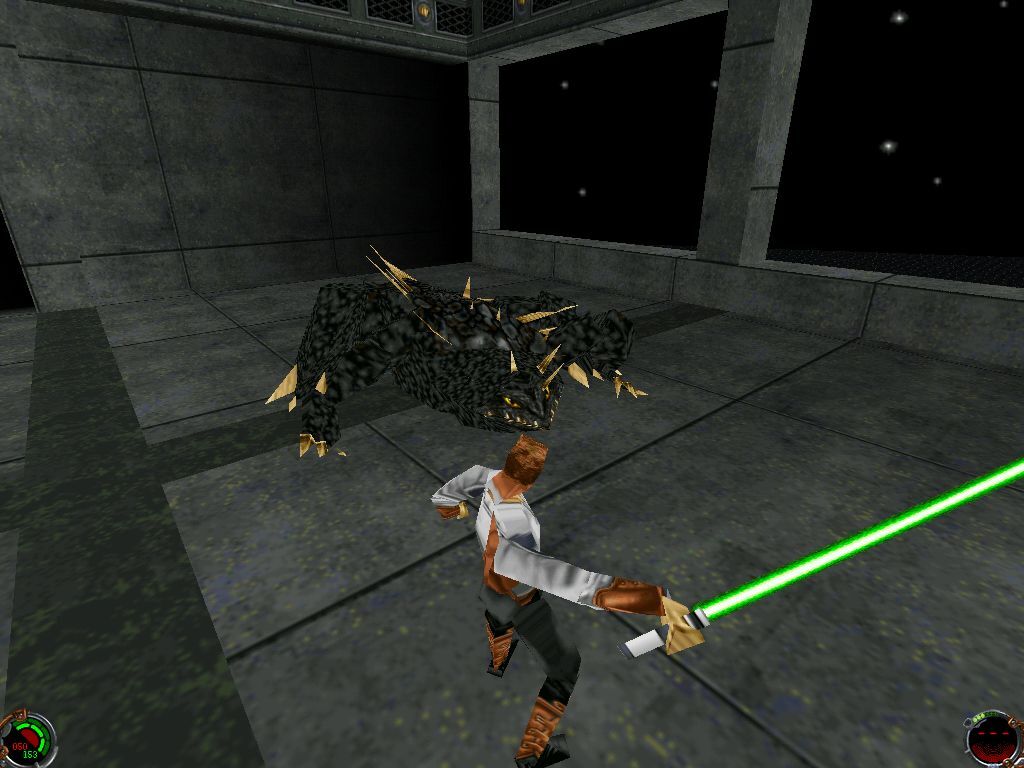
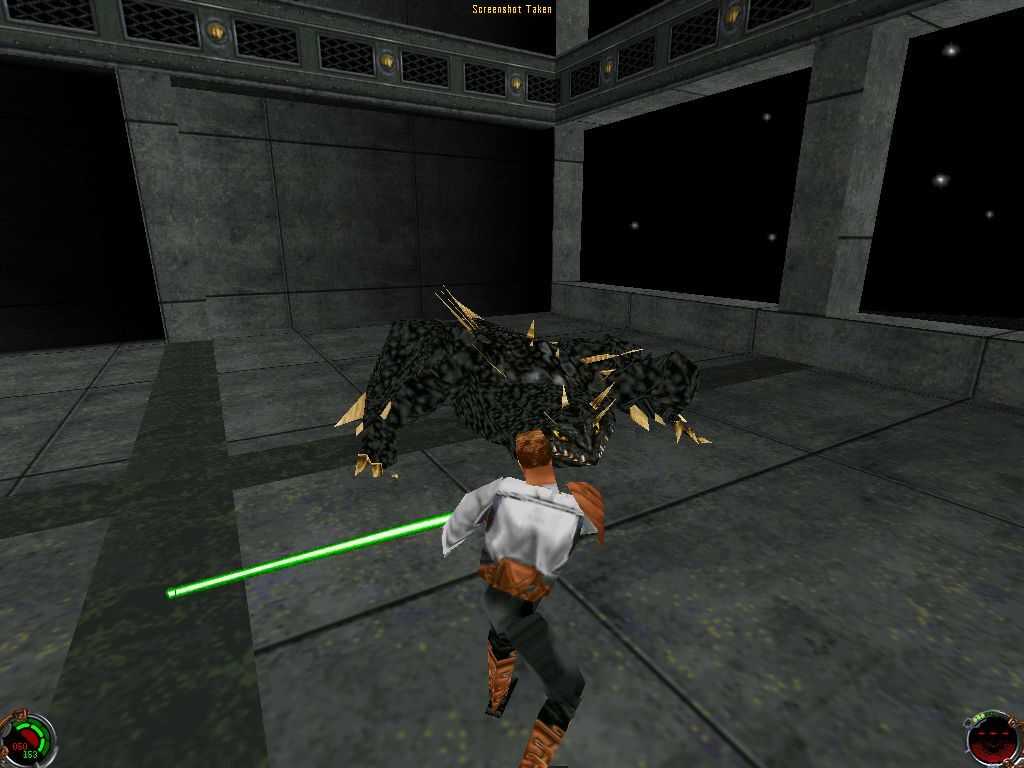
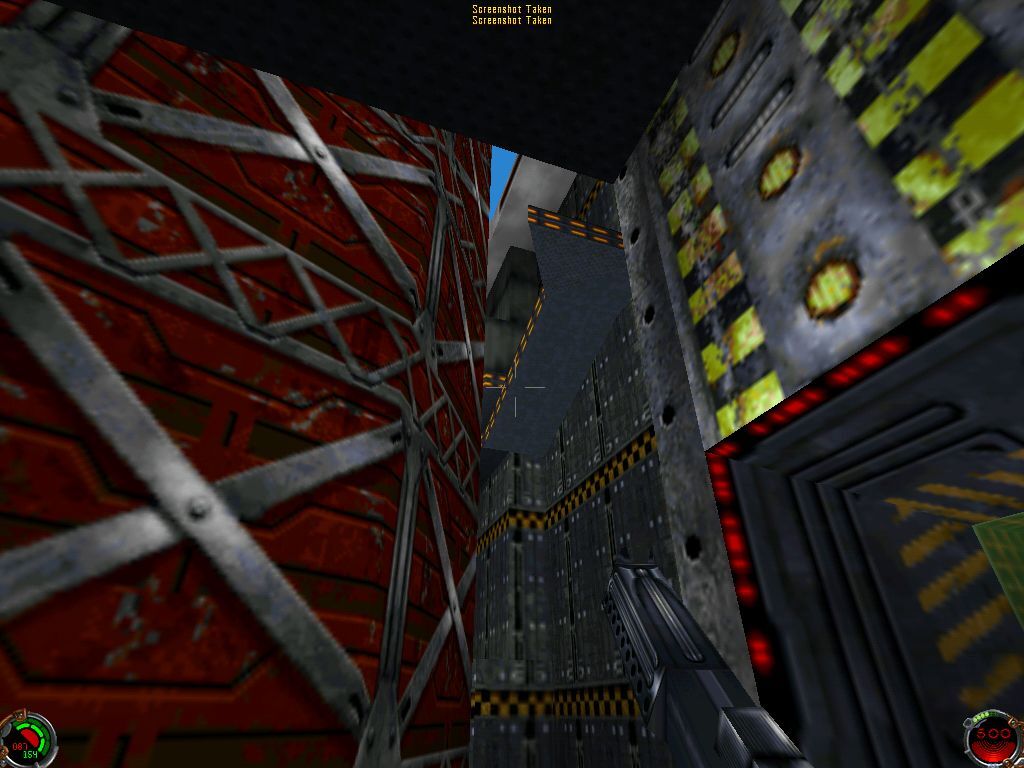
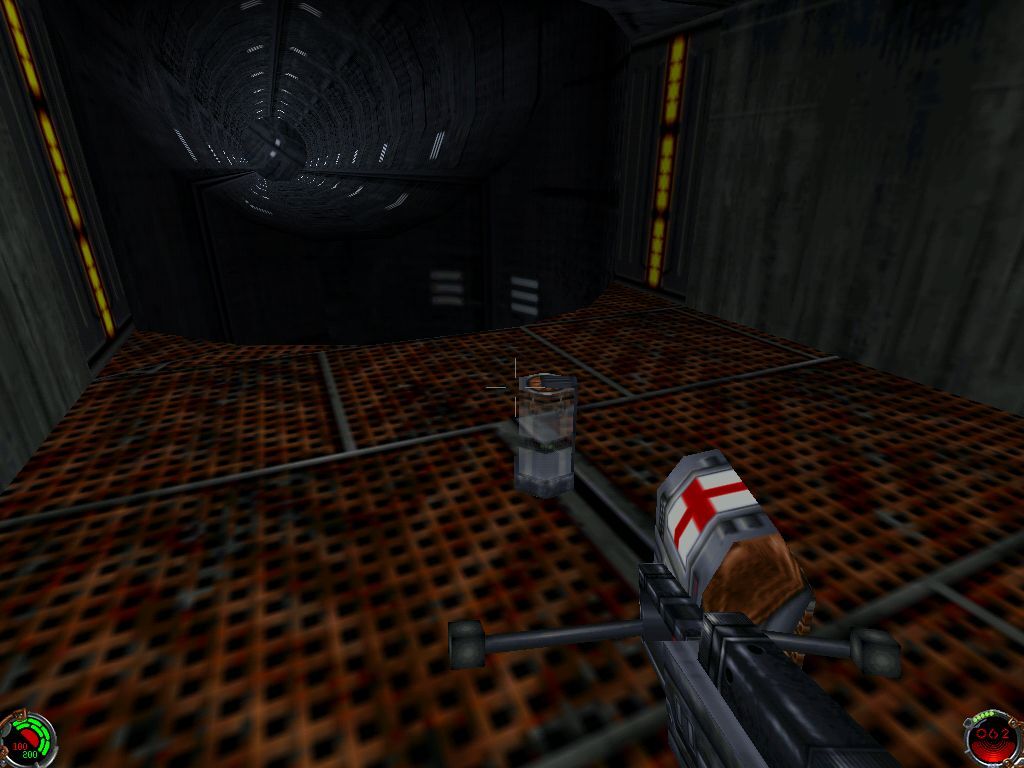
Here that V5 PCI Mac running some games, such as these:

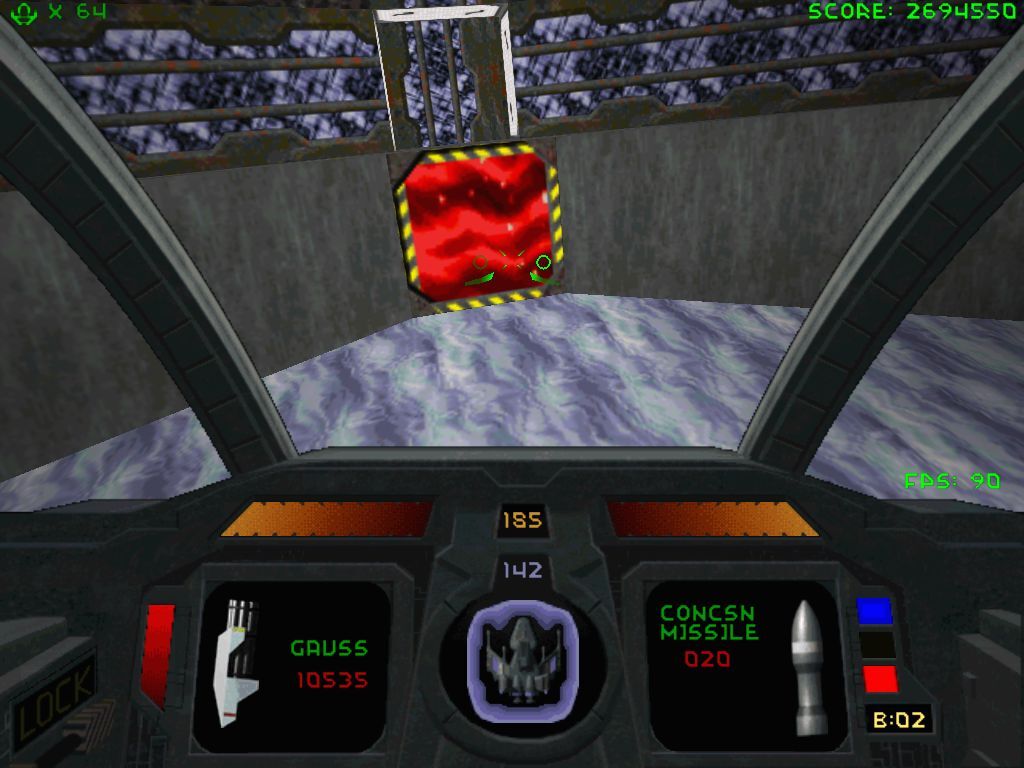
Descent 2 by Parallax Software & Interplay which was released on March 13, 1996 in the US and March 29, 1996 in the EU
Descent 2 is using the mods D2X Rebirth 0.58.1 & D2X Retro 1.3a for improved game play & 3D rendered graphics mode with OpenGL ES 1.2:
wo3roxdx.jpg hz3zpl3t.jpg
eyqwbvsn.jpg

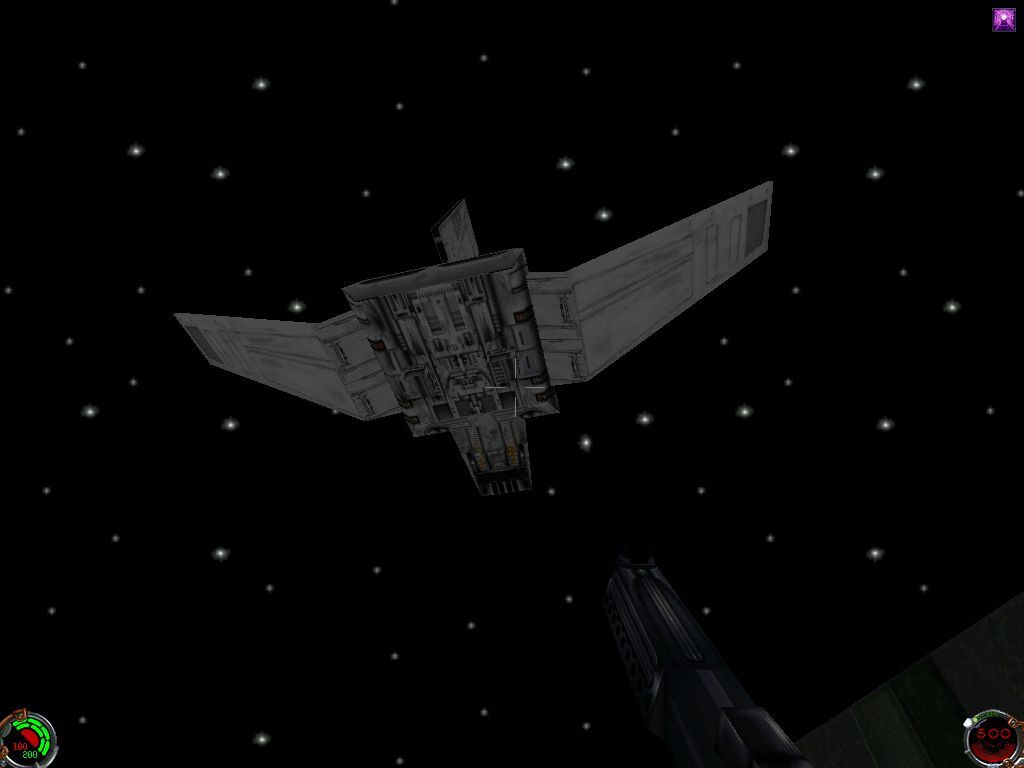
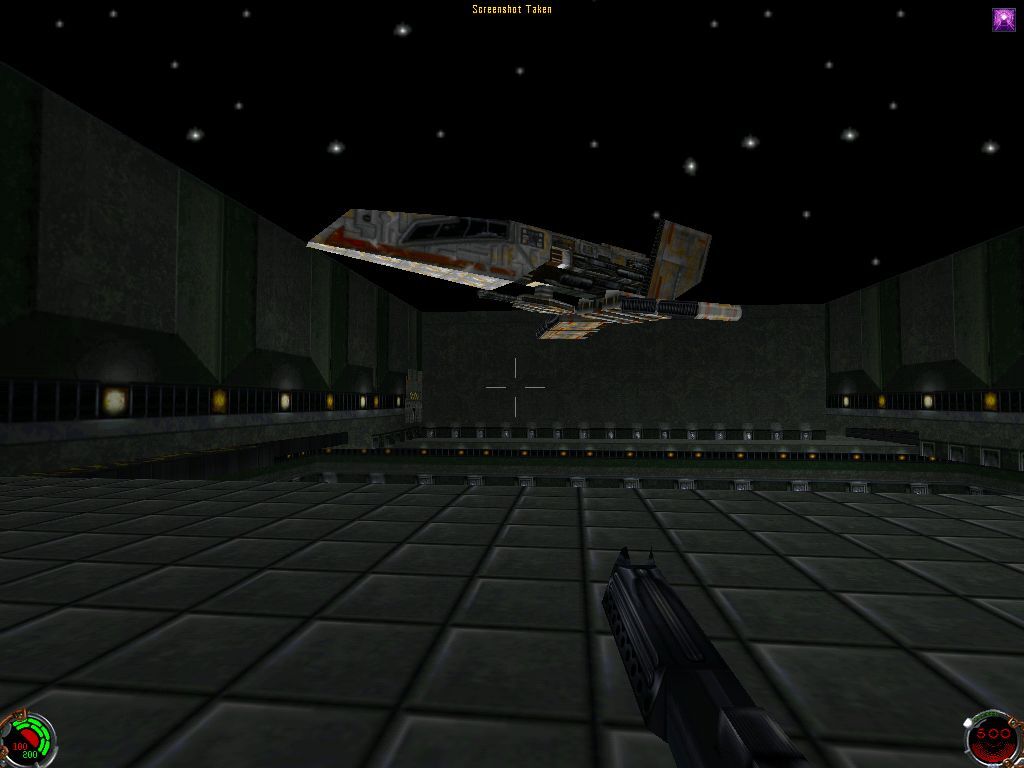
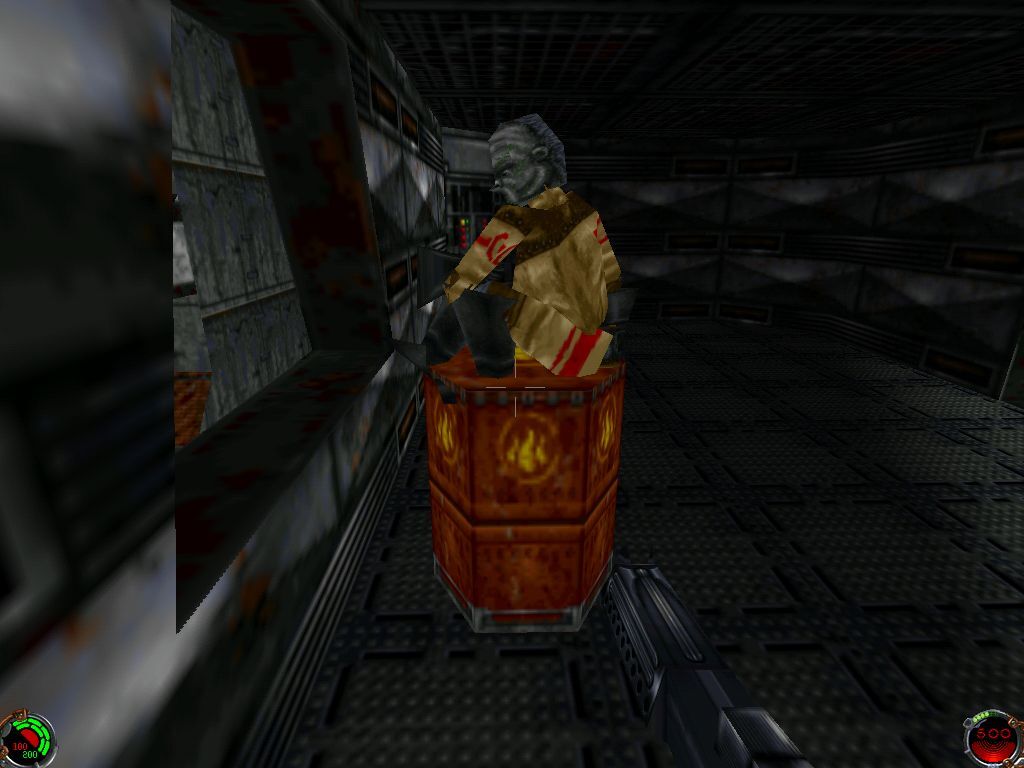
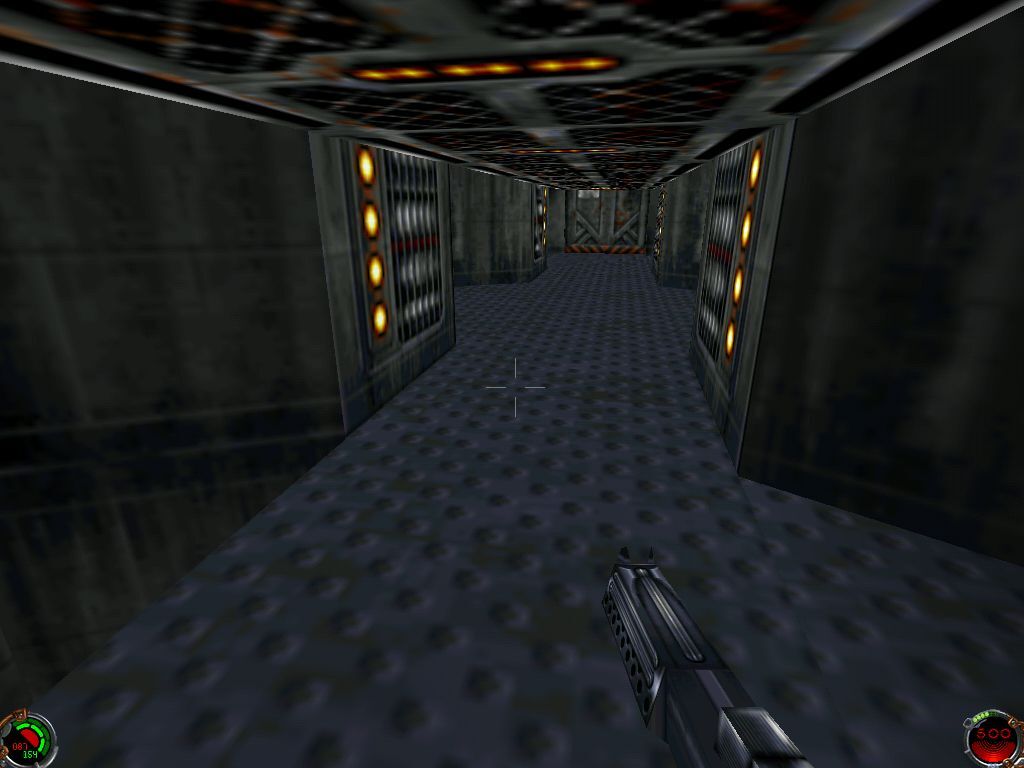
Star Wars Dark Forces II: Jedi Knight by LucasArts which was released on October 09, 1997 in the US & October 17, 1997 in the EU:
taizn5nm.jpg w5v5cwn4.jpg
okusmujn.jpg 3ajulgel.jpg
si9oyz5l.jpg ajb3wug3.jpg
ncfcunnf.jpg kt89bmmv.jpg

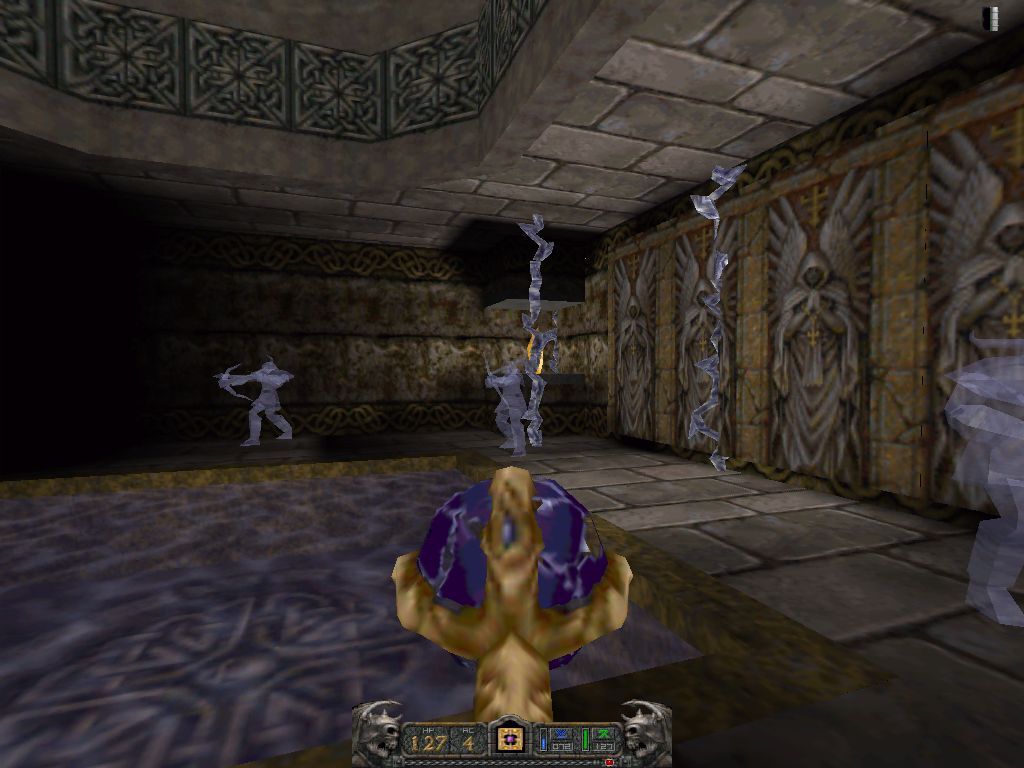
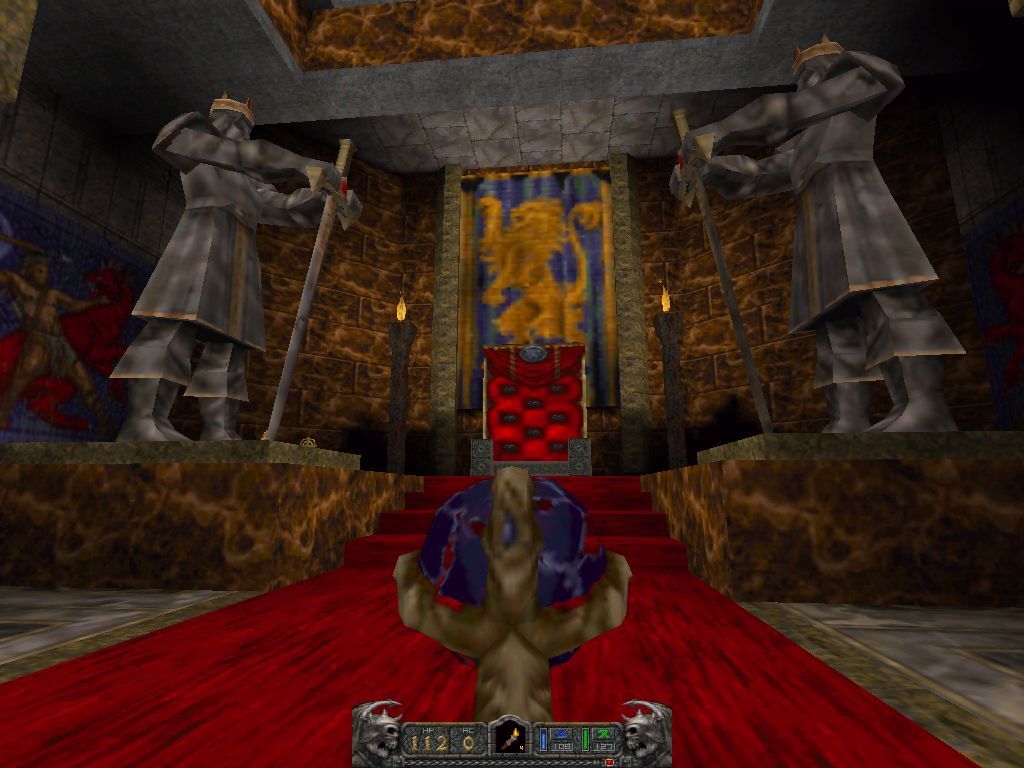
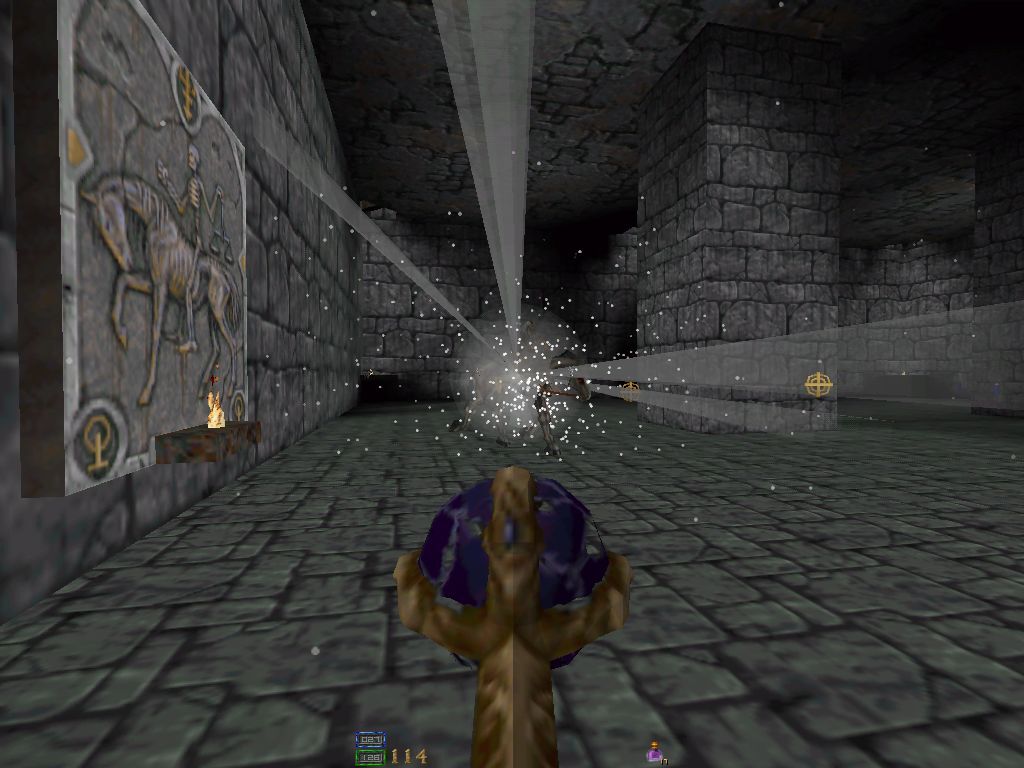
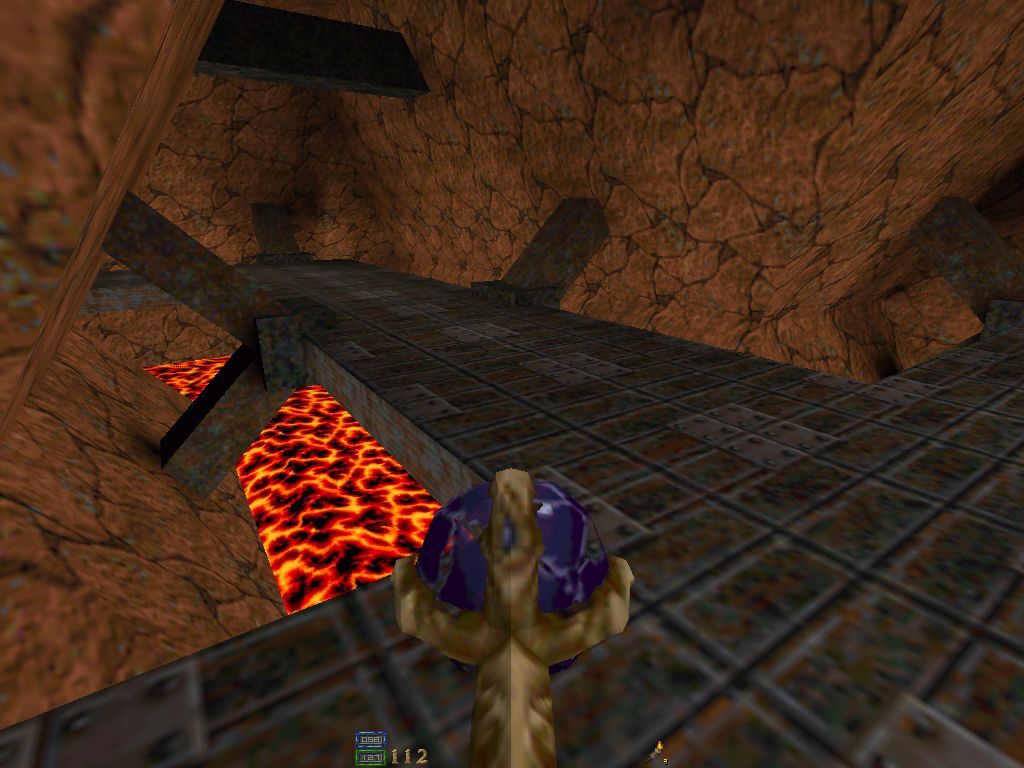
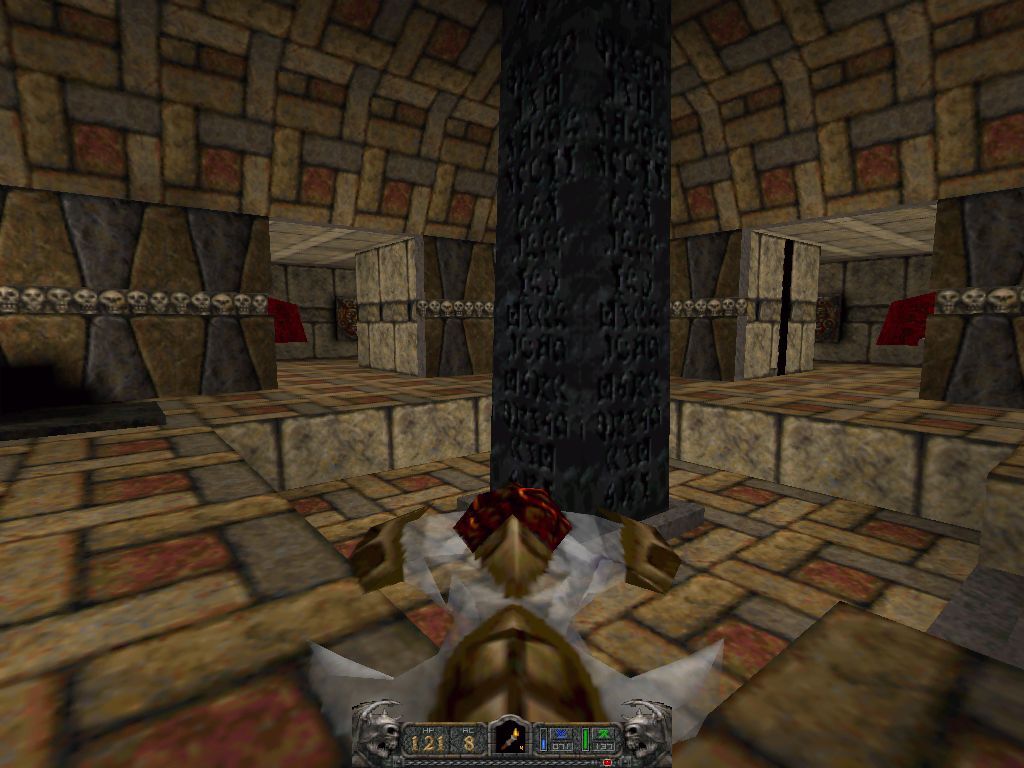
Hexen II 1.11 by id Software & Raven Software which was released on September 11, 1997 in the US & September 17, 1997 in the EU:
opfelkue.jpg qfglmitp.jpg
wyyjyz98.jpg h2yufp6g.jpg
4i7hkcc2.jpg dpj8qy9g.jpg

And this is the end pf Part 02, Part 03 is about sound cards LS-120 drives and the cassette tape convertor drive.

Ok, so I've got my system set up, what do I need to look for in powerdesk to confirm I've got everything? I installed the '03 driver, then installed the later one in device manager. I ask because powerdesk looks different afterwards so I'm not sure if I still have the good version.

Reply 42 of 50, by Gold Leader-B747

User metadata
Rank Newbie
Rank
Newbie
Jackal1983 wrote on 2025-11-04, 03:04:

Ok, so I've got my system set up, what do I need to look for in powerdesk to confirm I've got everything? I installed the '03 driver, then installed the later one in device manager. I ask because powerdesk looks different afterwards so I'm not sure if I still have the good version.

This is all ya need to see if you followed my steps correctly:

Here the info tab of the May 2007 driver aka Matrox Power Desk 1.13.0.158:
uoq398s3.jpg

Here Matrox Power Desk 1.13.0.158 aka the May 2007 WDM driver with Matrox Power Desk 1.5.0.107 aka the September 2003 control panel combined, for the card it's self this is a best of both worlds solution:
ayft8j8f.jpg 8o2zioxq.jpg
6vmpwxt9.jpg pa88lw6h.jpg

If your Matrox Power Desk Control Panel shows exactly what mine does, then you have executed it all correctly 😀

K7 T-Bird 700 Slot A | K7 Pro | 768MB SDR| V3 3500 TV | Gold rc AWE64G
P3 C-Mine 850 Slot 1 | EP-BX3 | 512MB SDR | G400 MAX | 2xGainward V2-12MB in SLI | Gold rc EWS64-XL
AXP 2200+ | EP-8K7A+ | 2GB DDR | P512 AGP 256MB | V5 PCI Mac | Audigy2 ZS P-Pro

Reply 43 of 50, by Jackal1983

User metadata
Rank Member
Rank
Member
Gold Leader-B747 wrote on 2025-11-05, 19:13:
This is all ya need to see if you followed my steps correctly: […]
Show full quote
Jackal1983 wrote on 2025-11-04, 03:04:

Ok, so I've got my system set up, what do I need to look for in powerdesk to confirm I've got everything? I installed the '03 driver, then installed the later one in device manager. I ask because powerdesk looks different afterwards so I'm not sure if I still have the good version.

This is all ya need to see if you followed my steps correctly:

Here the info tab of the May 2007 driver aka Matrox Power Desk 1.13.0.158:
uoq398s3.jpg

Here Matrox Power Desk 1.13.0.158 aka the May 2007 WDM driver with Matrox Power Desk 1.5.0.107 aka the September 2003 control panel combined, for the card it's self this is a best of both worlds solution:
ayft8j8f.jpg 8o2zioxq.jpg
6vmpwxt9.jpg pa88lw6h.jpg

If your Matrox Power Desk Control Panel shows exactly what mine does, then you have executed it all correctly 😀

Thanks. Do you run HWINFO32 or some other hardware monitoring software on that system? Because both Everest and HWINFO show the core clock on my Parhelia as being 149mhz, not 220ish like its supposed to.

Reply 44 of 50, by Gold Leader-B747

User metadata
Rank Newbie
Rank
Newbie
Jackal1983 wrote on 2025-11-05, 22:59:

Thanks. Do you run HWINFO32 or some other hardware monitoring software on that system? Because both Everest and HWINFO show the core clock on my Parhelia as being 149mhz, not 220ish like its supposed to.

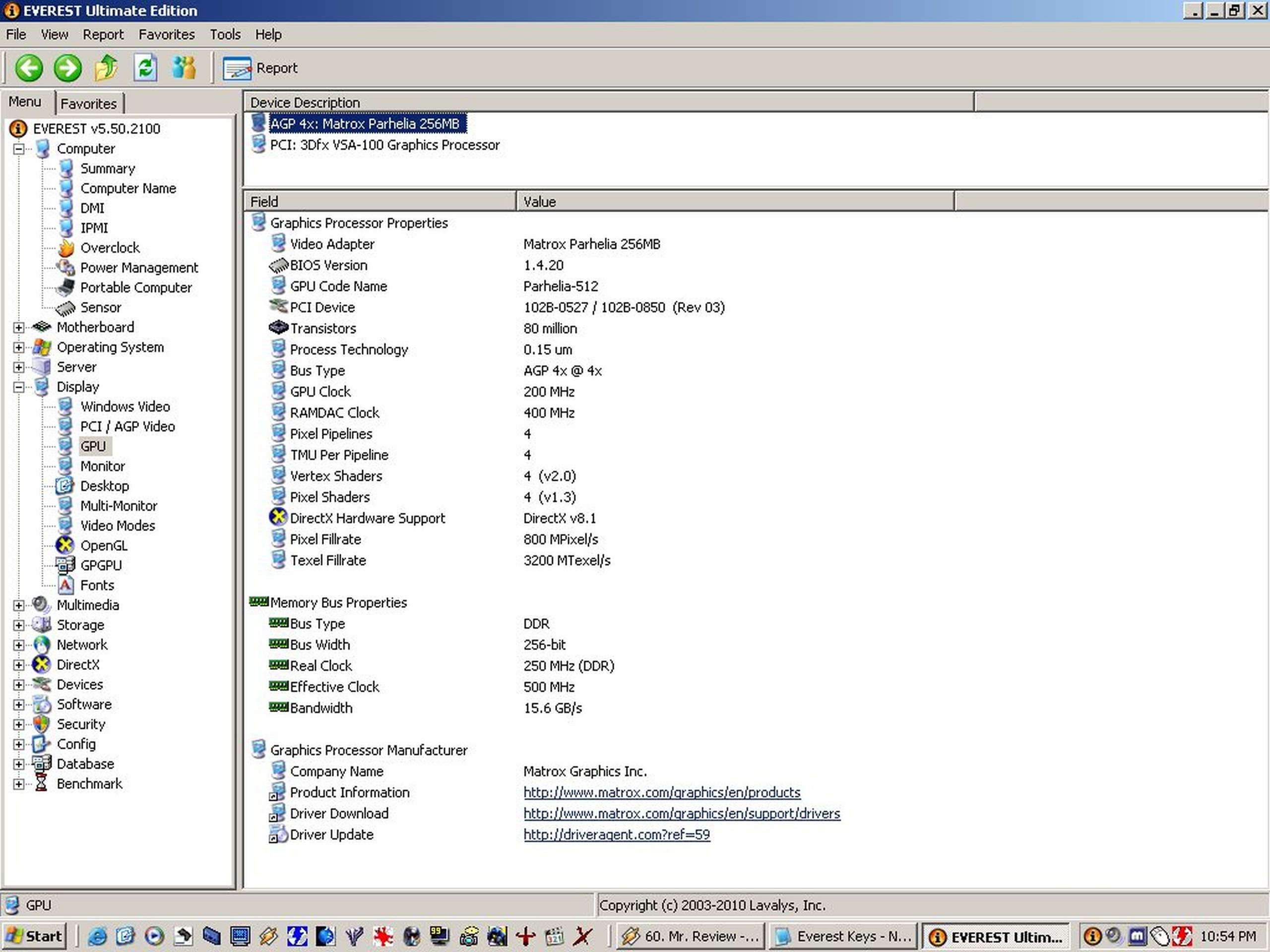
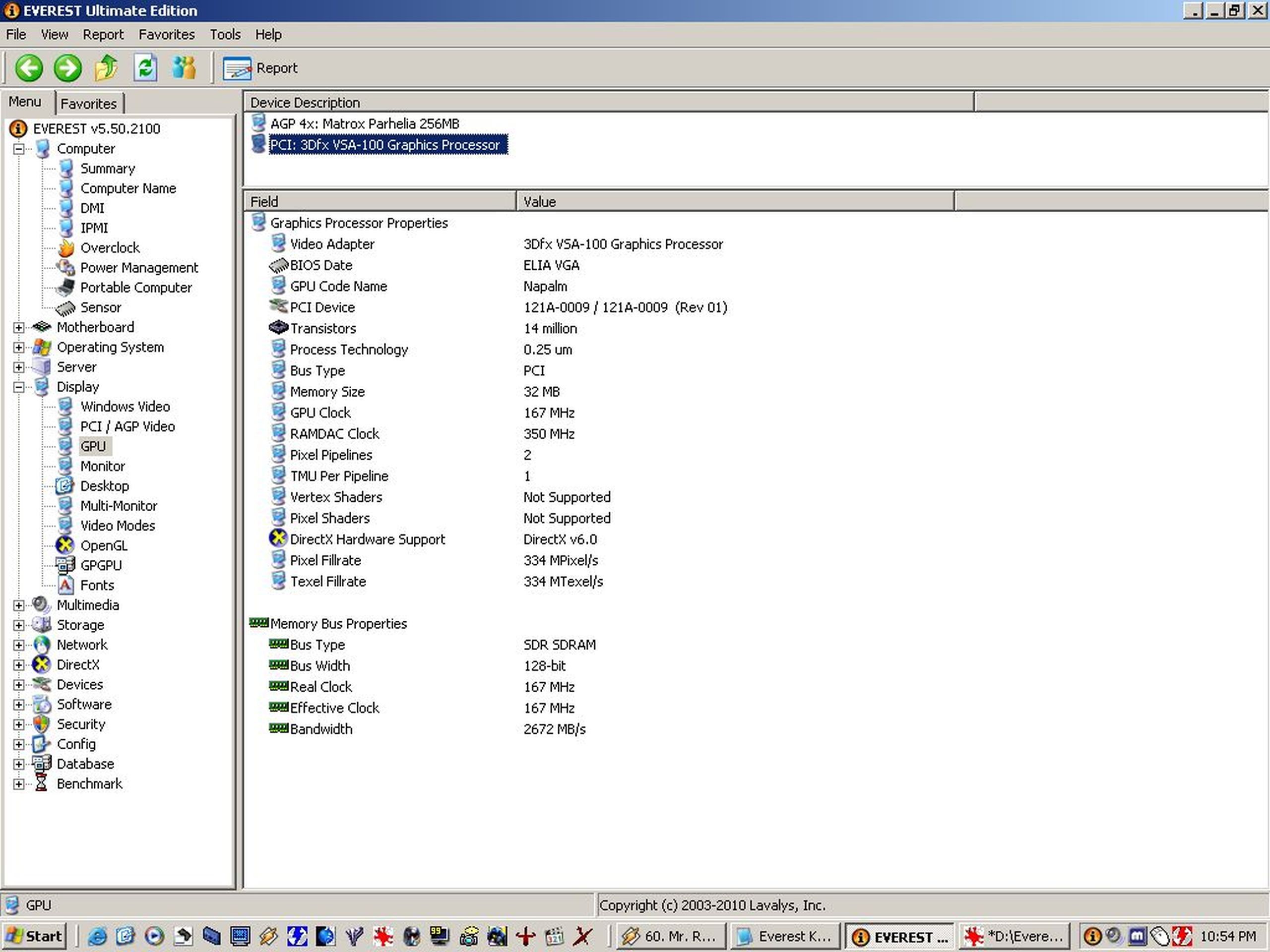
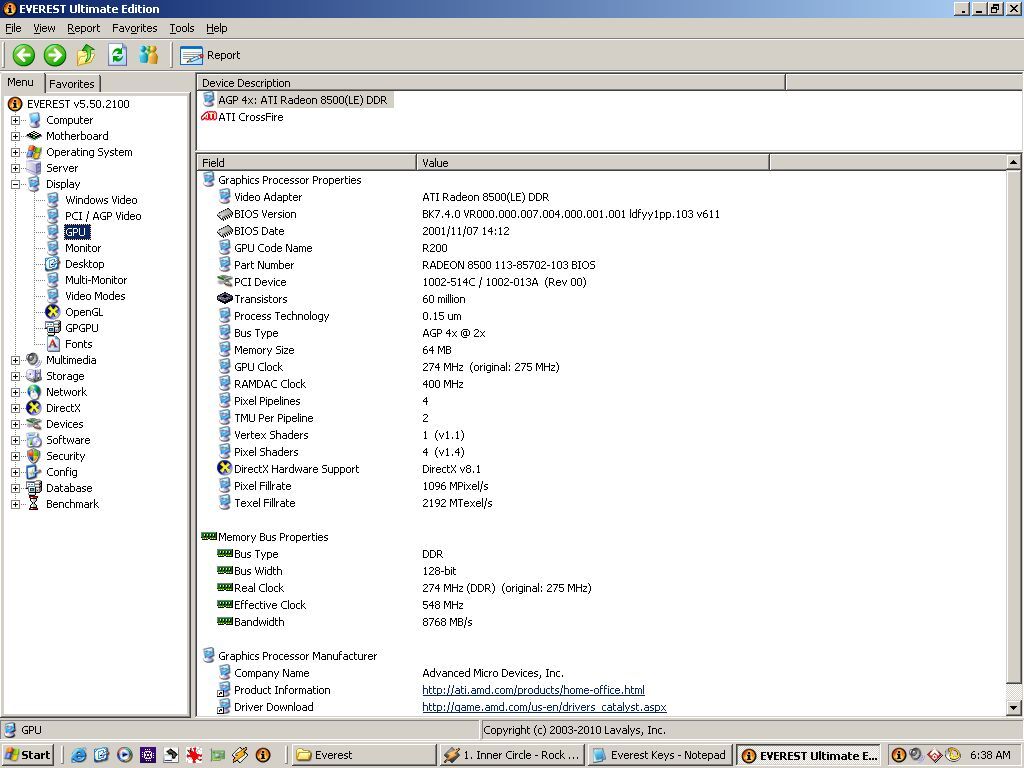
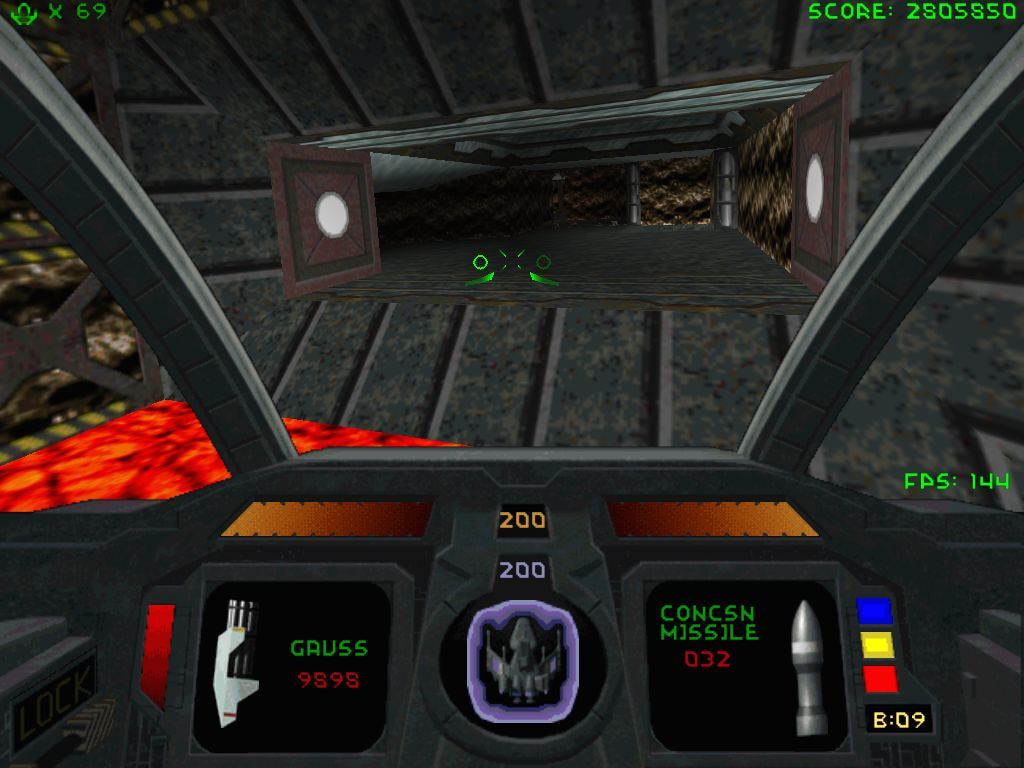
Well I do have Everest Ultimate Edition v5.50.2100 as far as I can recall, yet mine shows nicely at 200Mhz, 2nd pic is the PC flashed 3dfx V5 PCI Mac 64MB which runs 167Mhz, I just added that one for the reference:
ngiwen68.jpg zdguu8rk.jpg
Just for the heads up, made the main pics 2560x2560, so they are readable

The Parhelia AGP 256MB DDR that II have is a first generation variant of the card with 256MB DDR which has a universal AGP x4/x8 connector, as seen here:

Matrox Parhelia AGP Universal 256MB 256Bit DDR Rev.A 5103
987xgtfj.jpg bexu7h6d.jpg
This card was a gift from a Matrox Employee from Matrox HQ EU Ireland, he told me it's 1 of 1500 made of this first gen model of the card, later AGP 3.0 x8 models had core speeds ranging from 220Mhz to 250Mhz.

Here the V5 PCI Mac it's self:

3dfx Voodoo5 5500 PCI Macintosh 64MB Rev.A1 2900
ojxrerfc.jpg geyeaoks.jpg

But that is strange that your card only runs 149Mhz and not 200 a 220Mhz...Did you install the chipset drivers as well, not sure what your system setup is left alone the OS being used likewise.

K7 T-Bird 700 Slot A | K7 Pro | 768MB SDR| V3 3500 TV | Gold rc AWE64G
P3 C-Mine 850 Slot 1 | EP-BX3 | 512MB SDR | G400 MAX | 2xGainward V2-12MB in SLI | Gold rc EWS64-XL
AXP 2200+ | EP-8K7A+ | 2GB DDR | P512 AGP 256MB | V5 PCI Mac | Audigy2 ZS P-Pro

Reply 45 of 50, by Jackal1983

User metadata
Rank Member
Rank
Member
Gold Leader-B747 wrote on 2025-11-08, 17:08:
Well I do have Everest Ultimate Edition v5.50.2100 as far as I can recall, yet mine shows nicely at 200Mhz, 2nd pic is the PC fl […]
Show full quote
Jackal1983 wrote on 2025-11-05, 22:59:

Thanks. Do you run HWINFO32 or some other hardware monitoring software on that system? Because both Everest and HWINFO show the core clock on my Parhelia as being 149mhz, not 220ish like its supposed to.

Well I do have Everest Ultimate Edition v5.50.2100 as far as I can recall, yet mine shows nicely at 200Mhz, 2nd pic is the PC flashed 3dfx V5 PCI Mac 64MB which runs 167Mhz, I just added that one for the reference:
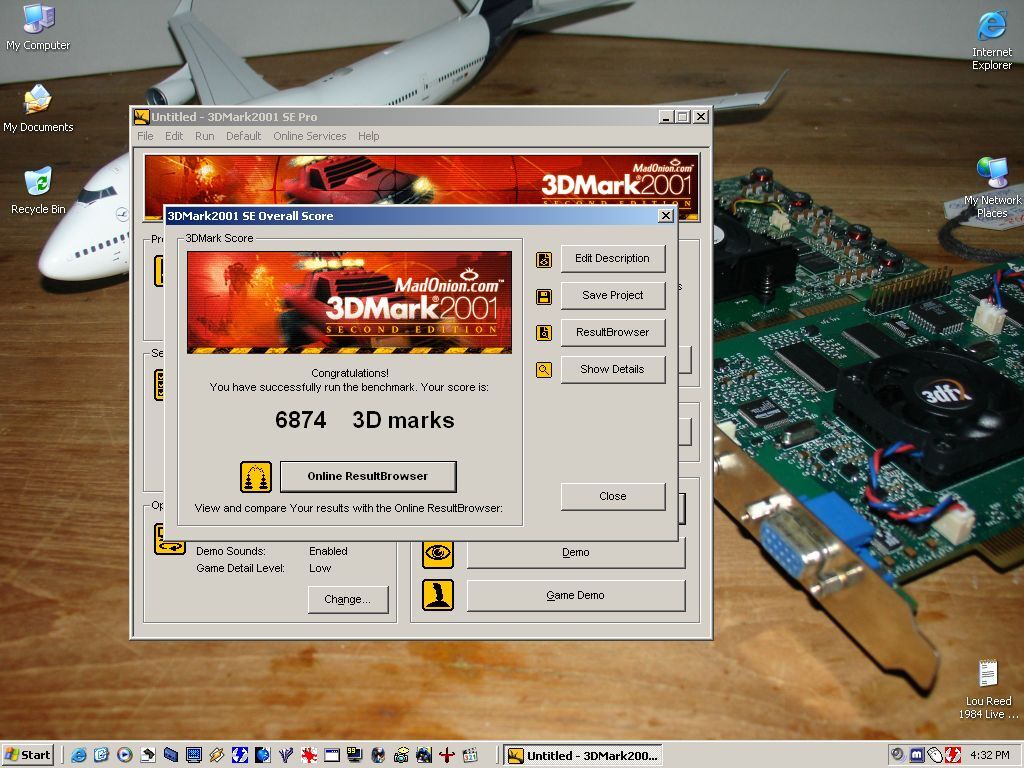
ngiwen68.jpg zdguu8rk.jpg
Just for the heads up, made the main pics 2560x2560, so they are readable

The Parhelia AGP 256MB DDR that II have is a first generation variant of the card with 256MB DDR which has a universal AGP x4/x8 connector, as seen here:

Matrox Parhelia AGP Universal 256MB 256Bit DDR Rev.A 5103
987xgtfj.jpg bexu7h6d.jpg
This card was a gift from a Matrox Employee from Matrox HQ EU Ireland, he told me it's 1 of 1500 made of this first gen model of the card, later AGP 3.0 x8 models had core speeds ranging from 220Mhz to 250Mhz.

Here the V5 PCI Mac it's self:

3dfx Voodoo5 5500 PCI Macintosh 64MB Rev.A1 2900
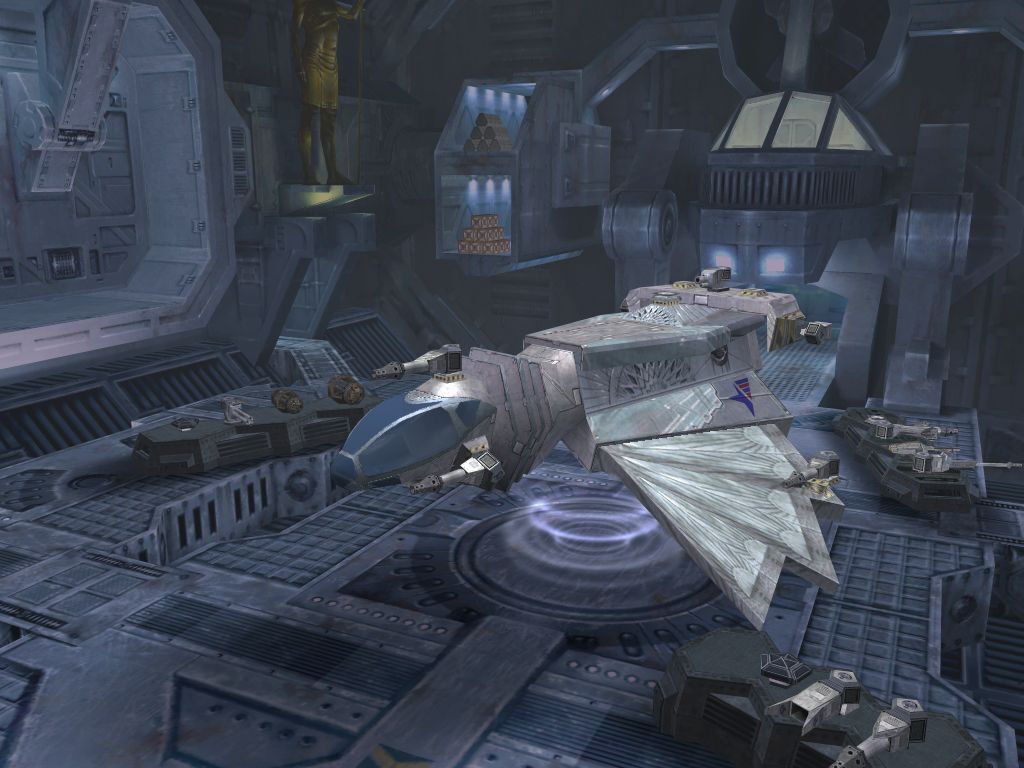
ojxrerfc.jpg geyeaoks.jpg

But that is strange that your card only runs 149Mhz and not 200 a 220Mhz...Did you install the chipset drivers as well, not sure what your system setup is left alone the OS being used likewise.

What's even weirder is Powerstrip reports the correct speed, and if I turn it down to the lowest number it will go (208 mhz) the system crashes. Results in 3DMark 2001SE do change when I manpulate the slider in powerstrip: Increasing it to 265 MHZ gives a result north of 10000 on a i865 board with 3.4 Ghz Presler P4D installed. The reported max clock speed does not change however. So Powerstrip can change the clock speed but I have no idea what it actually is. There may be some weird disconnect between the drivers and my card. It's the second revision version with an AGP 4/8x Key and is one of the MED series cards, which are identical to the Parhelia but with a different PCI ID (hence needing to inf mod the drivers) and apparently a slightly different vbios. I may look into force flashing a regular bios if that's even possible.

Reply 46 of 50, by Gold Leader-B747

User metadata
Rank Newbie
Rank
Newbie
Jackal1983 wrote on 2025-11-09, 02:34:

What's even weirder is Powerstrip reports the correct speed, and if I turn it down to the lowest number it will go (208 mhz) the system crashes. Results in 3DMark 2001SE do change when I manpulate the slider in powerstrip: Increasing it to 265 MHZ gives a result north of 10000 on a i865 board with 3.4 Ghz Presler P4D installed. The reported max clock speed does not change however. So Powerstrip can change the clock speed but I have no idea what it actually is. There may be some weird disconnect between the drivers and my card. It's the second revision version with an AGP 4/8x Key and is one of the MED series cards, which are identical to the Parhelia but with a different PCI ID (hence needing to inf mod the drivers) and apparently a slightly different vbios. I may look into force flashing a regular bios if that's even possible.

Yea well, that is if you can find a good Bios for it, I could do a Bios dump with my card, if I remember how that went, not sure if your Parhelia 256MB DDR is the exact same model & revision that mine is, that is with a universal AGP x4 /x8 connector etc.
If so then my Bios might worth if you have one of the later made cards with an AGP 3.0 x8 connector then I am not sure.

Well I did find this page:
https://video.matrox.com/en/apps/drivers/grap … s/previous/bios

This is the latest build that has Parhelia support:

BIOS - 2012 releases:

Supports EpicA Series, Extio F1220, Extio F1240, Extio F1400, Extio F1420, Extio F2208, Extio F2408, Extio F2408E , M9120 PCIe x16, M9120 Plus LP PCIe x1, M9120 Plus LP PCIe x16, M9125 PCIe x16, M9128 LP PCIe x16, M9138 LP PCIe x16, M9140 LP PCIe x16, M9148 LP PCIe x16, M9188 PCIe x16, P650 , P650 Low-profile PCI, P650 LP PCIe 64, P650 PCIe 128, P690 LP PCIe x1, P690 LP PCIe x16, P690 PCI, P690 PCIe x16, P690 Plus LP PCI, P690 Plus LP PCIe x16, P750, Parhelia 128MB, Parhelia 256MB, Parhelia 256MB PCI, Parhelia APVe, Parhelia DL256 PCI, Parhelia HR256MB, Parhelia Precision SDT, Parhelia Precision SGT, PJ-3OLA, PJ-40LP, PJ-4OLA, QID, QID Low-profile PCI, QID LP PCIe, QID Pro

Which is this file:
https://video.matrox.com/en/apps/drivers/grap … ownload/?id=517

Personally I never needed to flash my Parhelia, I'm like if it works then I won't fix it.
And I never used any of these flashers either, I am curious if others have succeeded though.

K7 T-Bird 700 Slot A | K7 Pro | 768MB SDR| V3 3500 TV | Gold rc AWE64G
P3 C-Mine 850 Slot 1 | EP-BX3 | 512MB SDR | G400 MAX | 2xGainward V2-12MB in SLI | Gold rc EWS64-XL
AXP 2200+ | EP-8K7A+ | 2GB DDR | P512 AGP 256MB | V5 PCI Mac | Audigy2 ZS P-Pro

Reply 47 of 50, by Jackal1983

User metadata
Rank Member
Rank
Member
Gold Leader-B747 wrote on 2025-11-09, 09:45:
Yea well, that is if you can find a good Bios for it, I could do a Bios dump with my card, if I remember how that went, not sure […]
Show full quote
Jackal1983 wrote on 2025-11-09, 02:34:

What's even weirder is Powerstrip reports the correct speed, and if I turn it down to the lowest number it will go (208 mhz) the system crashes. Results in 3DMark 2001SE do change when I manpulate the slider in powerstrip: Increasing it to 265 MHZ gives a result north of 10000 on a i865 board with 3.4 Ghz Presler P4D installed. The reported max clock speed does not change however. So Powerstrip can change the clock speed but I have no idea what it actually is. There may be some weird disconnect between the drivers and my card. It's the second revision version with an AGP 4/8x Key and is one of the MED series cards, which are identical to the Parhelia but with a different PCI ID (hence needing to inf mod the drivers) and apparently a slightly different vbios. I may look into force flashing a regular bios if that's even possible.

Yea well, that is if you can find a good Bios for it, I could do a Bios dump with my card, if I remember how that went, not sure if your Parhelia 256MB DDR is the exact same model & revision that mine is, that is with a universal AGP x4 /x8 connector etc.
If so then my Bios might worth if you have one of the later made cards with an AGP 3.0 x8 connector then I am not sure.

Well I did find this page:
https://video.matrox.com/en/apps/drivers/grap … s/previous/bios

This is the latest build that has Parhelia support:

BIOS - 2012 releases:

Supports EpicA Series, Extio F1220, Extio F1240, Extio F1400, Extio F1420, Extio F2208, Extio F2408, Extio F2408E , M9120 PCIe x16, M9120 Plus LP PCIe x1, M9120 Plus LP PCIe x16, M9125 PCIe x16, M9128 LP PCIe x16, M9138 LP PCIe x16, M9140 LP PCIe x16, M9148 LP PCIe x16, M9188 PCIe x16, P650 , P650 Low-profile PCI, P650 LP PCIe 64, P650 PCIe 128, P690 LP PCIe x1, P690 LP PCIe x16, P690 PCI, P690 PCIe x16, P690 Plus LP PCI, P690 Plus LP PCIe x16, P750, Parhelia 128MB, Parhelia 256MB, Parhelia 256MB PCI, Parhelia APVe, Parhelia DL256 PCI, Parhelia HR256MB, Parhelia Precision SDT, Parhelia Precision SGT, PJ-3OLA, PJ-40LP, PJ-4OLA, QID, QID Low-profile PCI, QID LP PCIe, QID Pro

Which is this file:
https://video.matrox.com/en/apps/drivers/grap … ownload/?id=517

Personally I never needed to flash my Parhelia, I'm like if it works then I won't fix it.
And I never used any of these flashers either, I am curious if others have succeeded though.

Yeah, I downloaded all of those. The only reason I haven't tried flashing is because I'm in the process of trying to get a pinmodded xeon working on my board.

Reply 48 of 50, by Gold Leader-B747

User metadata
Rank Newbie
Rank
Newbie
Jackal1983 wrote on 2025-11-09, 21:05:

Yeah, I downloaded all of those. The only reason I haven't tried flashing is because I'm in the process of trying to get a pinmodded xeon working on my board.

Hmm alright, not something I would have knowledge of having really, but I'd be wish'n you a good outcome on how that unfolds 😀

K7 T-Bird 700 Slot A | K7 Pro | 768MB SDR| V3 3500 TV | Gold rc AWE64G
P3 C-Mine 850 Slot 1 | EP-BX3 | 512MB SDR | G400 MAX | 2xGainward V2-12MB in SLI | Gold rc EWS64-XL
AXP 2200+ | EP-8K7A+ | 2GB DDR | P512 AGP 256MB | V5 PCI Mac | Audigy2 ZS P-Pro

Reply 49 of 50, by Gold Leader-B747

User metadata
Rank Newbie
Rank
Newbie

Within four days I will buy my original ABiT VP6 back with the original P3/EB 1000Mhz CPU's and 4x 512MB PC-133 HP Micron memory from my friend SWZSSR, stay tuned, this is going to be a rebuild of my first Dual processor system, and a fun one at that too!

Once the items are here I will make detailed photo's of all the parts and a deep inspection of the ABiT VP6, if needed be it will be shipped to Backfire in Germany fora full recap, that is something I do have in mind anyway, it's always best to be on the safest of terms with such old parts anyway.

All is really going as planned, I can't wait to update this thread again, also I hope everyone is doing well with your projects likewise.
Changes like recaps and reworks will also be noted if taken place.

K7 T-Bird 700 Slot A | K7 Pro | 768MB SDR| V3 3500 TV | Gold rc AWE64G
P3 C-Mine 850 Slot 1 | EP-BX3 | 512MB SDR | G400 MAX | 2xGainward V2-12MB in SLI | Gold rc EWS64-XL
AXP 2200+ | EP-8K7A+ | 2GB DDR | P512 AGP 256MB | V5 PCI Mac | Audigy2 ZS P-Pro

Reply 50 of 50, by Gold Leader-B747

User metadata
Rank Newbie
Rank
Newbie

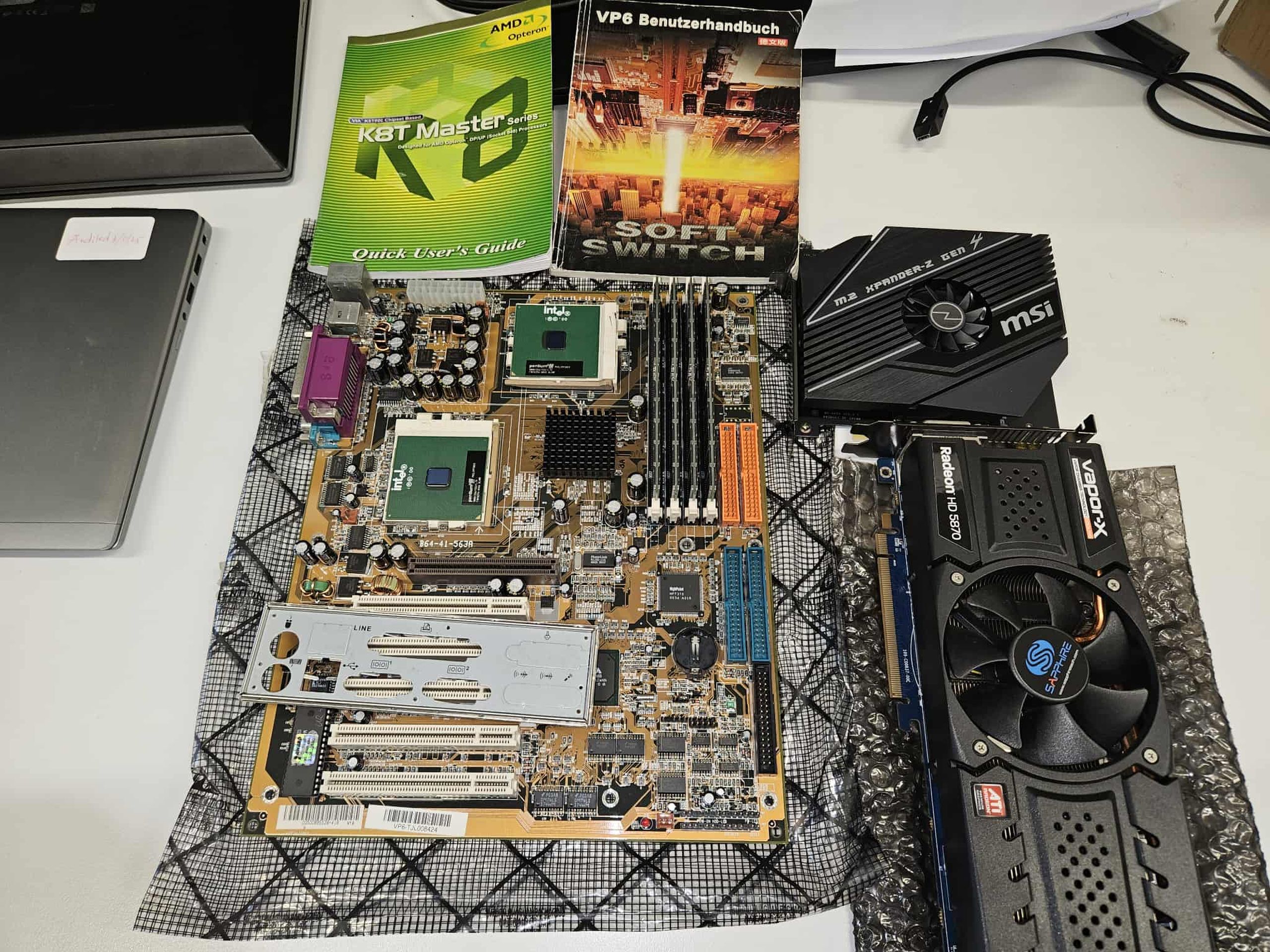
So here are the parts my friend SWZSSR made pics of that are in bound from Adelaide, South Australia to my place here n the Netherlands!

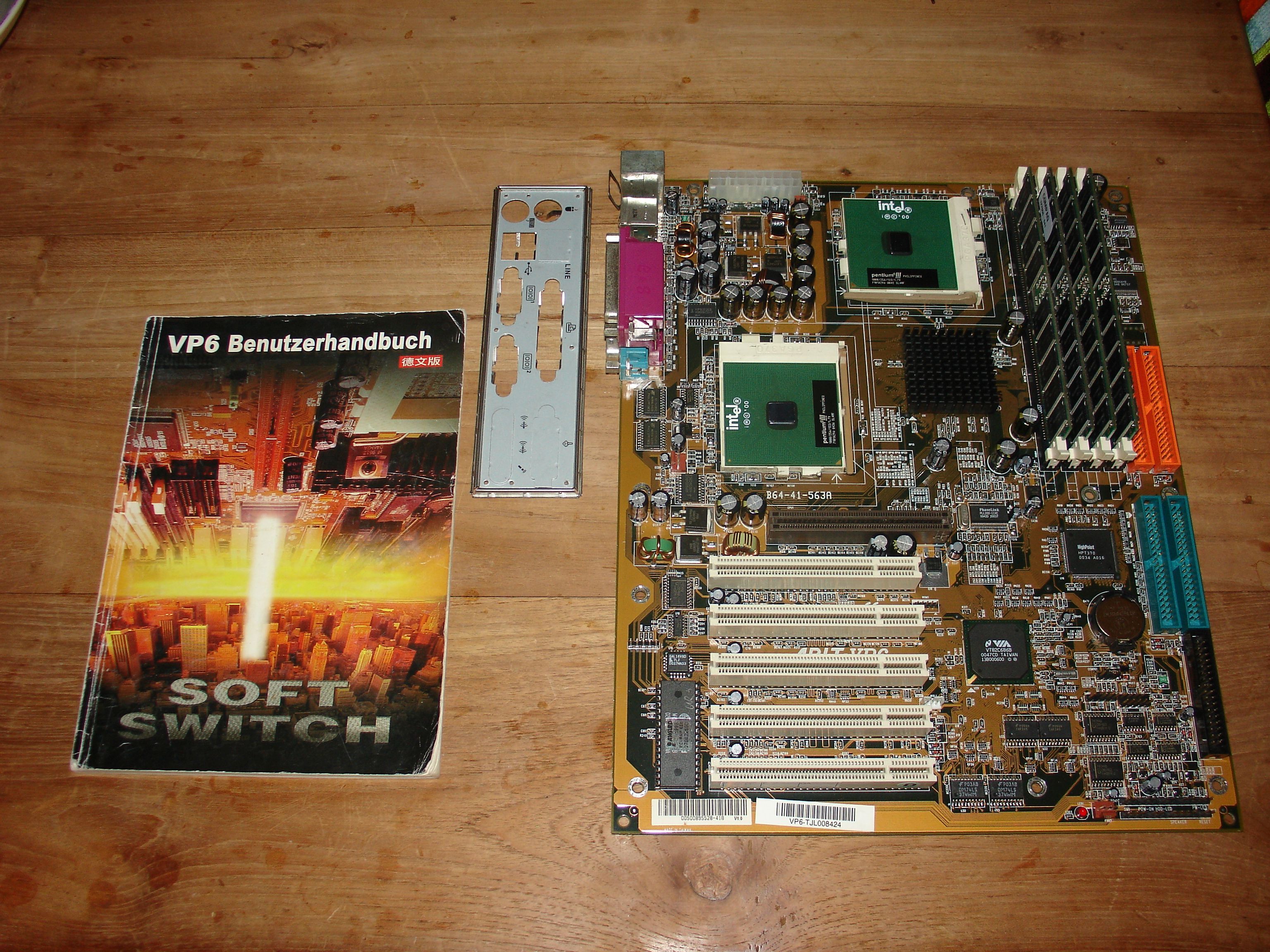
Micro Star International MS9130 K8T Master 2-FAR Manual
ABiT VP6 Manual
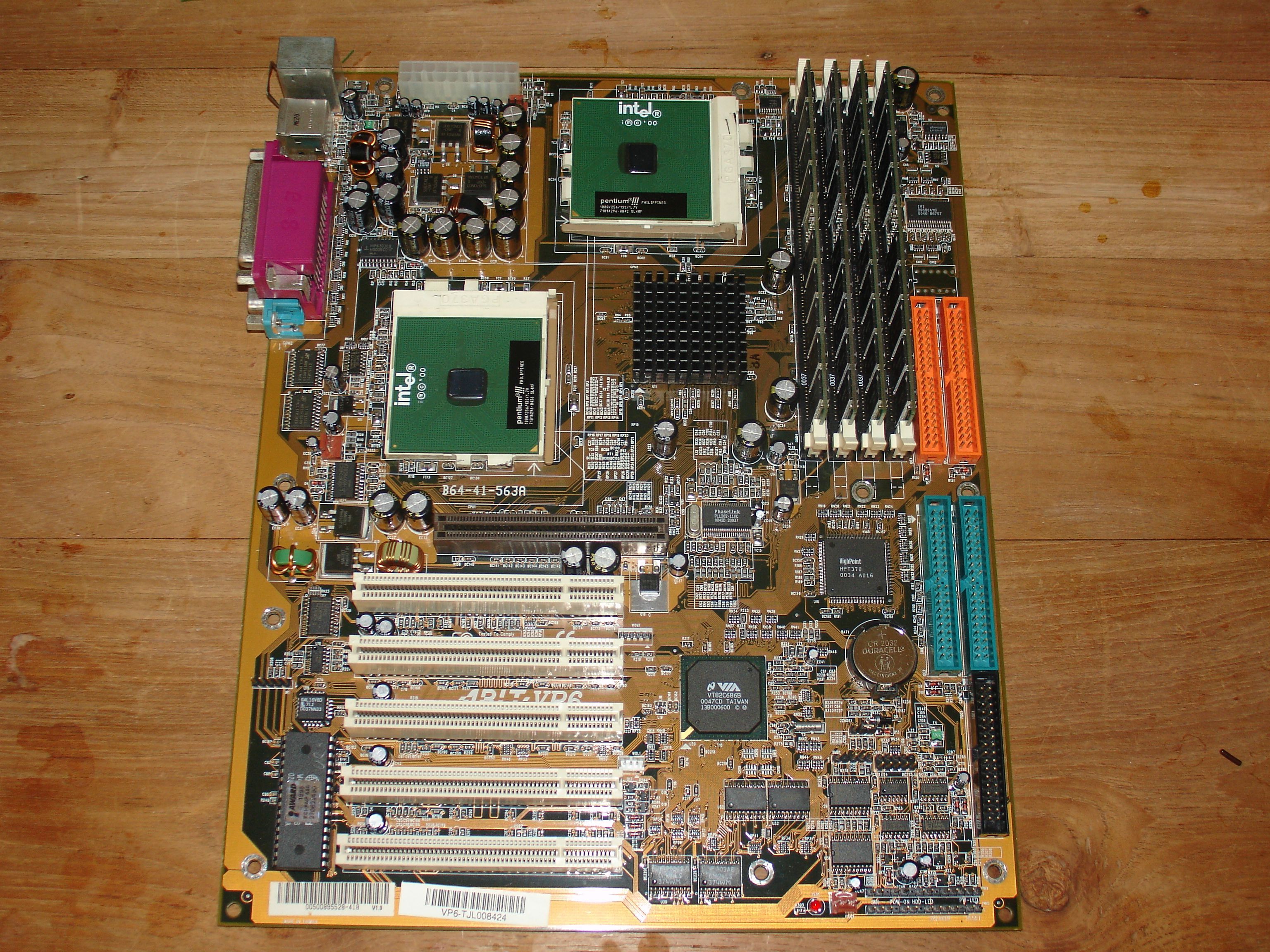
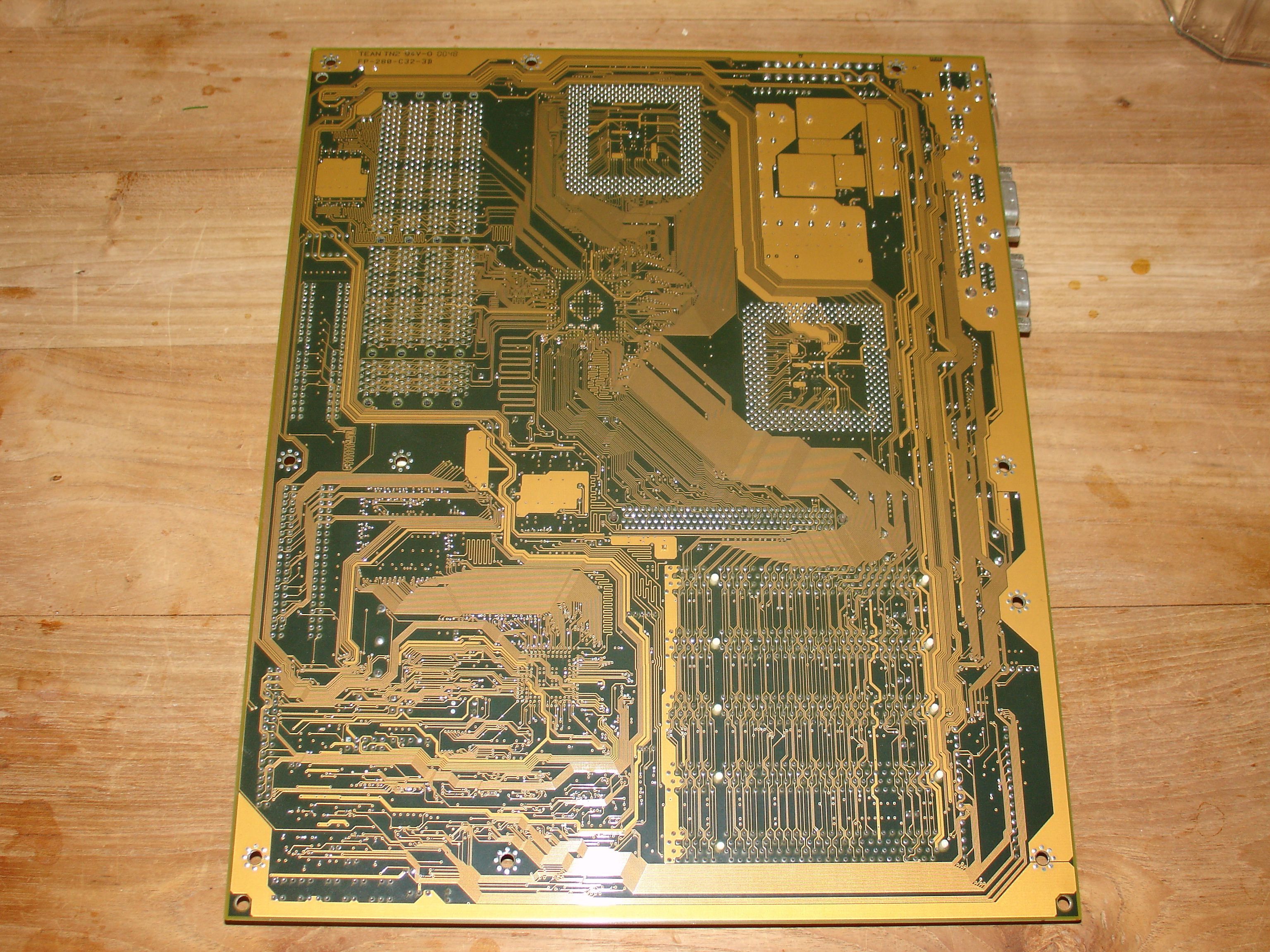
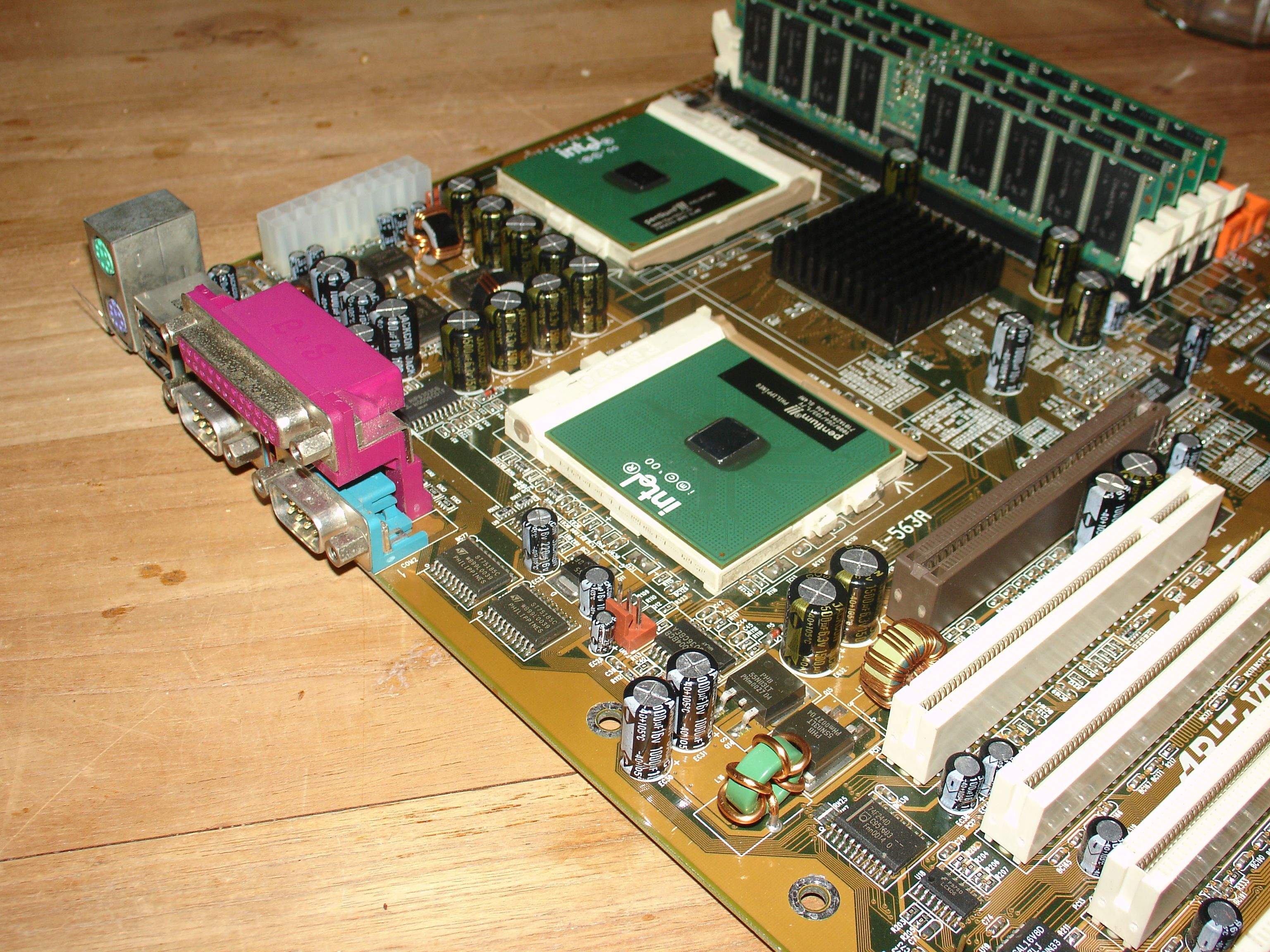
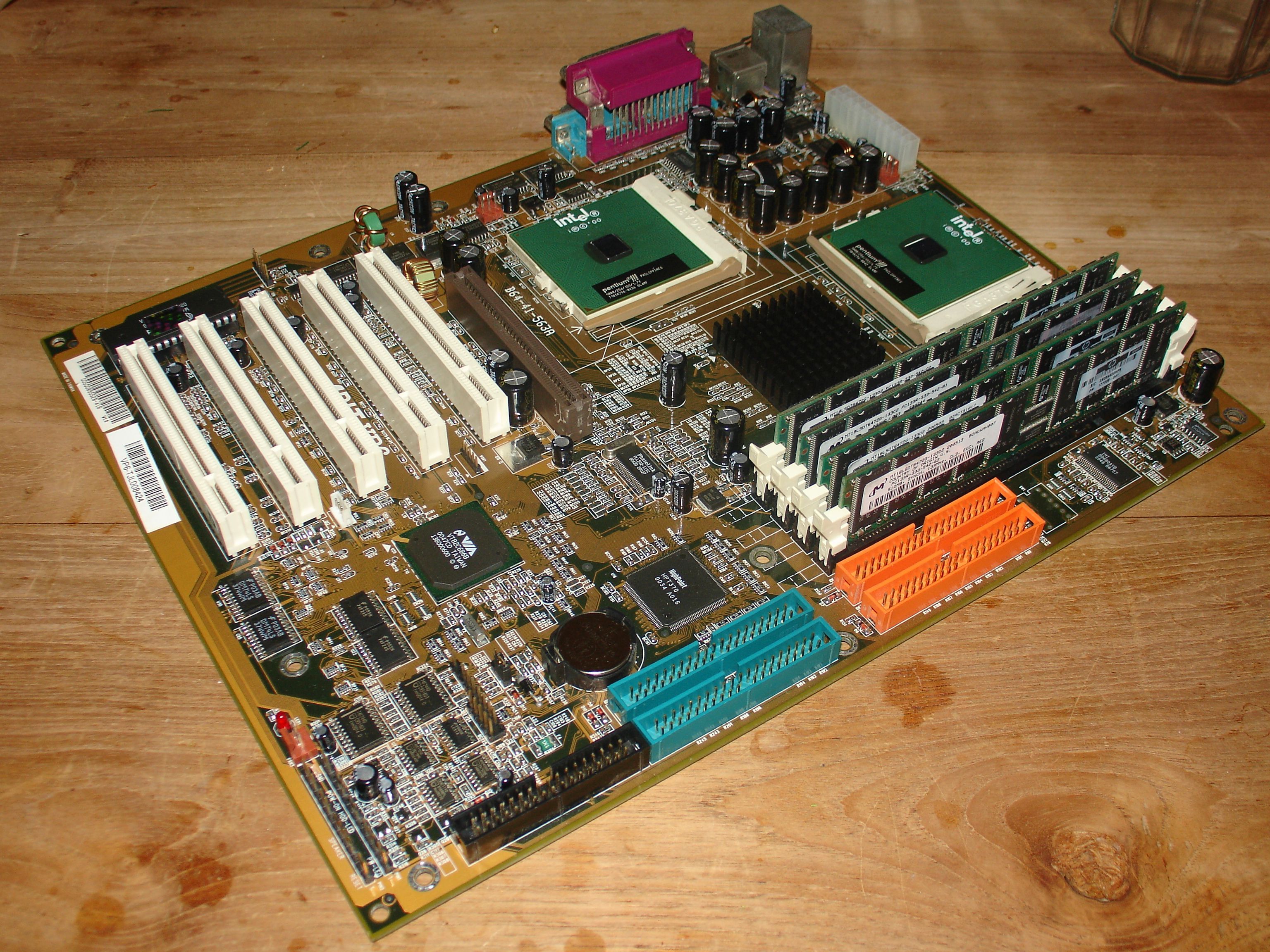
ABit VP6 with VIA Apollo Pro 133A Chipset
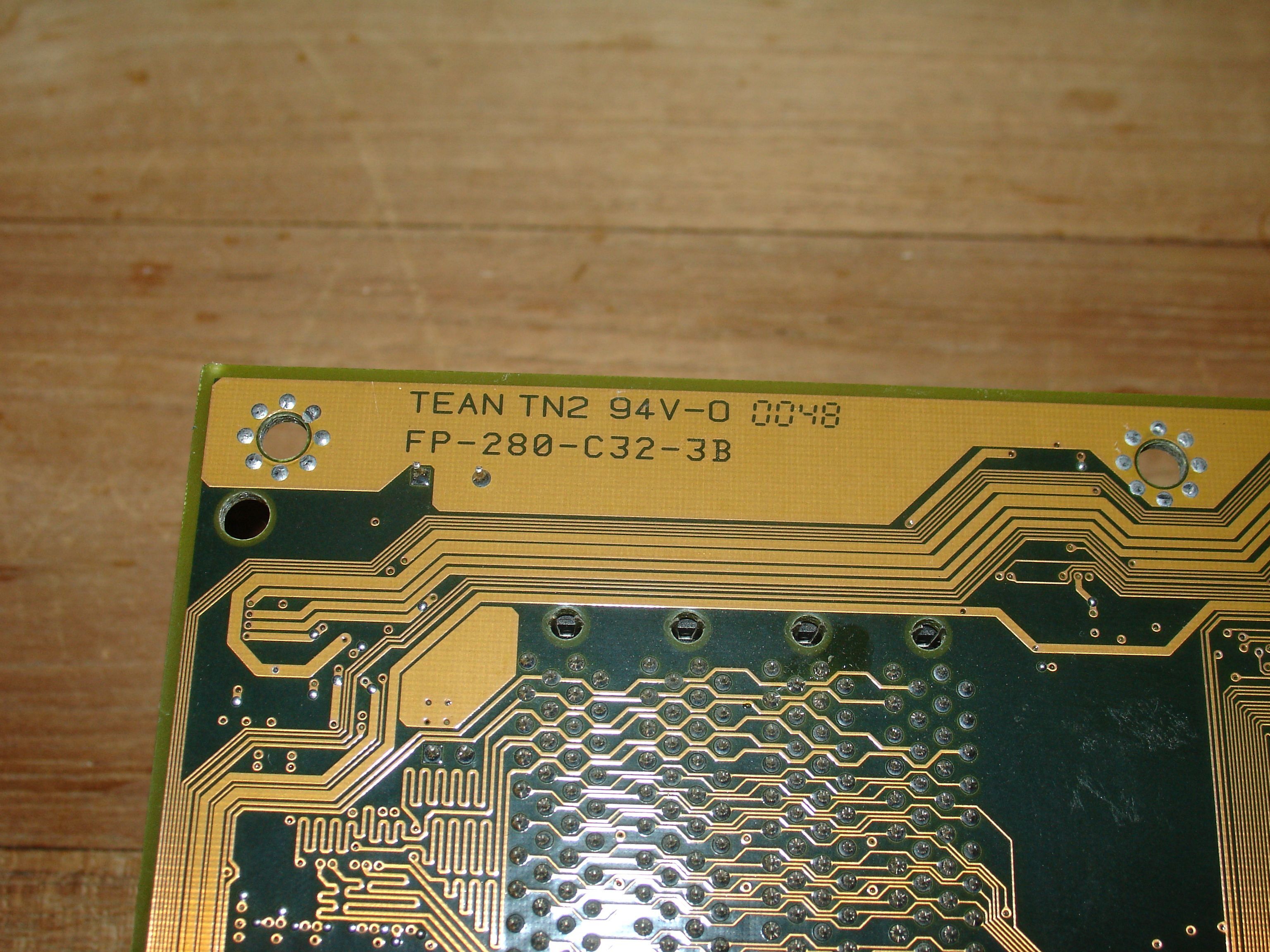
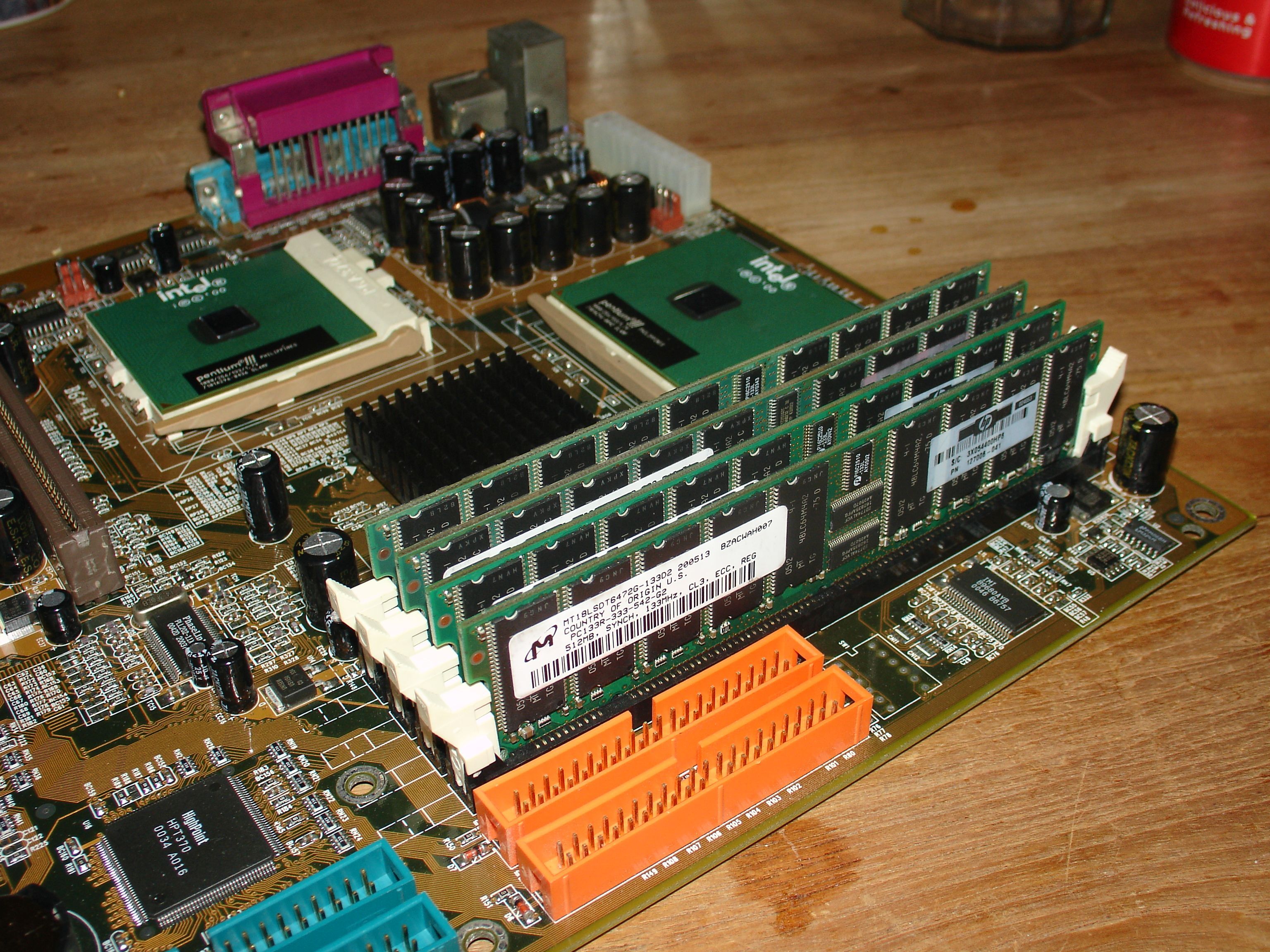
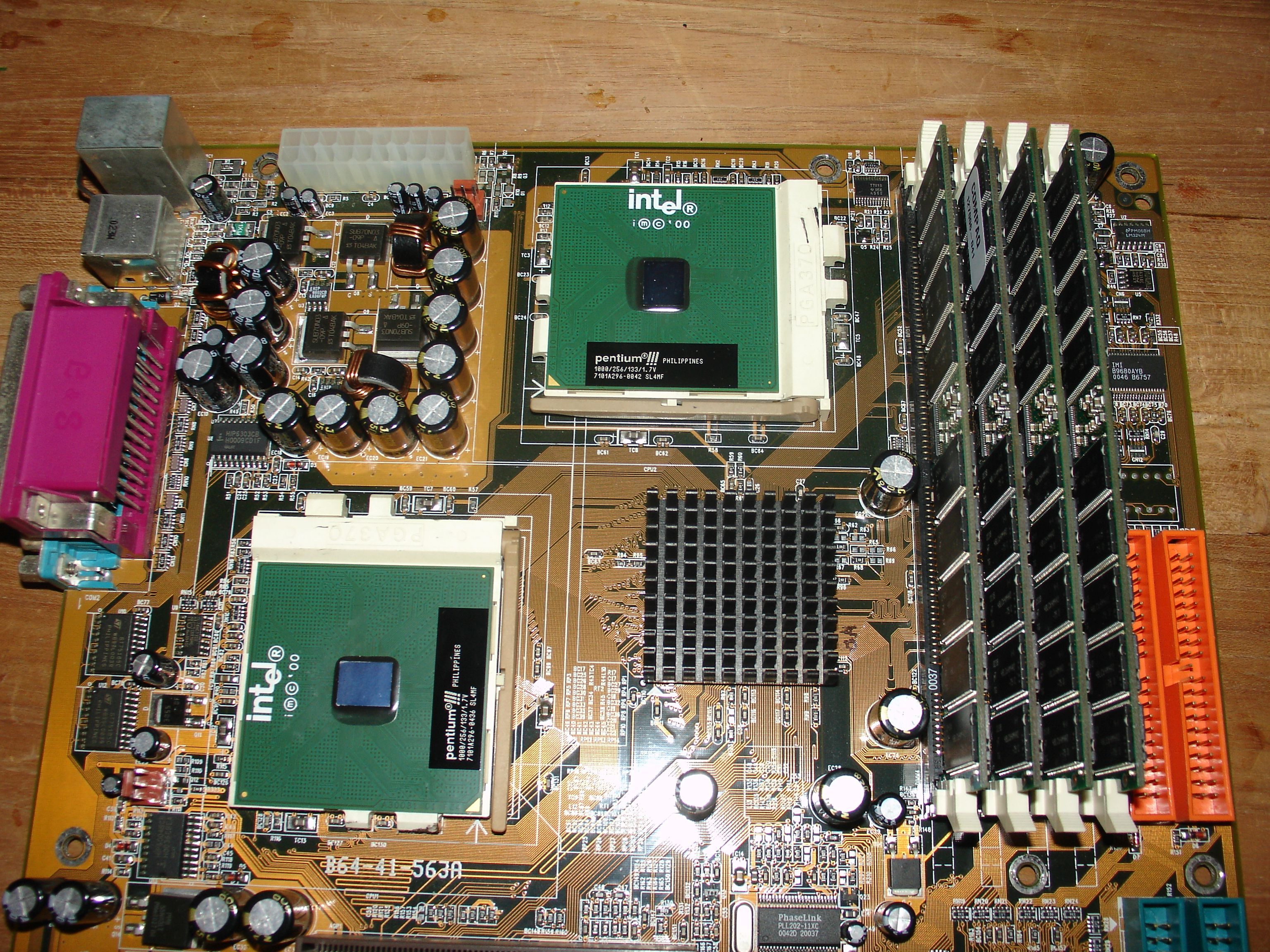
2x Intel Pentium !!!/EB Coppermine 1000Mhz CPU's SL4MF's with 1.70 Core Voltage each
4x 512MB PC-133 ECC Reg HP/Micron Server Ram.
Sapphire Vapor-X ATi Radeon HD 5870 PCI-E 1024MB 256Bit GDDR5
(Excluding the MSI card just above the HD 5870)
kzs6l8ni.jpg

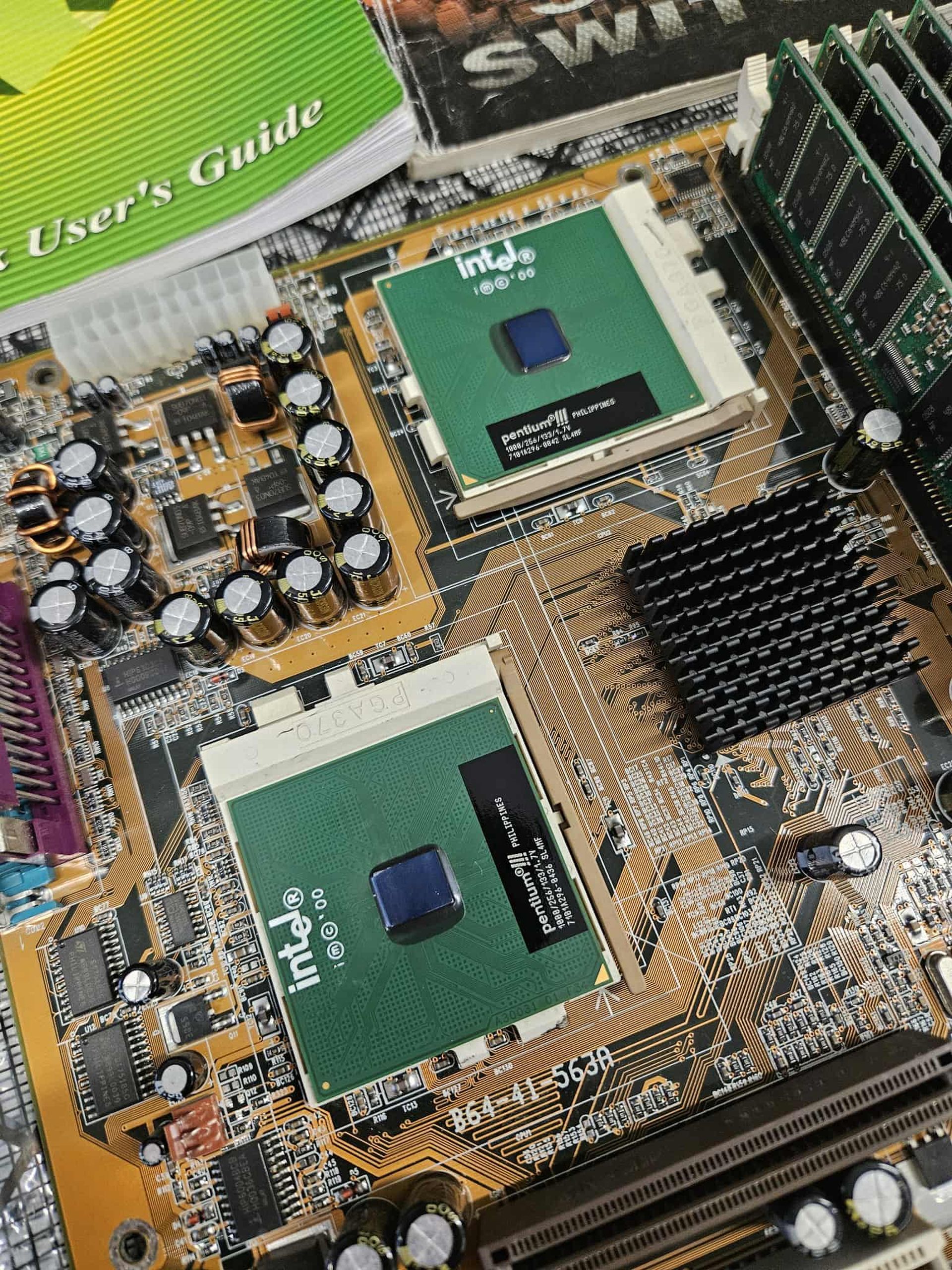
Here a closeup of the CPU's and the System RAM:
dhe9qy53.jpg e5kfblja.jpg
Photos were taken by SWZSSR before he packed it in and shipped them to me with Australia Post.

And there ya have it, just a lovely update to my 4th Retro PC build which is a rebuild of my first Dual Pentium !!! system, with the original Mainboard, CPU's, Ram Kit and Addtronics 7896A Server Tower and the NEC 2500A 40x / 16x CD/DVD-RW Drive from when I had it in active duty from 2000 - 2003 (ex the 4x 512MB ram here), 2008 - 2018., years 2003 to 2008 it was sold toa friend of mine for 550 Eur for the mainboard CPU's & 4x 256MB PC-133 ECC Reg TwinMoss Ram, in 2008 m my dad picked up a kit of 4x 512MB PC-133 ECC Reg HP/Micron Server ram for just 30 USD off ebay.com so that ram kit you see pictured is the exact ram kit my dad got me in 2008.
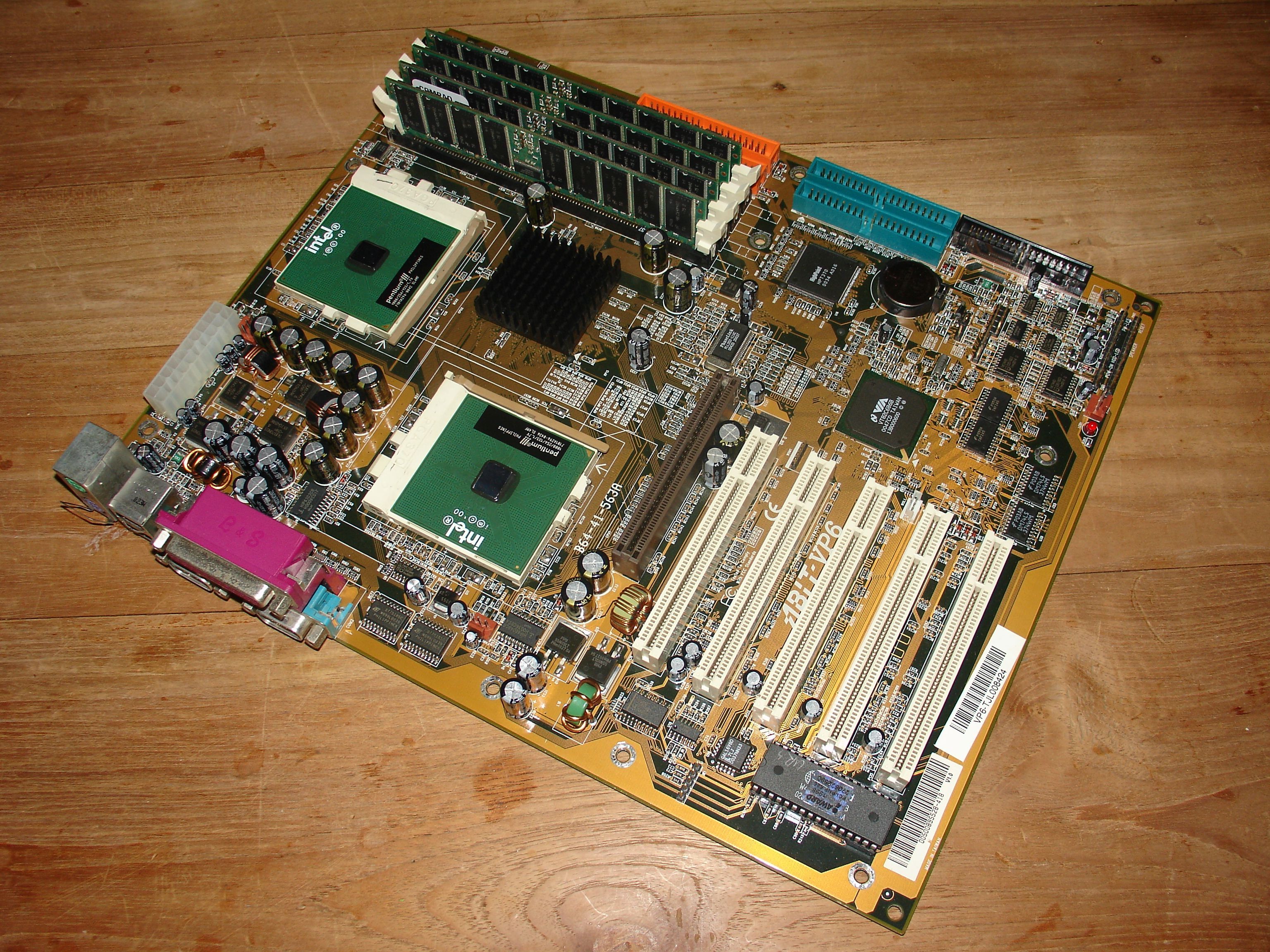
and from 2008 and onward it was my main retro 2CPU system for old games but also for retro LAN's as my server to host dedicated servers for my friends and computer club buddies alike.

Now I wait untill the parts arrive and continue on from there, have a nice weekend everyone 😎

K7 T-Bird 700 Slot A | K7 Pro | 768MB SDR| V3 3500 TV | Gold rc AWE64G
P3 C-Mine 850 Slot 1 | EP-BX3 | 512MB SDR | G400 MAX | 2xGainward V2-12MB in SLI | Gold rc EWS64-XL
AXP 2200+ | EP-8K7A+ | 2GB DDR | P512 AGP 256MB | V5 PCI Mac | Audigy2 ZS P-Pro