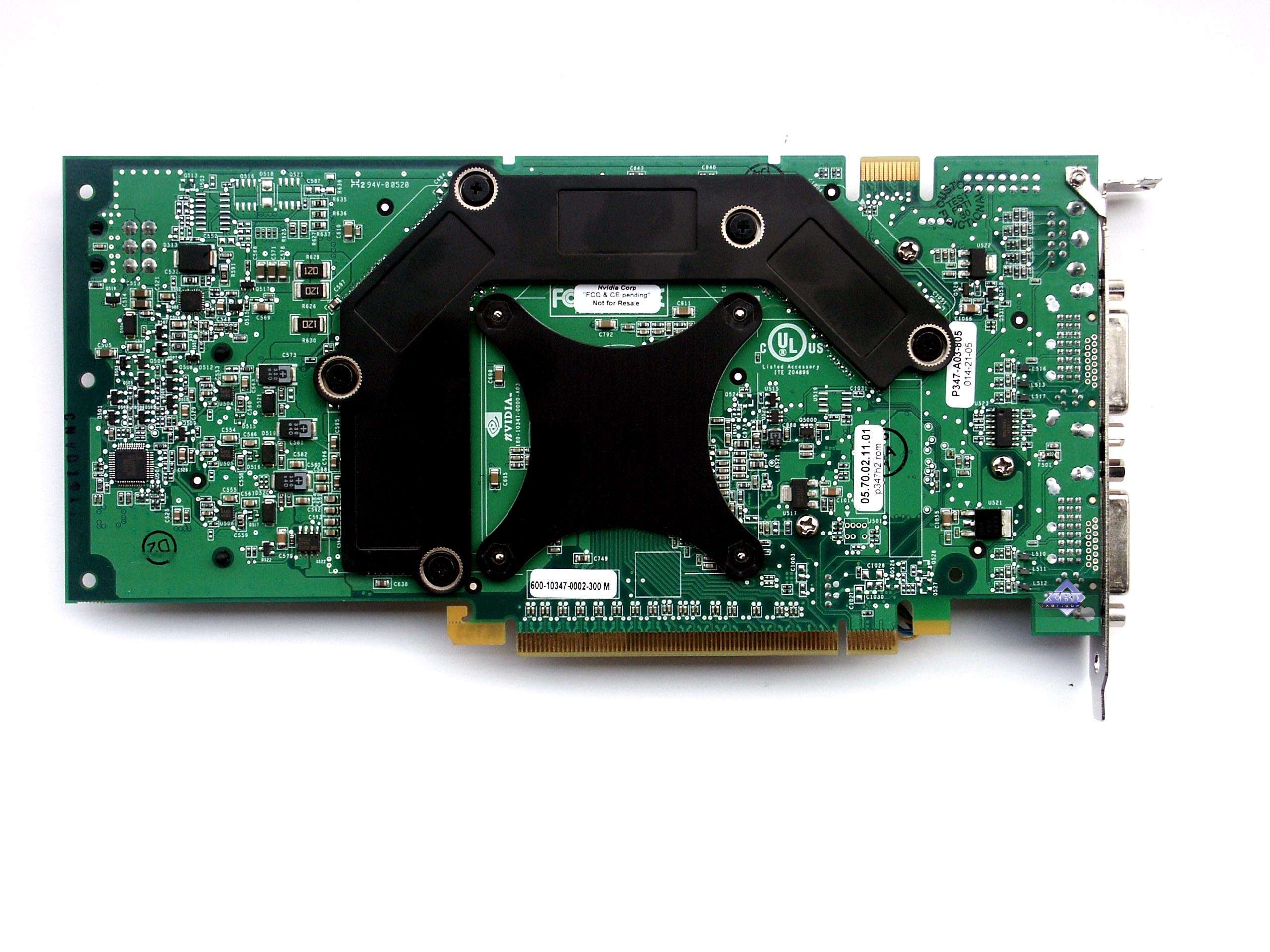
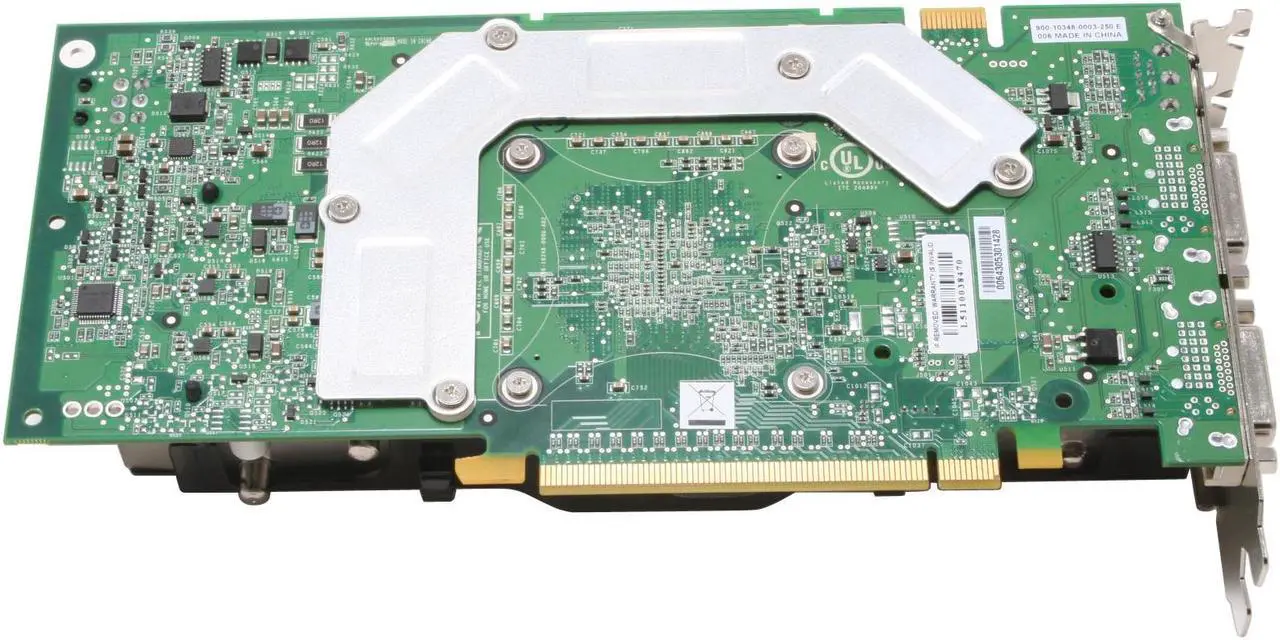
Bumpgate 101 (AFAIK 😁) :
1) On all 90nm chips it consists of two issues : Cracking solder balls (bad metal mix used) and low temp TG compound (stuff that goes between solder "bumps" and substrate PCB die itself sits on). Low temp in this case means it would turn soft over 70C (which is within safety operating limits of all GPUs).
2) On 80nm low TG compound was partially replaced with one with higher melting point one (partial fix), solder bumps bad mix issue wasn't fixed at this point.
3) On 65nm all GPUs use better TG compound (the same compound as 80nm), and solder bumps issue was addressed - however that fix wasn't long term solution (they still could fail).
4) On 55nm GPUs TG compound was kept the same (still partial fix), but solder bumps issue was solved (55nm stuff should last longest out all affected GPUs).
5) 40nm and later chips are completely fixed (have highest melting TG and proper solder mix).
ATI GPUs were not affected due to use of different materials from get-go.
6) 110nm are not affected (they are just too old).
7) Bumpgate issue requires thermal cycles to occur.
If affected chips were powered once and kept at steady temp of 100C for very long period of time (days/weeks) - they would last longer than chips which were powered on for an hour multiple times a day (and allowed to cool off in meantime).
😎 110nm will be affected, if it was made after January 2006.
Source #1 (via internet archive) : LINK 1
Source #2 (YouTube, RIP Felix) : LINK 2
Specific for 7800 GS :
IF card uses G70 it's not affected at all (too old),
IF it uses G71 - it's affected, however due to it's smaller size (and power usage) vs. for example G80 - it's more likely to survive than newer big bigger chips.
^In short : It's not GPU model that is affected, but GPU die itself (7800 GS can have multiple options for actual die).
EDIT : Added 110nm made after January 2006 point