VOGONS


GeForce 7800 GS and Bumpgate

Topic actions

First post, by altarofmelektaus

User metadata
Rank Newbie
Rank
Newbie

Hi, I was wondering if anyone here knew how badly the 7800 GS was affected by bumpgate. I have a fully functioning BFG 7800 GS OC AGP that I lucked out finding in a decked out gaming system, and I'd like to use it, but I'm afraid that any further use might bring in problems, and I was wondering if it was just better to sell to a collector or something. Certain places online say that the 7800 wasn't as badly affected, while others say it most certainly was, starting with the 6000 series. And is it more of an issue with the internal die, or is it weak BGA joints? Thanks.

Reply 1 of 30, by SScorpio

User metadata
Rank Oldbie
Rank
Oldbie

There's a lot of conflicting information out there. If bumpgate really was weak BGA joints due to the change from leaded to unleaded solder, then a reball with leaded solder should have resolved all those X360 consoles.

But the real issue was the underlay material and the die would be disconnected from the substrate. Better cooling can ease the wear from thermal expansion, but there's no way to completely resolve it.

The PS3's RSX GPU was also affected by bumpgate and is a modified 7800GTX. The 7800GS is a cutdown G70 die that has lower clocks and uses less power than the full 7800GTX. It was also released later.

There's really nothing to be done, if the chip was affected, then it was already powered on during the manufacturing processs. And it sounds like it was used in a gaming rig. If it was already from a heavily used rig and it's still working. It could be fine with aged capacitors being a bigger concern regarding how much life it still has in it.

Last edited by SScorpio on 2026-03-01, 20:58. Edited 2 times in total.

Reply 2 of 30, by altarofmelektaus

User metadata
Rank Newbie
Rank
Newbie

Probably the best answer I'm going to get on this. Thanks! I think I'll use it, no sense in letting it collect dust and I don't think the true collectors really care if it's working if it's just a display piece. I've replaced all the thermal paste/pads and refurbed the fan, but a recap should be next on the list.

Reply 3 of 30, by SScorpio

User metadata
Rank Oldbie
Rank
Oldbie
altarofmelektaus wrote on 2026-03-01, 20:56:

Probably the best answer I'm going to get on this. Thanks! I think I'll use it, no sense in letting it collect dust and I don't think the true collectors really care if it's working if it's just a display piece. I've replaced all the thermal paste/pads and refurbed the fan, but a recap should be next on the list.

Check what types of caps they are. It's possible they won't need a recap.

Just do a visual check that none are bulged or leaking.

Reply 4 of 30, by agent_x007

User metadata
Rank Oldbie
Rank
Oldbie

Bumpgate 101 (AFAIK 😁) :
1) On all 90nm chips it consists of two issues : Cracking solder balls (bad metal mix used) and low temp TG compound (stuff that goes between solder "bumps" and substrate PCB die itself sits on). Low temp in this case means it would turn soft over 70C (which is within safety operating limits of all GPUs).
2) On 80nm low TG compound was partially replaced with one with higher melting point one (partial fix), solder bumps bad mix issue wasn't fixed at this point.
3) On 65nm all GPUs use better TG compound (the same compound as 80nm), and solder bumps issue was addressed - however that fix wasn't long term solution (they still could fail).
4) On 55nm GPUs TG compound was kept the same (still partial fix), but solder bumps issue was solved (55nm stuff should last longest out all affected GPUs).
5) 40nm and later chips are completely fixed (have highest melting TG and proper solder mix).
ATI GPUs were not affected due to use of different materials from get-go.
6) 110nm are not affected (they are just too old).
7) Bumpgate issue requires thermal cycles to occur.
If affected chips were powered once and kept at steady temp of 100C for very long period of time (days/weeks) - they would last longer than chips which were powered on for an hour multiple times a day (and allowed to cool off in meantime).
😎 110nm will be affected, if it was made after January 2006.

Source #1 (via internet archive) : LINK 1
Source #2 (YouTube, RIP Felix) : LINK 2

Specific for 7800 GS :
IF card uses G70 it's not affected at all (too old),
IF it uses G71 - it's affected, however due to it's smaller size (and power usage) vs. for example G80 - it's more likely to survive than newer big bigger chips.
^In short : It's not GPU model that is affected, but GPU die itself (7800 GS can have multiple options for actual die).

EDIT : Added 110nm made after January 2006 point

Last edited by agent_x007 on 2026-03-02, 00:37. Edited 2 times in total.

Reply 5 of 30, by TheIpex

User metadata
Rank Newbie
Rank
Newbie
agent_x007 wrote on 2026-03-01, 22:03:
Bumpgate 101 (AFAIK :D) : 1) On all 90nm chips it consists of two issues : Cracking solder balls (bad metal mix used) and low te […]
Show full quote

Bumpgate 101 (AFAIK 😁) :
1) On all 90nm chips it consists of two issues : Cracking solder balls (bad metal mix used) and low temp TG compound (stuff that goes between solder "bumps" and substrate PCB die itself sits on). Low temp in this case means it would turn soft over 70C (which is within safety operating limits of all GPUs).
2) On 80nm low TG compound was partially replaced with one with higher melting point one (partial fix), solder bumps bad mix issue wasn't fixed at this point.
3) On 65nm all GPUs use better TG compound (the same compound as 80nm), and solder bumps issue was addressed - however that fix wasn't long term solution (they still could fail).
4) On 55nm GPUs TG compound was kept the same (still partial fix), but solder bumps issue was solved (55nm stuff should last longest out all affected GPUs).
5) 40nm and later chips are completely fixed (have highest melting TG and proper solder mix).
ATI GPUs were not affected due to use of different materials from get-go.
6) 110nm are not affected (they are just too old).
7) Bumpgate issue requires thermal cycles to occur.
If affected chips were powered once and kept at steady temp of 100C for very long period of time (days/weeks) - they would last longer than chips which were powered on for an hour multiple times a day (and allowed to cool off in meantime).

Source #1 (via internet archive) : LINK 1
Source #2 (YouTube, RIP Felix) : LINK 2

Specific for 7800 GS :
IF card uses G70 it's not affected at all (too old),
IF it uses G71 - it's affected, however due to it's smaller size (and power usage) vs. for example G80 - it's more likely to survive than newer big bigger chips.
^In short : It's not GPU model that is affected, but GPU die itself (7800 GS can have multiple options for actual die).

This is very informative, thanks for writing it out.

Does this generally apply to nForce chipsets as well?

Intel 486DX2 66MHz
Intel Pentium MMX 233MHz
Intel Pentium III-S 1400MHz
Intel Pentium G3258 4600MHz

Reply 6 of 30, by agent_x007

User metadata
Rank Oldbie
Rank
Oldbie

Direct quote from source #1 :

Affected MCPs are MCP5x (northbridge only, not southbridge), MCP6x and early MCP7x.

Reply 7 of 30, by The Serpent Rider

User metadata
Rank l33t++
Rank
l33t++
agent_x007 wrote on 2026-03-01, 22:03:

IF card uses G70 it's not affected at all (too old),

110nm chips are also affected.

I must be some kind of standard: the anonymous gangbanger of the 21st century.

Reply 9 of 30, by The Serpent Rider

User metadata
Rank l33t++
Rank
l33t++

Felix literally poked old Nvidia chips with soldering iron to check for compound weakness.

1) On all 90nm chips it consists of two issues : Cracking solder balls (bad metal mix used) and low temp TG compound (stuff that goes between solder "bumps" and substrate PCB die itself sits on). Low temp in this case means it would turn soft over 70C (which is within safety operating limits of all GPUs).
2) On 80nm low TG compound was partially replaced with one with higher melting point one (partial fix), solder bumps bad mix issue wasn't fixed at this point.
3) On 65nm all GPUs use better TG compound (the same compound as 80nm), and solder bumps issue was addressed - however that fix wasn't long term solution

TG compound is the reason why solder balls under Nvidia chips were cracking. It's not two separate issues. And compound was changed somewhere during the production of 65nm chips.

I must be some kind of standard: the anonymous gangbanger of the 21st century.

Reply 10 of 30, by agent_x007

User metadata
Rank Oldbie
Rank
Oldbie

It appears that every Nvidia 65nm and 55nm part with high lead bumps and/or low Tg underfill are defective, it is just a question of how defective they are, and when they will die.

Source : LINK
Not convicted low TG would be the only cause of bumps failing on 110nm.

Main problem : Neither G70 or NV43 are mentioned in first source as affected (both are 110nm).
Only mentioned are dates (2006-2008) and "That's some later GeForce 6000, almost all GeForce 7000, almost all GeForce 8000, some early GeForce 9000".
That's why G70 should be safe (they are made before 2006, and probably are the "almost" part mentioned in previous quote).
Unless there are G70 chips with 06 date code and crappy low temp TG (which would be most unfortunate for it's users...).

PS. Felix poked this 6600 GO "NPB" with 2007 date code :

The attachment 6600 GO.png is no longer available

Which is definitely NOT a NV43 version you would see on usual 6600 desktop cards.

Last edited by agent_x007 on 2026-03-02, 00:28. Edited 1 time in total.

Reply 11 of 30, by The Serpent Rider

User metadata
Rank l33t++
Rank
l33t++

There is only one in 6000 lineup that was fabricated in Korea on 130nm and from observation don't die easily - AGP 6800. Probably also supplemental HSI bridge (on NV45), because it was shipped with FX series.

Felix poked this 6600 GO "NPB" with 2007 date code :

On 110nm lithography, long before Nvidia addressed any issues.

Last edited by The Serpent Rider on 2026-03-02, 00:41. Edited 2 times in total.

I must be some kind of standard: the anonymous gangbanger of the 21st century.

Reply 12 of 30, by agent_x007

User metadata
Rank Oldbie
Rank
Oldbie

OK, so 110nm is affected - fine, but this example was made with 07 date code (so, past 2006 starting date).
Find me 110nm made before 2006 that is affected, and I will change my mind about G70/NV43 being fine (both are also 110nm but, more importantly, way more relevant to this topic than some laptop or console stuff).

Reply 13 of 30, by The Serpent Rider

User metadata
Rank l33t++
Rank
l33t++

So you're implying that Nvidia somehow enshittified their 110nm production somewhere down the line. All from a vague Badcaps post. Mkay.

Anyway, all affected chips are totally workable with beefier cooling, that doesn't stress the underfill beyond its capabilities. Not one slot bullshit they were shipped with. Ironically, later 7800GS are better for that, because 90nm ones produce less heat.

Last edited by The Serpent Rider on 2026-03-02, 01:12. Edited 1 time in total.

I must be some kind of standard: the anonymous gangbanger of the 21st century.

Reply 14 of 30, by agent_x007

User metadata
Rank Oldbie
Rank
Oldbie

Vague with theinquirer.net links of the time is better than nothing, and NV could be forced to change process based on date simply due to RoHS law being a thing since July 2006 (6 months to figure out stuff for new materials... maybe it didn't went "as planned" as some would say ? 😀).

Reply 15 of 30, by The Serpent Rider

User metadata
Rank l33t++
Rank
l33t++
agent_x007 wrote on 2026-03-02, 01:12:

simply due to RoHS law being a thing since July 2006 (6 months to figure out stuff for new materials... maybe it didn't went "as planned" as some would say ?

https://en.wikipedia.org/wiki/RoHS#Labeling_a … d_documentation

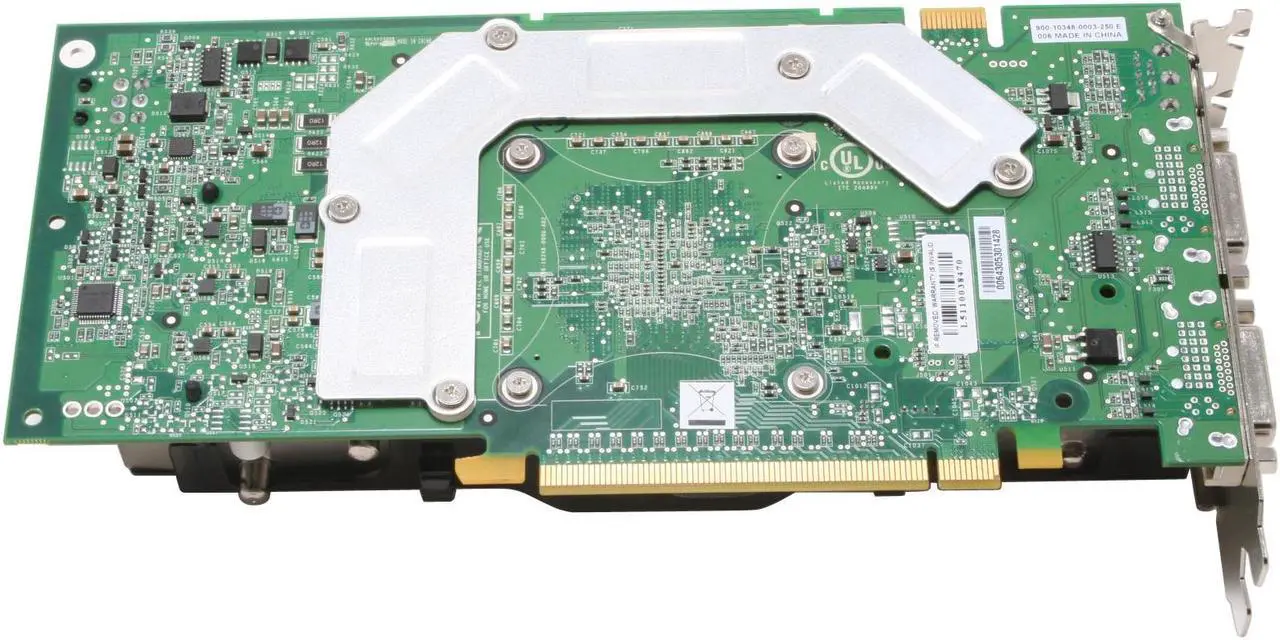
Here's a photo of review sample 7800GTX: https://www.ixbt.com/video2/images/g70/gf7800 … x-scan-back.jpg
And here's a production card with label: https://c1.neweggimages.com/productimage/nb12 … -122-234-03.jpg

Vague with theinquirer.net links of the time is better than nothing

Also there are no mentions about "2006-2008".

I must be some kind of standard: the anonymous gangbanger of the 21st century.

Reply 16 of 30, by altarofmelektaus

User metadata
Rank Newbie
Rank
Newbie
The Serpent Rider wrote on 2026-03-02, 00:58:

Not one slot bullshit they were shipped with.

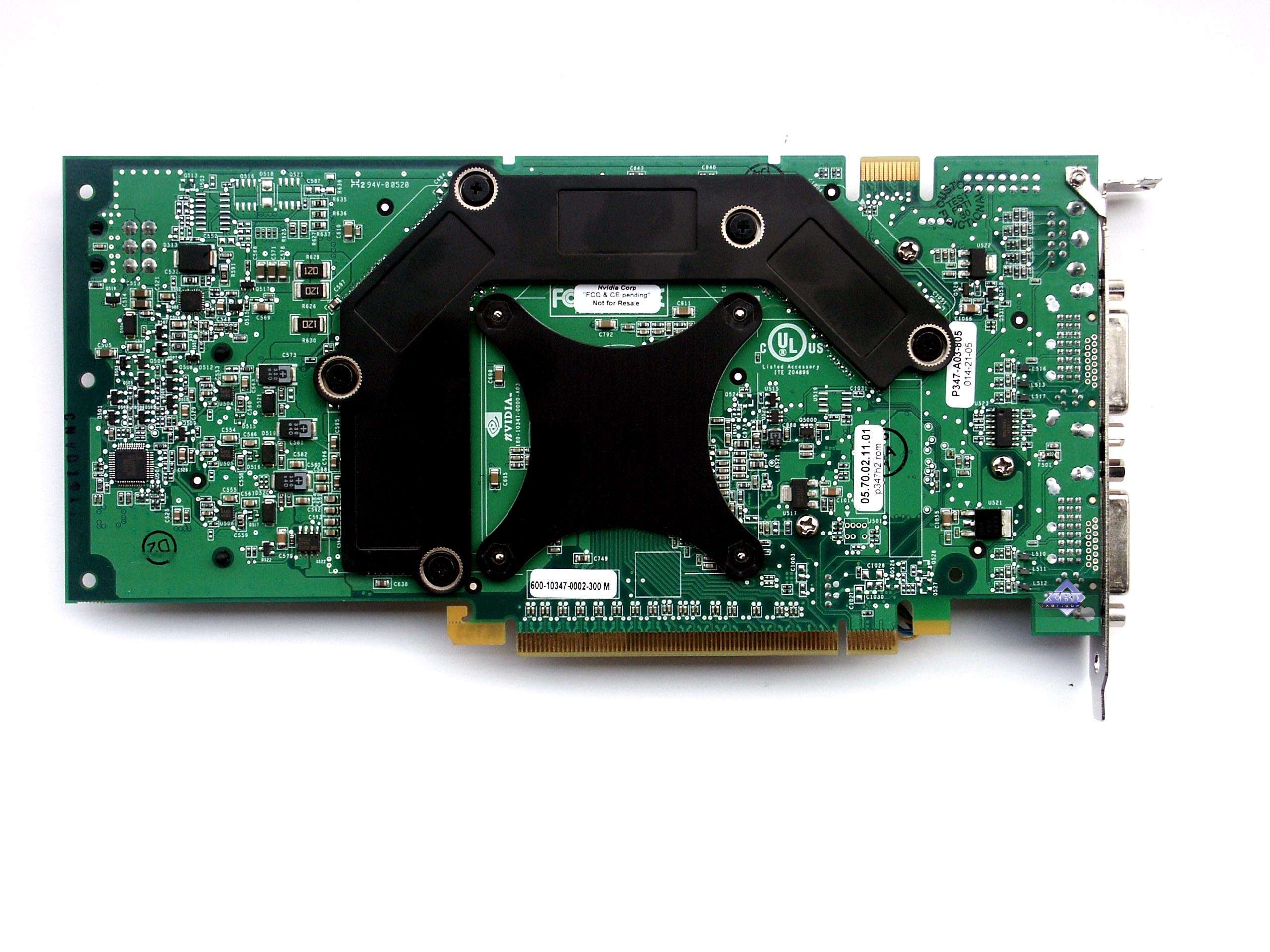
Any recommendations for a replacement heatsink? Looks like most of the two slot heatsinks for the 7800 use a different design than my card. First pic is my card, second pic is what I'm looking for. Assuming maybe a different line of cards shares the same chip location instead of in the dead center like most 7800s.

Reply 17 of 30, by Ydee

User metadata
Rank Oldbie
Rank
Oldbie
altarofmelektaus wrote on 2026-03-03, 10:01:
The Serpent Rider wrote on 2026-03-02, 00:58:

Not one slot bullshit they were shipped with.

Any recommendations for a replacement heatsink? Looks like most of the two slot heatsinks for the 7800 use a different design than my card. First pic is my card, second pic is what I'm looking for. Assuming maybe a different line of cards shares the same chip location instead of in the dead center like most 7800s.

Hard to say, your is AGP version with HSI bridge and GPU is set eccentrically and you need cooling even HSI. On PCI-E version is GPU in the middle of the PCB, so i have the little stock cooler replaced with Thermaltake Fanless 330 on my Quadro FX 3500 (G71), but there's standard hole spacing, which isn't on your card. I'm afraid you won't find a non-stock cooler on the AGP version.

Reply 18 of 30, by havli

User metadata
Rank Oldbie
Rank
Oldbie

Perhaps something like Zalman VF900 could be suitable? I don't know if it fits the GPU area, but it might. Plus some passives for RAM and HSI.

HW museum.cz - my collection of PC hardware

Reply 19 of 30, by altarofmelektaus

User metadata
Rank Newbie
Rank
Newbie

I looked into it and it seems the only cooler that really works is the Thermaltake Duorb. That's if they were even right about it back in 2007 though.