First post, by AlessandroB
Where can i find ( and what is name) of a plastic tool for removing a socket7 CPU in a non ziff socket? I not want to use a screwdriver
tnks
Where can i find ( and what is name) of a plastic tool for removing a socket7 CPU in a non ziff socket? I not want to use a screwdriver
tnks
No idea about name or where to find. I have one with "Kingston" on it (evidently from one of their Evergreen products). Tbh though, I'd just as soon use a knife. Use a plastic knife if you want to be sure you don't damage stuff.
I thought only socket 1 came in non zif then eveything after was zif and had a leaver?
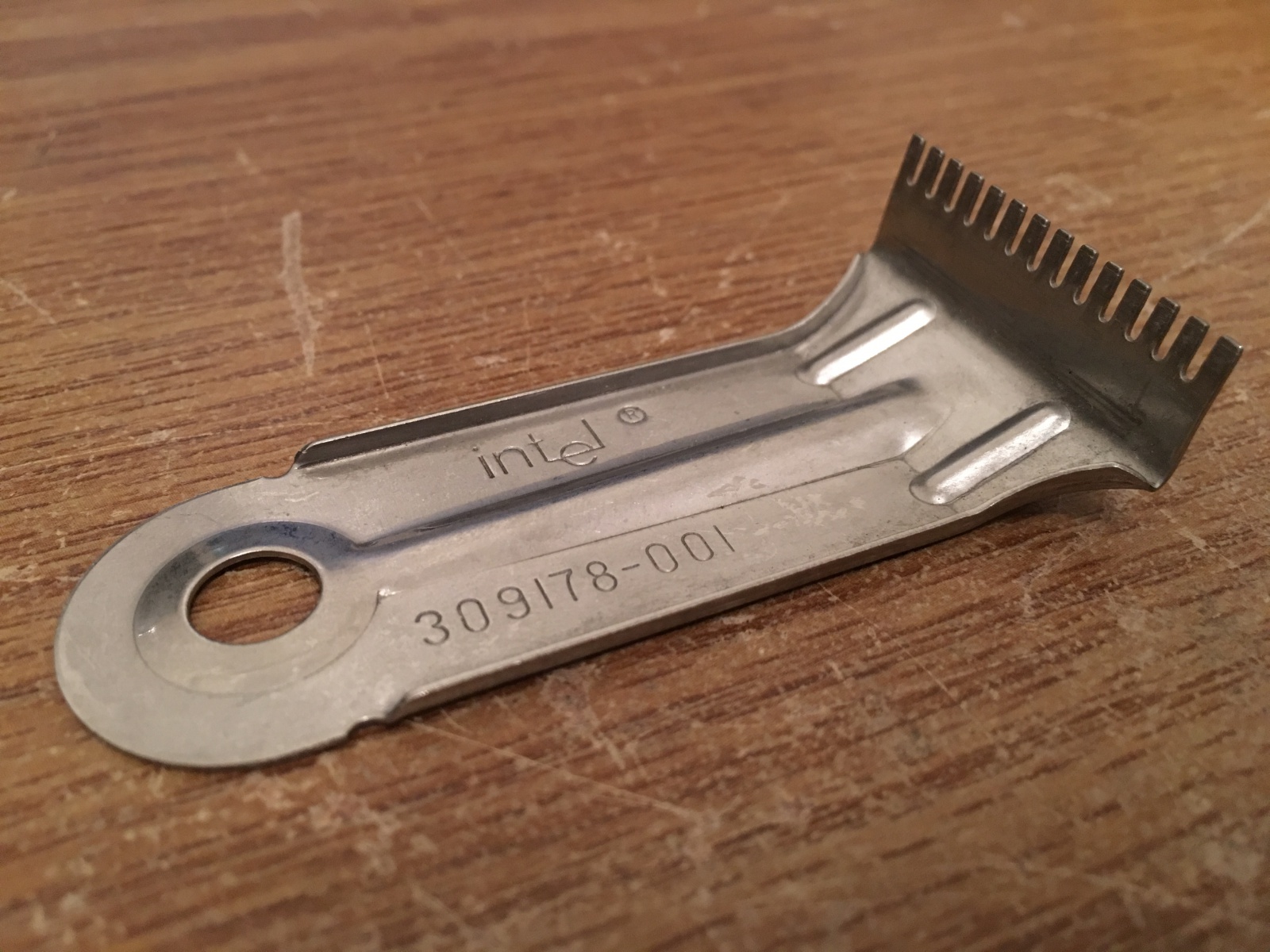
this is the tool for removing non zif socket cpus, maybye those numbers will help you track it down
![]()
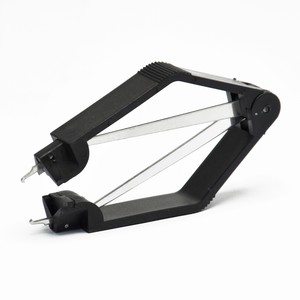
Let's be realistic, it's hard to find specific Intel tools. Therefore you should settle on the next best thing - chip extractor tool.

I must be some kind of standard: the anonymous gangbanger of the 21st century.
wrote:Let's be realistic, it's hard to find specific Intel tools. Therefore you should settle on the next best thing - chip extractor […]
Let's be realistic, it's hard to find specific Intel tools. Therefore you should settle on the next best thing - chip extractor tool.
That one is intended to remove PLCC chips from their sockets. This one might make it a bit easier:

1982 to 2001
Must be for socket 7
the Intel tool grips the first row of pins on socket 7, but I am curious is this a custom socket? as far as I know everything socket 3 + is a zif with a leaver

I wish I had used an extractor tool on a recent 8088 pull, I'm guessing it's still functional put I did a number on one row of pins.
wrote:the Intel tool grips the first row of pins on socket 7, but I am curious is this a custom socket? as far as I know everything s […]
the Intel tool grips the first row of pins on socket 7, but I am curious is this a custom socket? as far as I know everything socket 3 + is a zif with a leaver
Its a socket7 NON ZIF coming from a SBC where the space is very important. I think is not really uncommon, is like a 386DX socket but with a Pentium pin number.
As an alternative, have you tried modding an old expansion slot cover?
You could even Dremel in a few teeth if it would make it better.
Ok, i have undestand that i must build myself a good handmade tool... also because i have found a fantastich SBC 486DX2 with a socketed non zif cpu