Reply 80 of 2521, by pshipkov
While putting together the 486 DX4/DX5 build from page 4, i encountered some problems around SCSI and WB1.
This prompted me to look for alternatives such as using VLB IDE controllers instead.
Until then i never spent the time to find-out who is who in this department, but my desire for fully maxed-out system required some exploration.
Sharing here the collected data with the hope that it will be useful to others.
HARDWARE
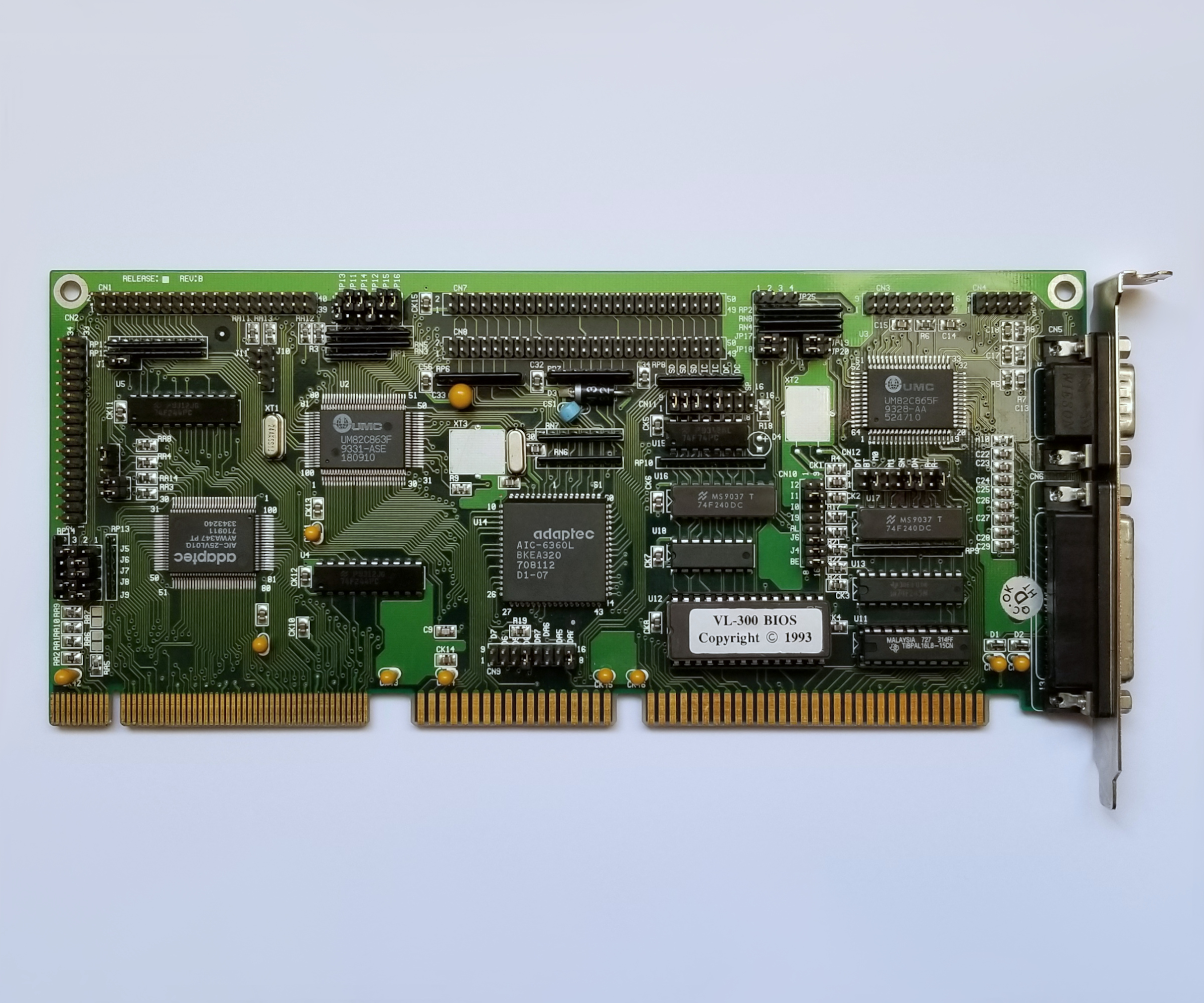
(Adaptec AIC-6360L for SCSI, Adaptec AIC-25VL01Q for IDE) Hornet Technology VL-300, details here.
(Appian ADI2) BCM GP-4530
(ALi M5213, relabeled Appian ADI2) PALM VL-BUS revision B.3
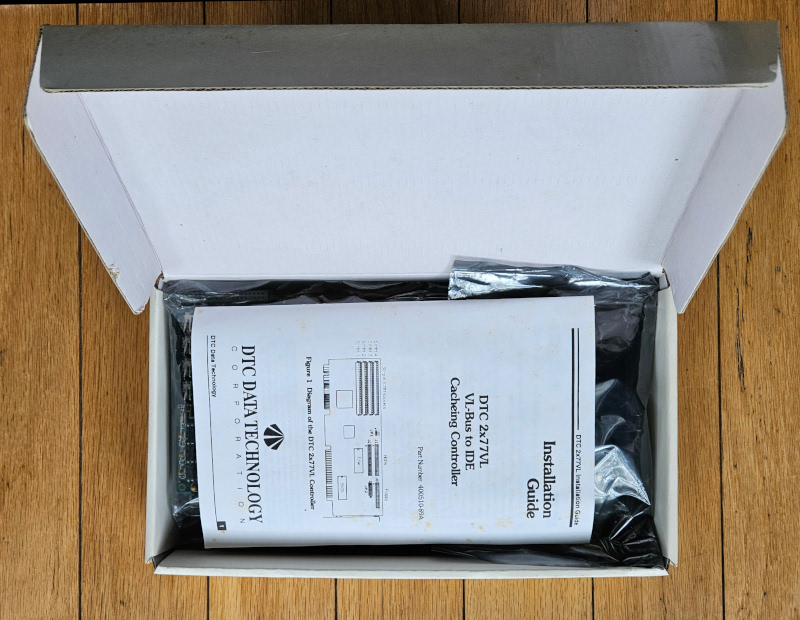
(ATronics IDEC-2020L) DTC 2177A REV A00, 16Mb RAM
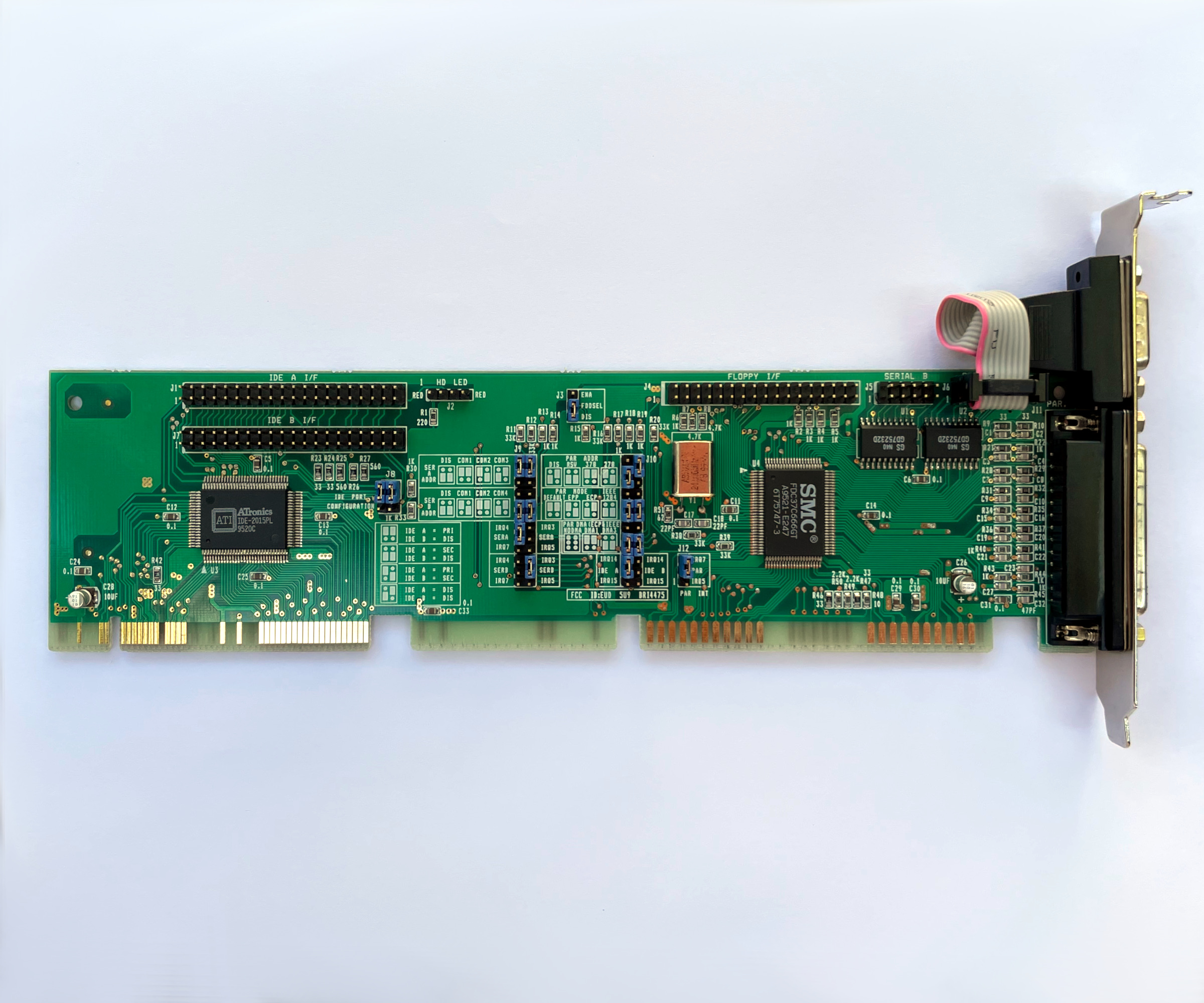
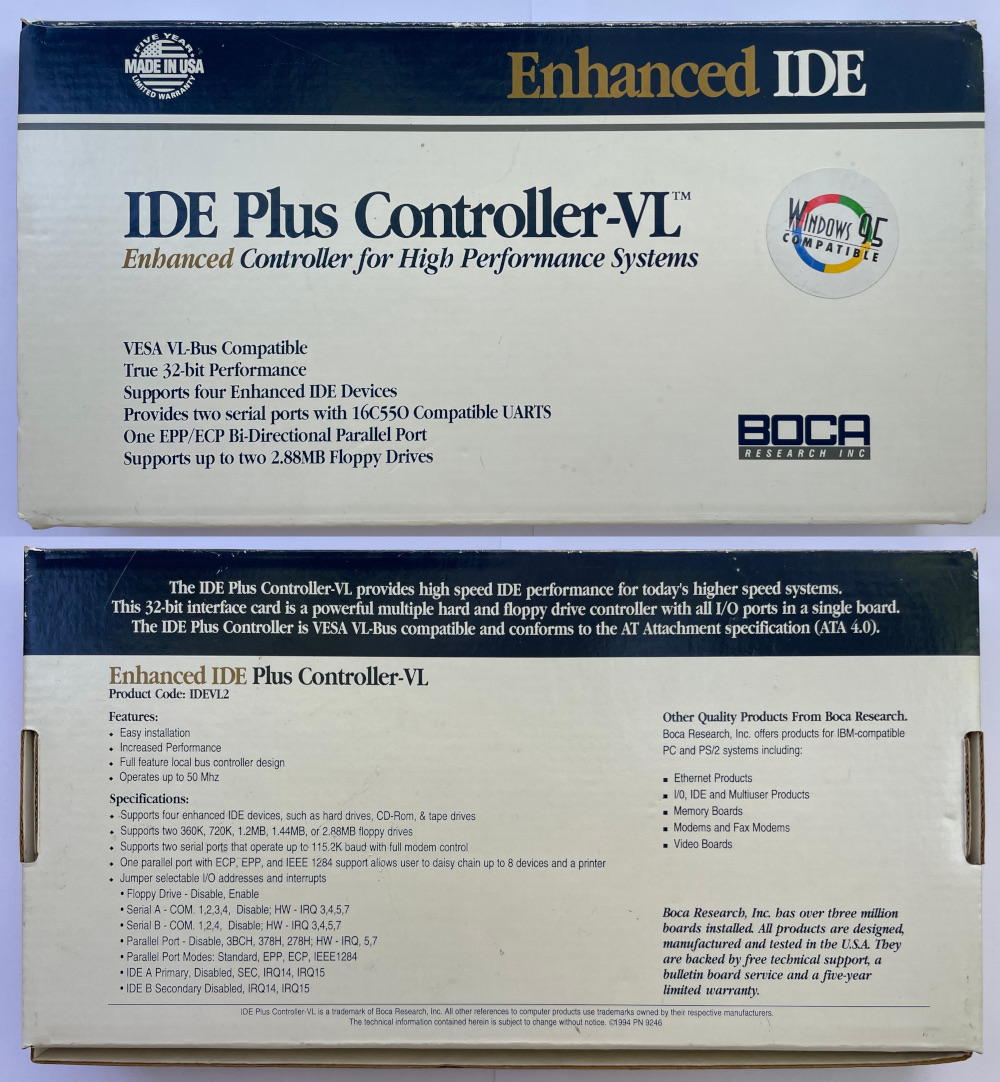
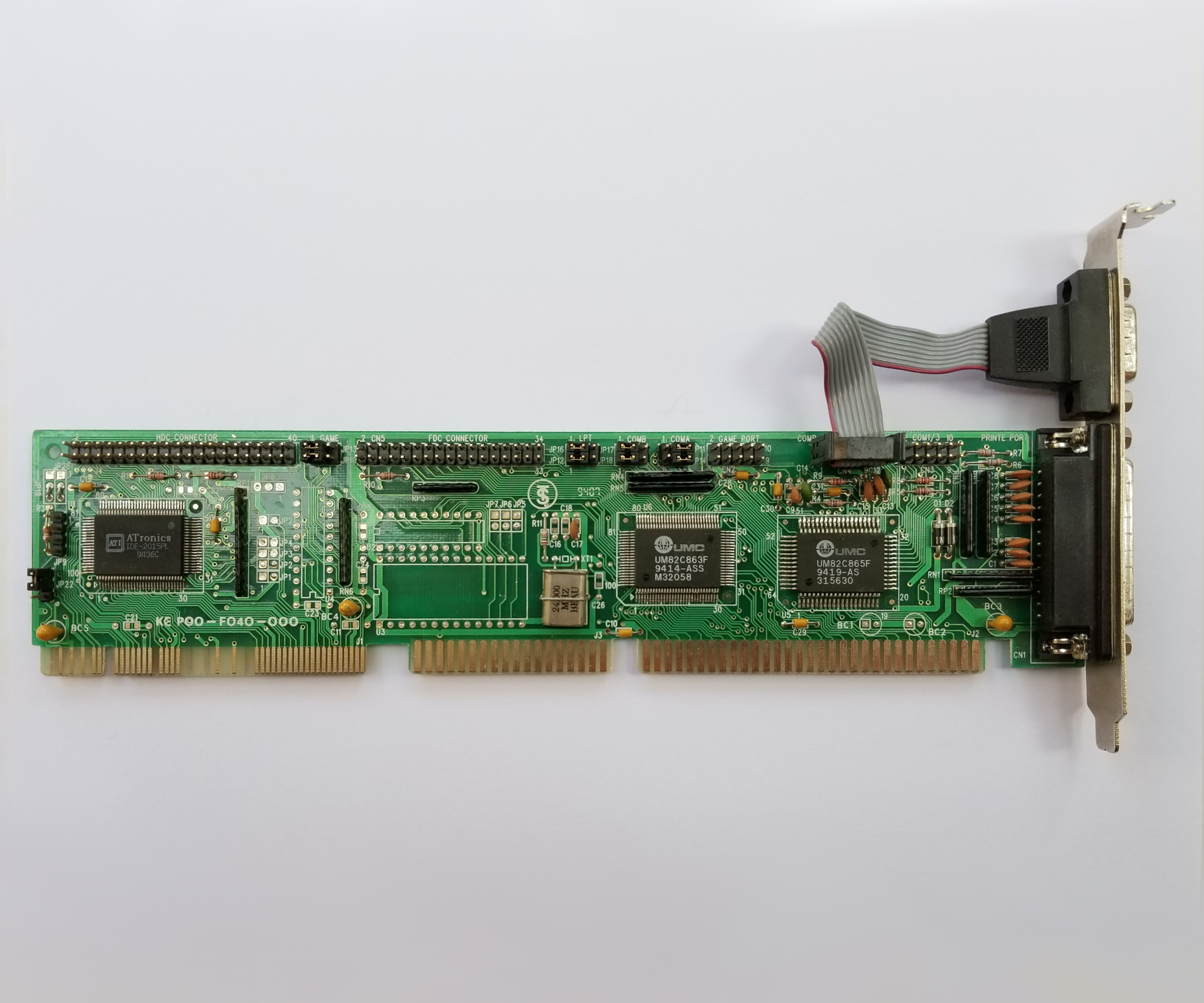
(ATronics IDE-2015PL) Boca Research IDEVL2 / DTC DTC2278E VL E / unknown brand/model
(BusLogic BA69C10, Harris CS80C286-20) BusLogic BT-410A / (Tekram TRM680C, Harris CS80C286-20) Tekram DC-680C
(Chaintech CT9000) ?
(CMD PCI0640B) CMD CSA-6210/KX
(Compass Lab CL3202, relabeled Chips 82C712?) unknown TSIOL-CL
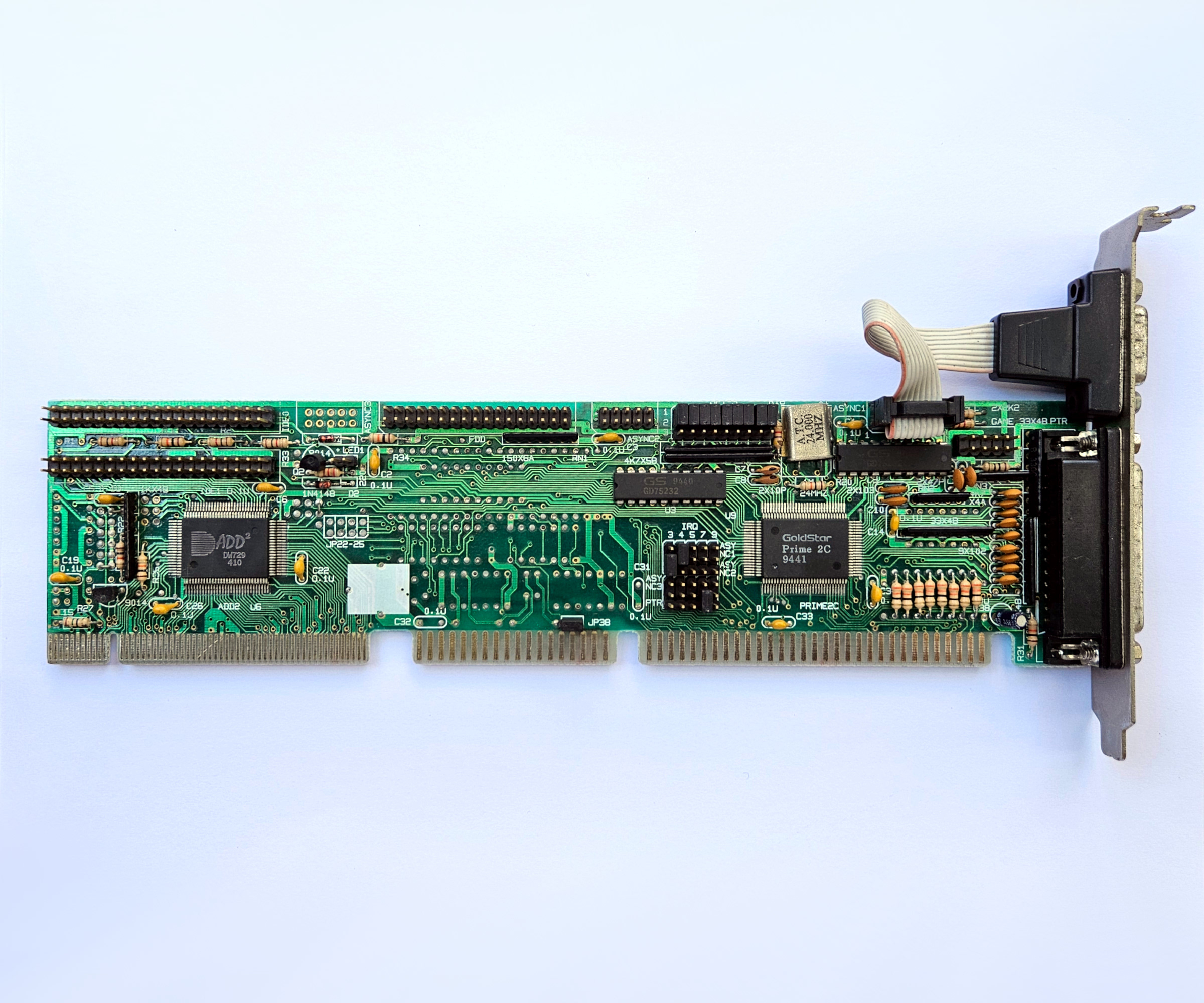
(Dataworld ADD2) Unknown VLSIO2C3
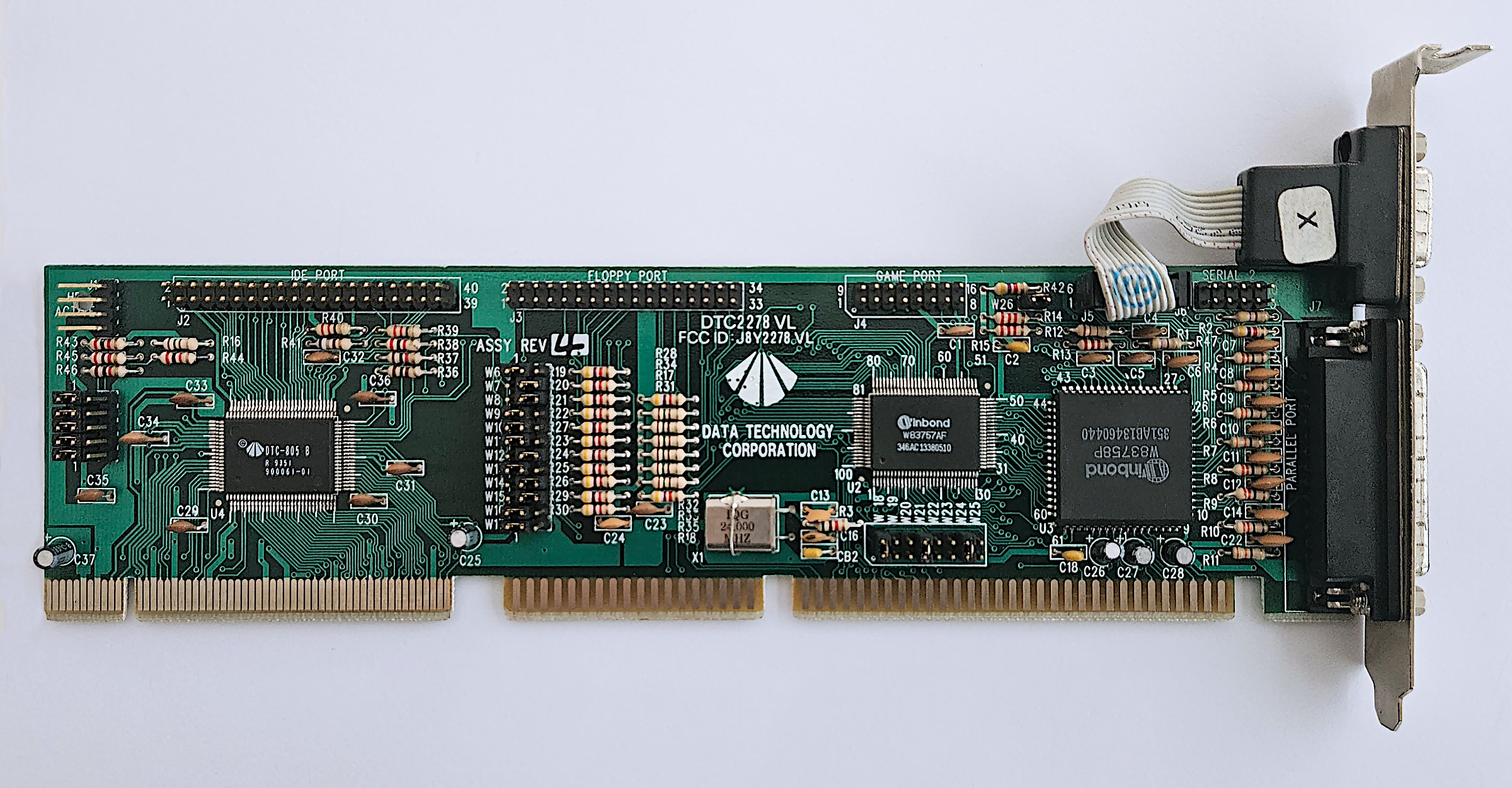
(DTC DTC-805 B) DTC DTC2278 VL B
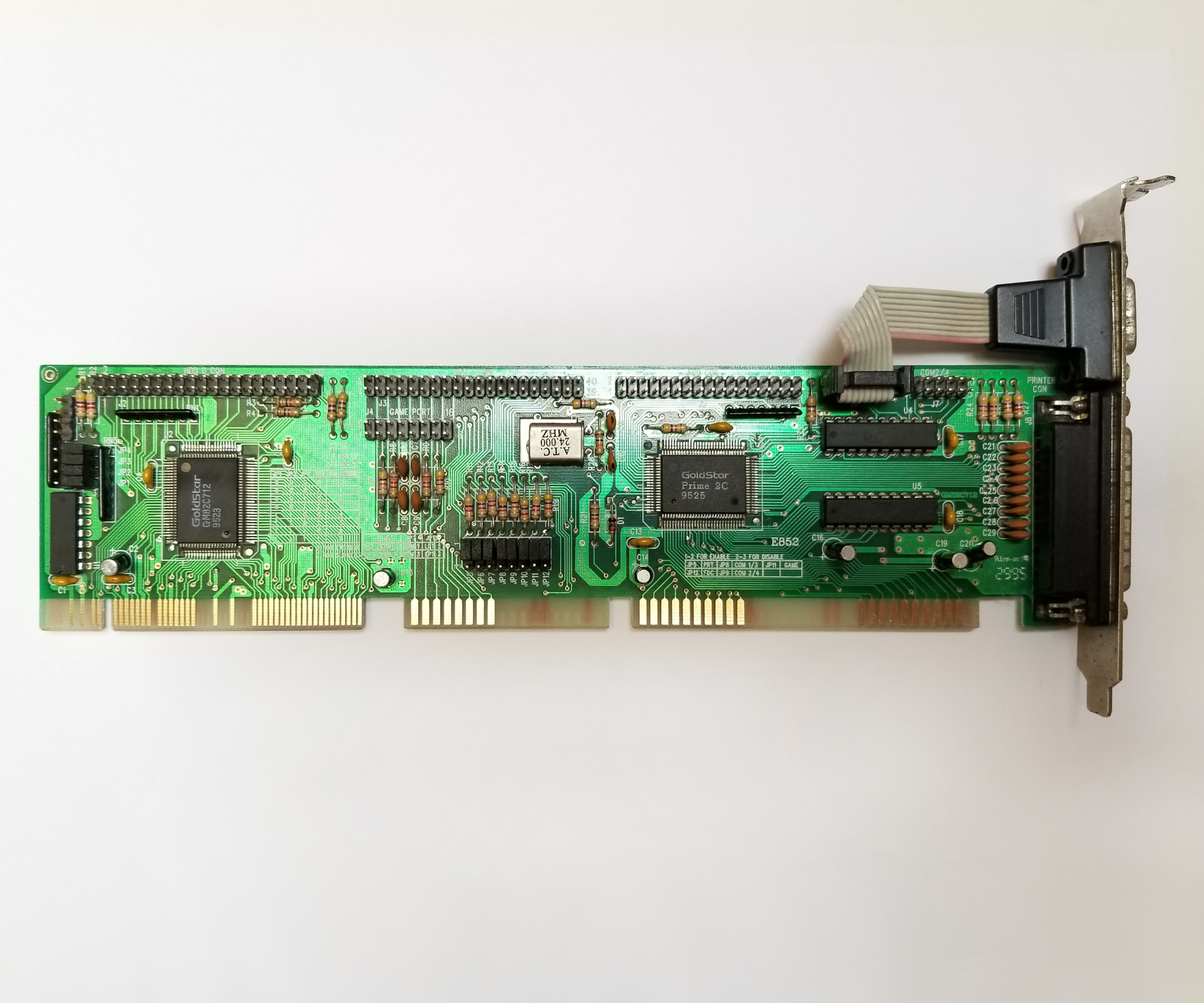
(GoldStar GM82C712, relabeled Chips 82C712?) ESPCo Multi-I/O VLB
(GoldStar GM82C711) ?
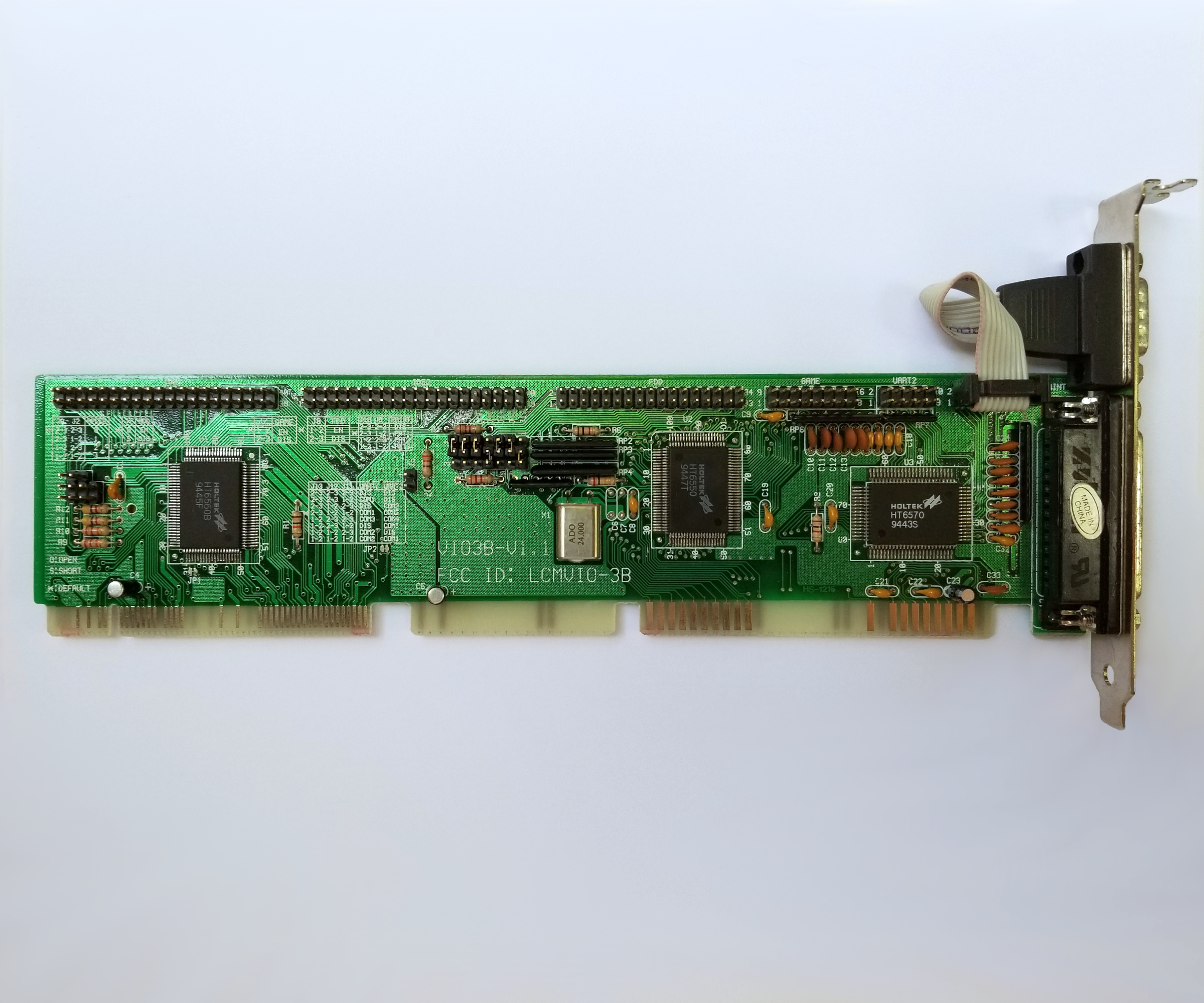
(Holtek HT6560B) Holtek VIO3B-V1.1
(Holtek HT6560A) ?
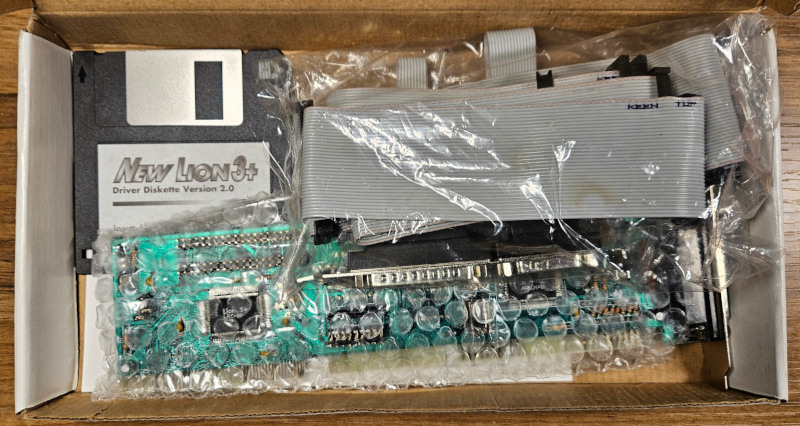
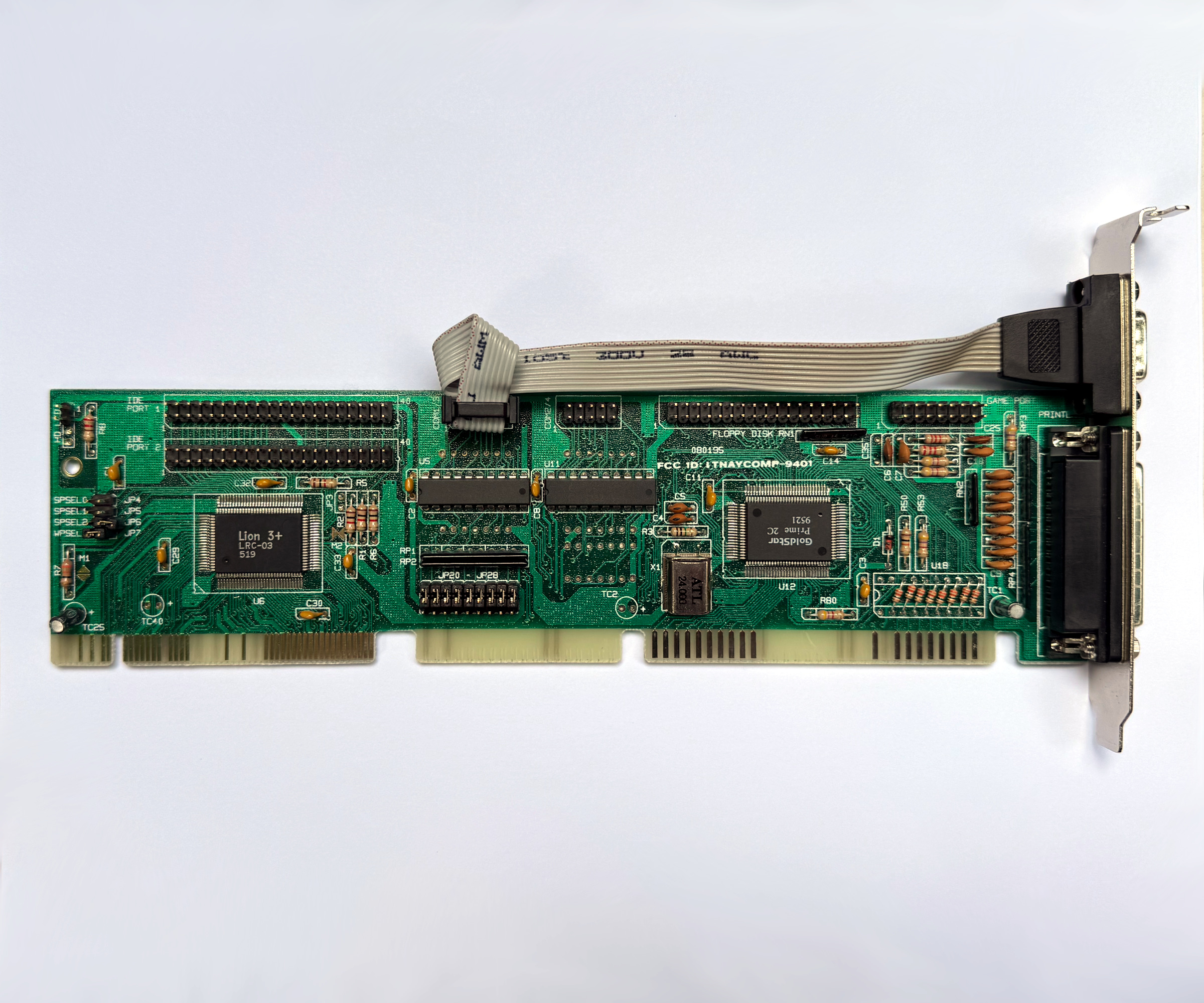
(Atlantic Components Lion 3+ LRC-03) unknown brand/model
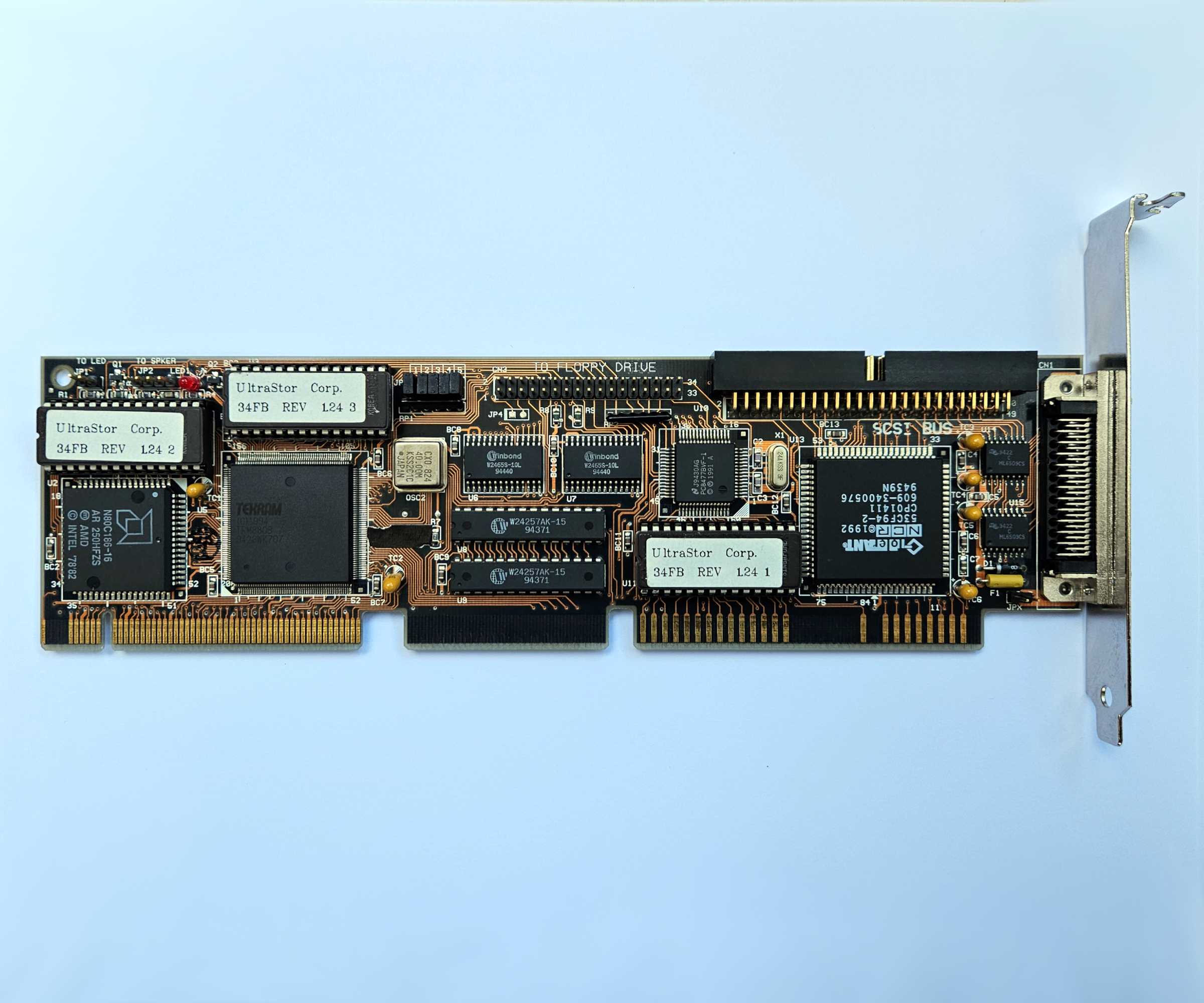
(NCR 53CF9402) UltraStor Ultra 34FB
(OPTi 82C611A) ?
(OPTi 82C611) Seanix SUPER-16550
(OPTi 92C108, Intel N80C186XL-12, Qlogic FAS216) DTC 3274
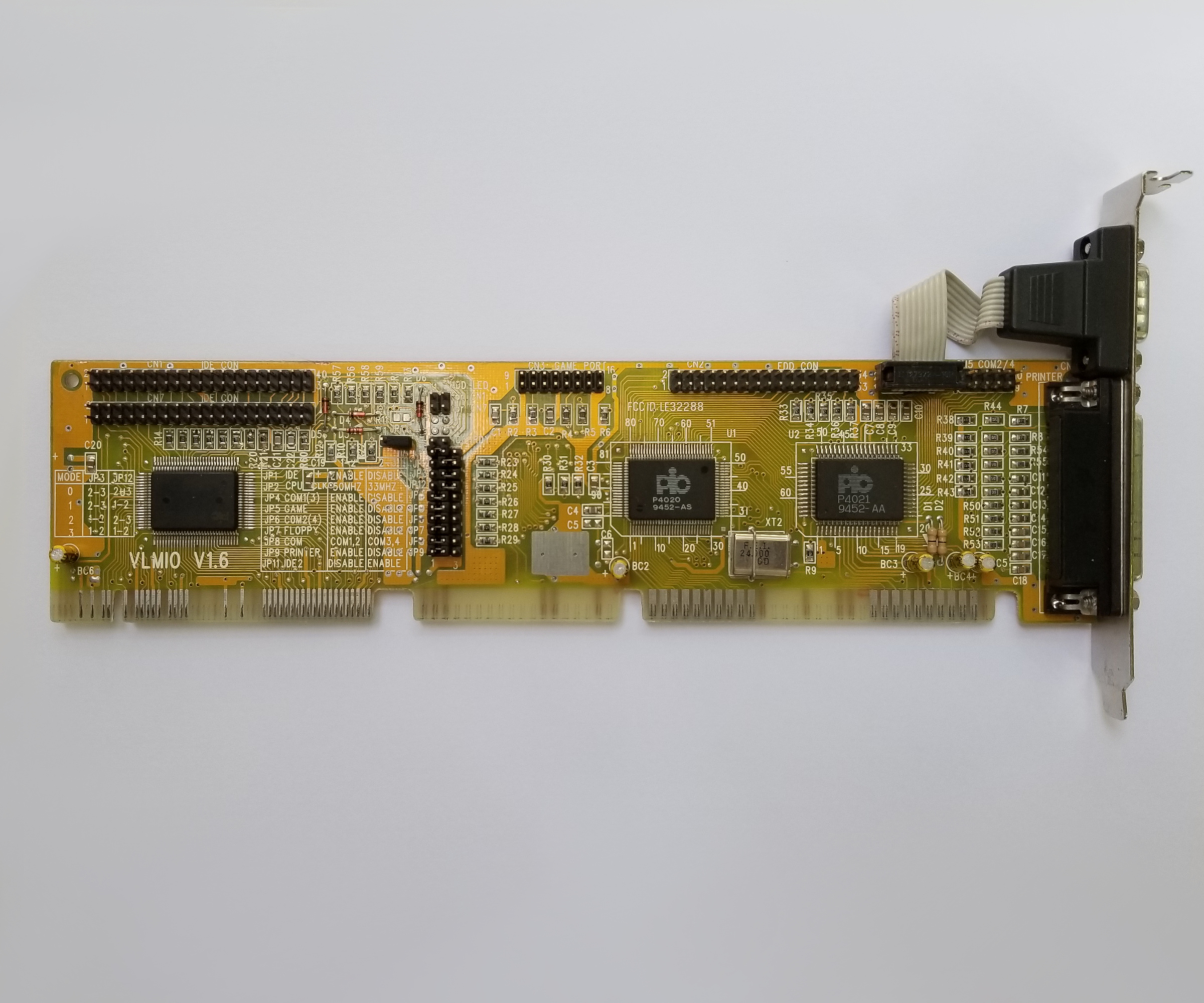
(PiC 12885A-125) Astral Corp VLMIO v1.6
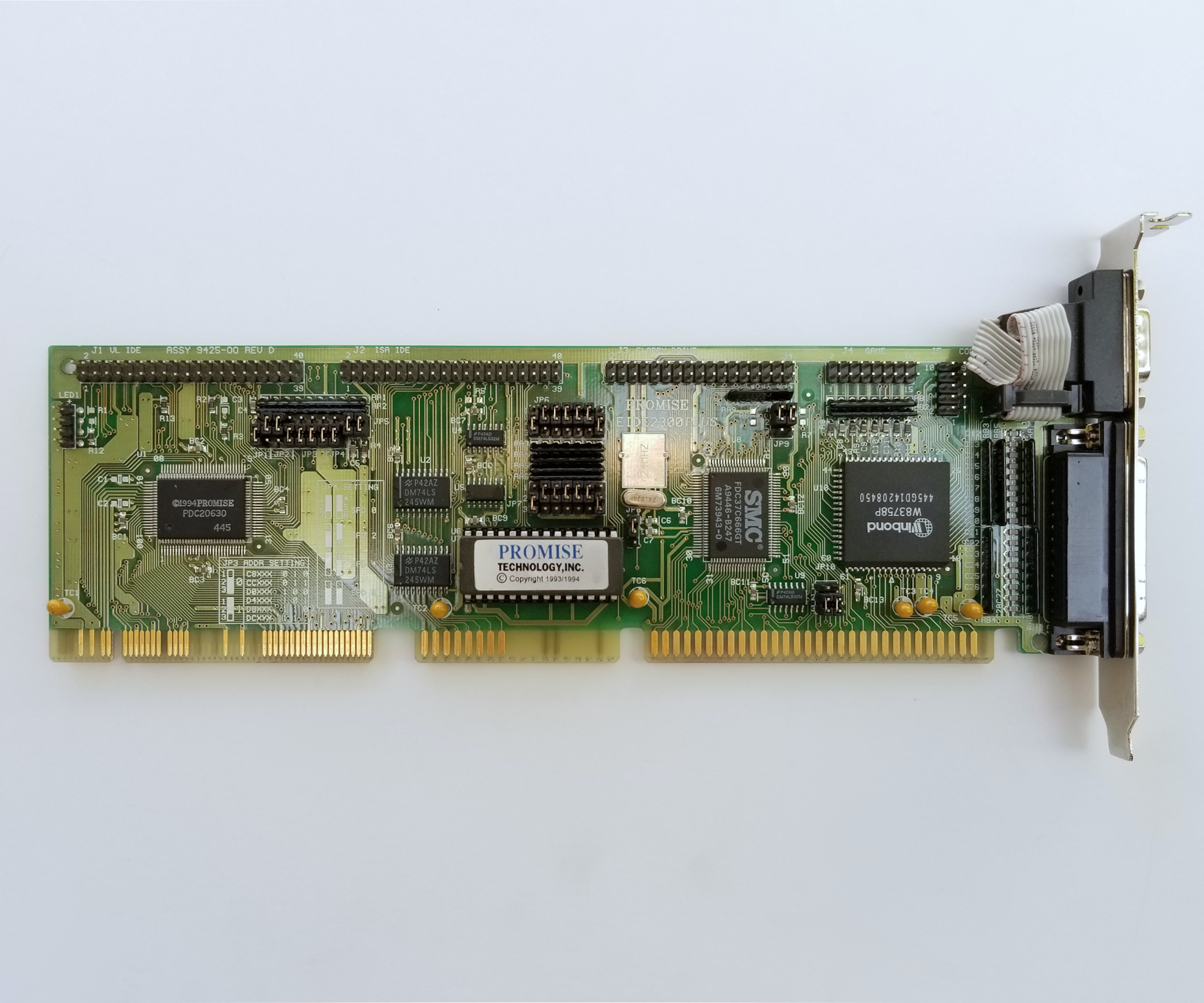
(Promise PDC20630) Promise EIDE2300Plus / SIIG SC-VKA422 / Promise P2630VL-1
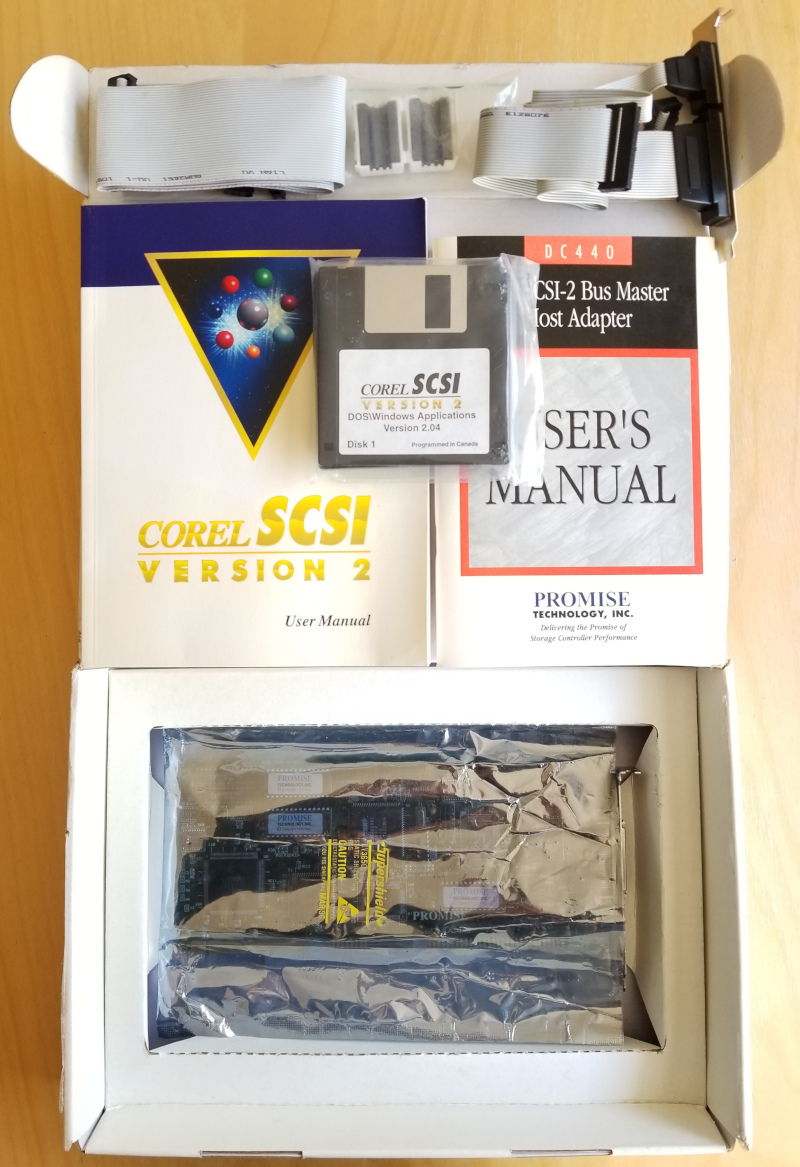
(Promise PDC20330A, PDC20430, NCR 53CF94-2) Promise DC440, details here.
(Promise PDC20230B) ?
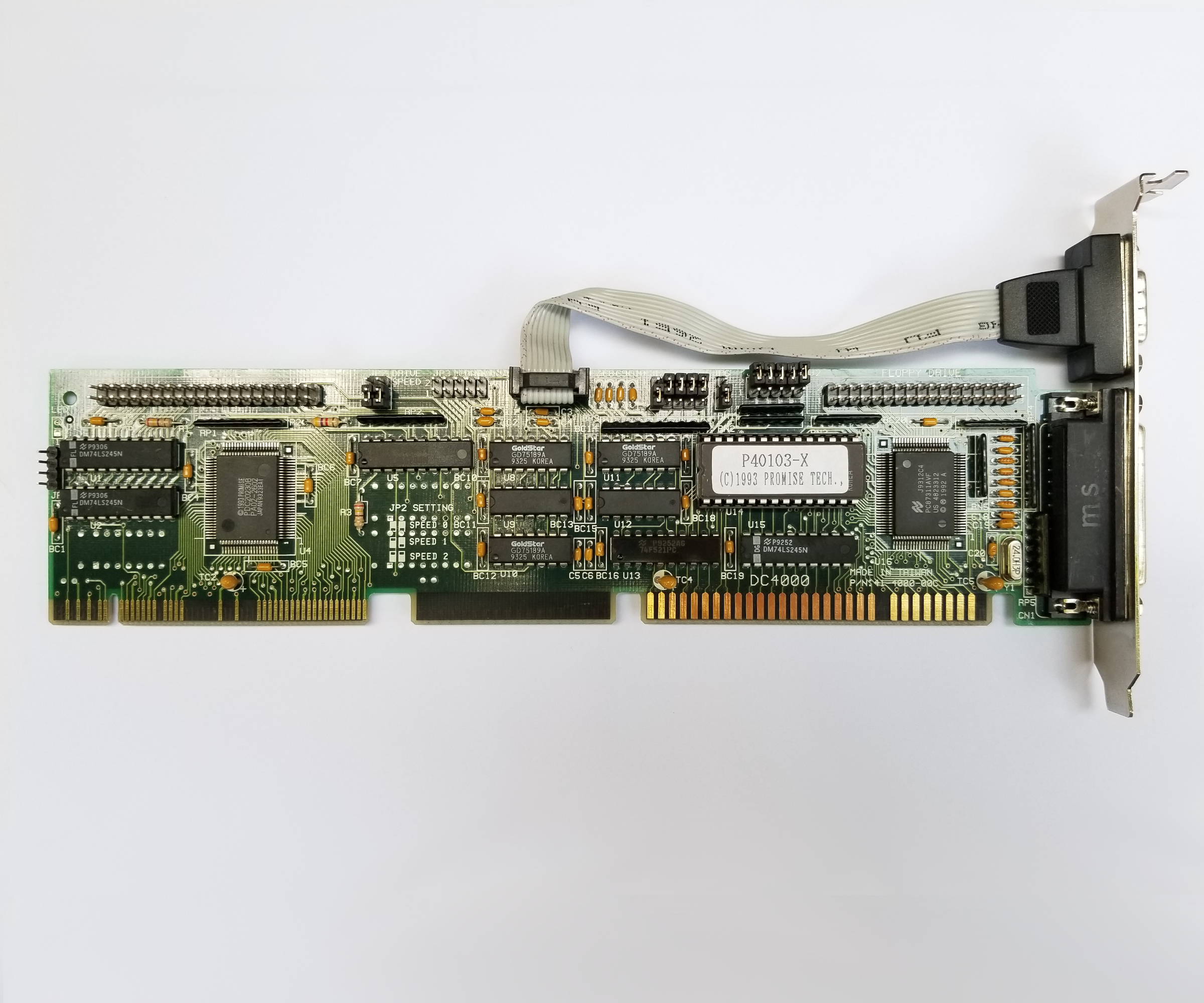
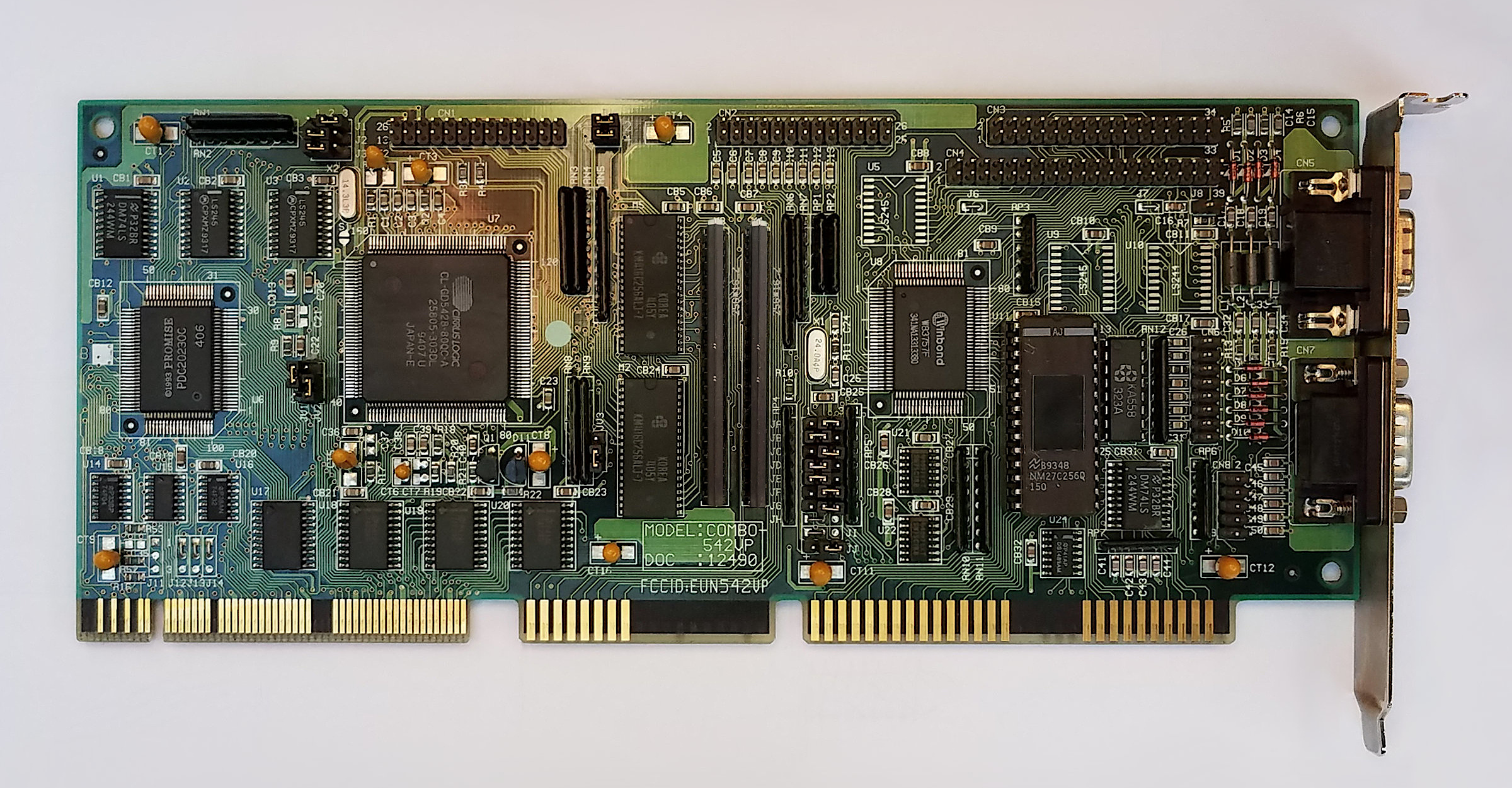
(Promise PDC20230C) Promise DC-4000 / FIC Combo-542VP
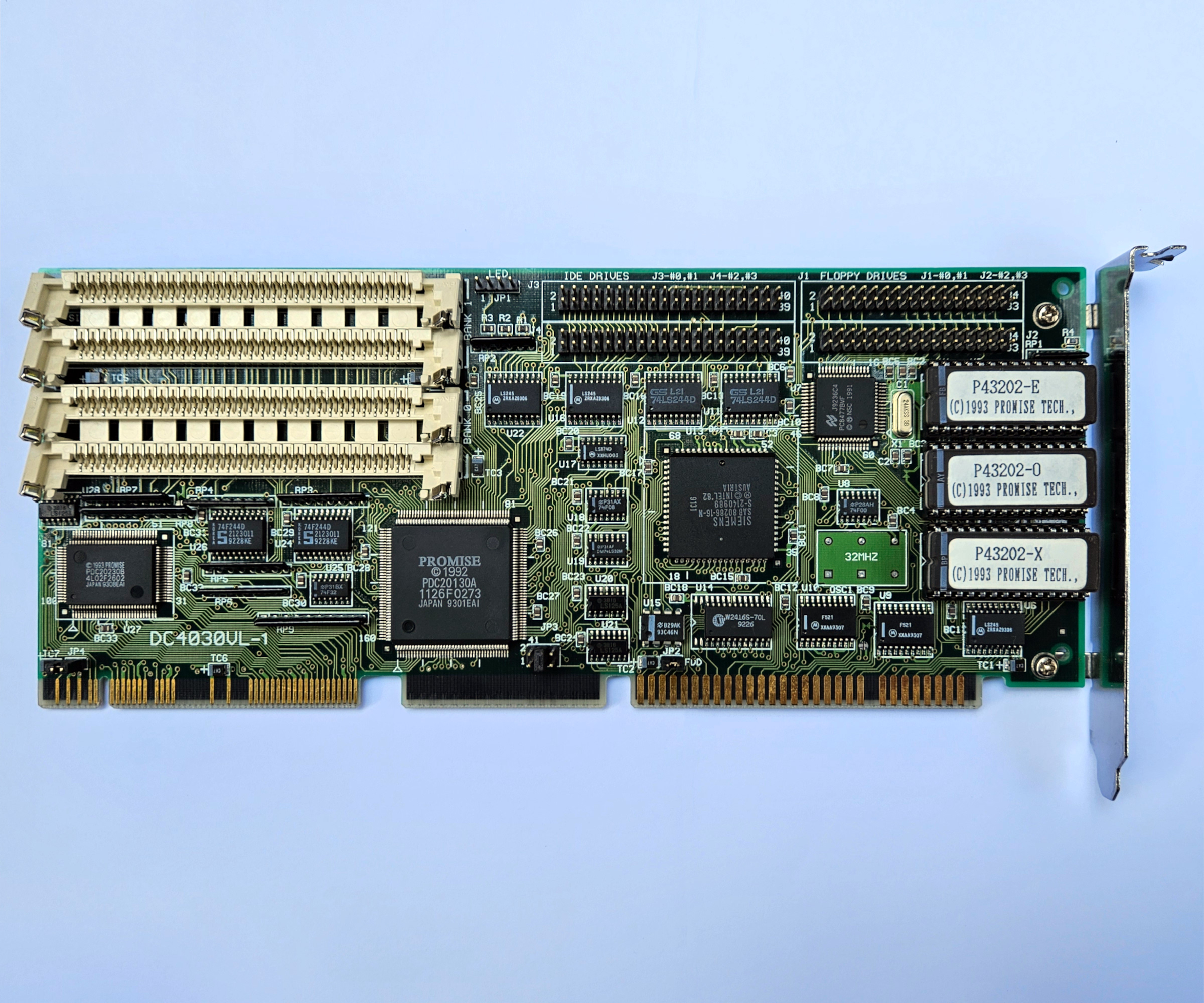
(Promise PDC20130A, PDC20230B) Promise DV4030VL-1
(QDI Vision QD6580) QDI QD6580UMC V1.0
(QDI Vision QD6500) QDI QD6500A v2.0
(QDI Vision QD5500) ?
(QLogic FAS216) BusLogic BT-445S
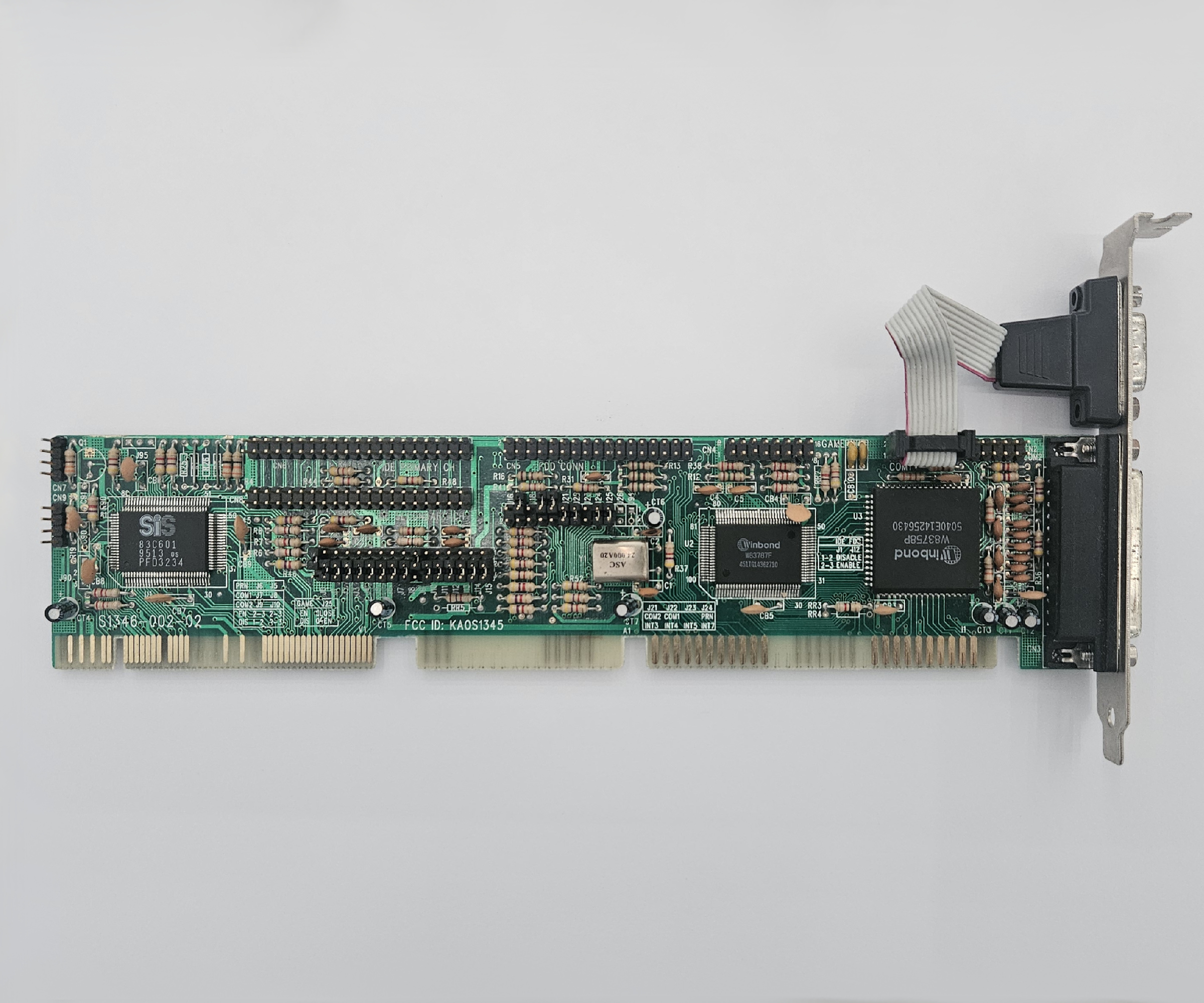
(SiS 83C601) Tyan S1346-002-2
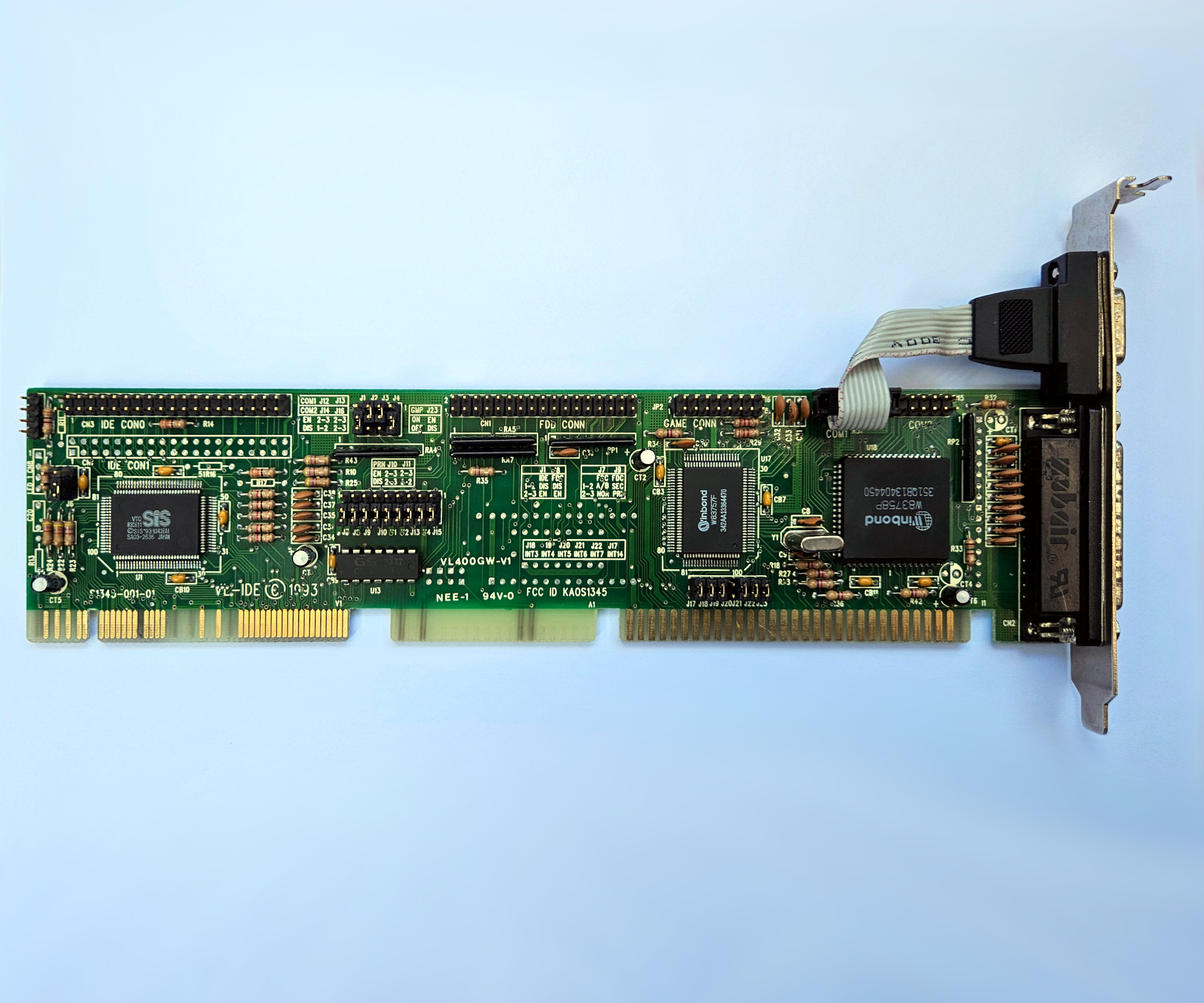
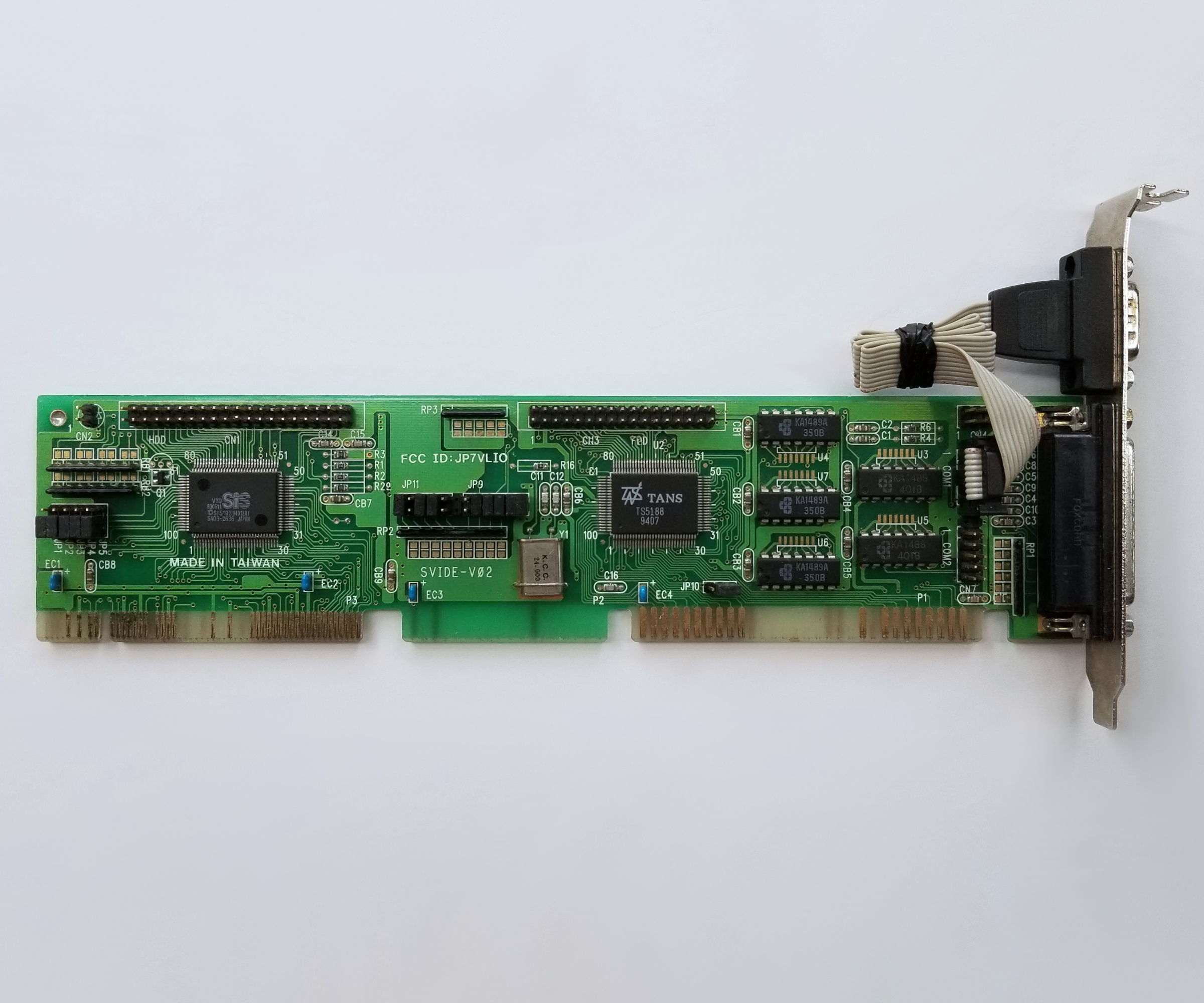
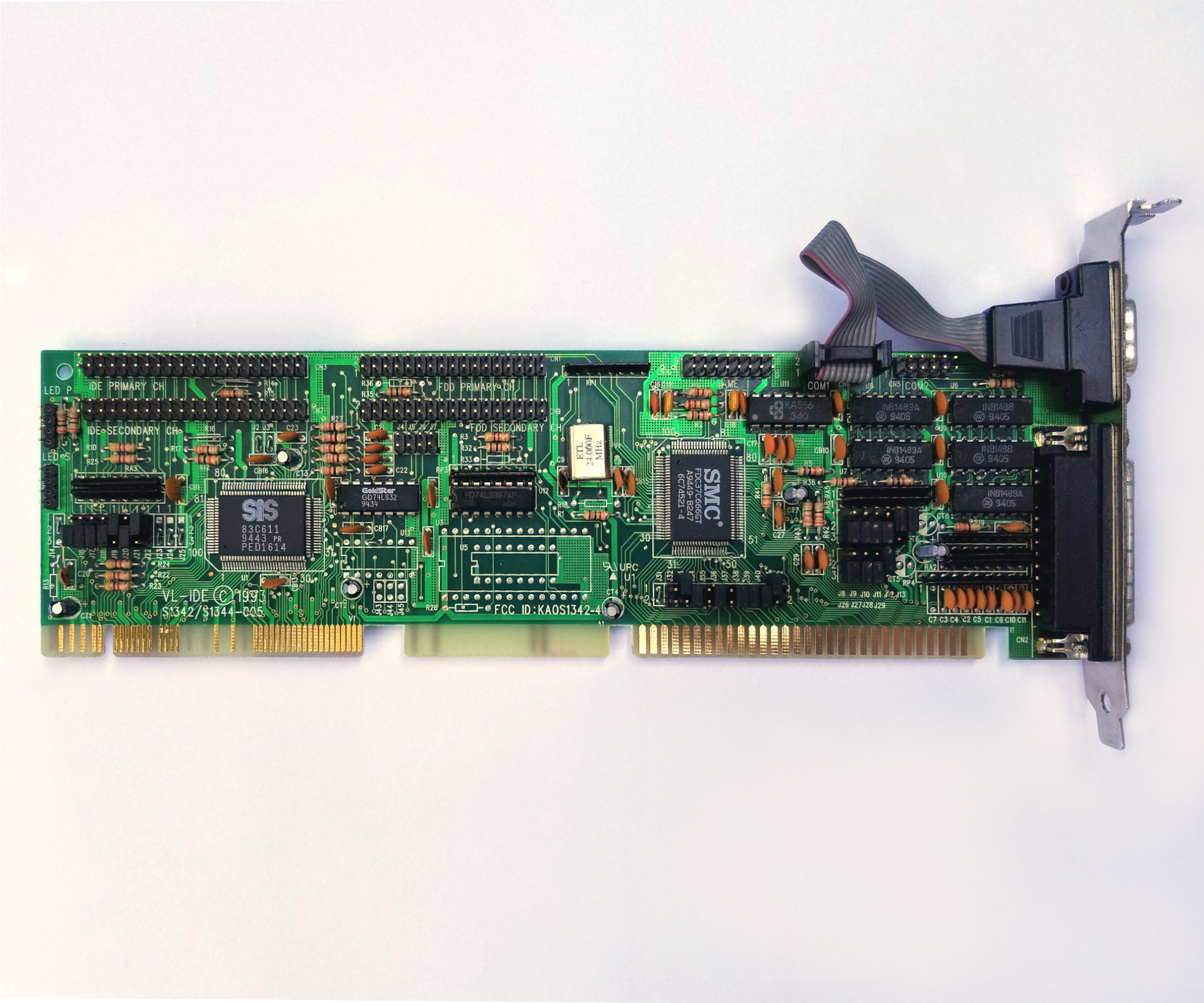
(SiS 83C611) Tyan S1342/1344-005 / Tyan VL400GW-V1 / Tans SVIDE-V02
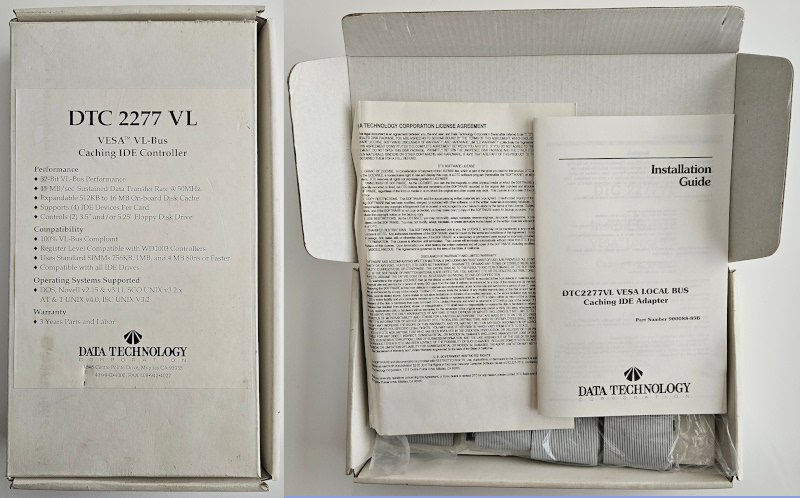
(ST300ALI, AMD 80C186-16) DTC 2277VL
(ST300ALI, AMD 80C186-12) Tekram DC-680T
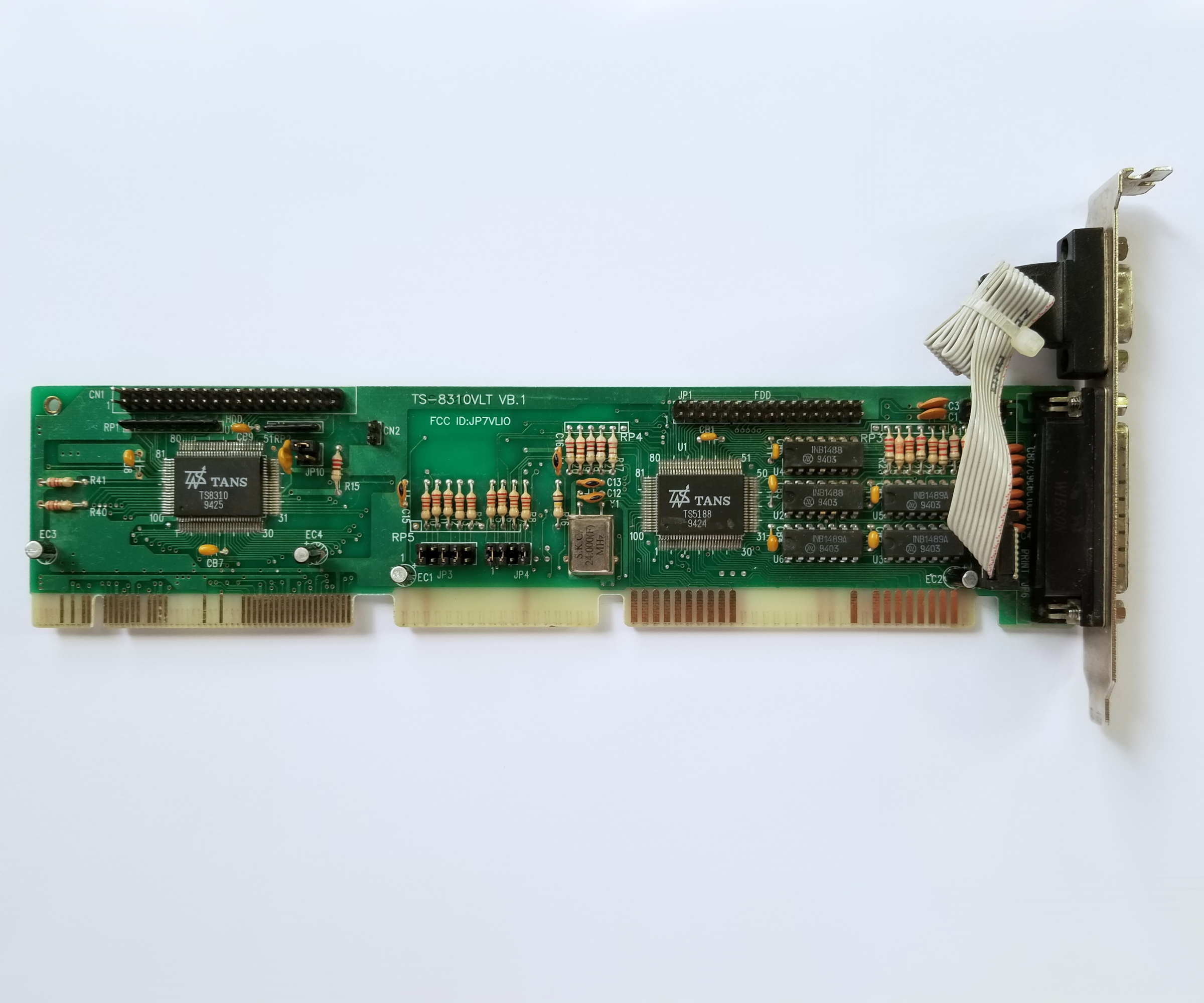
(Tans TS8310) Tans TS-8310VLT VB.1
(Tans TS8310A) ?
(UMC UM86C418F) ?
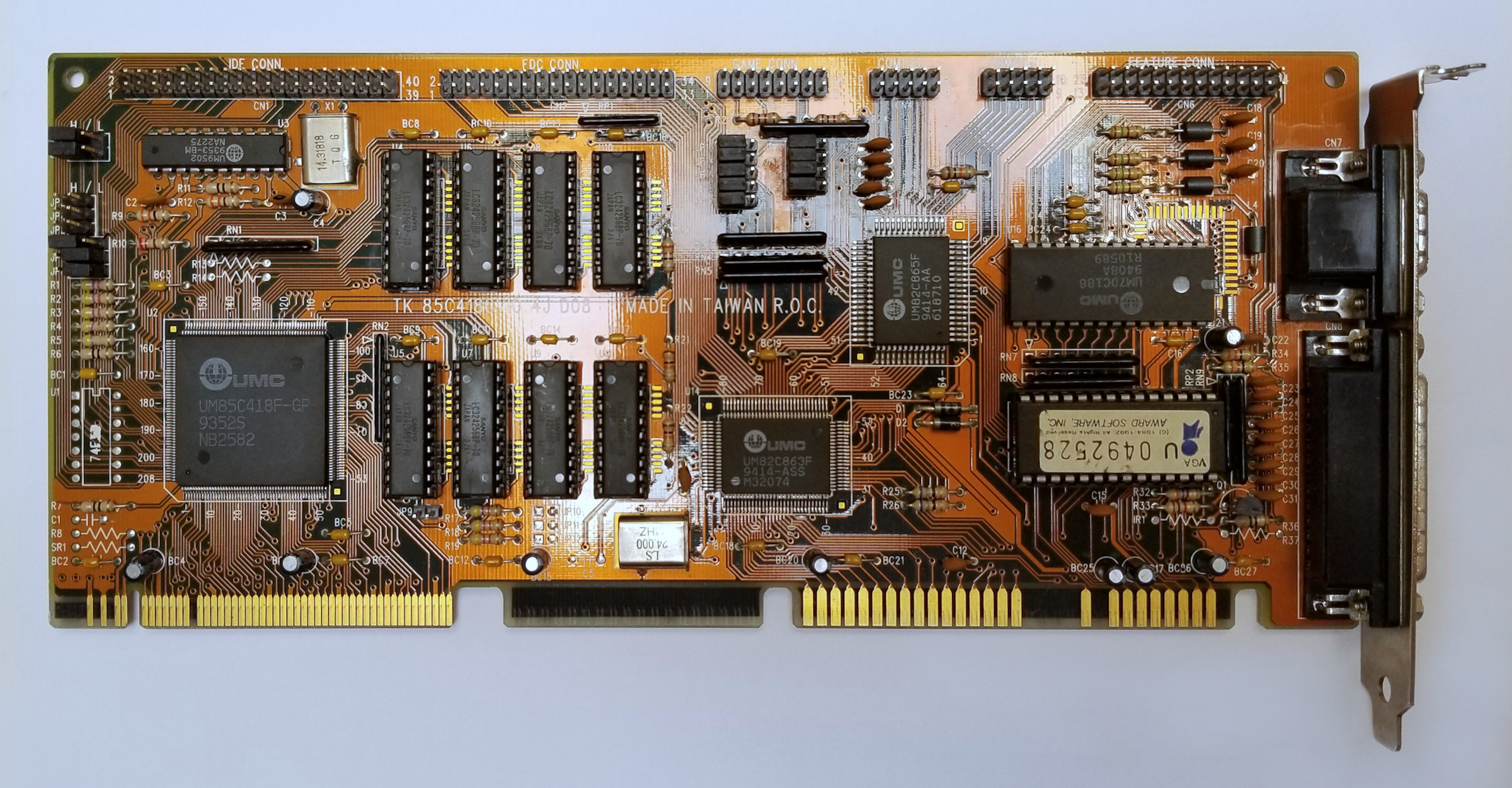
(UMC UM86C473F) TK TK-85C418GVIO 4J D08
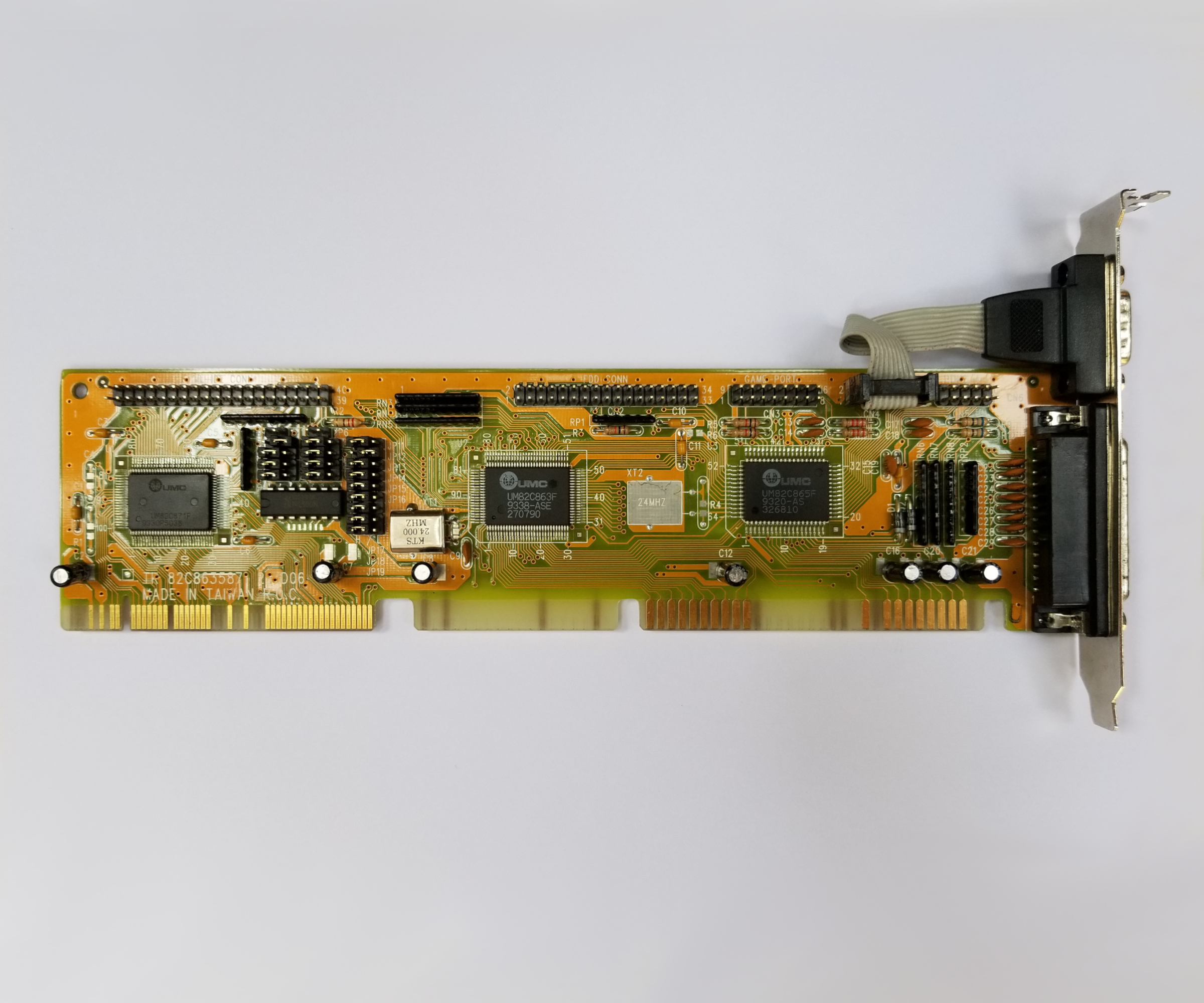
(UMC UM82C871F) TK 82C863587 2J D06
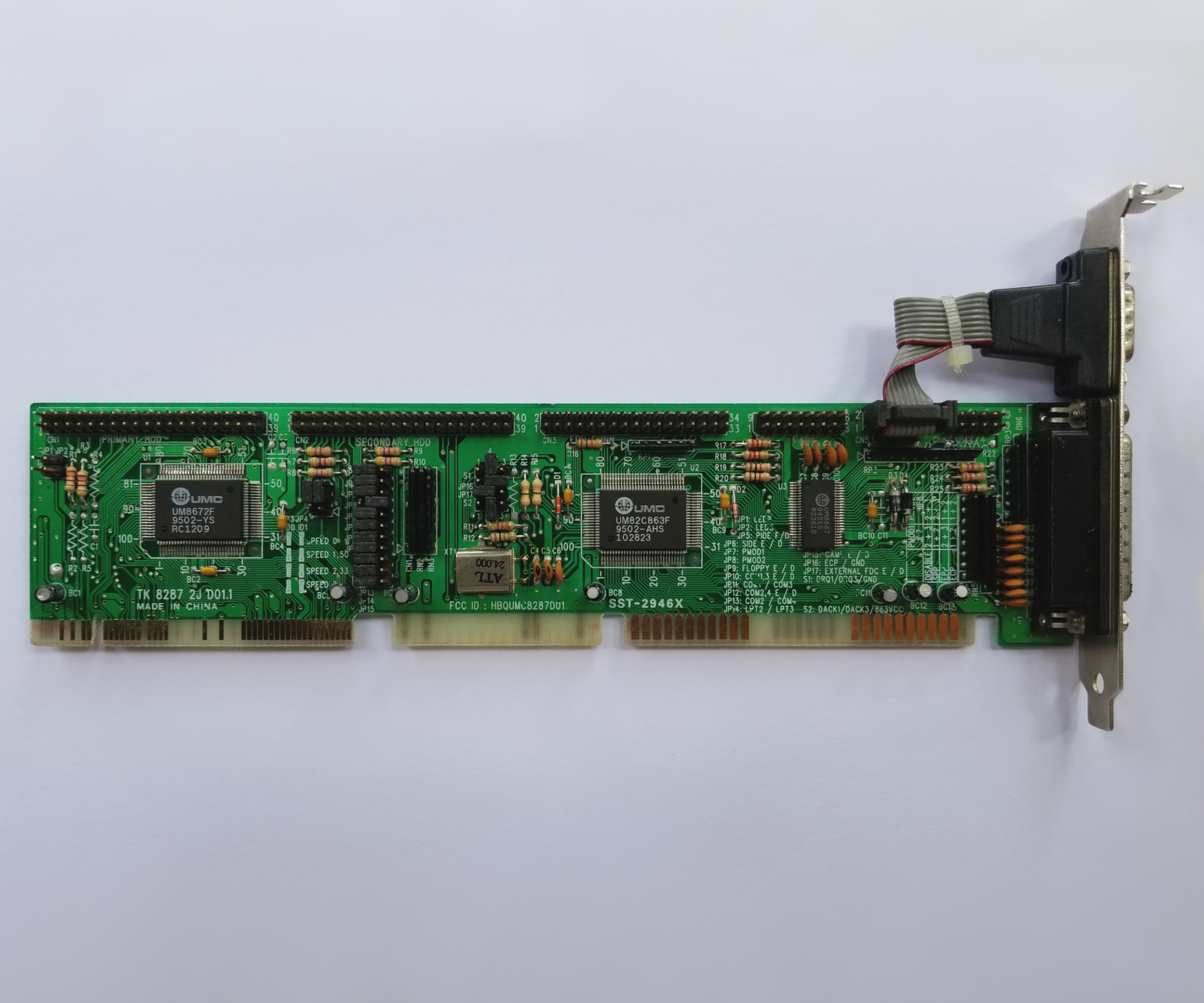
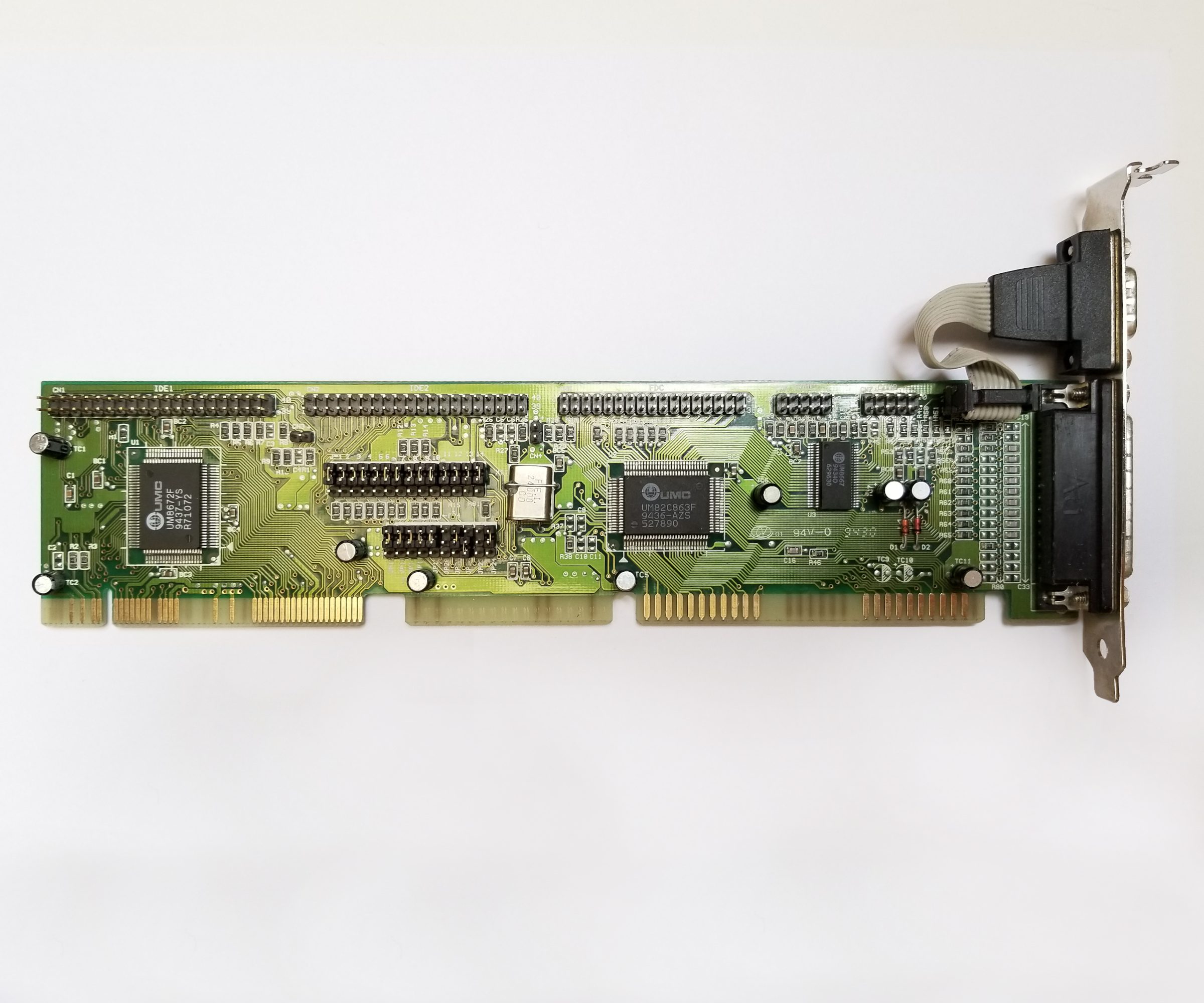
(UMC UM8672F) ACE C MEGA-VL, SilverStar SST-2946X / TK TK85C418G-4J-D08
(VIA VT83c461) Aresys Precision AV150 VER1.1
(VIDE-1, relabeled PiC 12885A-125?) Astral Corp VLMIO V1.4
(Winbond W83759F) Micro Equipment Corp UN-1082 VL
(Winbond W83759F) ?
NOTES
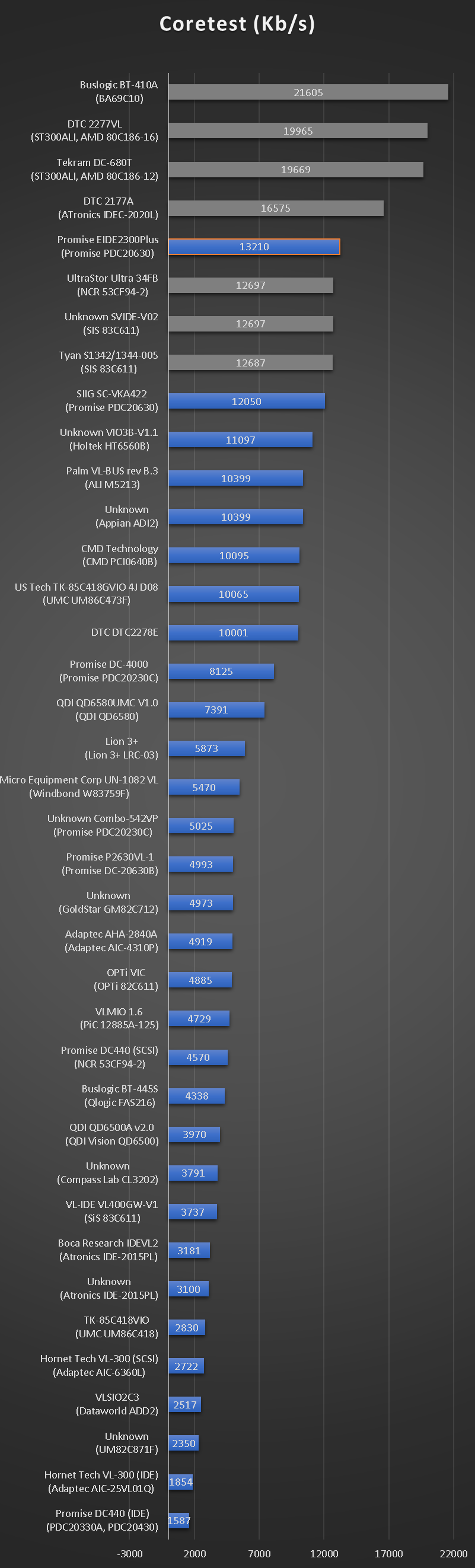
All controllers run at their fastest speed settings (jumpers and driver arguments). Missing bar in the charts below indicates unstable system - usually permanent data corruption or inconsistent reads.
(UMC UM82C871F) TK 82C863587 2J D06 does not like CF cards. Mechanical HDDs only. It requires you to format the HDD through it, otherwise cannot boot and/or if it sees a partition most of the files/directories appear corrupted. Maybe there is a logical explanation behind this behavior, but didn't bother to check, maybe later. For now i won't include it in the test charts, because i cannot test it against the same CF.
Compass Lab CL3202 and GoldStar GM82C712 seem to be Chips 82C711/712 in disguise. That is IDE PIO-3 silicon.
711 is jumper configured, 712 is software driver configured, or something like that. Both paths converge on the same capabilities and performance.
At the same time the GoldStar drivers don't work on the Compass Lab controller, so the above presumption may be incorrect.
THE CULPRITS
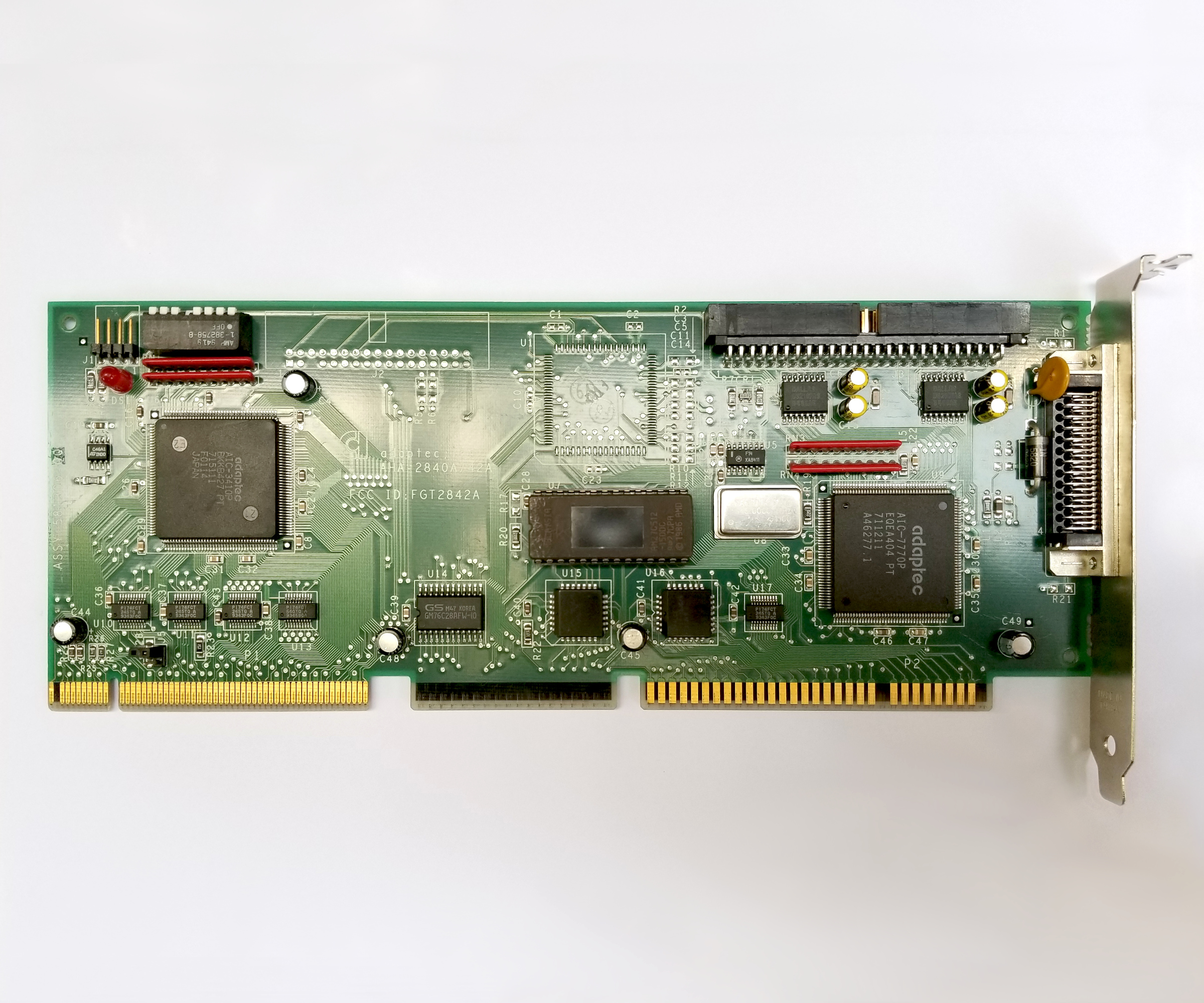
(Adaptec AIC-4310P) Adaptec AHA-2840-A
(Adaptec AIC-6360L for SCSI, Adaptec AIC-25VL01Q for IDE) Hornet Technology VL-300
Couldn't find a driver.
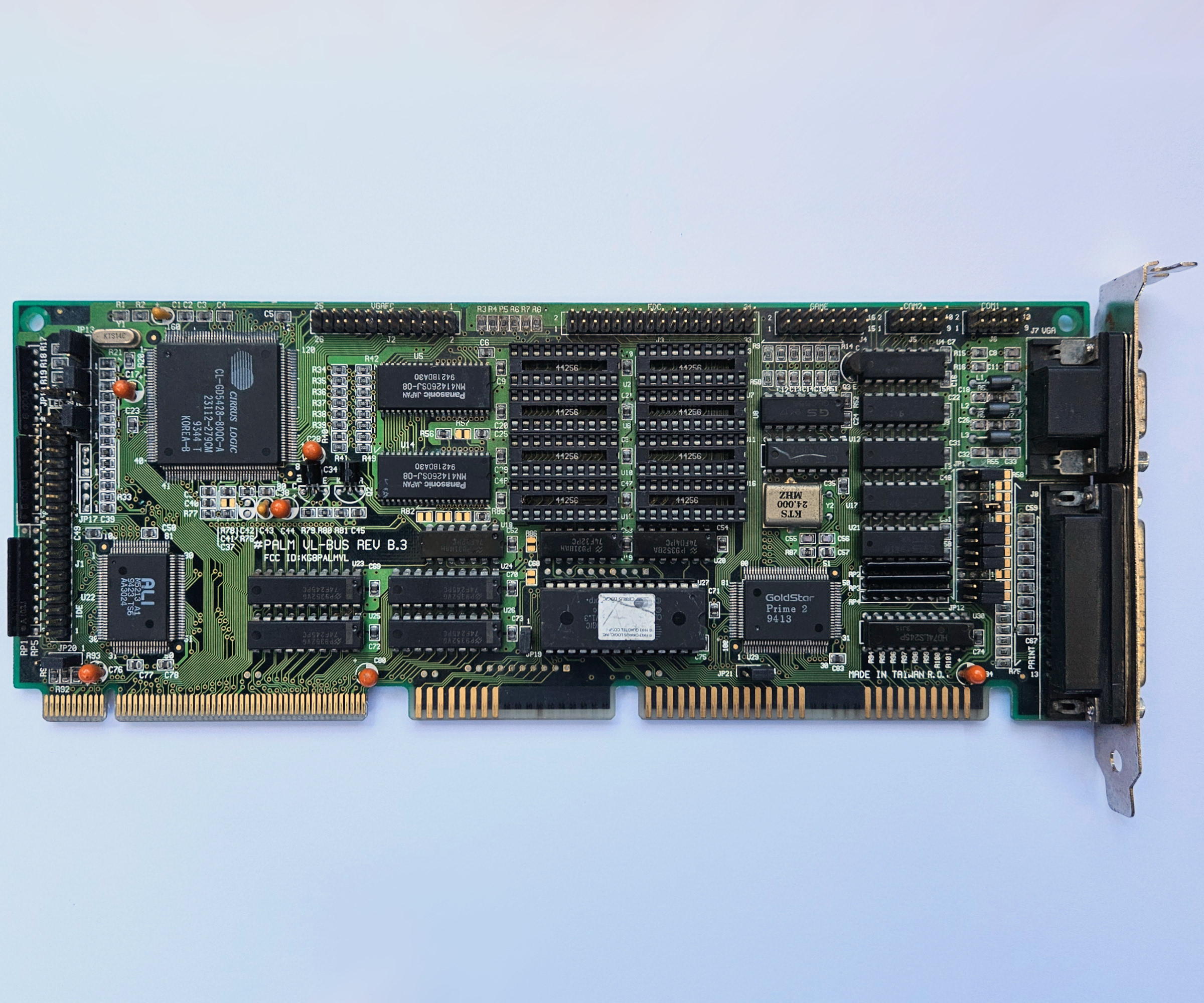
(ALi M5213, relabeled Appian ADI2) PALM VL-BUS revision B.3
I was not sure what the ALi M5213 chip is, or what drivers were for it, but found images of the same VL-BUS card with Appian ADI2 IC on it.
The Adaptec/Appian FLEXIDRV.SYS works with it which made it clear what's under the label. Didn't list the results explicitly in the charts below top reduce clutter since they match Appian ADI2.
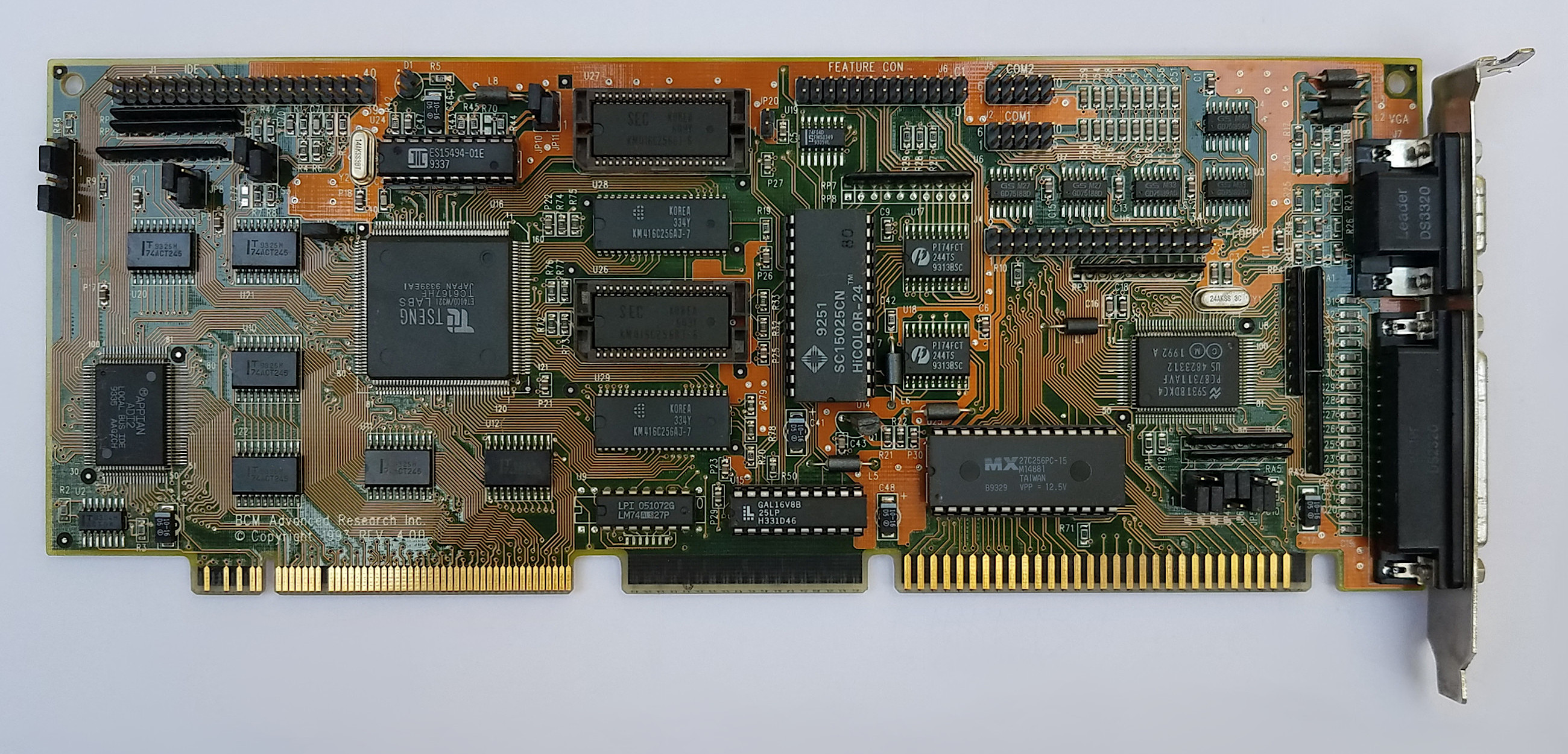
(Appian ADI2) BCM GP-4530
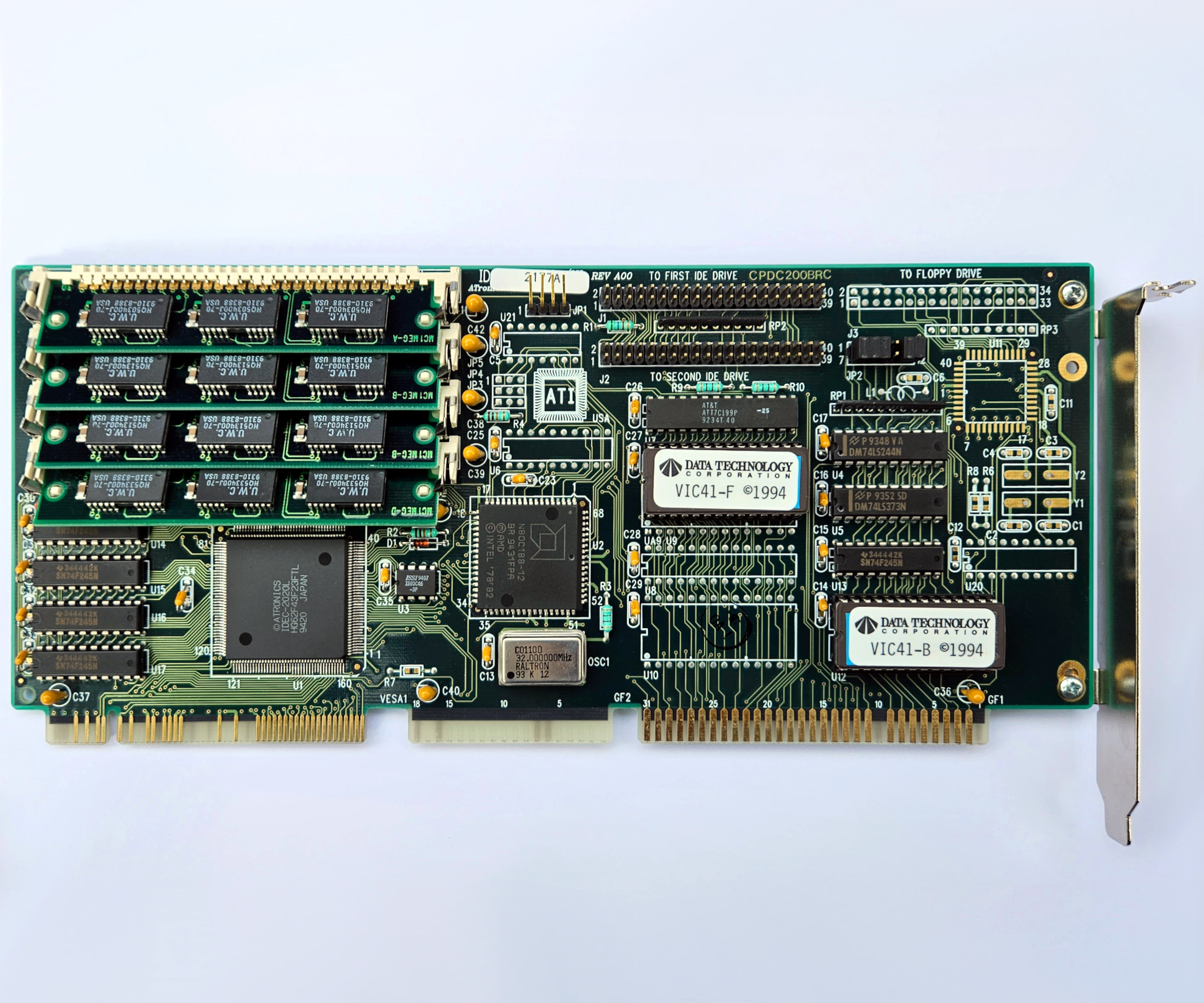
(ATronics IDEC-2020L) DTC 2177A REV A00 (new in box)
Takes long time to complete POST and BOOT to DOS.
Manual incorrectly states to set drive type to 1. It must be CUSTOM with the actual drive settings. Ideally use NORMAL mode, but not LBA.
No drivers are required. On-board BIOS takers care of business.
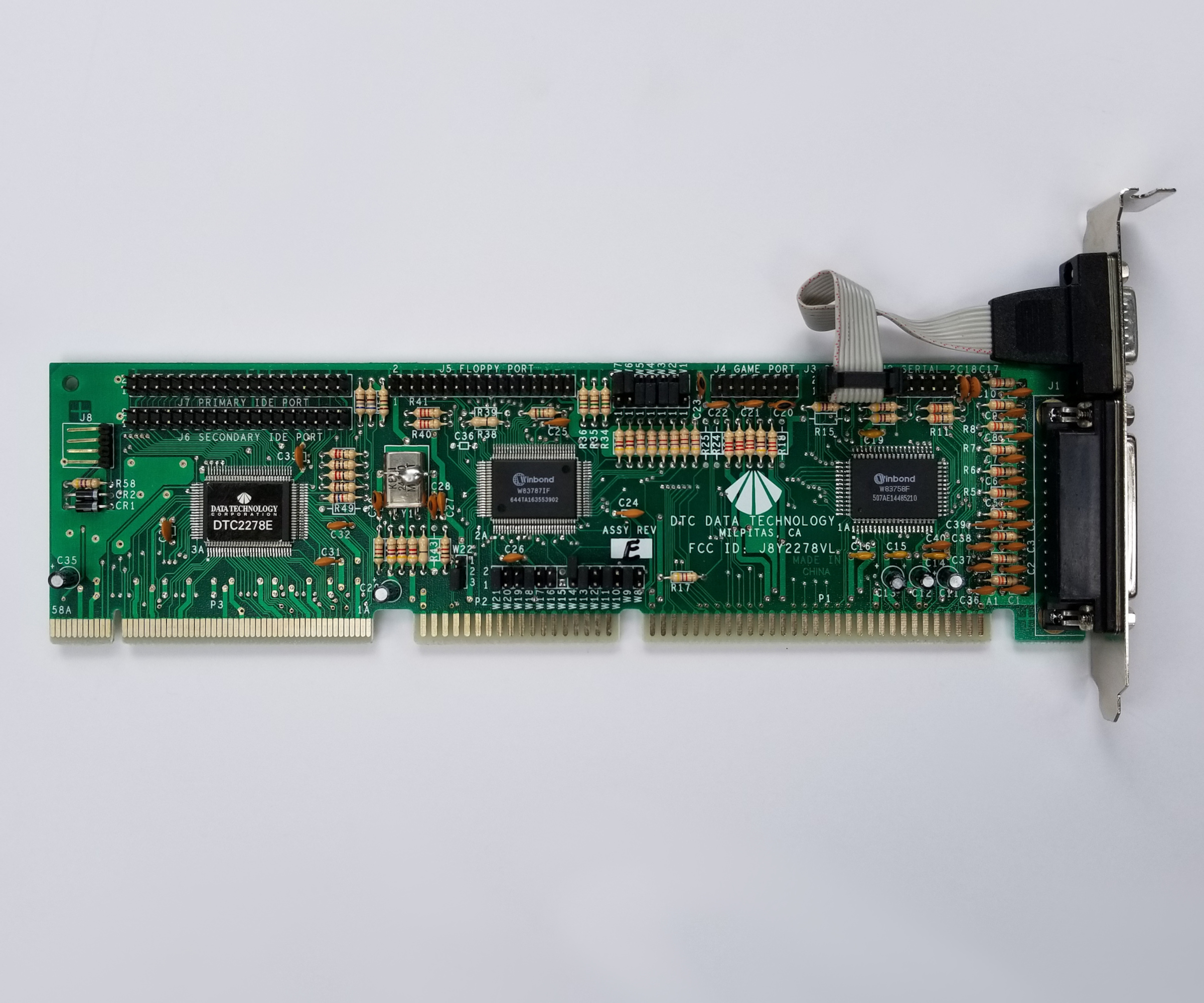
(ATronics IDE-2015PL) DTC DTC2278E, Boca Research IDEVL2 (new in box), unknown brand/model
The latest model of series of IDE/EIDE controllers from Data Technology Corporation.
The latest ATronics driver has control arguments but seem to be problematic in general - performance is bad - way below 1Mb/s. The early driver does not have control arguments but boosts performance about twice the baseline.
PIO-4 mode is supported by all controlers.
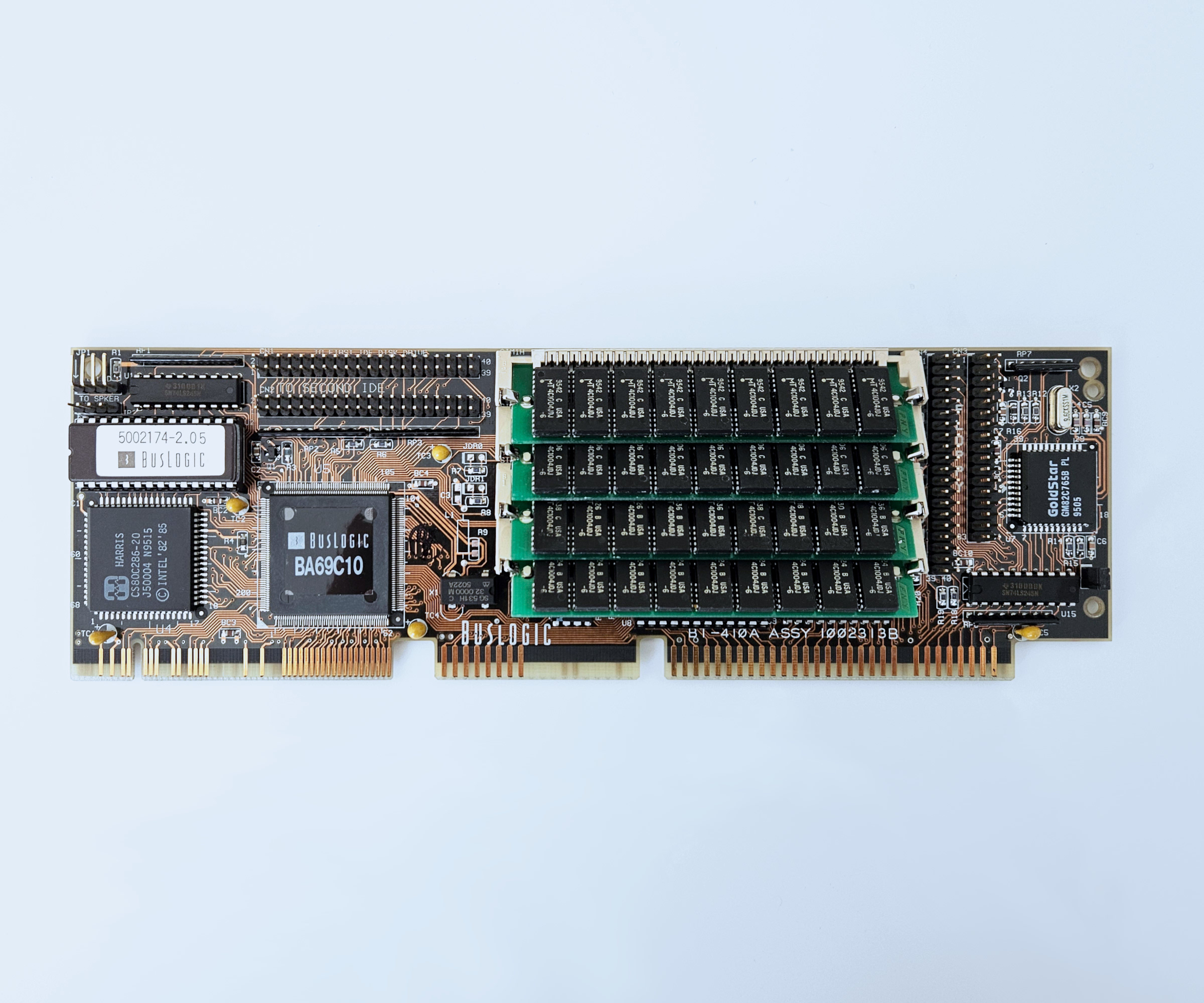
(BusLogic BA69C10, Harris CS80C286-20) BusLogic BT-410A / (Tekram TRM680C, Harris CS80C286-20) Tekram DC-680C
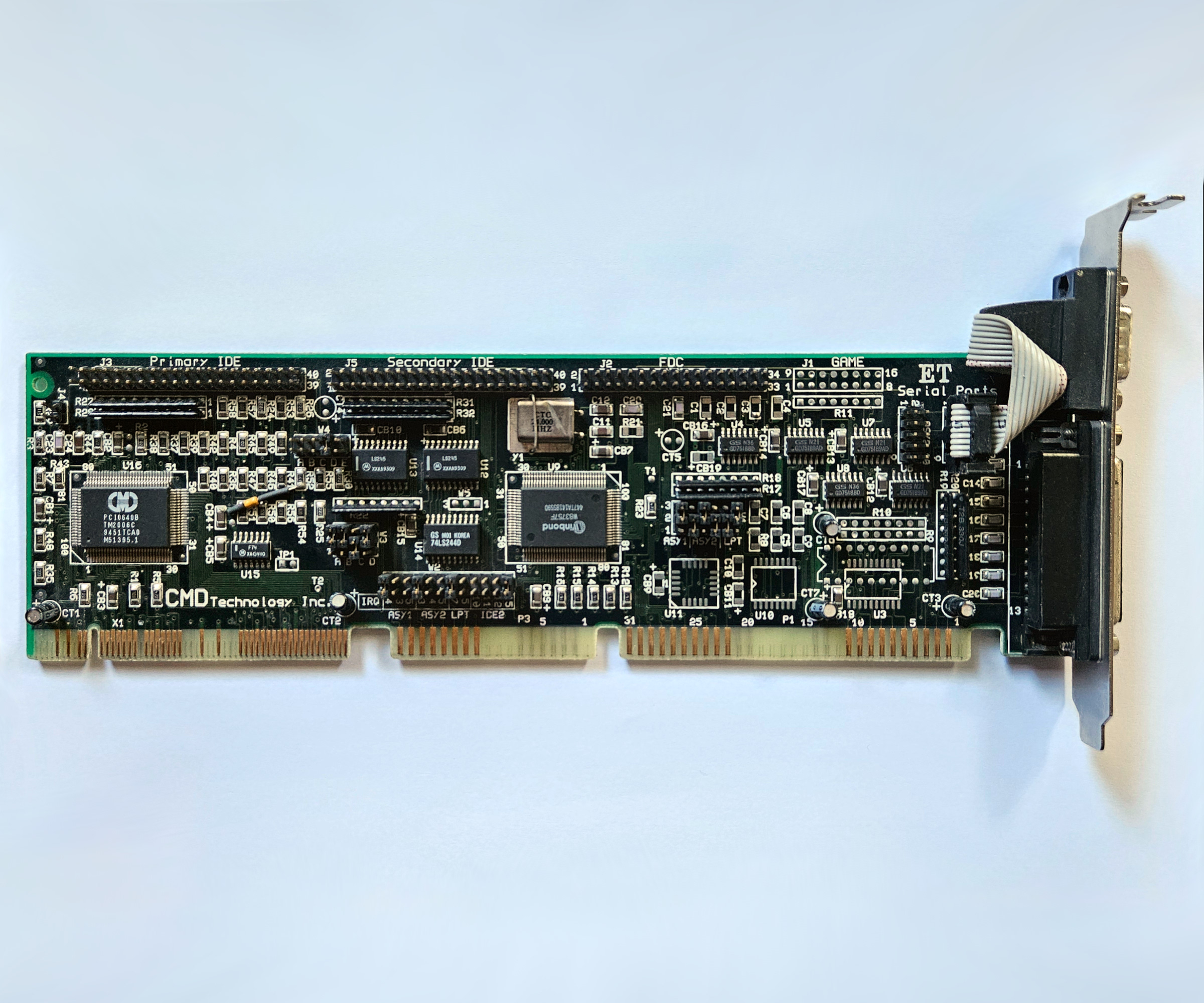
(CMD PCI0640B) CMD CSA-6210/KX
Using the /H flag in the the driver causes write issues with CF cards. The presence/absence of that flag does not seem to affect performance.
When the /A flag is set to 20 or 33 (reduced wait states) and FSB is 40MHz or higher - performance is impressive (fastest controller to date), but similar to when /H is used, write issues with CF cards occur.
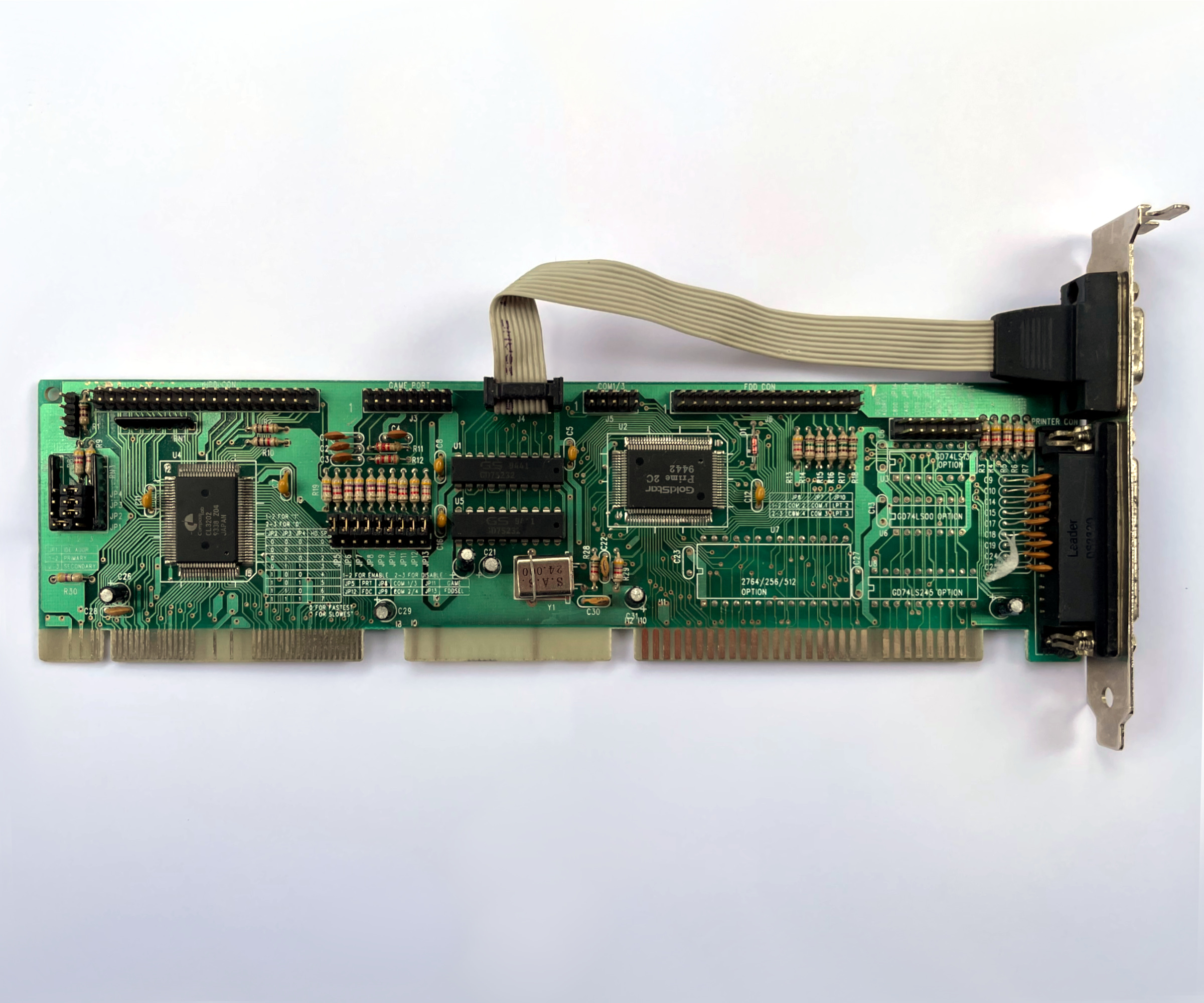
(Compass Lab CL3202, relabeled Chips 82C712?) unknown TSIOL-CL
(Dataworld ADD2) unknown VLSIO2C3
It does not look like the driver is actually doing anything. With or without it, performance is the same. Further investigation will be needed.
(DTC DTC-805 B) DTC DTC2278 VL B
(GoldStar GM82C712, relabeled Chips 82C712?) ESPCo Multi-I/O VLB
(Holtek HT6560B) Holtek VIO3B-V1.1
(Atlantic Components Lion 3+ LRC-03) unknown brand/model (new in box)
DOS driver makes the system unstable with CF cards.
From what i can see it is the software counterpart of the speed jumpers, so no big story here. Ran the tests without it.
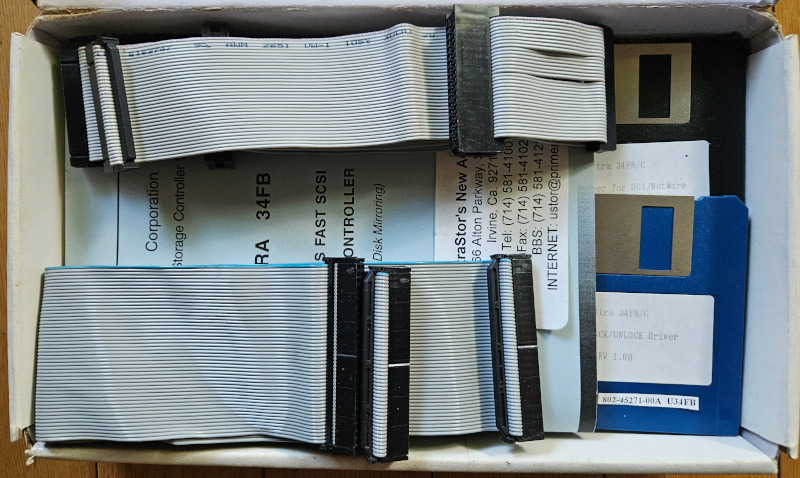
(NCR 53CF94-2) UltraStor Ultra 34FV (new in box)
printed manual
(PiC 12885A-125) Astral Corp VLMIO v1.6
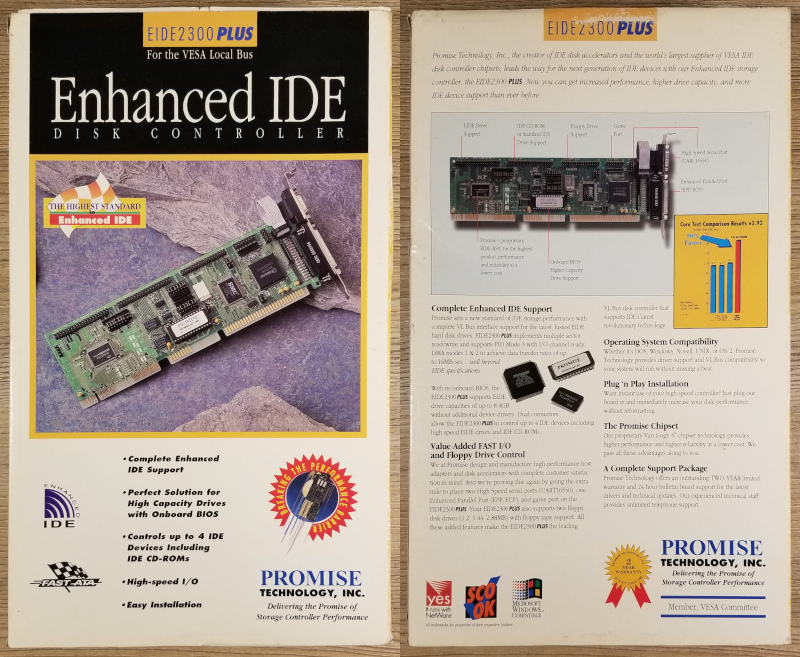
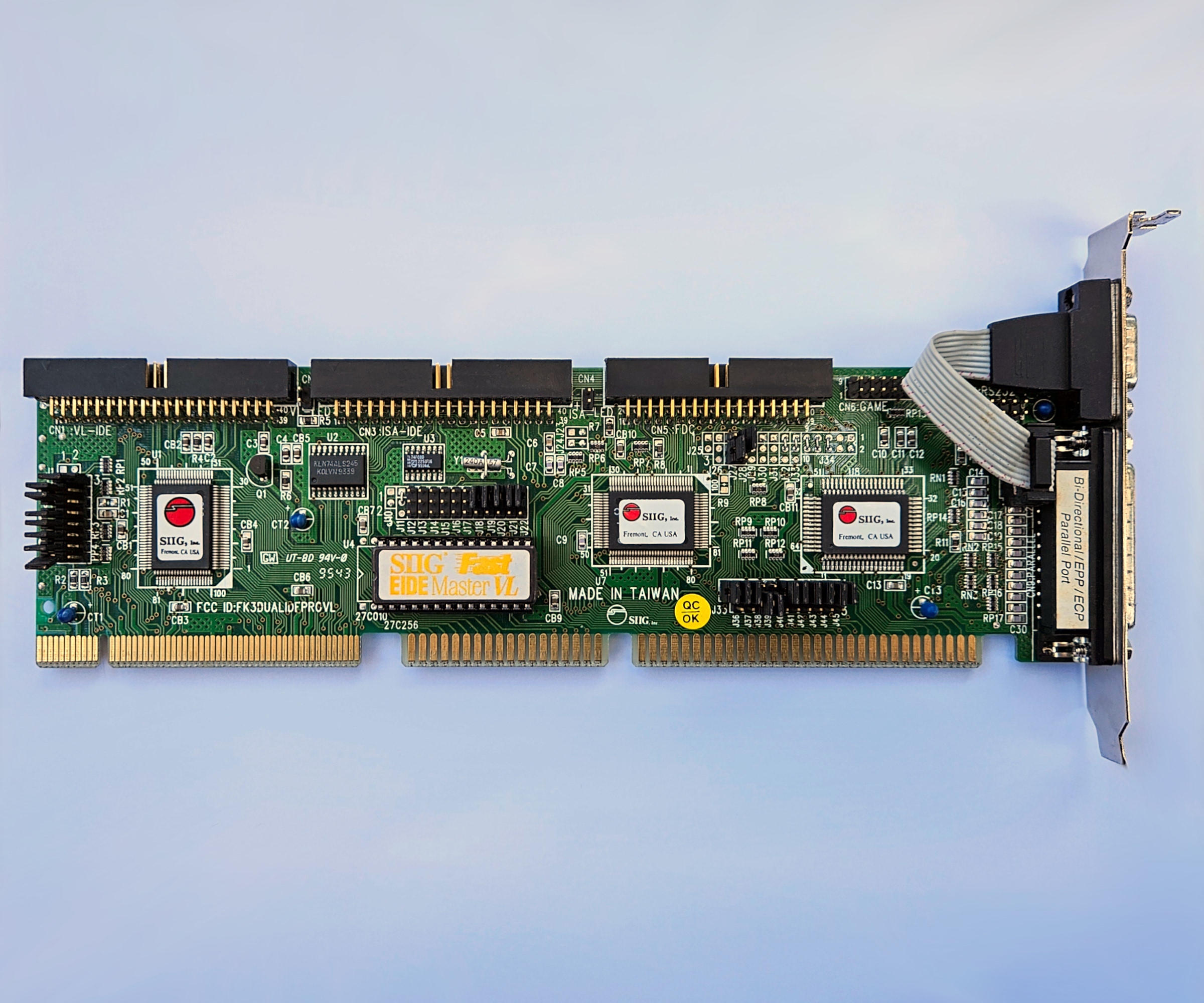
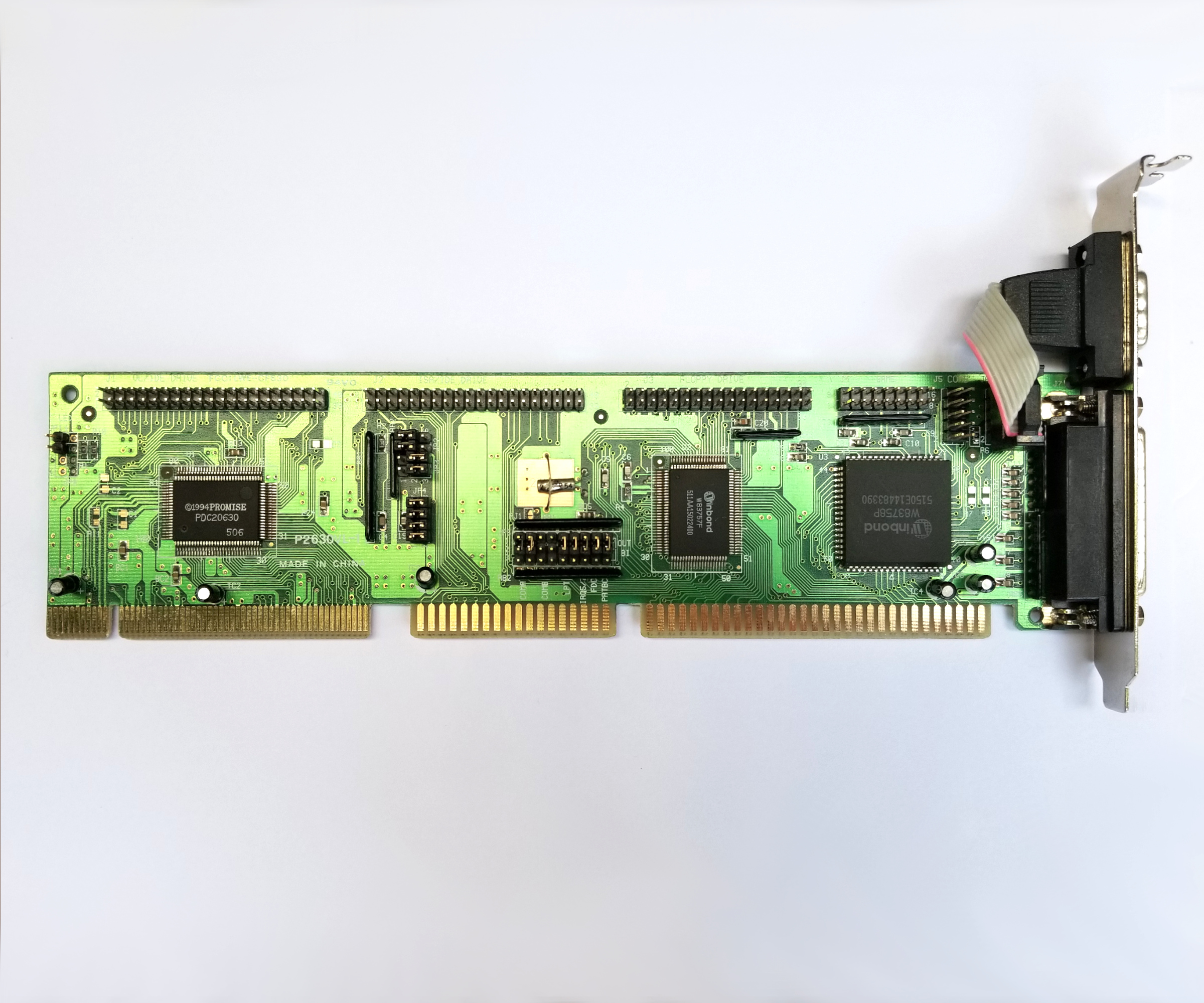
(Promise PDC20630) Promise EIDE2300Plus (new in box), SIIG SC-VKA422, Promise P2630VL-1
The SIIG's custom BIOS makes the POST initialization significantly longer than that of the EIDE2300Plus. The delay can make one think that the computer hung.
The EIDE2300Plus drivers work directly with the SIIG card.
(Promise PDC20330A, PDC20430, NCR 53CF94-2) Promise DC440 (new in box)
Couldn't find a driver.
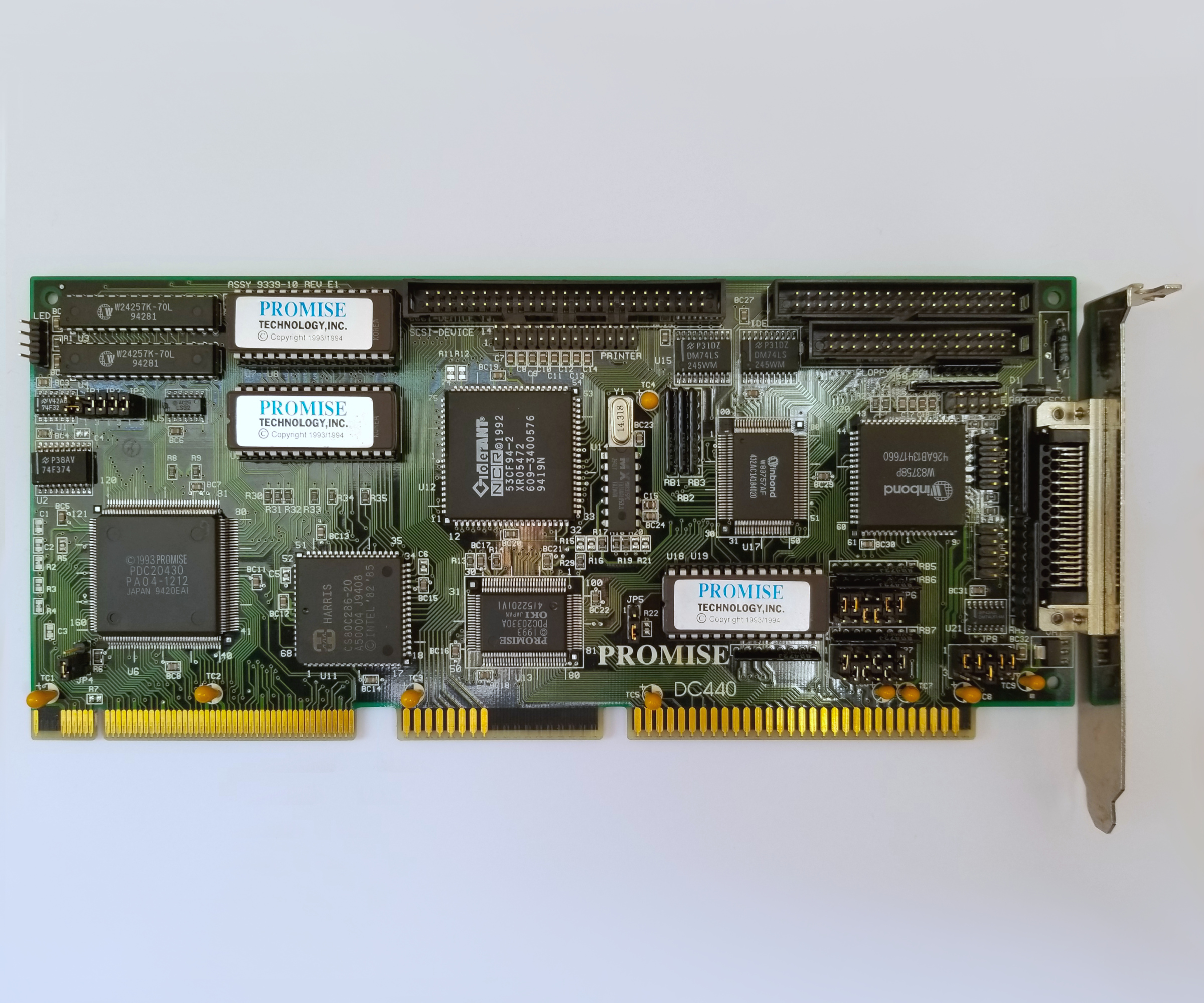
printed manual
(Promise PDC20230C) Promise DC-4000
Can only operate in "normal" speed (other options are "fast" and "turbo"). Tried on few different motherboards - no bueno, so using it like that.
(Promise PDC20230C) FIC Combo-542VP
(Promise PDC20130A, PDC20230B) Promise DV4030VL-1
Default BIOS does not support LBA, so if the motherboard's BIOS has the attached local storage devices specified through LBA, the controller won't be able to see them.
Later BIOSes (available on the forums here) solve the issue.
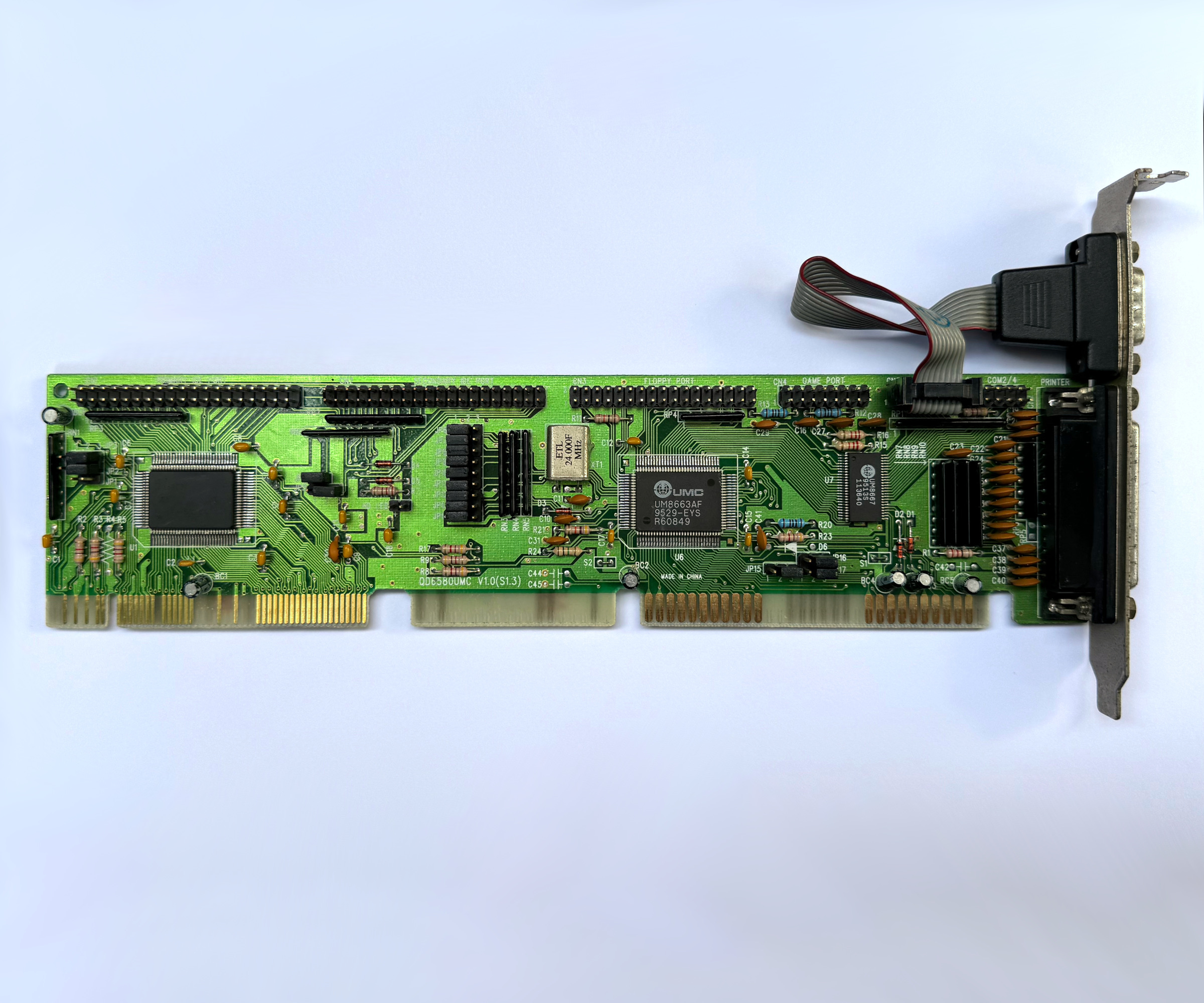
(QDI QD6580) QDI QD6580UMC V1.0
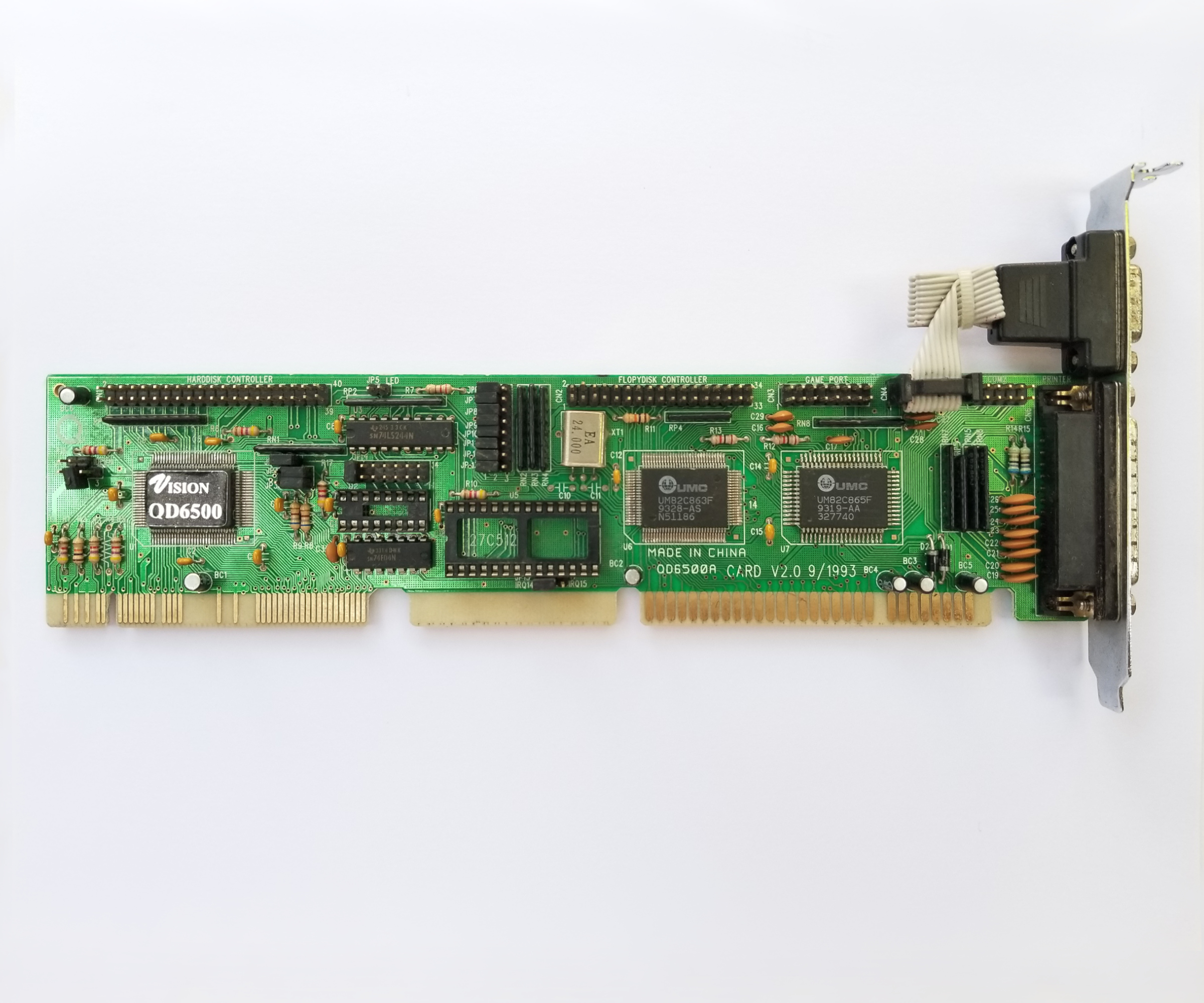
(QDI Vision QD6500) QDI QD6500A v2.0
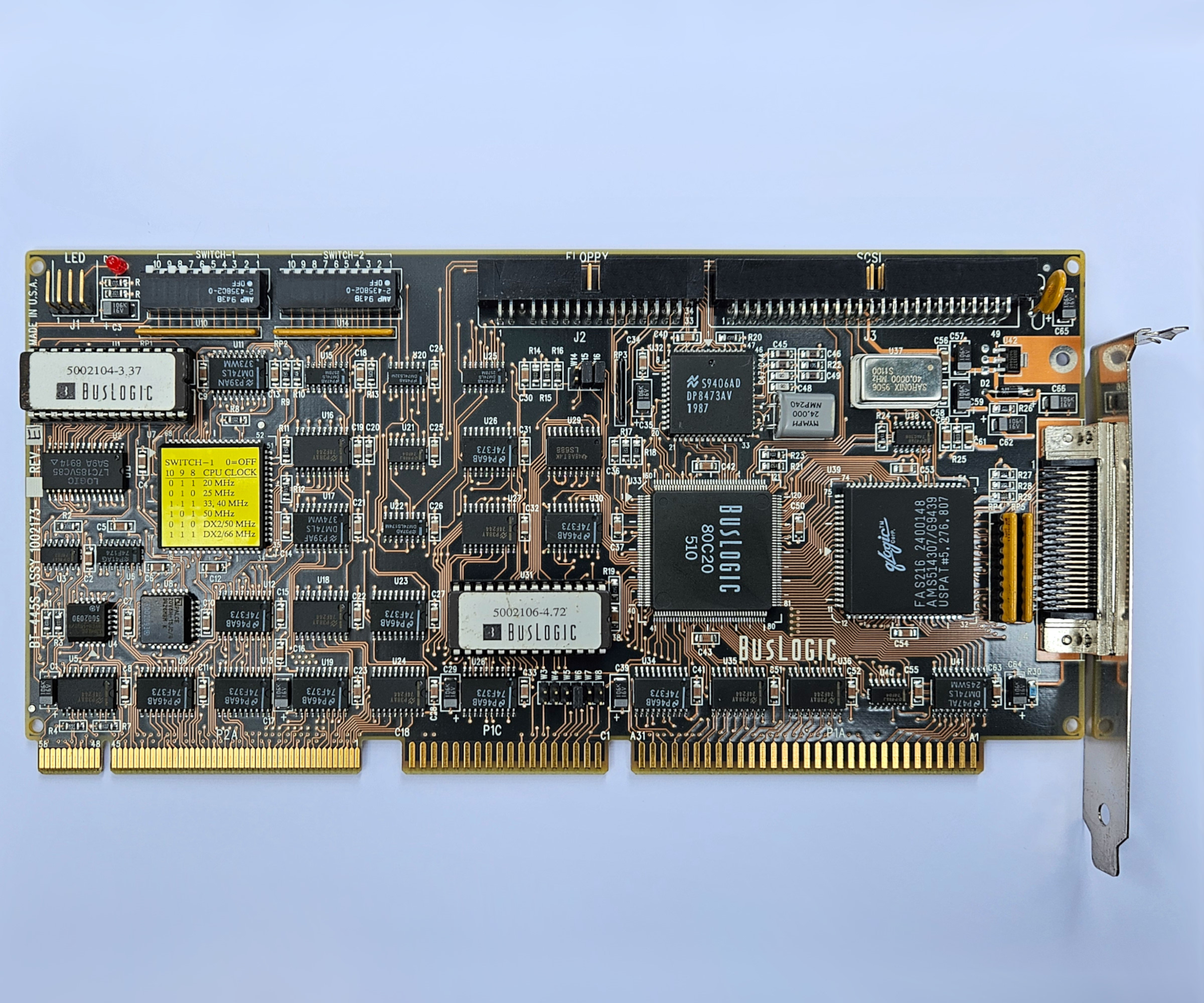
(QLogic FAS216) BusLogic BT-445S
Unstable with wait states set for 20 and 25MHz base frequency.
Wait states set for 33MHz is the minimum for stable system.
Switching between 5 and 10 Mb/s option does not change performance.
Using BTDOSM.SYS driver with /N:02 and /F:01 boosts transfer rates by about 1Mb/s.
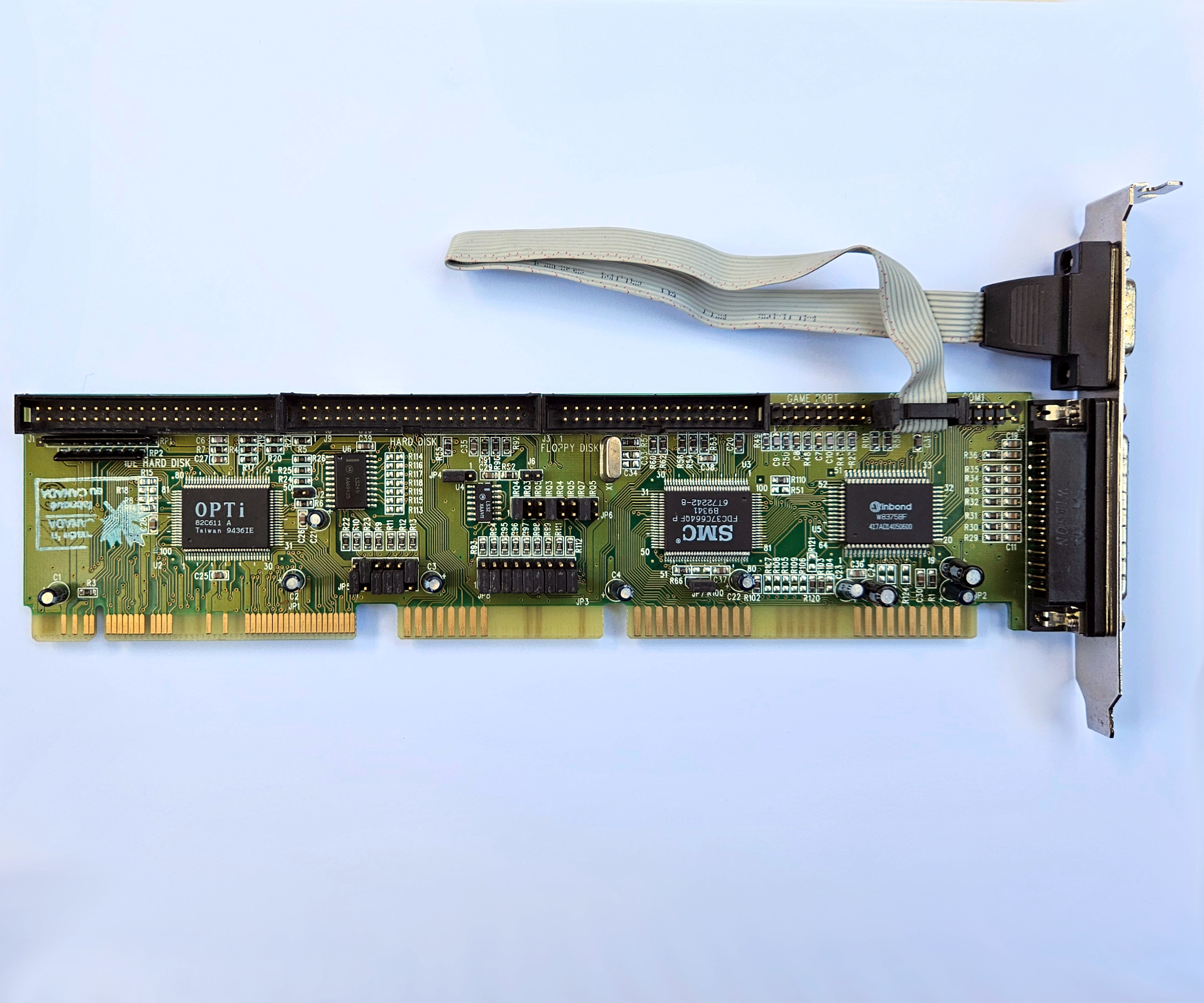
(OPTi 82C611) Seanix SUPER-16550
The 32-bit access driver (OPTIVIC.SYS) causes problems with CF cards - FAT corruption.
No permanent damage, but directory and file structure gets mangled for the session upon driver load.
The SETUPVIC.EXE and its command arguments does not seem to make any difference, except the 25/33/40MHz one.
(OPTi 92C108, Intel N80C186XL-12, Qlogic FAS216) DTC 3274 (new in box)
No UI, switches and jumpers only. Upgraded the on-board cache from 16Kb to 64Kb. This didn't have any effect on performance.

(SiS 83C601) Tyan S1346-002-2
Used driver version 2.11. Wait states set to 0. Multi-sectors parameter does not make a difference. Up to PIO-3 mode.
(SiS 83C611) Tyan S1342/1344-005, VL-IDE VL400GW-V1, Tans SVIDE-V02
Without the driver, both buffered and linear read speeds are about 4,100 KB/s. With the driver installed, buffered read speed increases dramatically, but linear read speed improves by only about 700 KB/s, reaching roughly 4,800 KB/s.
Wait states can be controlled through jumpers or driver. Driver has setting for multi-word I/O that does nothing with CF cards. Didn't test with period correct mechanical HDDs.
Up to PIO-3 mode.
(ST300ALI, AMD 80C186-16) DTC 2277VL (new in box)
New in the box.

(ST300ALI, AMD 80C186-12) Tekram DC-680TS
Tekram DC-680T and DTC 2277VL are basically the same controller with different BIOS versions.
DTC put 16MHz AMD 80C186 processor while Tekram used 12MHz one.
The DTC BIOS is clearly better. Supports LBA mode, also much faster at POST/BOOT.
The Tekram BIOS is pricklier and can lead to instabilities with highly optimized systems.

(Tans TS8310) Tans TS-8310VLT VB.1
(UMC UM8672F) ACE C MEGA-VL, SilverStar SST-2946X, TK TK85C418G-4J-D08
Driver is really interesting, it can spawn a sub-menu during config.sys execution. Using that menu user can interactively adjust its settings.
(UMC UM86C473F) TK TK-85C418GVIO 4J D08
Couldn't find a driver.
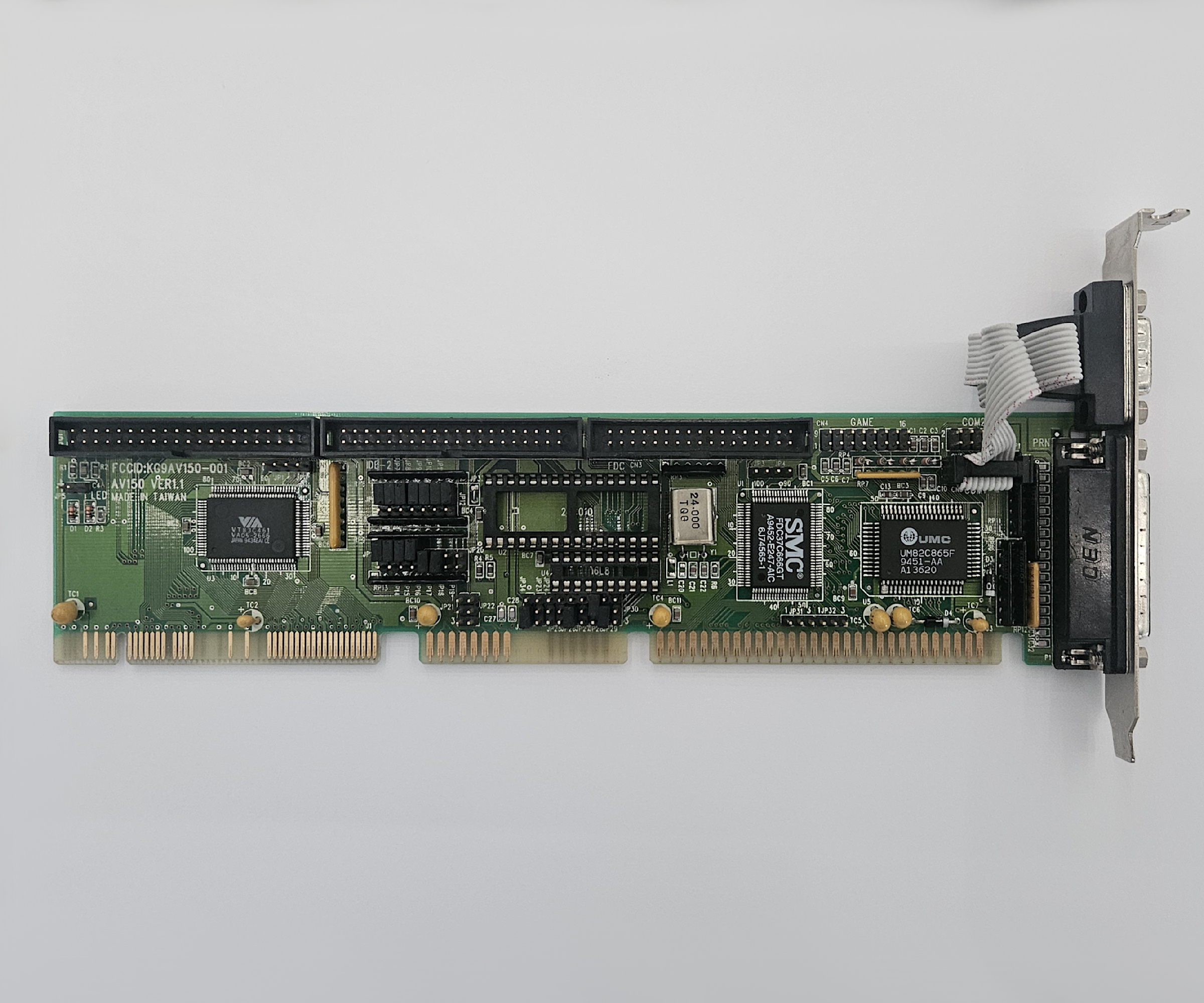
(VIA VT83c461) Aresys Precision AV150 VER1.1
Used driver version 1.5. Later versions don't recognize the controller.
Parameter flags don't seem to do anything. I am not convinced the driver is functioning properly.
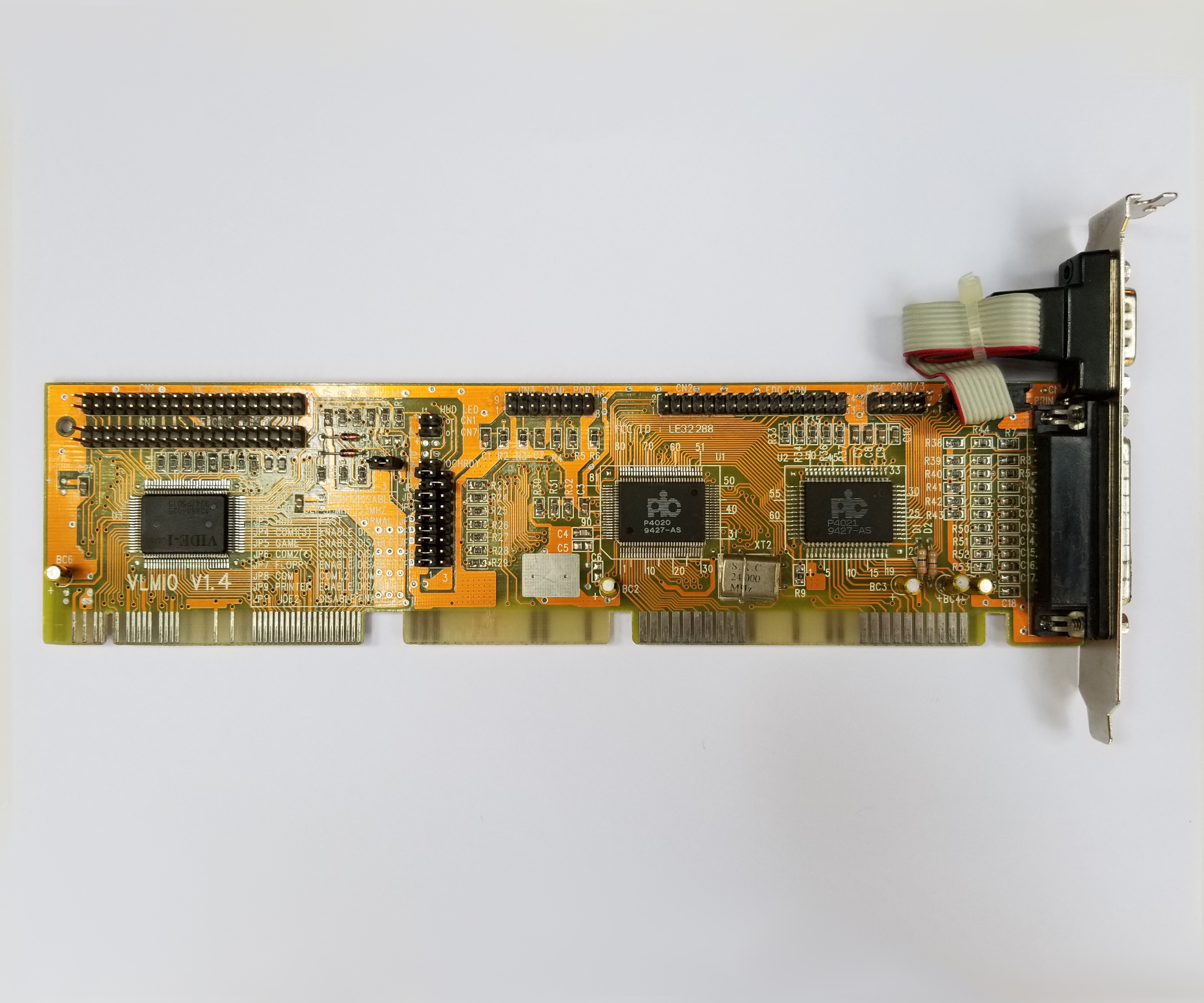
(VIDE-1, relabeled PiC 12885A-125?) Astral Corp VLMIO V1.4
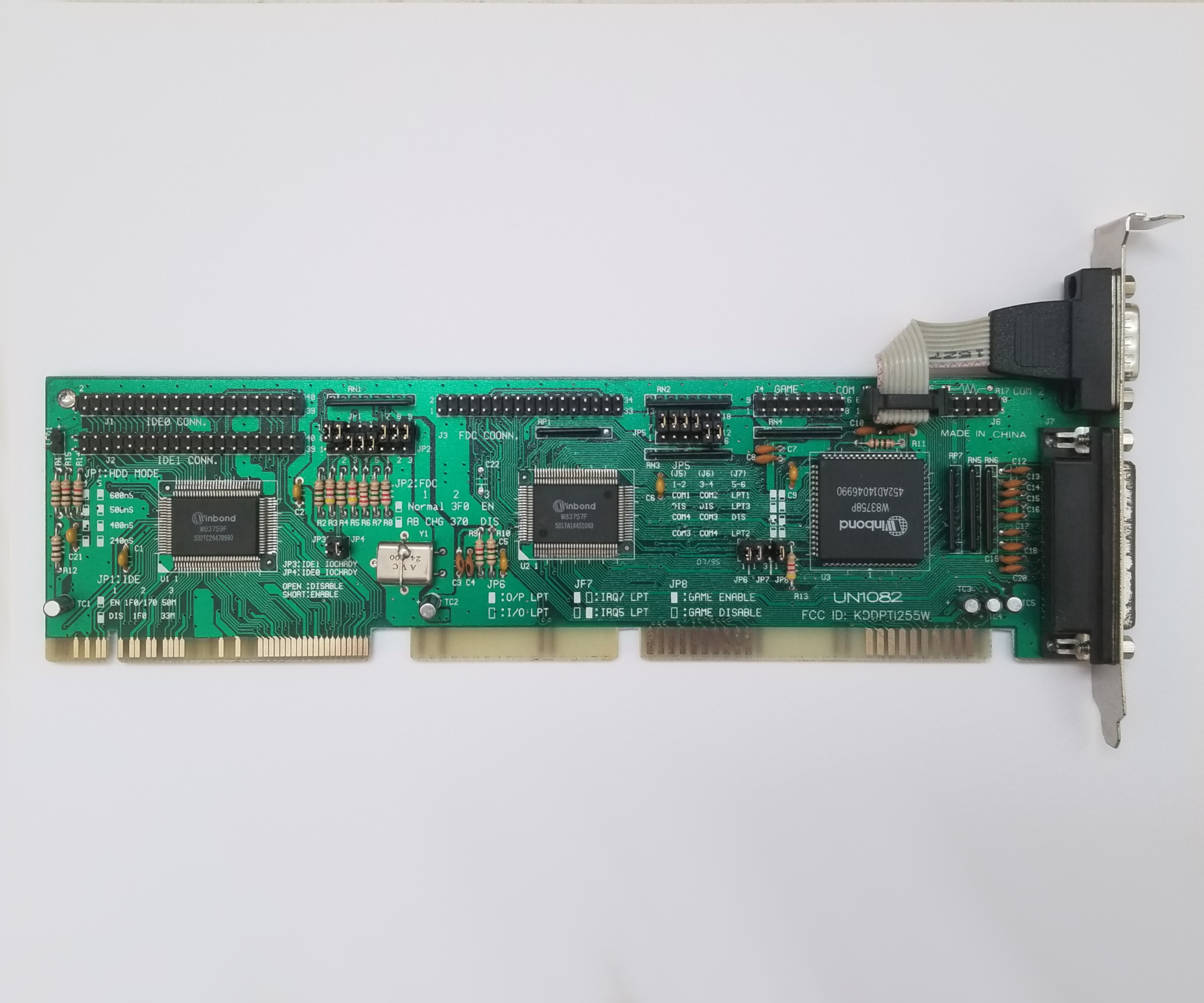
(Winbond W83759F) Micro Equipment Corp UN-1082 VL
BENCHMARKS
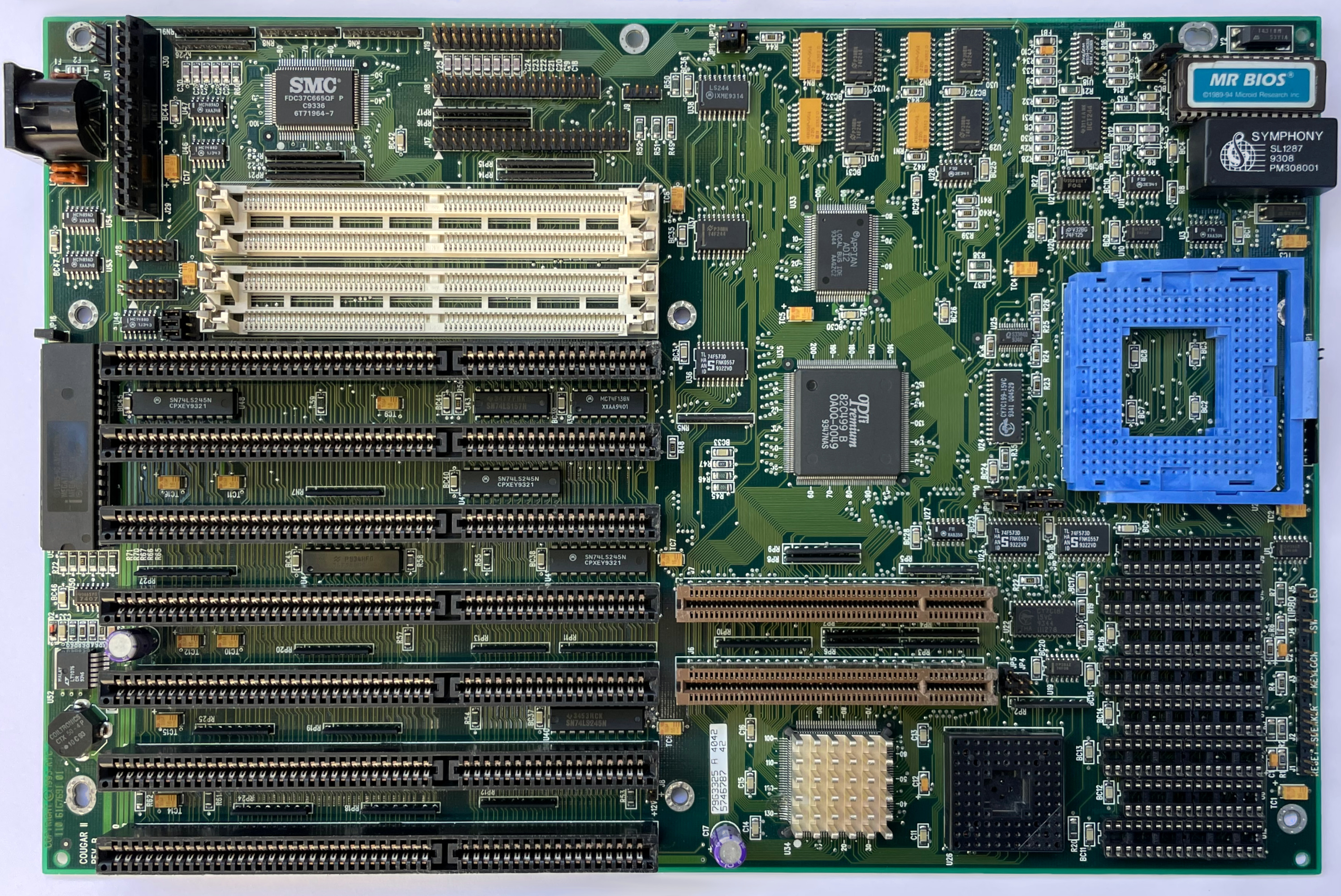
Tested on Asus VLI-486SV2GX4 rev.2.0 motherboard with patched BIOS for WB cache, 1024Kb SRAM, 64Gb RAM, AMD 486DX5 ADZ CPU running at 160MHz (4x40), all BIOS parameters set to their most optimal values.
Added Adaptec AHA-2840-A VLB for a reference, marked in white outline.
Used CF card several generations faster than any of the tested adapters, to make sure they don't get bottlenecked on that side.
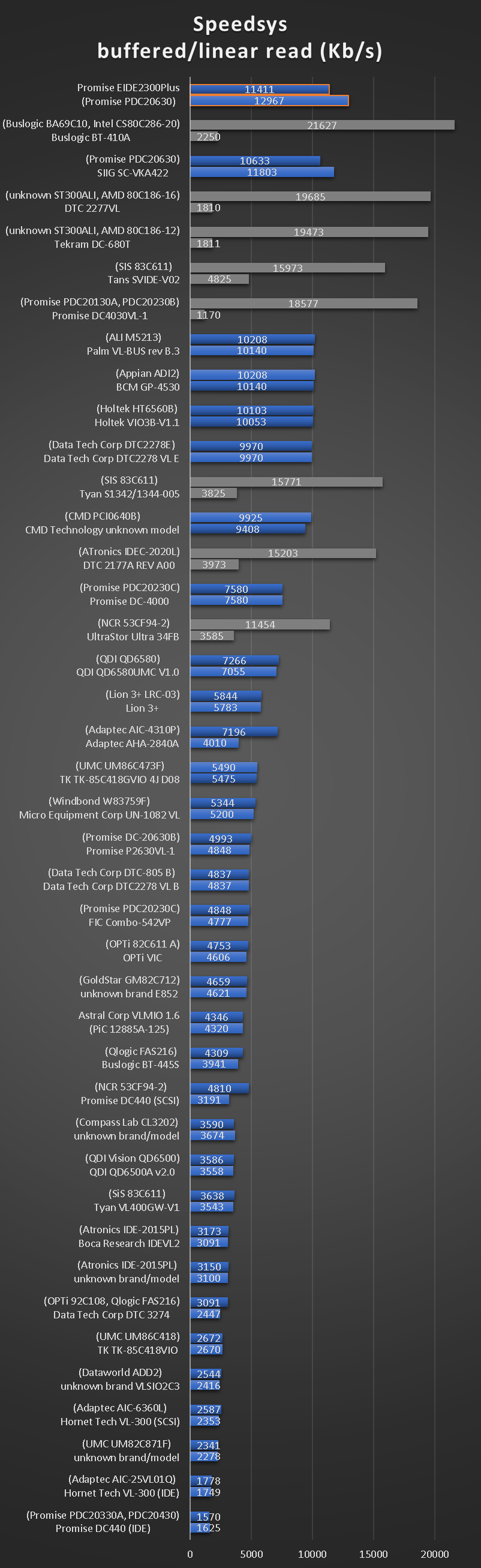
SpeedSys ranking is based on the sum of buffered + linear read speeds.
(thinking to revisit that for the note below)
Gray bars denote controllers with large discrepancy between buffered and linear read speeds.
In SpeedSys, for caching controllers, the long bars (buffered reads) indicate cached transfer speeds, short bars (linear reads) indicate the actual non-cached transfer speeds when the storage device is accessed directly.
Simply put - the short bars represent the overall performance of the adapters.
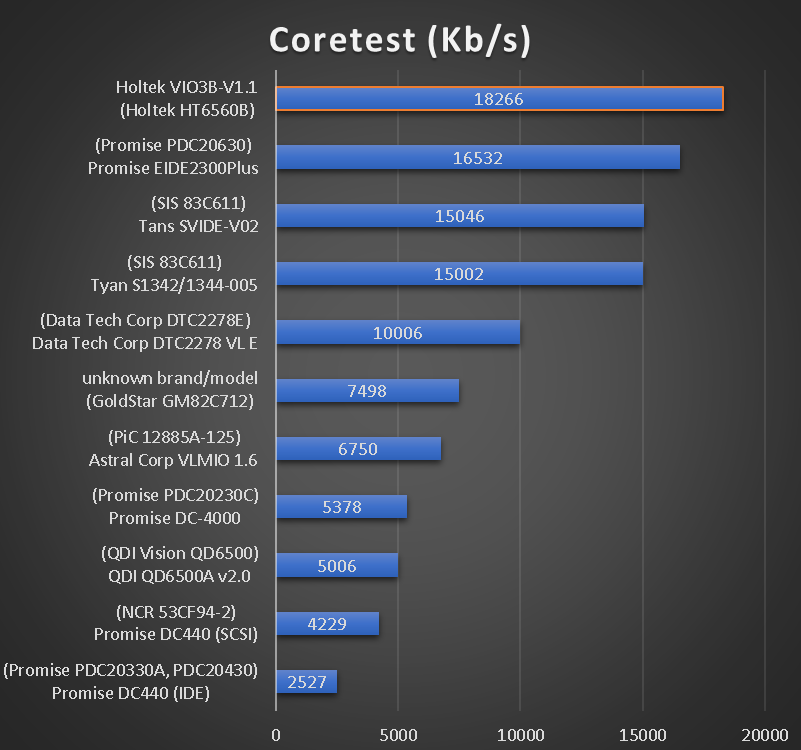
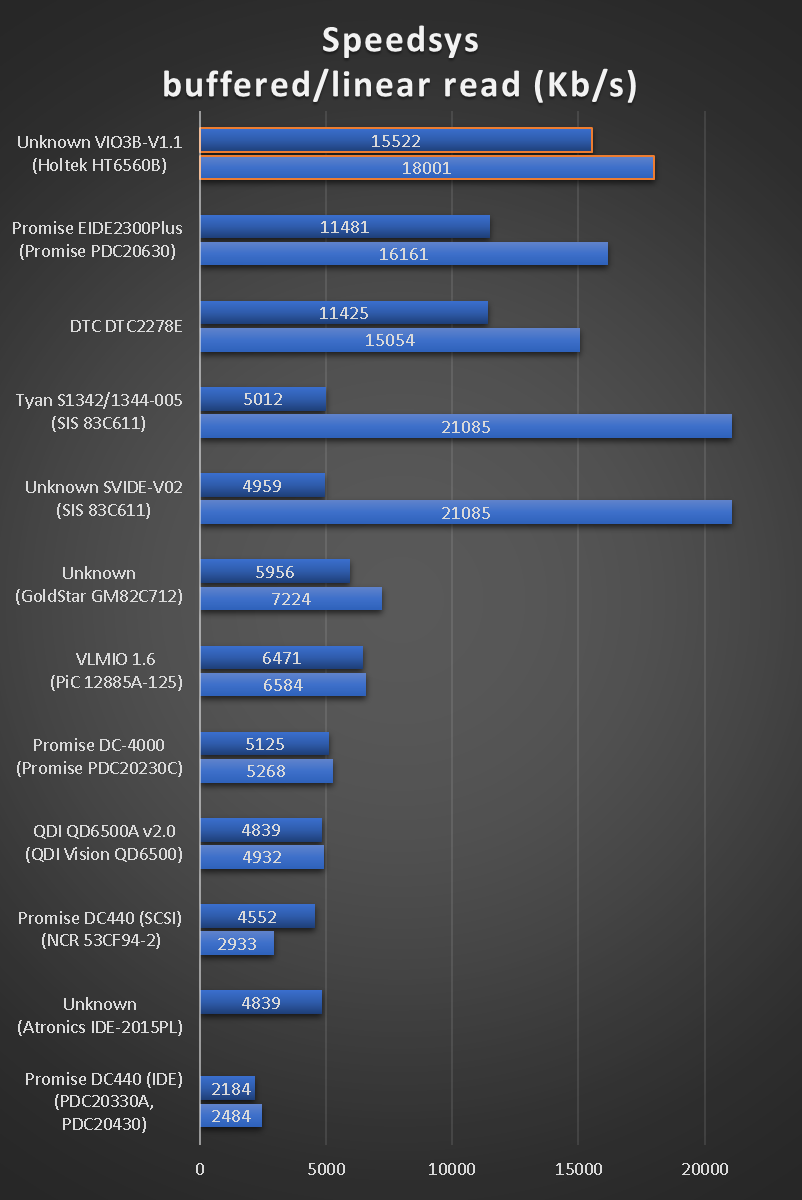
Private conversation with jakethompson1 prompted me to test with mechanical HDD as well.
I picked Maxtor 90650U2 (MA540PR0), 5400 rpm, 6.4Gb, Ultra-ATA/66, 2Mb cache.
The UMC and Promise 20630 drivers didn't like it for some reason. Clunky ...
CONCLUSION
First of all there is some homework left to do - run more in-depth perf tests that can reveal additional details, but that's for later.
For now - take a closer look at the Holtek, Appian ADI2 and DTC controllers.
Never heard of Holtek before, but it totally kicks ass.
It shows write access issues with SanDisk Ultra CF cards, but works well with Transcend and others. Still, something to keep in mind.
@Warlord provided a great tip that Appian ADI2 chip is powering the Adaptec AVA-2625VL EIDE controller. He also provided drivers. Thanks.
The controller is not completely stable with mechanical HDDs. I am testing on a highly optimized system (which is a part of the test itself) and some adapters struggle with that.
But since i am on the CF cards bandwagon - that's not much of a factor.
The best performers are DTC2278E, Holtek HT6560B, Promise EIDE2300 Plus.
Holtek is not completely stable with CF cards - sometimes misses write access and asks user for "retry", then completes the operation just fine.
DTC and Promise are completely stable and work equally well with CF cards and mechanical HDD.
DTC hangs with POD83/100 + L1 cache in WB mode. Same happens with the SiS controllers, btw.
So at the end of the day the true hero is Promise EIDE2300 Plus.
Despite the seemingly faster sequential speeds when using mechanical HDDs, in reality they are much slower than CompactFlash cards because of slow seek and random access times.